Following a report Wednesday that Apple is planning to launch three new smart-home products on October 13, more evidence has emerged to indicate that something is indeed coming soon. According to a report from MacRumors, Apple retail stores have received packages that aren’t to be opened until October 8.
The site claims it has multiple sources that confirm Apple Stores “around the world” have received “confidential” boxes with instructions to not open them until October 8. The boxes appear to contain “new visual merchandise, which enables workers to update labels, graphics, and product layouts in stores around the release of new products.”
Of course, Apple is also launching the iPhone Duo this month, with in-store availability beginning on October 23. However, as MacRumors notes, it’s unlikely that there would be secrecy around those displays, as the product has already been announced and new store displays are very much expected to go up around that time.
We’ve heard about stores receiving displays ahead of events and launches before, but it’s rare for Apple Stores to get information about new devices before the general public. So if the report is accurate, a date of October 8 would indicate that Apple plans to announce something next week rather than, or in addition to, October 13.
It’s also worth noting that Apple Stores don’t generally advertise new products until they’re available for purchase or at least on display. So if stores are changing their signage for October 9, it would indicate that something new will be available.
Apple is expected to launch at least three new smart-home devices, including an updated Apple TV 4K and HomePod mini, as well as a new smart-home hub. It’s not uncommon for Apple to space out announcements on multiple days when there isn’t an official event.
Apple’s September event may not have been Apple’s final event of 2026 – another launch could be coming on October 13.
Apple typically has four main event windows each year: a spring event, WWDC in June, the iPhone event in September, and sometimes a further event in October. The company rarely confirms dates far in advance, and there’s no guarantee it will hold an event in every window. That leaves Apple fans – and anyone considering a new Apple device – wondering when the next event will happen and what might be announced.
Fortunately, Apple’s annual schedule is fairly predictable, while reliable rumours often provide additional clues about what’s coming. That means we can make informed estimates about the timing of future keynotes and the products most likely to appear.
Here’s everything we know about the event Apple could hold later in 2026 and beyond.
When is Apple’s next event?
Next rumored product launch: October 13, 2026. An event remains unconfirmed.
Bloomberg’s Mark Gurman has claimed on X that Apple will launch its “next big thing” on October 13, referring to new smart-home products. Apple has not confirmed the date, and it remains unclear whether the company will hold an event or announce the products through its website and press releases.
Apple hasn’t announced a date for another event in 2026, but it is possible that more new products will launch at an event, or via press release, before the end of the year.
Apple has held October events in the past: in 2023, an event was held on October 30, while in 2021 Apple held one on October 18. With the iPhone Duo launching on October 22, Apple may want to avoid clashing with that launch, making the following week, beginning October 26, a plausible window for another event or product announcements.
What could Apple launch at the next event?
The rumored lineup centers on Apple’s first smart-home display, often called HomePad. Gurman describes a 6-inch screen mounted above a speaker base on a manually tilting arm, plus a separate wall-mounted version. Updated HomePod mini and Apple TV 4K models with faster processors are also expected.
Other rumored launches include new iPads and a touchscreen MacBook Pro, but this report does not establish that they will arrive alongside the smart-home products.
Apple event calendar 2026: What has Apple launched this year?
Timescale
Event theme
Dates
Products
March
Special Experience
2-4 March
Launched: iPhone 17e, MacBooks Neo, Pro & Air, iPad Air
June
WWDC
June 8
Unveiled plans for: iOS, macOS, other software, AI and Siri
September
iPhone event
September 9
Launched: iPhone 18 Pro, iPhone 18 Pro Max, iPhone Duo, new Apple Watch, AirPods 5
October
Rumored smart-home launch
October 13 (rumored)
Possible: HomePad, HomePod mini, Apple TV
Late 2026
Other possible announcements
Unconfirmed
Possible: Touchscreen MacBook, iPads
Spring 2027
TBC
TBC
Expected: iPhone 18, iPhone 18e, iPhone Air 2
Apple has held three events so far in 2026, although the first was not an event in the traditional sense. On March 4, the company invited select media to hands-on “experiences” in multiple locations. In the run-up to that date, Apple launched several products via press release, including the iPhone 17e, M4 iPad Air, and M5 Pro and M5 Max MacBook Pro, M5 MacBook Air and the MacBook Neo.
The second event was WWDC, which began with a keynote on June 8. At the WWDC keynote Apple outlined the upcoming changes to its operating systems, including iOS 27 and macOS 27 Golden Gate.
Here’s when the 2026 Apple events might take place.
Foundry
FAQ
1.
How far in advance does Apple announce an event?
Apple usually announces its events around one to two weeks before they take place, although the timing varies. That means an October event could still be announced fairly late in the month. Apple may also choose not to hold an event at all and instead unveil new products through press releases, as it has done with a number of recent Mac and iPad launches.
2.
What time does the next Apple event start in U.S., U.K. and other global time zones
Apple keynotes usually start at 10 am PT. A future event would likely follow the same pattern. That translates to the following times in the countries where most of our readers live:
U.S.: 10 am PDT, 11 am MDT, 12 pm CDT, 1 pm EDT
Canada: as above, plus 2 pm ADT
U.K.: 6 pm
Europe: 7 pm CEST, 8 pm EEST
India: 10:30 pm IST
Australia: next day — 1 am AWST, 2:30 am ACST, 3 am AEST
New Zealand: next day — 5 am NZST
The timings are generally the same for all Apple Keynotes, but can be slightly different if Apple holds the event during the period of a couple of weeks when the clocks have changed in the U.S. but not elsewhere (in 2026 the clocks will change in the U.S. on November 1, while in the U.K. they change on October 25).
Sometimes Apple holds events at different times, for example, in October 2023 the event was held in late afternoon in San Francisco, which meant it was midnight in the U.K.
If Apple doesn’t hold an event and instead just issues a press release, that usually happens around 8 am PT, 11 am ET and 4 pm U.K. time.
3.
How long do Apple events usually last?
Apple keynotes usually last between one and two hours and feature the CEO alongside various other Apple executives. With John Ternus succeeding Tim Cook as CEO on September 1, 2026, this will be his first major product keynote in the role.
WWDC and the September event tend to be longer keynotes; the spring and late-fall events can be slightly shorter.
For example, the September 2024 event was 1 hour 38 minutes.
4.
How often does Apple hold events?
There can be as many as four Apple events in a year:
Spring Event
WWDC in June
iPhone Event in September
Late Fall Event in October
This event calendar is by no means set in stone, though, with the spring and October events being less regular. Some years, Apple doesn’t hold a spring event at all. In 2025 Apple only held two events, preferring instead to announce new products via press release.
5.
Does Apple take part in other events?
Apple doesn’t participate in major industry trade shows such as CES and IFA. Instead Apple invites the press and industry professionals to Apple Park to hear all about its latest products and services. Apple calls these ‘events’ and it streams them live online to millions of viewers.
6.
Does Apple ever announce products without an event?
Apple frequently announces products without a keynote event, often opting for press releases or multi-day announcement windows. In recent years, the company has increasingly reserved its large-scale media events for major flagship launches, such as the primary iPhone lineup in September, while using press releases for iterative updates or “chip bumps” that may not warrant a full hour-long presentation.
7.
How to watch an Apple event
Apple events are typically broadcast across several digital platforms, allowing viewers to tune in from almost any device. While the company previously restricted access to its own hardware or the Safari browser, these barriers have been removed in recent years.
You can access live Apple presentations through the following official channels:
YouTube: This is often considered the easiest way to watch. Apple streams its keynotes live on its official YouTube channel, which can be accessed via any web browser or the YouTube app on smartphones, tablets, and smart TVs.
Apple.com: The company hosts a dedicated “Events” page on its official website. For the best experience on a PC, it is recommended to use Microsoft Edge on Windows 10 or later.
Apple TV App: The stream is available within the Apple TV app on iPhone, iPad, Mac, and Apple TV hardware. Keynotes are usually listed in the app’s lineup a day or two before the event begins.
Apple Podcasts: Apple also showcases its events through the Podcasts app on Apple devices, where you can watch the video presentation.
You may also like to tune in to our Live Blog which will provide minute-by-minute text updates and analysis as products are announced.
Following the end of the event, detailed breakdowns will also be available on the Macworld Podcast, which can be found on Spotify, Soundcloud, and Apple Podcasts.
Will Apple have a second fall event in 2026?
Apple
Will there be a late fall event in 2026?
The latest reporting points to a smart-home launch on October 13, although its presentation format remains unclear. Apple could announce these products without holding a keynote.
The last time Apple held a late fall event was on October 30, 2023, and before that on October 18, 2021. So while a late fall event would not be unprecedented, it has become relatively uncommon.
Right now, there is no way of knowing whether Apple will hold another event in late 2026, or whether it will continue to launch new products through press releases instead. In the past, October events have often focused on Macs, but in recent years Apple has shown that it does not always consider a dedicated event necessary for Mac launches.
What could Apple launch at the late fall 2026 event?
Apple’s next launch could focus on smart-home products, including the rumored HomePad display, an updated HomePod mini and a new Apple TV 4K. The latter two are expected to feature faster processors that could support Siri AI features.
Other possible launches before the end of the year include the rumored touchscreen MacBook Pro and updates to the iPad and iPad mini. However, it remains unclear whether Apple would announce these alongside its smart-home products, hold a separate event or introduce them through press releases.
Apple’s spring events have become increasingly unpredictable. The company has not held a traditional spring event since May 2024, although it did invite members of the media, including Macworld, to a “Special Apple Experience” in 2026.
Rather than a keynote presentation, the March 4, 2026 gathering was a hands-on showcase that followed three days of product announcements, including the MacBook Neo, iPhone 17e, and M5 MacBook Air.
Will Apple take a similar approach to spring product launches in 2027? It’s certainly possible. The format appeared to work well, allowing each product announcement to receive its own media coverage rather than competing for attention during a single event.
Apple is expected to release three iPhone models in spring 2027 – or it could be two new iPhones, with the Air and iPhone 18 merging.
Apple may also update the MacBook Air with an M6 processor in spring 2027.
When is WWDC 2027?
Foundry
When is the WWDC keynote?
In 2026 the WWDC keynote was on Monday June 8. In 2025 it started on Monday June 9. We expect WWDC will start on Monday 7 June in 2027.
WWDC generally runs from the Monday to Friday in the second week of June.
What Apple could launch at WWDC
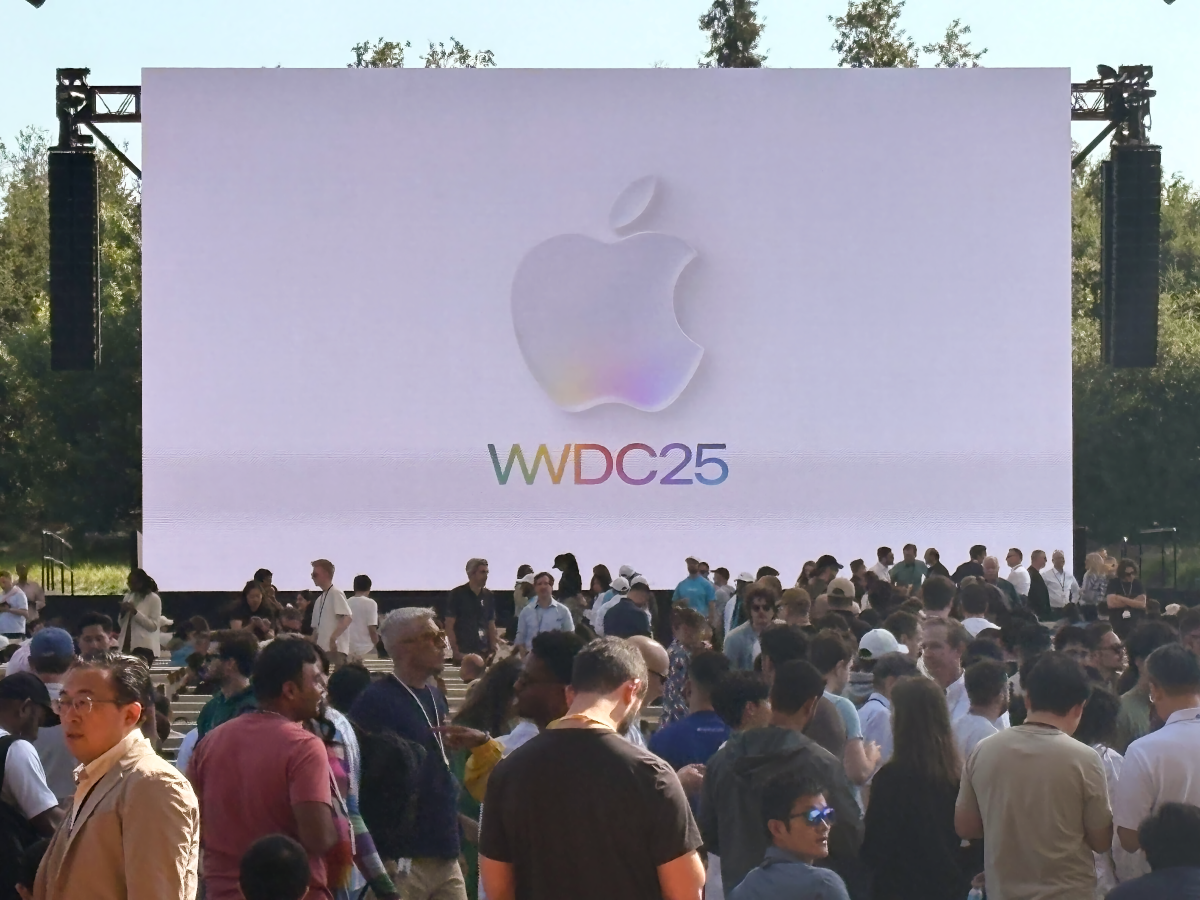
WWDC is Apple’s big developer event at which it reveals plans for the operating systems that run on Apple hardware.
In June 2027 we expect Apple to unveil details of iOS 28, iPadOS 28, macOS 28, updates to watchOS, tvOS, HomePod software, and an update to Apple’s realityOS.
Apple sometimes announces new hardware at WWDC, usually the high-end models targeted at power users, so we could see new Macs.
So far in 2026 Apple has held an ‘experience’, which rather than being an event in the traditional sense, was a chance for journalists to get a look at products Apple had launched in the days prior, including MacBook Neo and iPhone 17e. The company also hosted the WWDC keynote on June 8, at which it revealed its plans for Apple Intelligence and Siri in iOS 27, macOS 27 and the other operating systems. Plus Apple held its iPhone launch event on September 9 at which the iPhone 18 Pro and Max, iPhone Duo, Apple Watch Series 12, Apple Watch Ultra 4 and AirPods 5 launched.
In 2025 Apple only held two events. The first was its Worldwide Developers Conference (WWDC) on June 9, at which it introduced the new features coming in the next version of its operating systems, and the second was the huge September 9 Apple Event where it launched new Apple Watches, new AirPods Pro and the new iPhones for 2025.
Apple doesn’t have to hold an event to launch new products though. Prior to WWDC, Apple launched a new iPhone 16e via press release on February 19, a new iPad and iPad Air via press release on March 4, and a new MacBook Air and Mac Studio on March 5.
Apple then went on to launch a new M5 MacBook Pro and M5 iPad Pro in October. No event was held to mark these launches.
In 2024, Apple held three events: one on Tuesday, May 7, at which it launched new iPads; a keynote to kick off WWDC on June 10; and an event on September 9 at which Apple unveiled the new iPhone 16, Apple Watch Series 10 and the AirPods 4. In October 2024 there was no event, but Apple did announce new products (iMac, Mac mini and MacBook Pro) via press release.
In 2023 there were three events: WWDC in June, an iPhone event in September, and Apple’s second fall event on October 30 (or after midnight on October 31 if you weren’t in the U.S.).
In 2022 Apple held three events: a spring event on March 8, WWDC on June 6, and the iPhone 14 launch on September 7. In other years Apple has held four events though.
Foundry
When were Apple’s past events?
Spring Apple events have been held on the following dates:
2026: ‘Experience’ Wednesday March 4
2025: No event
2024: Tuesday May 7
2023: No event
2022: Tuesday March 8
2021: Tuesday April 20
2020: No event
2019: Monday March 25
2018: Tuesday March 27
2017: No event
2016: Monday March 21
2015: Monday March 9
2014: No event
2013: No event
2012: Wednesday March 7
WWDC events have fallen on the following dates:
WWDC 2026: June 8 (8-12)
WWDC 2025: June 9 (9-13)
WWDC 2024: June 10 (10-14)
WWDC 2023: June 5 (5-9)
WWDC 2022: June 6 (6-10)
WWDC 2021: June 7 (7-11)
WWDC 2020: June 22 (22-26)
WWDC 2019: June 3 (3-7)
WWDC 2018: June 4 (4-8)
WWDC 2017: June 5 (5-9)
Here are the past few Apple September event dates:
2026: Wednesday, September 9
2025: Tuesday, September 9
2024: Monday, September 9
2023: Tuesday, September 12
2022: Wednesday, September 7
2021: Tuesday, September 14
2020: Tuesday, September 15
2019: Tuesday, September 10
2018: Wednesday, September 12
2017: Tuesday, September 12
In the past, Apple has held a second fall event on the following dates:
2025: No event
2024: No event
2023: Monday, October 30
2022: No event
2021: Monday, October 18
2020: Tuesday, October 13 and Tuesday, November 10
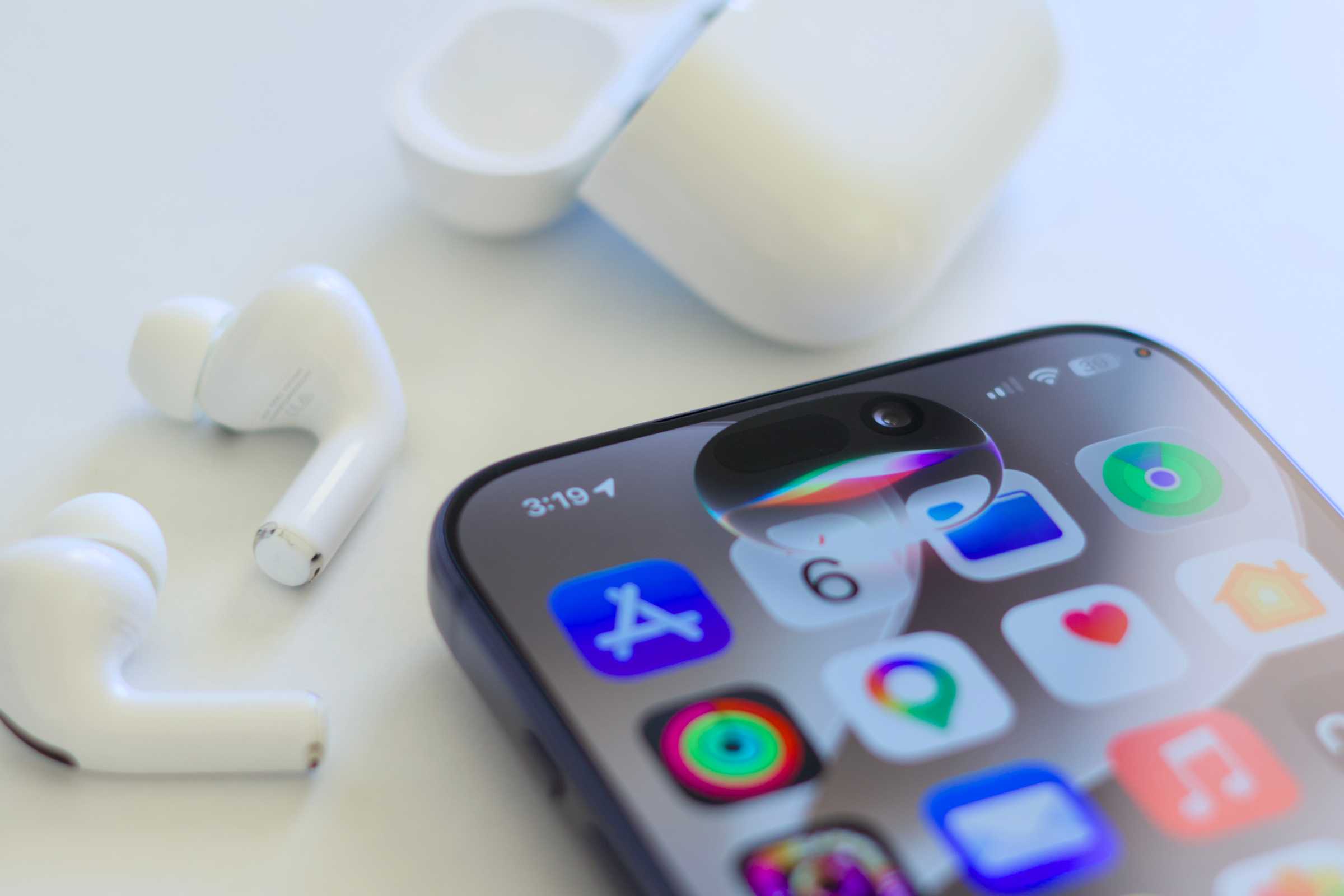
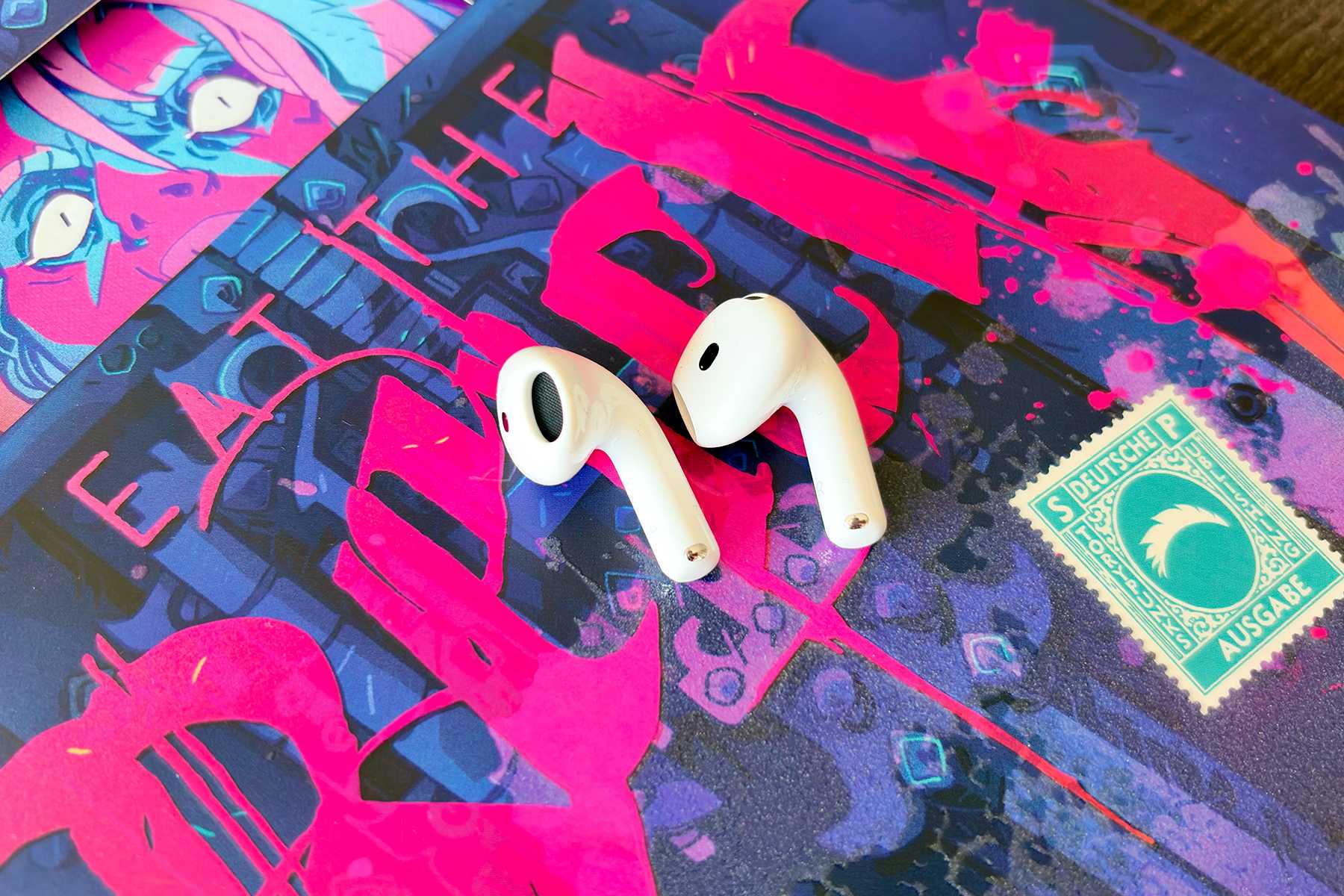
Apple’s AirPods lineup falls into three main families: the AirPods 5, AirPods Pro 3 and AirPods Max 2.
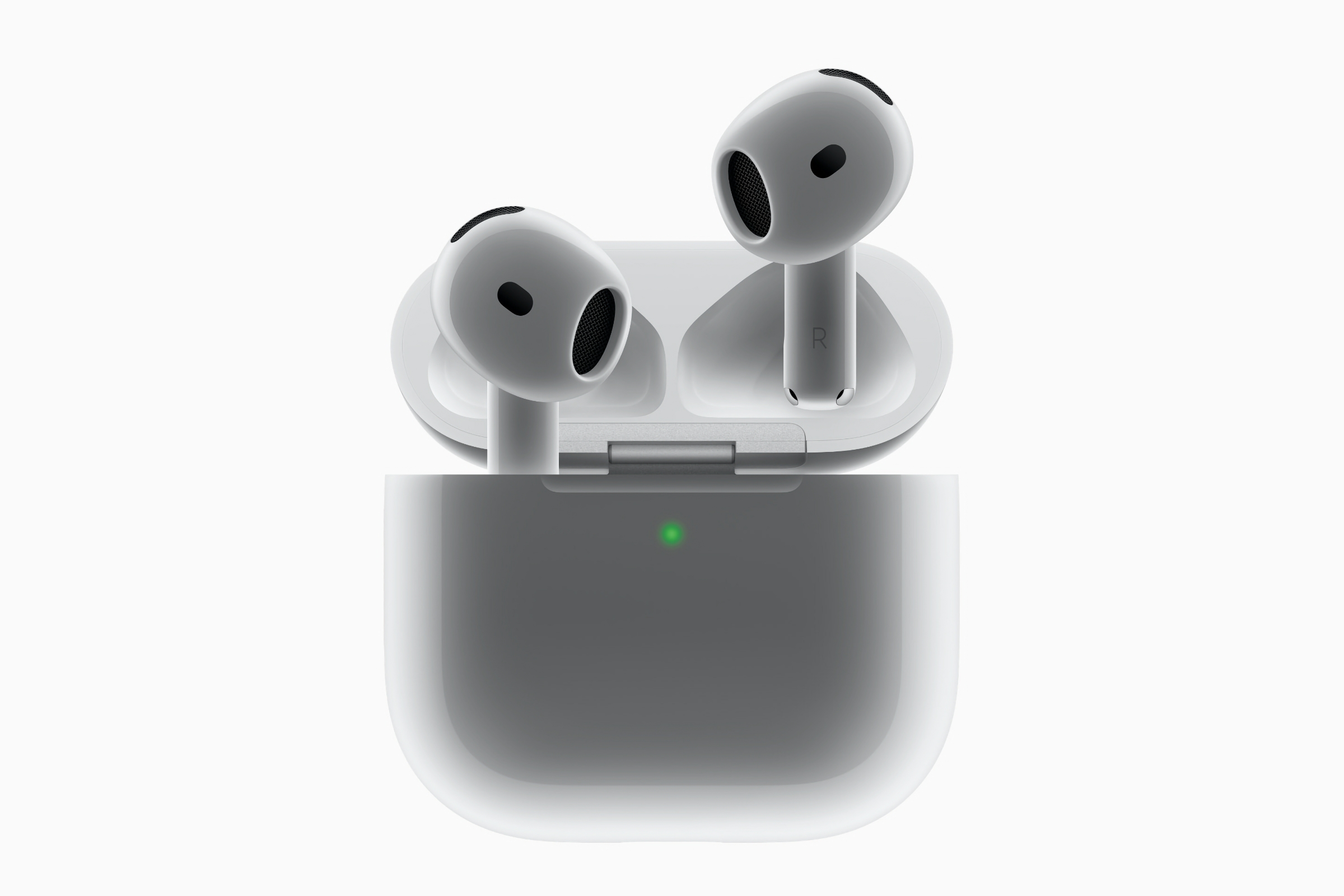
For most buyers, the choice is between the AirPods 5 and AirPods Pro 3. AirPods 5 start at $129 and combine an open-ear design with Active Noise Cancellation, while the $249 AirPods Pro 3 use foam-infused silicone tips for a more secure fit and stronger noise isolation, and add heart-rate sensing and Apple’s hearing-health features.
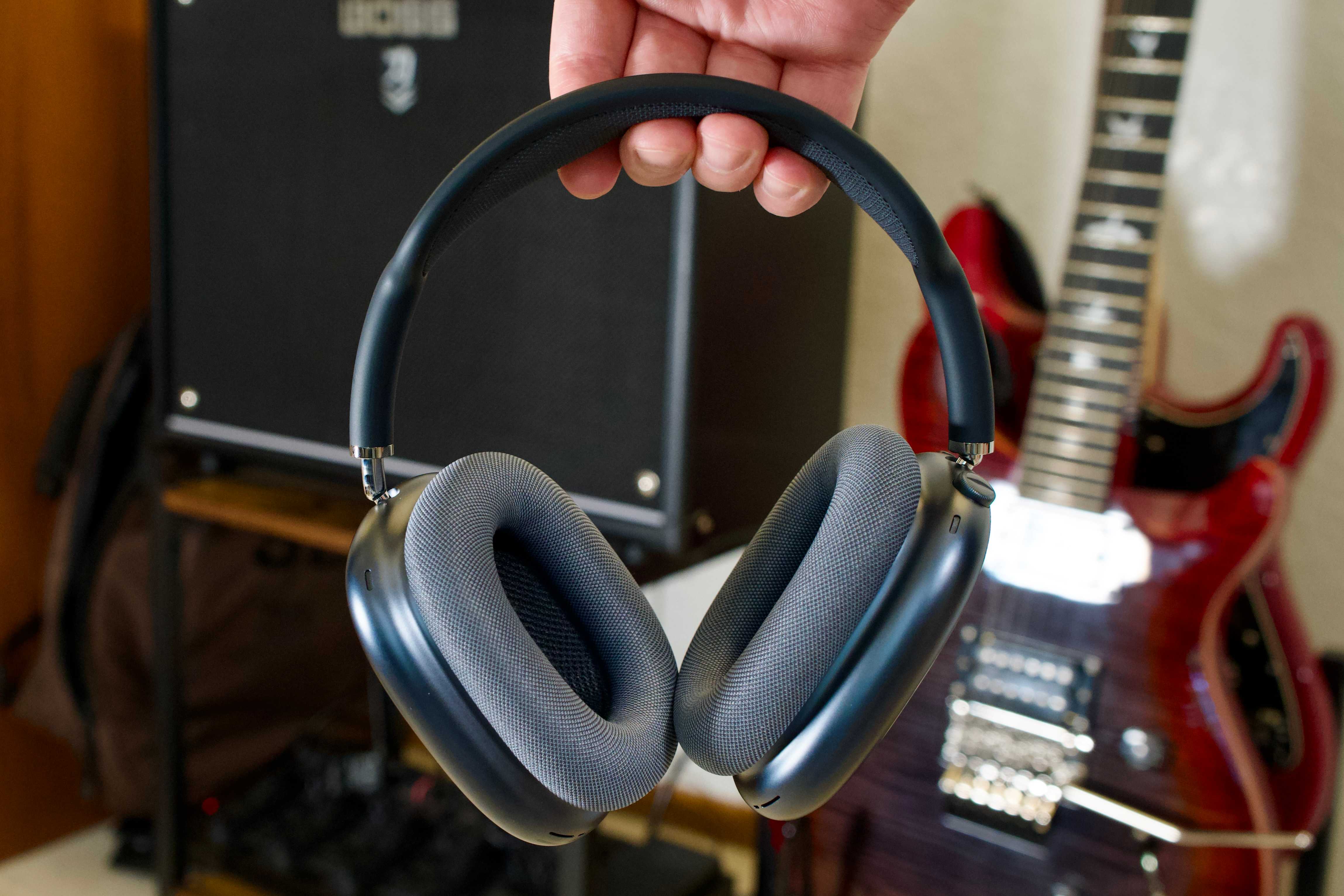
AirPods Max 2 are a different proposition: $549 over-ear headphones aimed at buyers who prioritize sound quality and noise cancellation and specifically prefer an over-ear design.
In this guide, we compare Apple’s current AirPods lineup to explain the key differences between each model and help you decide which is best for you. We look at design and fit, noise cancellation, sound, battery life, health and hearing features, and price, as well as whether it’s worth considering older AirPods at a discount. We also compare AirPods 5 directly with AirPods Pro 3 and explain which AirPods offer the best value for different types of buyer.
Which AirPods are the best?
We recommend AirPods Pro 3 as the best AirPods overall, thanks to their combination of noise cancellation, secure fit, longer battery life and additional health features.
For many people, however, AirPods 5 will be the better buy. They now include Active Noise Cancellation, Adaptive Audio, Transparency mode and Conversation Awareness, closing much of the feature gap with the Pro model while costing substantially less. They’re also the obvious choice if you prefer an open fit rather than silicone ear tips.
AirPods Max 2 are best considered separately. They are over-ear headphones rather than earbuds and cost more than twice as much as AirPods Pro 3, so they make most sense for buyers specifically looking for that style of headphone.
Price comparison from over 24,000 stores worldwide
Best for: Buyers who want the strongest combination of ANC, fit, battery life and features.
Buy AirPods Pro 3 if: You want the best noise cancellation of Apple’s earbuds, longer battery life, a secure in-ear fit or the health and hearing features.
Don’t buy AirPods Pro 3 if: You dislike earbuds that seal the ear canal or don’t need enough of their extra features to justify spending $100–$120 more than on AirPods 5.
For most buyers who don’t object to silicone ear tips, AirPods Pro 3 are the best AirPods you can buy.
Released in September 2025, the third-generation AirPods Pro improved on an already excellent pair of earbuds without increasing the $249 launch price. In our review, Jason Cross praised their more comfortable and secure fit, improved battery life, better noise cancellation and Transparency mode, and effective heart-rate sensor. Taken together, those apparently small changes add up to a significant improvement.
The biggest physical change is the fit. AirPods Pro 3 have redesigned earbuds with foam-infused tips available in five sizes, including XXS. In our testing, they stayed securely in place even during intense activity and felt more comfortable than the previous generation.
Noise cancellation is another major advantage. Apple says AirPods Pro 3 remove twice as much noise as AirPods Pro 2, while our review also found improvements to noise reduction, Transparency mode and bass response.
Battery life is strong too. Apple rates the earbuds for up to eight hours with ANC enabled, an estimate that was broadly borne out in our testing. The charging case takes total ANC listening time to up to 24 hours.
AirPods Pro 3 also have features the AirPods 5 don’t. The built-in heart-rate sensor works with workouts in the Fitness app, while Apple’s Hearing Test, Hearing Aid and Hearing Protection features make the Pro model particularly compelling for users interested in hearing health.
Price comparison from over 24,000 stores worldwide
Best for: Most buyers who prefer an open fit or want ANC without spending $249 on AirPods Pro 3.
Buy AirPods 5 if: You prefer an open-ear fit, want effective noise cancellation and want to spend substantially less than AirPods Pro 3.
Don’t buy AirPods 5 if: Maximum isolation and noise cancellation are important, or you want heart-rate sensing and Apple’s hearing-health features.
AirPods 5 are no longer simply the cheaper AirPods that miss out on most of the Pro features.
Apple introduced AirPods 5 in September 2026 with Active Noise Cancellation as standard. That immediately makes the decision more interesting: you can now get open-ear AirPods with ANC for $129, compared with $249 for AirPods Pro 3.
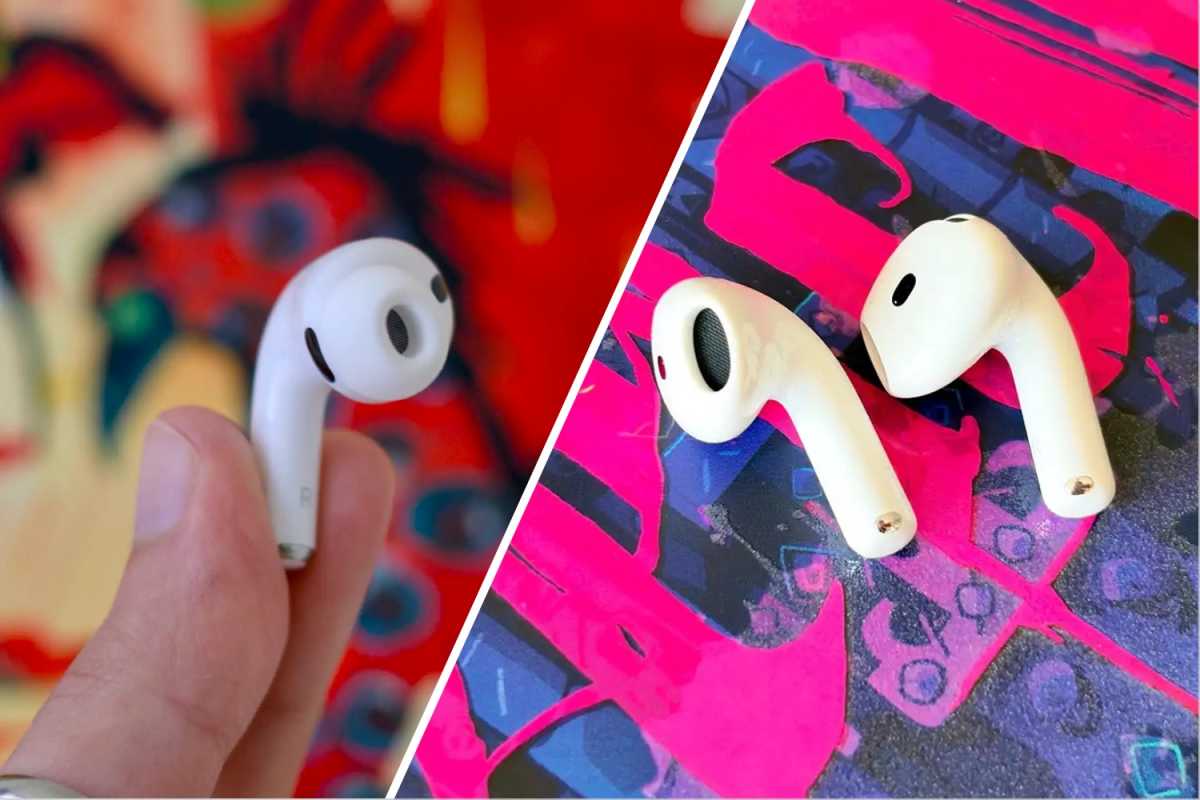
Like previous standard AirPods, they don’t use silicone ear tips. They sit in the ear without sealing the ear canal, which will be an important advantage for anyone who finds AirPods Pro uncomfortable or dislikes the isolated feeling of in-ear earbuds.
Noise cancellation is much improved. Apple says AirPods 5 remove up to 50 percent more external noise than AirPods 4 with ANC, thanks to a redesigned acoustic architecture and updated computational audio. Macworld also notes that Transparency mode has been improved and that Adaptive Audio can automatically blend ANC and Transparency according to your surroundings.
Sound has been upgraded too, with a new acoustic design and next-generation Adaptive EQ intended to improve performance across a wider range of ear shapes.
There are actually two AirPods 5 packages, but unlike the previous generation they don’t differ in whether ANC is included.
The $129 AirPods 5 come with a USB-C charging case. Apple rates these for up to four hours of listening with ANC enabled or six hours with noise control turned off, and up to 20 hours with the case when using ANC.
The $149 AirPods 5 with Wireless Charging Case are the more compelling option. They can charge over USB-C, with an Apple Watch charger or with a Qi charger, and the case includes a speaker for Find My. They also add volume adjustment by swiping the stem. Battery life rises to as much as five hours with ANC, seven hours with noise control off and 22 hours with the case when using ANC.
At only $20 more, we’d lean toward the Wireless Charging Case version unless you’re particularly keen to keep the price down.
Price comparison from over 24,000 stores worldwide
Best for: Apple users who specifically want premium over-ear headphones.
Buy AirPods Max 2 if: You want over-ear headphones, excellent sound and ANC, and particularly value AirPods integration with Apple devices.
Don’t buy AirPods Max 2 if: Price, weight or portability are important. AirPods Pro 3 offer many of the same AirPods features for less than half the price.
AirPods Max 2 are the choice for buyers who specifically want Apple’s over-ear headphones rather than earbuds.
Apple introduced AirPods Max 2 in March 2026, finally replacing the original AirPods Max with a model powered by the H2 chip. The change brought features including Adaptive Audio, Conversation Awareness, Voice Isolation and Live Translation to the AirPods Max line.
Sound quality remains excellent. Our review also rated the Active Noise Cancellation and Transparency mode among the model’s strongest attributes. Apple says ANC is up to 1.5 times more effective than on the previous generation.
They also support lossless and ultra-low-latency audio over USB-C.
But AirPods Max 2 still come with significant compromises. They weigh 13.6 ounces, and our reviewer found that weight noticeable when moving around. Apple also retained the controversial Smart Case and the unusual power-management system that means the headphones can’t simply be switched off manually.
Battery life is rated at up to 20 hours with ANC enabled.
And then there’s the price. AirPods Max 2 cost $549, making them more than twice the price of AirPods Pro 3. Our review consequently found them difficult to recommend despite their excellent sound, ANC and Apple ecosystem integration.
An open fit is more important than maximum noise isolation.
You want ANC but don’t need the Pro health features.
AirPods Pro 3 are better if…
You want Apple’s hearing-health features.
Strong noise cancellation is a priority.
You want longer battery life.
You want a more secure in-ear fit.
You want heart-rate sensing.
The difference between standard AirPods and AirPods Pro used to be straightforward: standard AirPods were cheaper and open-fitting, while the Pros added ANC and Apple’s more sophisticated listening modes.
With the AirPods 5, that distinction is less clear. Both AirPods 5 and AirPods Pro 3 use Apple’s H2 chip and support Active Noise Cancellation, Adaptive Audio, Transparency mode, Conversation Awareness, Voice Isolation and Personalized Spatial Audio.
The remaining differences are nevertheless significant.
Design and fit
AirPods 5 use an open-ear design and don’t use ear tips. AirPods Pro 3 sit more tightly in the ear canal and come with foam-infused silicone tips in five sizes. When we reviewed the AirPods Pro 3 we found the redesigned tips substantially improved comfort and security and kept the earbuds in place during strenuous exercise.
Choose AirPods 5 if you don’t like the plugged-ear sensation of silicone tips.
Choose AirPods Pro 3 if you want a tighter, more secure fit and better isolation.
Noise cancellation
AirPods 5 include Active Noise Cancellation as standard, unlike AirPods 4, which were sold with or without ANC. But their open-ear design means they approach noise reduction differently from the AirPods Pro 3.
AirPods Pro 3 use ear tips to create a seal in the ear canal, giving them a natural advantage when it comes to isolation. Apple says their ANC removes up to twice as much noise as AirPods Pro 2, and in our testing both noise cancellation and Transparency mode were improved over the previous generation.
AirPods 5 don’t create a seal, but their open-ear ANC is significantly more effective than before. Apple says they remove up to 50 percent more external noise than AirPods 4 with ANC.
AirPods 5 are the better choice if you dislike the feeling of a sealed in-ear fit.
AirPods Pro 3 remain the better choice if maximum noise reduction and isolation are your priorities.
Battery life
AirPods Pro 3 have a significant battery advantage. They last up to eight hours with ANC enabled and up to 24 hours including the charging case.
The $129 AirPods 5 manage up to four hours with ANC, while the $149 Wireless Charging Case version increases that to five hours.
That’s a substantial difference if you frequently use your AirPods for long journeys or extended listening sessions.
AirPods 5 = 4 hours battery life
AirPods 5 with Wireless Charging Case = 5 hours battery life
AirPods Pro 3 = 8 hours battery life
Health and hearing features
The AirPods Pro 3 include a heart-rate sensor that can measure your heart rate during workouts, and our reviewer found the results comparable to an Apple Watch during testing.
They also support Apple’s Hearing Test, Hearing Aid and Hearing Protection features.
Those features aren’t available on AirPods 5.
AirPods Pro 3 are also the obvious choice if Apple’s health features are important.
Price
The Pro model costs $100 more than the AirPods 5 with Wireless Charging Case and $120 more than the cheapest version.
The gap can shrink during sales. AirPods Pro 3 fell as low as $169 during Amazon Prime Day in June 2026, so it’s always worth checking the live price comparison before deciding.
AirPods 5 start at $129, or $149 with the Wireless Charging Case.
AirPods Pro 3 are $249.
Which AirPods 5 should you get?
Unlike AirPods 4, Apple doesn’t sell one AirPods 5 model with ANC and another without it. All AirPods 5 have Active Noise Cancellation.
Instead, the choice is between cases.
The $129 model has a USB-C charging case. It offers up to four hours of battery life with ANC and up to 20 hours including the case.
For $149, the Wireless Charging Case can also charge using an Apple Watch charger or Qi charger and includes a speaker for Find My. The earbuds in this package also support volume adjustment by swiping the stems. Battery life increases to five hours with ANC and 22 hours with the case.
Our recommendation: Buy the version with wireless charging case – given the relatively small $20 difference, the $149 version is the better buy for most people.
Should you buy older AirPods?
We’d generally recommend buying the latest generation rather than deliberately seeking out older AirPods because there is a considerable gap between the different generations.
Should you buy AirPods 4?
AirPods 5 start at the same $129 MSRP previously charged for AirPods 4 without ANC, but now include ANC as standard, along with improved noise cancellation and sound quality.
That makes AirPods 4 difficult to recommend unless you find them at a substantial clearance discount. They dropped to $99 during Prime Day 2026, but with AirPods 5 now available at $129, we’d want to see them priced noticeably lower than that.
Our recommendation: Only buy AirPods 4 at a steep discount.
AirPods Pro 2 remain capable earbuds, but AirPods Pro 3 improve the fit, noise cancellation and battery life, while adding heart-rate sensing.
If you find AirPods Pro 2 at a heavy discount, they can still make sense. But the closer their price gets to a discounted pair of AirPods Pro 3, the harder they are to recommend.
Our recommendation: Only buy AirPods Pro 2 at a significant discount and if you don’t need heart-rate sensing.
We recommend: Apple AirPods Pro (2nd generation)
Should you buy the original AirPods Max?
AirPods Max 2 retain many aspects of the original design but add the H2 chip, which enables Adaptive Audio, Conversation Awareness, Voice Isolation and Live Translation. ANC has also been improved.
If you’re going to spend close to AirPods Max money, the second-generation model is therefore the one to get.
Our recommendation: Only buy if the discount is substantial.
We recommend: Apple AirPods Max (USB-C, 2024)
FAQ
1.
What’s the difference between AirPods and AirPods Pro?
The biggest difference is fit. AirPods 5 use an open-ear design, while AirPods Pro 3 use foam-infused silicone tips that seal the ear canal.
Both now have Active Noise Cancellation, Adaptive Audio, Transparency mode and Conversation Awareness. AirPods Pro 3 nevertheless offer stronger isolation, longer ANC battery life and exclusive features including heart-rate sensing, Hearing Test, Hearing Aid and Hearing Protection.
AirPods 5 start at $129; AirPods Pro 3 cost $249.
2.
Do AirPods work with Macs and iPads?
Yes. AirPods work particularly well with Apple devices.
Once your AirPods are paired, they can automatically connect to devices associated with your Apple account, and Automatic Device Switching can move playback between devices depending on what you’re using.
Apple lists current versions of macOS and iPadOS among the supported platforms for AirPods 5, AirPods Pro 3 and AirPods Max 2.
3.
Can you use AirPods with non-Apple devices?
Yes. AirPods are Bluetooth headphones and can be used with non-Apple hardware.
Apple also explicitly states that current AirPods can be used as Bluetooth headphones with non-Apple devices, although some functionality may be limited.
The main reason to use AirPods with Apple hardware is therefore the deeper ecosystem integration rather than basic Bluetooth compatibility.
4.
Do AirPods have Find My?
Yes, but the capabilities depend on the model and case.
AirPods can be located through Apple’s Find My system. The $149 AirPods 5 Wireless Charging Case includes a speaker for Find My alerts, while the standard $129 USB-C case does not. AirPods Pro 3 also include a speaker in their MagSafe charging case.
Find My support is useful not just for locating misplaced AirPods but also when checking whether a suspicious pair of AirPods behaves as genuine Apple hardware. See our guide to spotting fake AirPods for more advice.
5.
Are AirPods waterproof?
No. AirPods aren’t “waterproof”, but they do offer some water resistance.
AirPods 5 are rated IP57 for dust, sweat and water resistance. AirPods Pro 3 and their charging case are also rated IP57.
That makes them suitable for exercise and provides protection against water exposure, but water resistance isn’t the same thing as waterproofing and shouldn’t be taken as an invitation to use them for swimming.
AirPods Max 2 don’t have a water-resistance rating.

 Login