A late, late addition to the 2026 F1 calendar after the Bahrain and Saudi Arabian Grands Prix had to be cancelled due to the US and Israel's military campaigns across the middle east, this eerie edition of the race is instead being staged at Sepang International Circuit, which was home to the Malaysian Grand Prix from 1999 to 2017.
Find out as we show you how to watch Bahrain Grand Prix live streams for free from anywhere in the world.
Friday, 2nd October 5.30am – Practice 1 9am – Practice 2
Saturday, 3rd October 5.30am – Practice 3 9am – Qualifying
Sunday, 4th October 8am – Bahrain Grand Prix
Bahrain Grand Prix 2026 Preview
Despite being held more than 6,000km away from Sakhir, in Kuala Lumpur, the race has retained its original branding because it's still being largely funded by the Bahraini government. Nothing to see here. In the words of the dog from that meme, "Everything is fine."
Contributing to the sense of weirdness is the sublime form of George Russell. He cut the gap to Kimi Antonelli from 81 to 66 points last weekend by delivering his best display of the season. The Mercedes man took pole and led every lap in Baku, whereas Antonelli had to recover from 16th to fifth after crashing in Qualifying.
Sepang, fortunately for the FIA, is a superb track, made all the more promising because it's brand new ground for 12 of the drivers on the grid. Sepang is hot and humid, the circuit's long straights, heavy-braking sections and flowing corners present a setup dilemma, and the weather can change in an instant.
The last edition of the Malaysian GP in 2017 marked a fresh-faced Max Verstappen's second ever victory in F1. He'd just turned 20, and nine years later the Red Bull man has a further 69 Grand Prix victories and four world titles under his belt. Can he pick up his first Grand Prix of the season here?
Below we'll show you how to watch Bahrain Grand Prix live streams from anywhere in the world.
Watch Bahrain Grand Prix 2026 live from anywhere
Most F1 live streams are location-sensitive, which means you won't be able to access your preferred coverage when travelling abroad. A VPN (Virtual Private Network) is a straightforward but powerful app that lets you alter your virtual location and thus unblock any Bahrain GP stream – including the free coverage in Austria, Luxembourg and Belgium.
NordVPN is our pick of the best VPN services. It's affordable, fast, stable and easy to use. Try it risk-free for 30 days and see for yourself.
NordVPN offers a 30-day money-back guarantee with its VPN service.
🔓 Unlocks Apple TV+ / Sky Sports 💰 £2.59/month 🆓 3 months extra free
Get NordVPN now to unlock Bahrain GP streams from anywhere.VIEW DEAL ON
How to use a VPN for any Bahrain GP live stream
1. Sign up to the VPN of your choice. NordVPN is the one we recommend.
2. Open the VPNapp and choose the location of the service you wish to access. For the F1, you may wish to choose Austria for Servus TV.
3. Head over toServus TV on your browser or device and enjoy the free Bahrain Grand Prix live stream.
How to watch Bahrain Grand Prix 2026 in 4K Ultra HD in the UK
In the UK, you can watch the Bahrain Grand Prix, along with every F1 race, in 4K via Sky Q, Sky Glass and Sky Stream packs. You'll need to subscribe to an Ultra HD package and have a 4K TV.
Head over to the Sky Sports F1 Ultra HD channel to watch every race, qualifying and practice in 4K and HDR.
F1 TV Pro includes live HD coverage of every F1 practice, qualifier and race. No ad breaks.
F1 TV Pro is available in over 188 countries – but not the UK (you can use the basic 'Access' version for live timings but you can't watch any races live). F1 TV Premium is available in the US.
F1 TV Pro is available via the F1 TV website, iOS/Android apps, Roku TV, Apple TV, Android TV, Google TV and other mobile devices.
Latest F1 TV Pro prices:
F1 TV Pro in India – $3.99/month (cheapest)
F1 TV Pro in South Africa – $4.99/month
F1 TV Pro in Brazil – $5.99/month
F1 TV Pro in Netherlands – €11.90/month
F1 TV Pro in USA – $10.99/month
F1 TV Pro in Mexico – $129/month
Watch Bahrain Grand Prix 2026 live streams in the USA
(Image credit: Sam Bloxham/LAT Images via Getty Images)
In the USA, Apple TV is showing the Bahrain Grand Prix – and practice sessions are free-to-air all season.
A subscription costs $14.99 per month after a 7-day FREE trial, though better deals are available to Apple customers.
Buying an eligible Apple device, including select iPhone, iPad, Apple TV and Mac models, gets you free Apple TV access for three months.
Apple One, which bundles Apple TV with Apple Music, Apple Arcade and 50GB of iCloud Storage, starts at $19.95 per month after a 1-month free trial.
Alternatively, for a limited time the Apple Music Student Subscription includes Apple TV, and costs $6 per month.
Watch Bahrain Grand Prix 2026 live streams in Australia
Fox Sports has the rights to show every live F1 race in Australia. That means Foxtel and Kayo Sports subscribers get a front-row seat to the Bahrain GP too.
Kayo offers new customers a FREE 7-day trial to test the waters, after which it starts at AU$29.99 a month for the base Standard tier. For up to 4K video quality and simultaneous streaming on up to two devices, you'll need the Kayo Premium plan for AU$45.99 a month.
Subscribers can also stream the action via Foxtel Now by adding the Sports package ($30 a month).
10Play shows free highlights of every 2026 F1 race.
Bahrain Grand Prix 2026: Start Times Around The World
VPN services are evaluated and tested by us in view of legal recreational use. For example:a) Access to services from other countries, (subject to the terms and conditions of that service).b) Safeguarding your online security and making your online privacy more robust when abroad.Future plc does not support nor condone the illegal or malicious use of VPN services. We do not endorse nor approve of consuming pirated content that is paid-for.
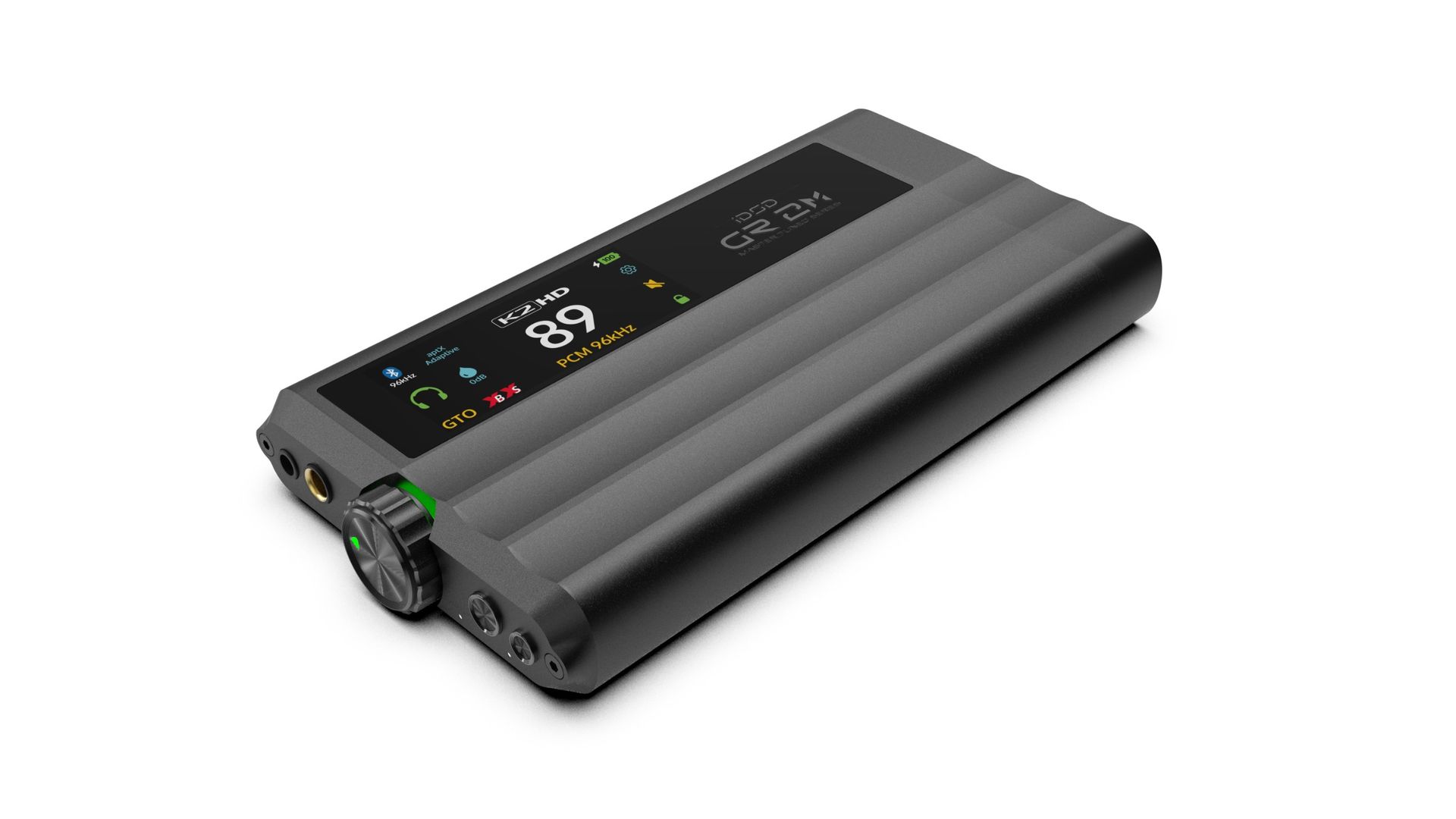
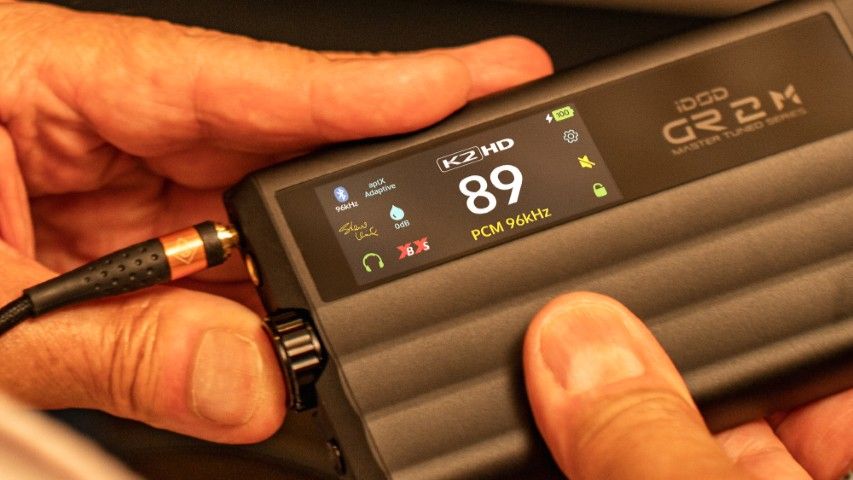
iFi has launched a special edition of its premium iDSD GR 2 DAC and headphone amplifier, the GR 2 MT.
The new DAC has been launched in collaboration with Steve Levine, a Brit Award-winning producer who has worked with the likes of the Beach Boys, Motörhead and Culture Club during his extensive career.
As with its predecessor, at the core of the new iDSD GR2 MT is a Burr-Brown PCM1795 DAC chip working alongside K2HD Technology, a harmonic restoration algorithm built to bring recordings nearer to their original character by “reintroducing subtle detail” and restoring musical tone.
So what’s the difference between this special edition DAC and its standard counterpart? For a start, the GR 2 MT uses a hydrocarbon ceramic circuit board in pursuit of “near-zero signal loss”, an upgrade over the fibreglass cloth and epoxy resin board of the original.
The new model also features “audiophile-grade” tantalum resistors as part of its DAC stage, and uses ‘Audio Note Kaesei’ capacitors as opposed to more standard electrolytic units.
The GR2 MT also comes loaded with two Levine-tuned digital filters which aim to deliver the “balance and emotional potency” of the original record.
(Image credit: iFi)
As before, iFi’s special edition DAC sports a ridged aluminium chassis adorned with an OLED touchscreen and topped with a metal control knob, with the rear side of the "Master Tuned" unit now adorned with Levine's signature.
For physical connections, it features balanced 4.4mm and single-ended 3.5mm inputs and outputs, as well as a USB-C input alongside a combined optical/coaxial input.
For wireless listening, you can also accept a signal from a Bluetooth (5.4) source, with higher codec support coming in aptX Lossless, aptX Adaptive and LDAC flavours.
According to Steve Levine himself: “The goal of any producer is to document the authenticity and emotion behind the artist’s performance. I have voiced the iDSD GR2 MT with this same goal in mind, and I hope you feel that when you listen.”
The iFi iDSD GR 2 MT is available now, priced at £699 / $699 / €729, a reasonable advance on the £529 / $529 / AU$849 of the standard iDSD GR 2 we reviewed recently.
The first play is a big moment for any turntable. You've agonised over exactly which model to buy, possibly lugged it home from the shops, taken time to set it up properly and now, finally, is its time to shine.
But what do you play on it?
It's a big decision, as chances are, this performance will live long in the memory. Get it right, and your new deck will be off to a flying start. Choose a dud, and it could taint everything you play on it subsequently.
Do you go for a well known classic from a band like The Beatles? Something more obscure that only you know and love? A track that brings back memories of a certain time in your life? Or something modern that you've been loving of late, to see how the sound compares to how you've previously been enjoying it?
Whatever you go for, it's not a decision to take lightly.
If you can't make up your mind, we've got plenty of lists of test tracks for your system, from acoustic tracks and movie scores to those by artists like Radiohead and Nick Cave. But that's us. For this month's Ask The Reader, we want to know what you choose.
You can tell us about your favourite first-play tracks in the comments below, on our forum, or on our social media channels. We'll put them all together in a follow-up article so you can see your fellow readers' picks. So let us know!
Every hi-fi fan has an origin story. Unlike comics, most may not start with a planet exploding or a radioactive spider bite, but in our experience, they’re still always interesting.
Whether it’s a specific product, album or concert, we all remember the first time we heard “good sound” and started our never-ending quest for audio nirvana, and it's a fun story to share, especially amongst fellow enthusiasts.
After a month, your responses have come flooding back, and while a few brands pop up on more than one occasion, for the most part it was a free-for-all where every story was unique.
Glorious audio chaos
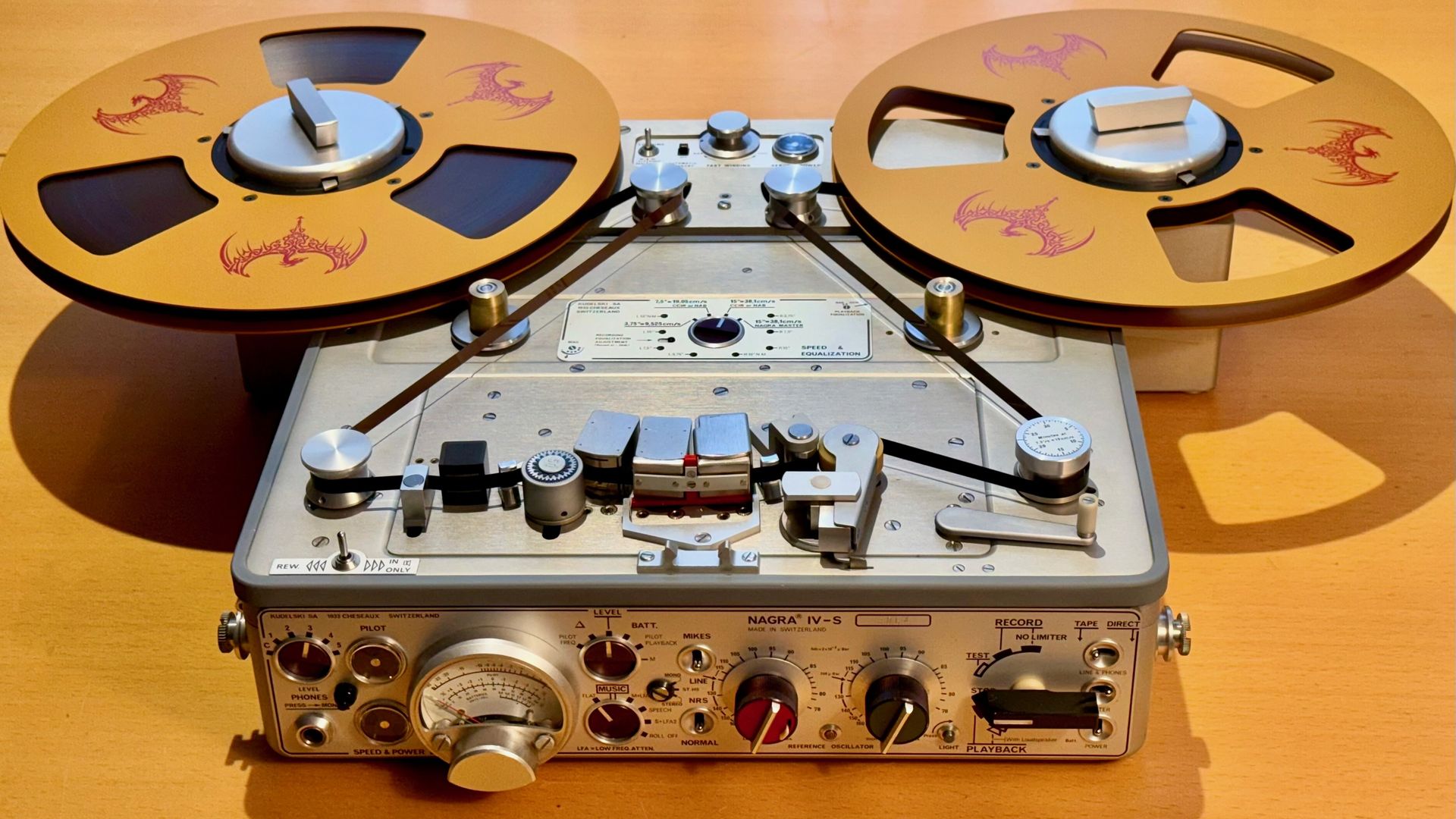
(Image credit: Chasing The Dragon)
The only real theme we got from reading your replies is that there is no one common starting point.
For starters, despite us asking “which product” got you started, a number of you still went one step back, replying with the piece of music or album that made you want better hardware. Including onsite commenter Ivan Harrison, who bluntly stated, “Dark Side Of The Moon.”
Editor’s Note:To be fair, it’s a great Pink Floyd album. Not as good as In The Court Of The Crimson King, by King Crimson, or Close To The Edge, by Yes, though, at least in my (and most of your) humble opinion.
Even among the people who replied with the product that started it all, there was a disparity, and more than a few unique tales, about custom hardware, Cold War smuggling and more. Take, for example, Jan Sejvl's story:
“A German tourist brought for me through the Iron Curtain to Czechoslovakia my first real hi-fi gear in the 80s. Gigantic Toshiba receiver with Dual CS 1246 turntable. Loudspeakers, I made at home with [the] help of my friend. The first tones of Queen’s Radio Ga Ga through this system was the very start of a never-ending search for something better. I have to admit I have never [had] such [a] feeling of happiness as I did at that moment in the past.”
And DIY seems to have been a theme for many of our older readers, with more than a few mentioning soldering their own amps out of old motherboards.
“This would probably take me back to a 3-inch reel-to-reel made by GE; I was 11 years old when I got it. That machine made me start to appreciate music. Then when I was 14, I got a 1970 Montgomery Ward's Airline AM/FM Cassette home stereo for Christmas; that was a huge improvement in sound... for me.”
Hand-me-downs were another common theme in your responses, which included a particularly nice one from reader Roony Muck, who said:
“During high school, my friend's parents divorced, and during the aftermath clean-out, his mom gave me a ’70s-era classic Marantz stereo receiver. That, paired with my dad's hand-me-down Celestion Ditton 15s, at the age of 15, was my bar for listening to my music on vinyl and CD. The combination of a warm and expansive amp and tight, accurate and clear Dittons was striking to me at an early age. In my late 20s, I had to travel across the country and gave my Marantz and Dittons to another 15-year-old... Seemed the right thing to do.”
Our hot take
(Image credit: Future)
A love of music and the desire to have the hardware necessary to do it justice can start at any moment. That’s clear from your replies and the diverse origin stories you’ll find among the What Hi-Fi? team – which range from “oh wow” moments hearing classic prog for the first time, to the first speakers that blew our minds sonically. The only thing we’re certain of is that, as we detailed in a previous Ask the Reader column, once you start, it’s very hard to stop!
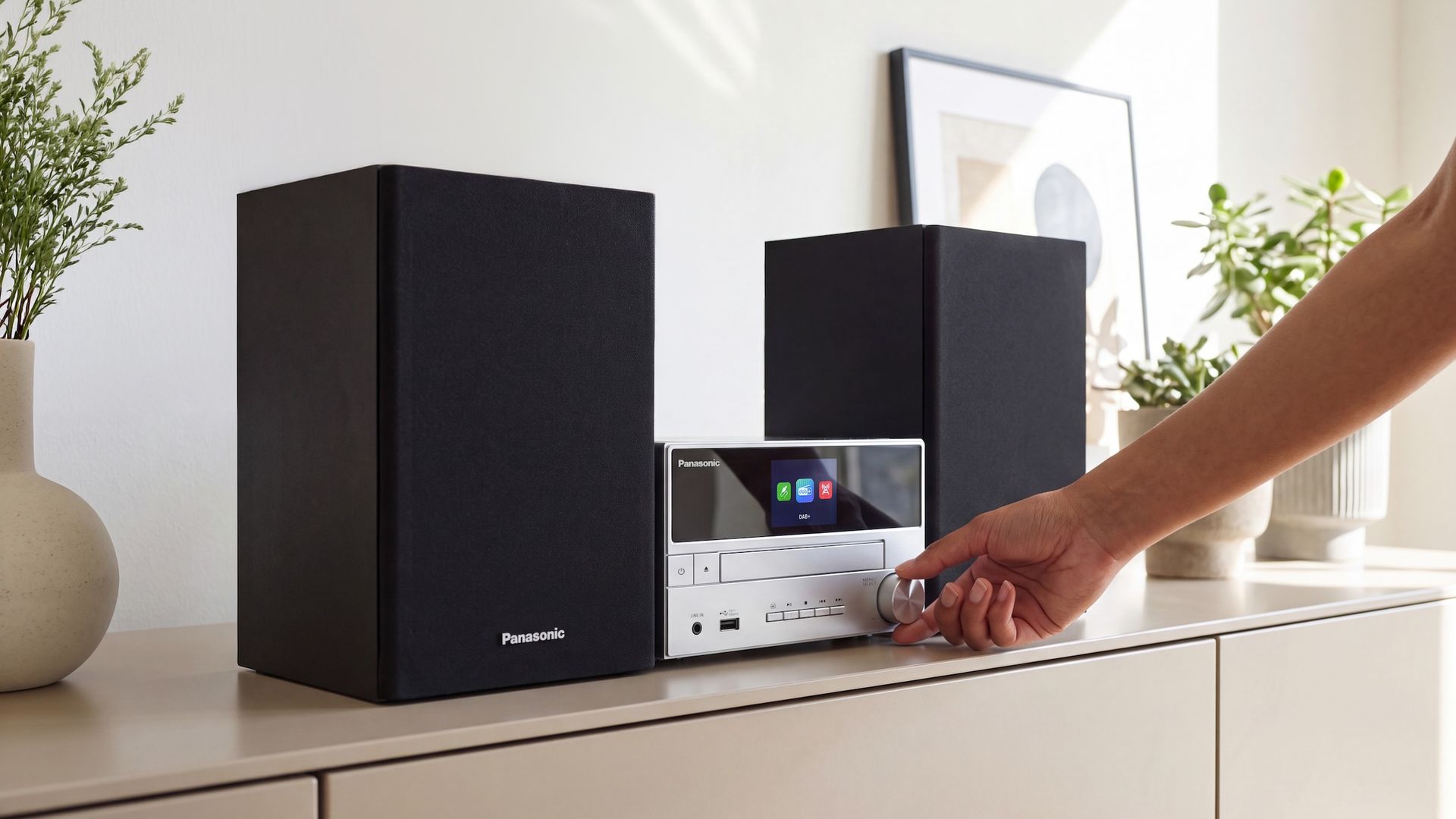
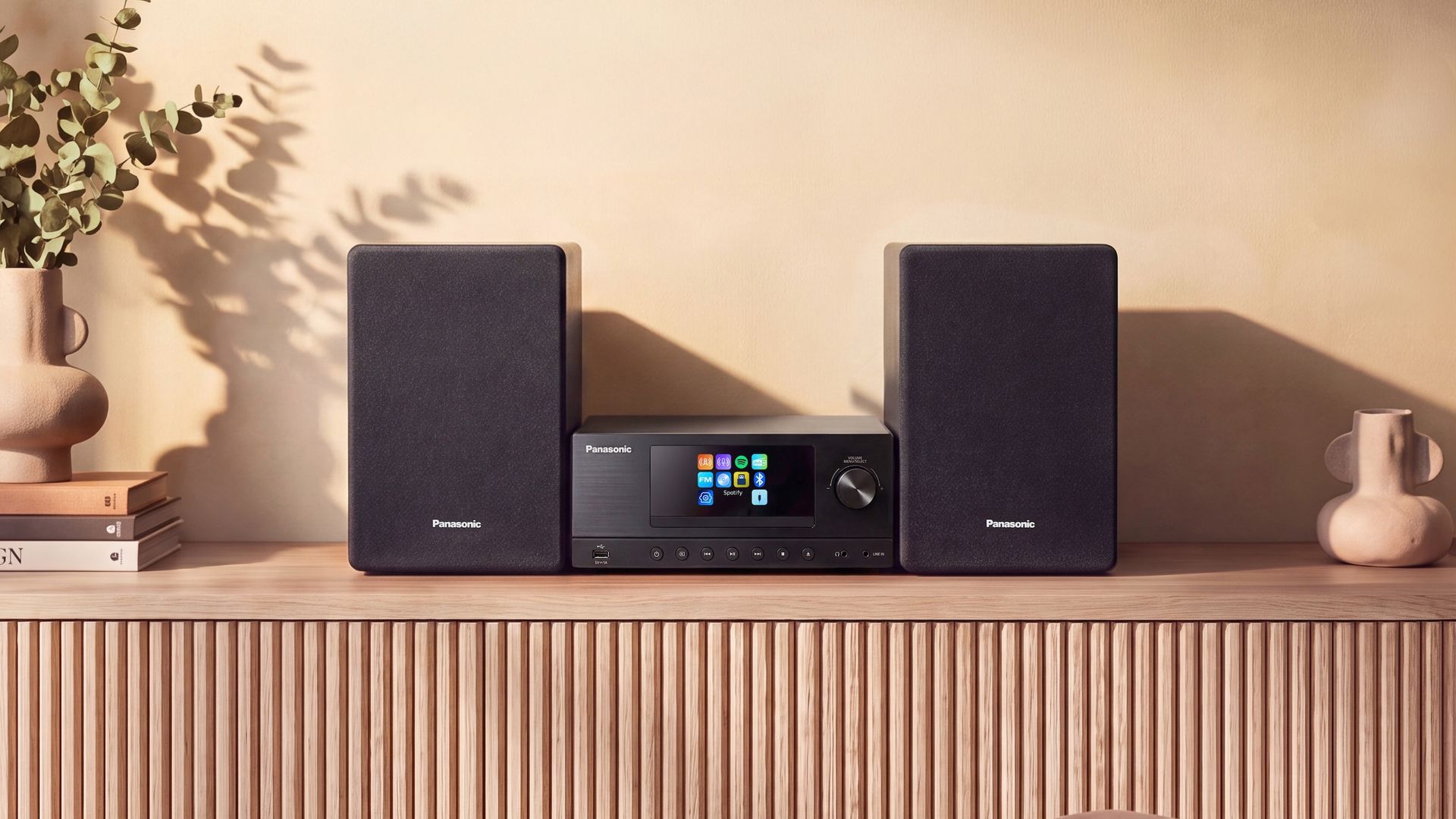
Panasonic has taken the wraps off two new micro hi-fi systems – one for bigger rooms and budgets, and a smaller, more affordable option.
The SC-PMX112 is the bigger of the two, packing 180W of power from its 13cm full-range drivers, as well as internet radio, Spotify Connect compatibility and a range of digital and physical inputs.
The combination of drivers, dedicated tweeters and bass reflex ports promises "clear vocals, detailed high frequencies and powerful bass". You can also choose from five presets on the EQ, if you want a different sound profile.
The wooden speaker cabinets might suggest a retro approach, but the system has dual-band wi-fi, with compatibility with Spotify Connect and internet radio. There's also Bluetooth for more localised wireless playback, DAB+ and FM radio, and it plays CDs and files via USB. You can also hook up other devices via an optical input and 3.5mm line input, plus there are outputs for a subwoofer and a pair of wired headphones, both of which will widen your listening options.
(Image credit: Panasonic)
The smaller SC-PM302 offers 60W RMS stereo sound, with the same CD and USB playback alongside Bluetooth, DAB+ and FM radio. It still has an optical in and line in, but lacks the headphone and subwoofer outputs of its bigger brother.
It has 10 cm full-range speakers and wooden-cabinet housing. Its colour TFT display is a little smaller than its stablemate's (2.4 inches to 2.8 inches). Both systems come with a remote control.
Both ship this month – they're currently listed as 'coming soon' on the Panasonic website. The SC-PMX112 costs £270 (around $350 / AU$500) and the SC-PM302 £120 (around $160 / AU$230).
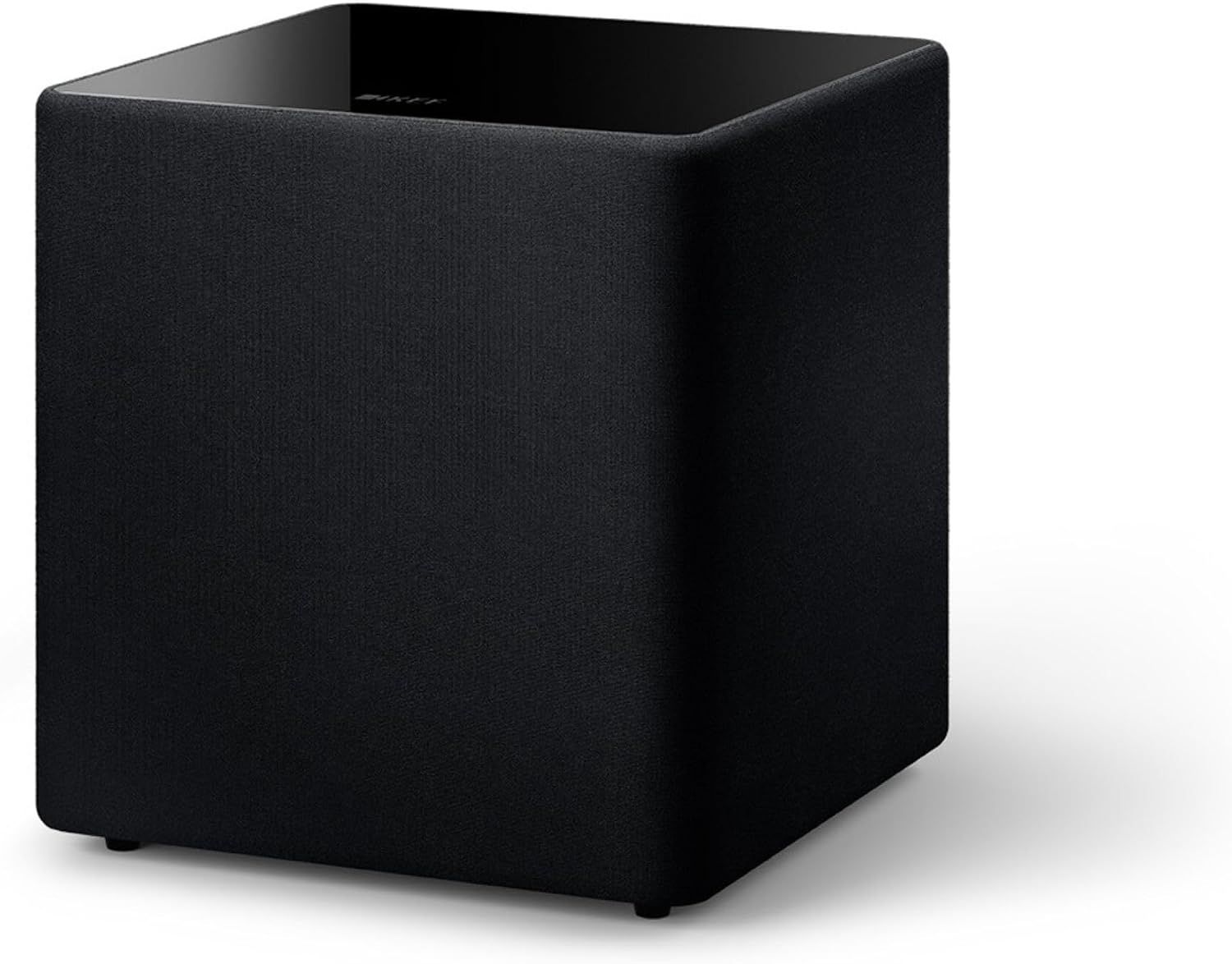
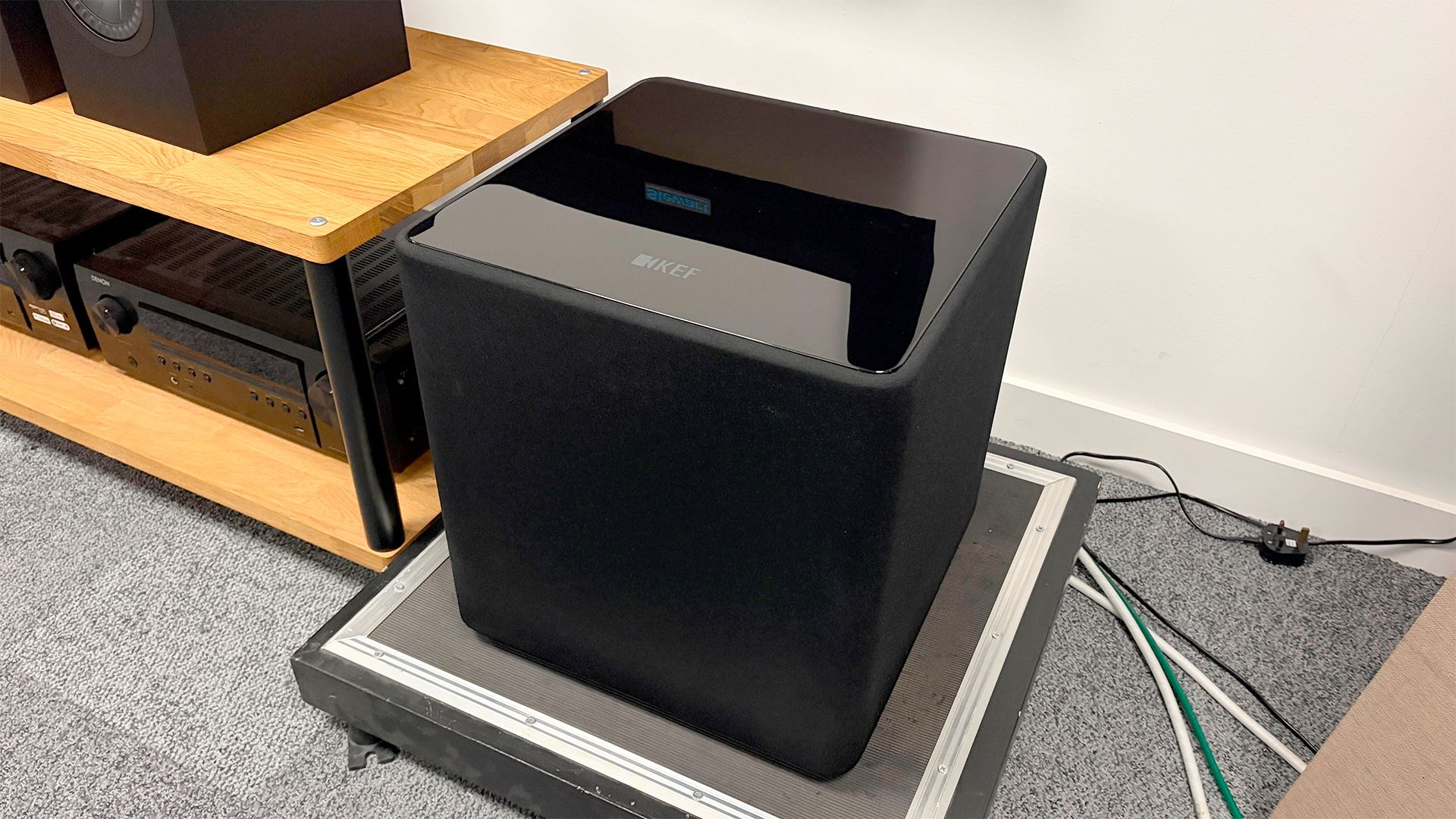
Then you want a serious subwoofer. The KEF Kube 12 MIE requires ample space, but it rewards you with a truly cinematic performance.
And the best part? The Kube 12 MIE is currently on sale. The superb sub can now be picked up for £599 at Peter Tyson – that's a 25 per cent discount.
You also get a Fell Audio 3-metre subwoofer cable included absolutely free!
The KEF Kube 12 MIE provides a muscular, rich and agile presentation. If you're putting together a 5.1 system, this sturdy sub is highly recommended with 25 per cent off. Deal also at Amazon, KEF and Richer SoundsView Deal
We've not reviewed the KEF Kube 12 MIE independently, but we have tested it as part of the Award-winning KEF Q Concerto Meta 5.1 speaker system.
In case you couldn't tell from the five-star rating and Award, we are big fans of that system, including how it handles bass.
"The explosion towards the start of this sequence is delivered with a hefty dose of low-end punch, and the subwoofer delivers its gut-punch of low end while remaining in total control," our KEF Q Concerto Meta 5.1 speaker system review reads.
"There’s no flabby or waffly bass here, and while the Bowers & Wilkins 606/607 S3’s subwoofer is a touch more tuneful, the KEF Kube 12 MIE delivers a powerful and dynamic low-end kick."
It's hardly surprising – this is a 12-inch front-firing subwoofer powered by 300W of Class D amplification.
It's housed in a sealed cabinet design, which offers greater placement flexibility. It even has a room-position EQ switch on the rear to adjust the sound depending on whether you place the subwoofer in a corner, out in the room, or in a wall alcove or cabinet.
As we've alluded to above, the Kube 12 MIE's size is a tad unwieldy at 41 x 39 x 41cm (hwd) and with a weight of 18.6kg. This won't suit all setups, but the talented sub is well worth it if you have the space.
The KEF Kube 12 MIE is controlled, dynamic and punchy. If you need a subwoofer to underpin your system with a dose of weighty bass, the Kube 12 MIE is an excellent choice with 25 per cent off at Peter Tyson.
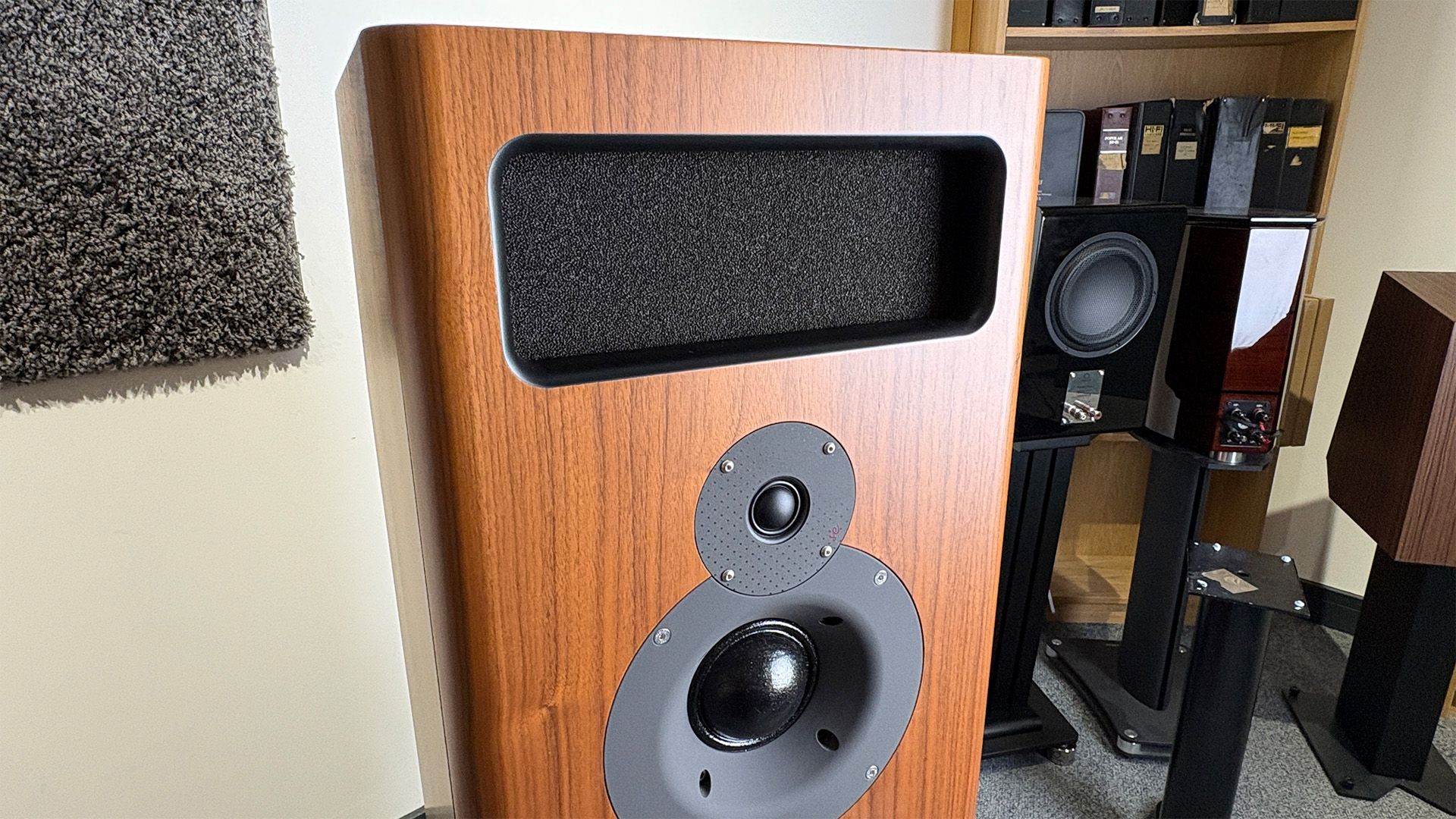
Studio monitoring speakers sit at the very core of PMC’s DNA. The letters PMC are an initialism for Professional Monitoring Company, after all. The brand’s earliest products were aimed at the pro world, with the original MB1 monitor being introduced in 1993, just a couple of years after the company was founded.
More than three decades on, the current PMC MB2 SE mirrors that early monitor’s formula right down to its brutal appearance, formidable cabinet size and drive unit array. Of course, PMC hasn’t been idle over those decades, with the current design featuring improved ingredients across the board that take in everything the brand has learnt over the years.
Design & build
(Image credit: What Hi-Fi?)
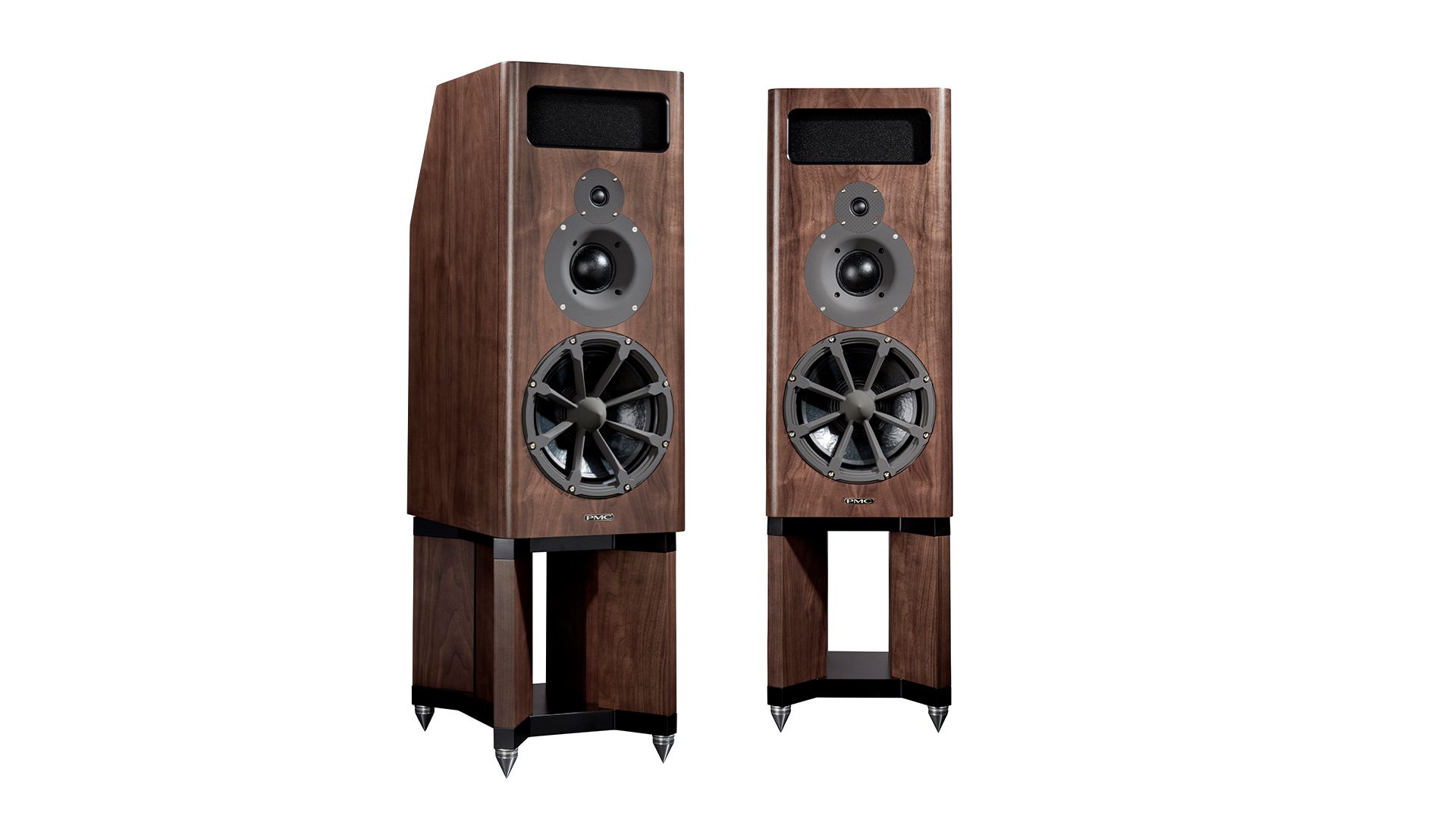
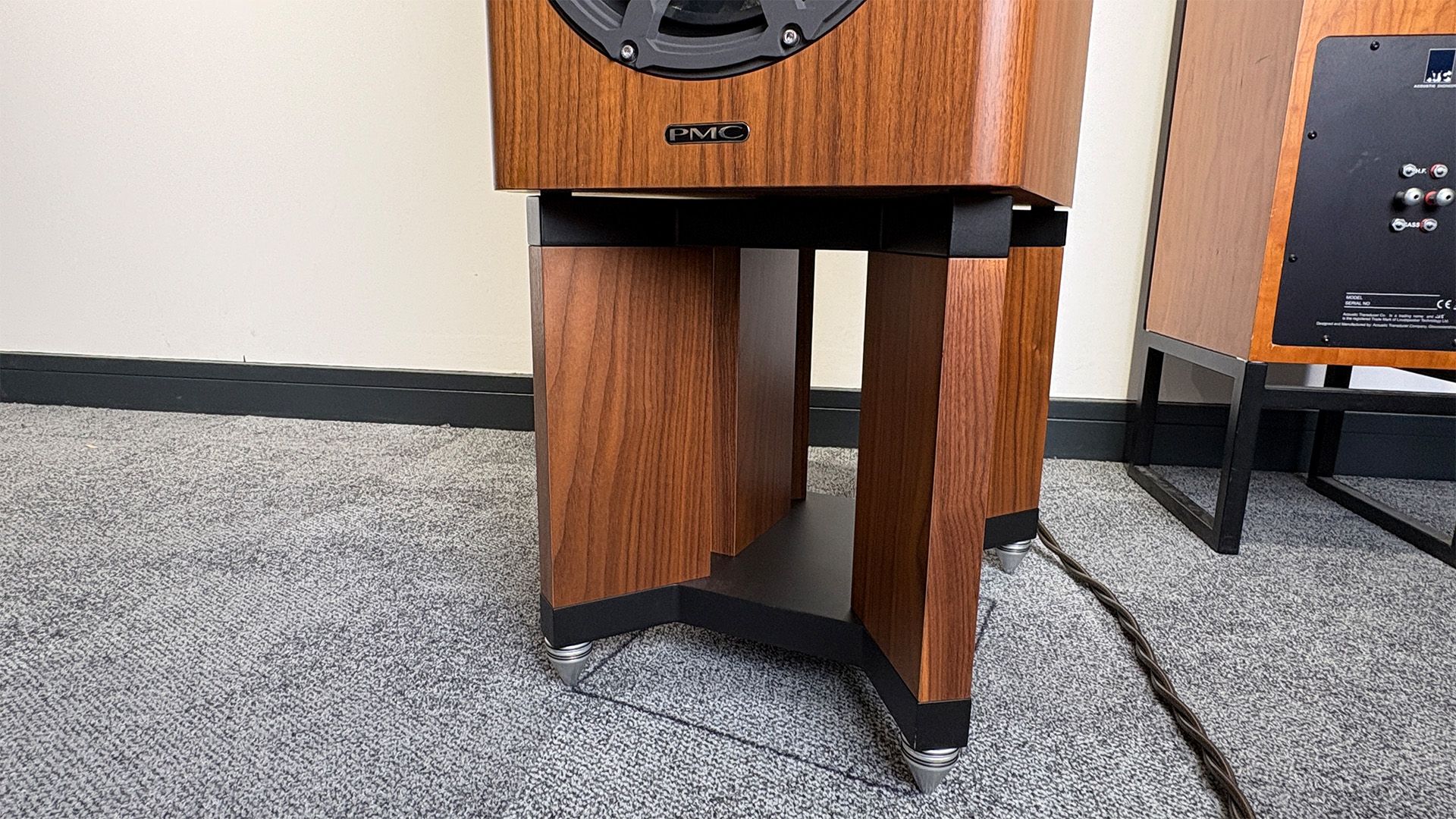
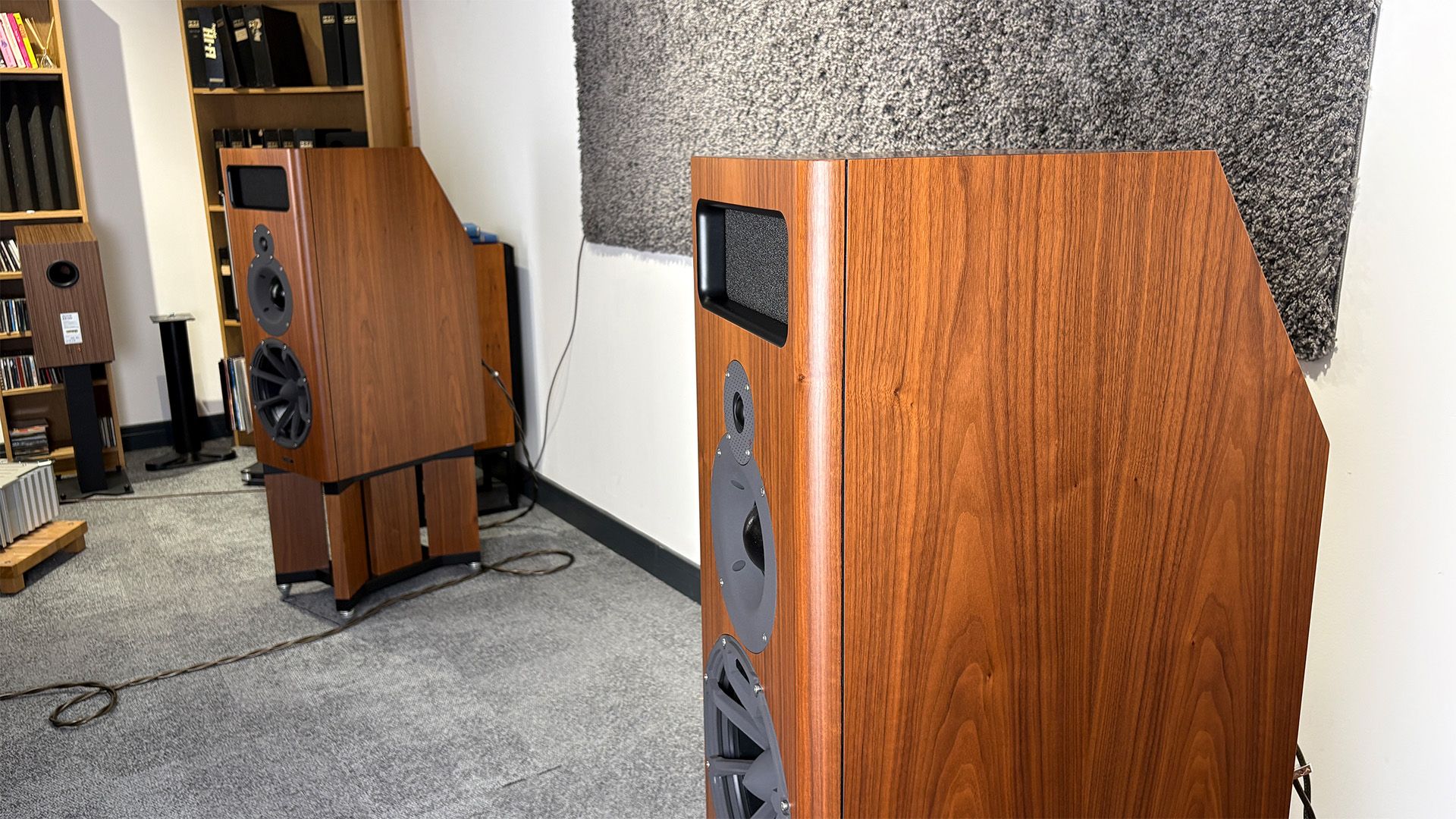
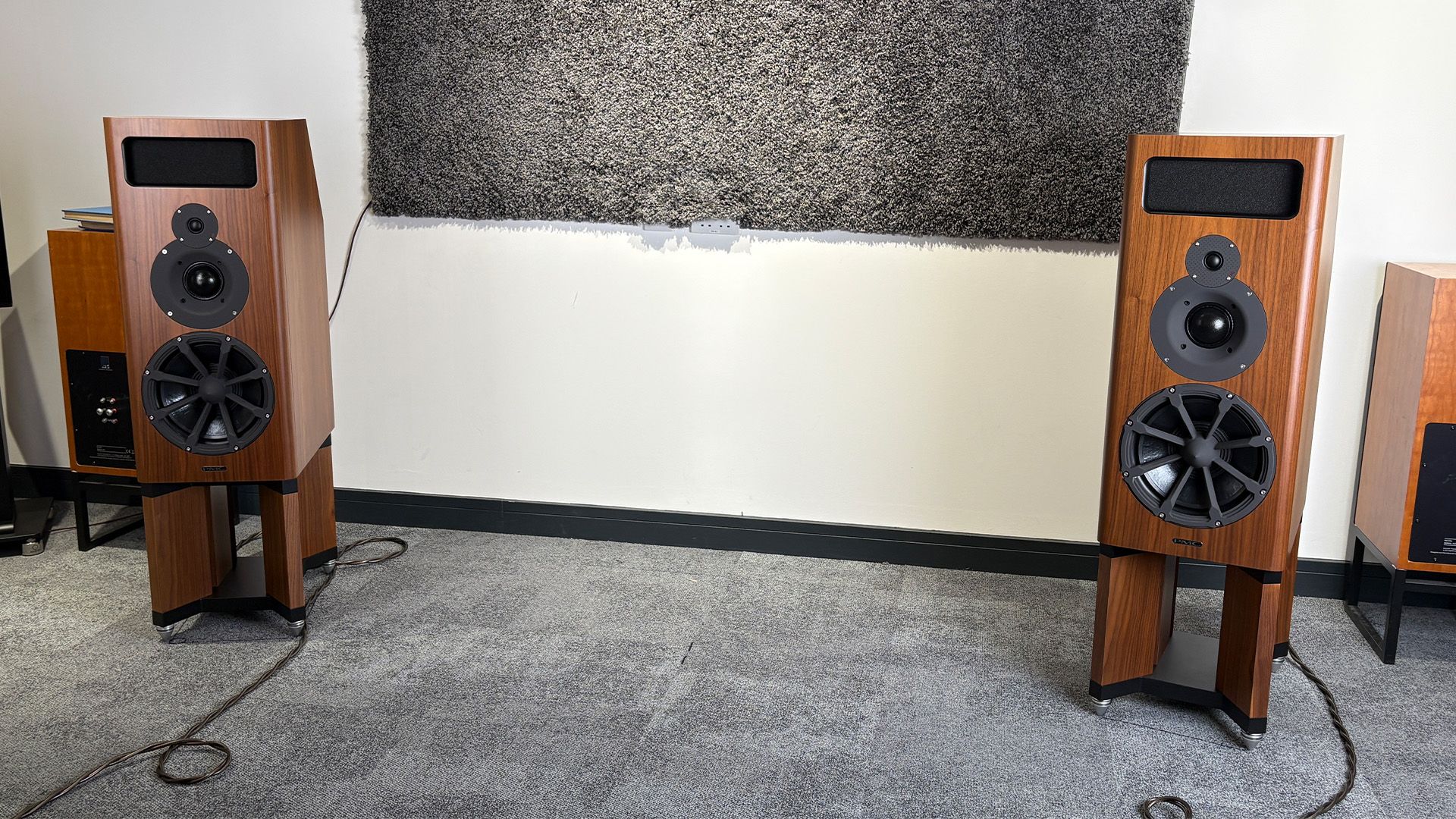
Technically, the PMC MB2 SE is a standmount design, but at 87cm tall it is not that much shorter than many of the floorstanders that pass through our test room. Make no mistake, this is a huge speaker, measuring 38cm wide and over half a metre deep.
A single MB2 SE is as visually obtrusive as a washing machine, and you need two of them for stereo, of course. Those with modestly-sized listening rooms need not apply.
(Image credit: PMC)
Type Standmounts
Drive units 27mm Sonolex soft dome tweeter, 75mm soft dome midrange, 31cm Radial bass
Ported? No, transmission line
Bi-wire? Tri-wire
Impedance 8 ohms
Sensitivity 90dB
Dimensions (hwd) 87 x 38 x 53.5cm
Weight 58kg
Finishes x 4 (Grand Walnut, Amarone, Natural Oak, Jet Black)
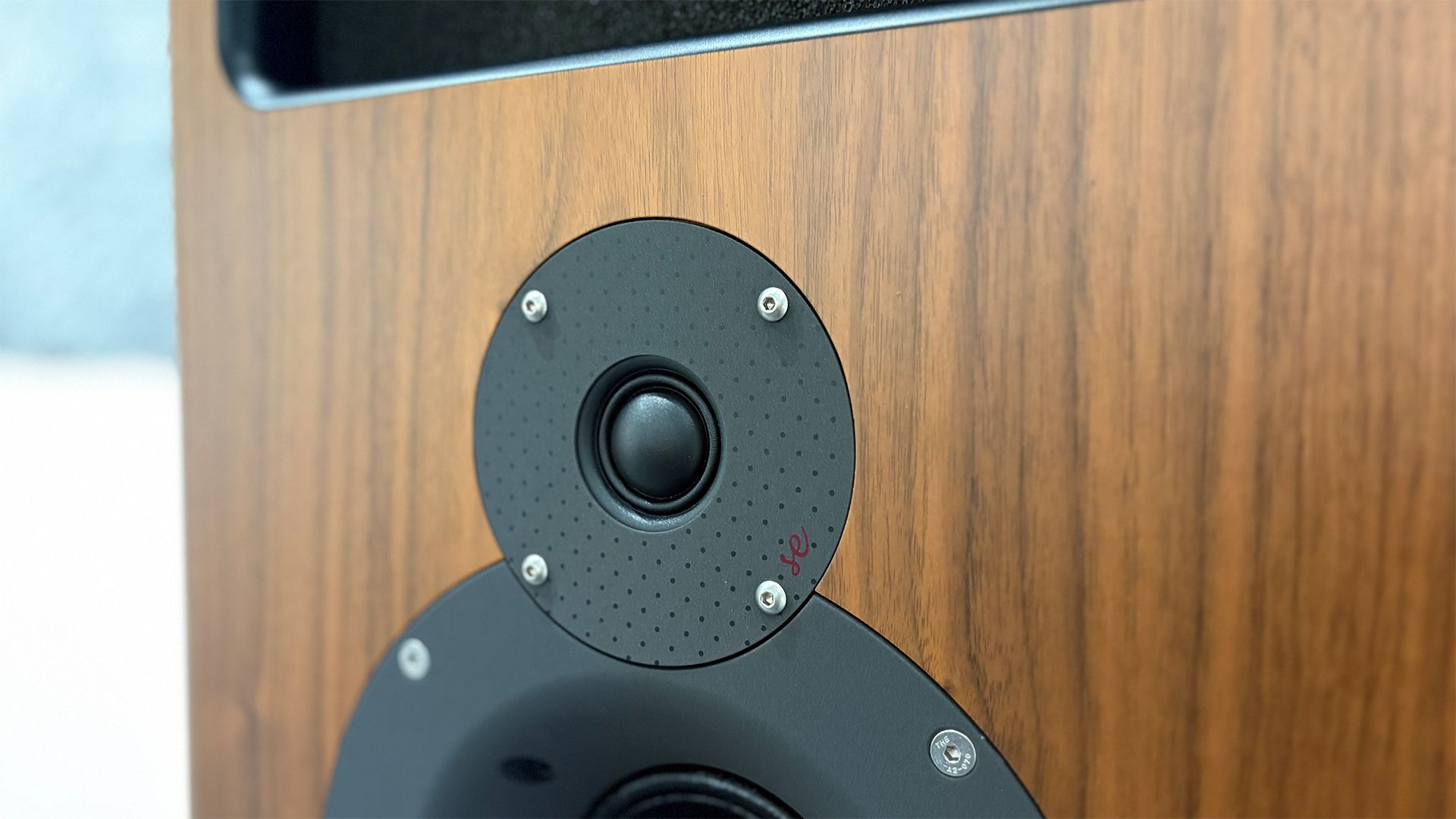
The MB2 SE is a three-way design. It combines a 27mm Sonolex soft-dome tweeter, a 75mm doped-linen dome midrange, and a rather distinctive 31cm Radial doped-paper bass driver, with crossover points set at 3.8kHz and 380Hz. Connection is made via three sets of chunky binding posts.
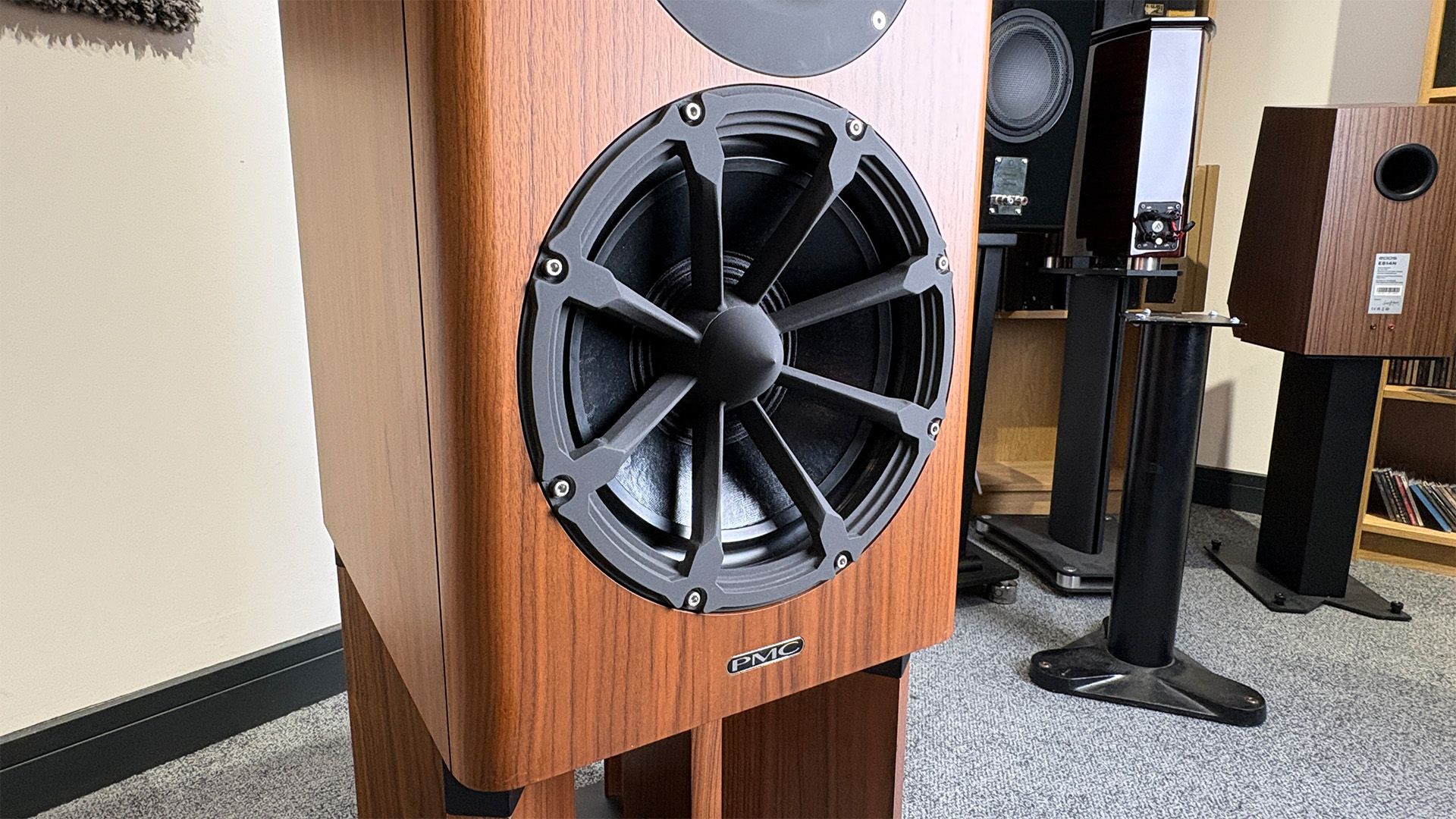
Those spokes in front of the bass cone aren’t just there to look impressive. They serve to dissipate heat generated in the motor system when working at high volume levels with bass-heavy source material.
We suspect such considerations are unnecessary for normal domestic use. But it is nice to know the speakers can cope if you go nuts with the volume level during a spirited listening session.
(Image credit: What Hi-Fi?)
The use of transmission-line bass loading has been baked into PMC’s products from the beginning, so it is no surprise to see the technique used here. The company has long promoted this configuration to be the most effective way to achieve clean, low-distortion bass output from a box speaker.
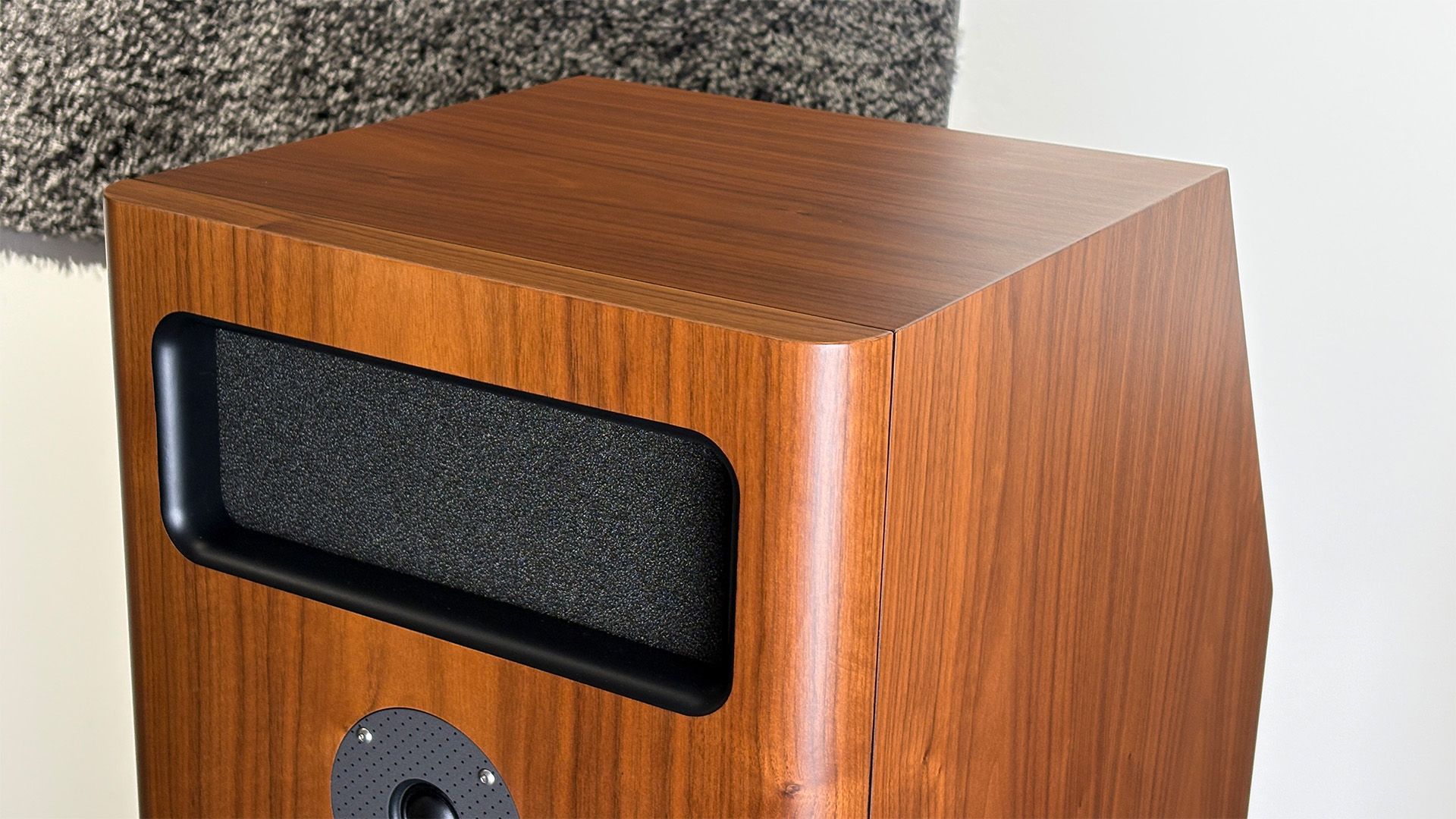
The rear-firing output from the MB2 SE’s bass unit travels down a folded, carefully damped path inside the cabinet. As this signal passes through, most of the sound gets absorbed, leaving only the lowest frequencies to emerge from the substantial vent at the top of the front baffle.
Importantly, this low-frequency sound is in phase with the bass unit’s forward output, and if properly tuned, fills in below the point where the woofer starts to tail off. The transmission line inside the MB2 SE has an effective length of 3m.
A further advantage of such a design is that it adds internal bracing inside the enclosure, making the structure impressively rigid. The MB2 SE is beautifully made and finished to a high standard, just as its hefty price tag demands.
(Image credit: What Hi-Fi?)
It is available in four lovely real wood finishes: the Grand Walnut of our review samples, Amarone, Natural Oak and Jet Black. But rather like a gorilla dressed in a tuxedo, none of these come close to hiding the design’s studio heritage. We can’t imagine anyone calling it a stylish design, but we still warm to the MB2 SE’s brutal yet entirely functional appearance.
We also try PMC’s Cor integrated amplifier to see how the speakers cope with more modest but still capable amplification. Our speaker benchmarks are ATC’s SCM50 speakers and a pair of Marten Audio Parker Duo Diamond standmounts.
It will come as no surprise to find that such a big speaker shines brightest when given plenty of space to breathe. Our main test room is 3 x 7 x 5m (hwd) in size, which is reasonable by general standards but probably at the lower end of acceptability for these monitors.
We end up with them around a metre into the room, and slightly angled in so that the tweeter axis crosses a little behind us when we are seated in the main listening position.
Sound
(Image credit: What Hi-Fi?)
Set up in this way, these PMC speakers deliver an expansive soundstage with instruments and environmental acoustic clues nicely focused. There is a pleasing resolution of depth information and an impressive degree of image stability when the music gains in complexity, or the volume level rises.
It is fair to say that the soundstage doesn’t quite float free of those substantial cabinets in the manner that smaller alternatives such as the Marten speakers manage, but it is still good enough to avoid complaint.
Given their size, it is fair to expect that these PMC speakers can go loud and deliver deep bass, and they do. We play an old favourite, Setting Sun by the Chemical Brothers, and the MB2 SE have a ball. They play loud, way louder than we would ever need, yet remain wonderfully refined and composed when doing so. They don’t harden up or become edgy when pushed.
It all adds up to a lovely sense of ease, where the listener can relax knowing that the speakers can cope with whatever is thrown at them.
(Image credit: What Hi-Fi?)
Then there is the bass. The MB2 SE are a great advert for transmission lines. If engineered poorly, such designs can sound uneven and ponderous, but PMC’s experience has delivered a performance that ticks all the boxes as far as low-end performance is concerned.
As we run through our array of bass-torture tracks from Hans Zimmer’s soundtracks for Interstellar, The Dark Knight and Inception to Massive Attack’s Mezzanine and Soul II Soul’s Club Classics Vol.1, we can’t help but sit back in awe at what these speakers can do.
They dig impressively deep, yet combine that with a blend of power, finesse and tunefulness that is rare. There is a degree of authority on offer that is a match for anything we have had in our test rooms.
The speakers’ excellent bass gives a firm foundation for the rest of the frequency range. Voices come through with impressive clarity and definition. These PMC speakers are as insightful as they come through the midrange, but unlike many such high-resolution designs, they don’t filter out the natural warmth and body of voices. As we listen to Sade’s Diamond Life, we can’t help but admire the speakers’ skill in resolving vocal textures and the dynamic nuances that communicate emotion.
Orchestral crescendos and other larger-scale dynamic shifts are handled with equal finesse. Once again, we note the speakers’ composure and the apparent ease with which they go from loud to quiet and back again.
As a bonus, we are happy to note that the MB2 SE sound good at quiet volumes too, with the bass staying present and balanced with the rest of the frequency range to a surprising degree. If you are looking for ideal late-night speakers, consider these.
Verdict
(Image credit: What Hi-Fi?)
The PMC MB2 SE are surprisingly capable all-rounders. Their size and driver array correctly foreshadow their sonic muscularity, whether we are talking about loudness capability or bass extension.
However, we weren’t expecting them to be so refined and insightful. Sure, they are hugely transparent and will uncover shortcomings in both the partnering electronics and source material with ease. However, they never forget to put the music first.
If you have the space and system to do them justice, these are speakers you really have to hear. We are utterly charmed by them.
Cambridge Audio has announced a special-edition twist on its affordable Melomania A100 wireless earbuds.
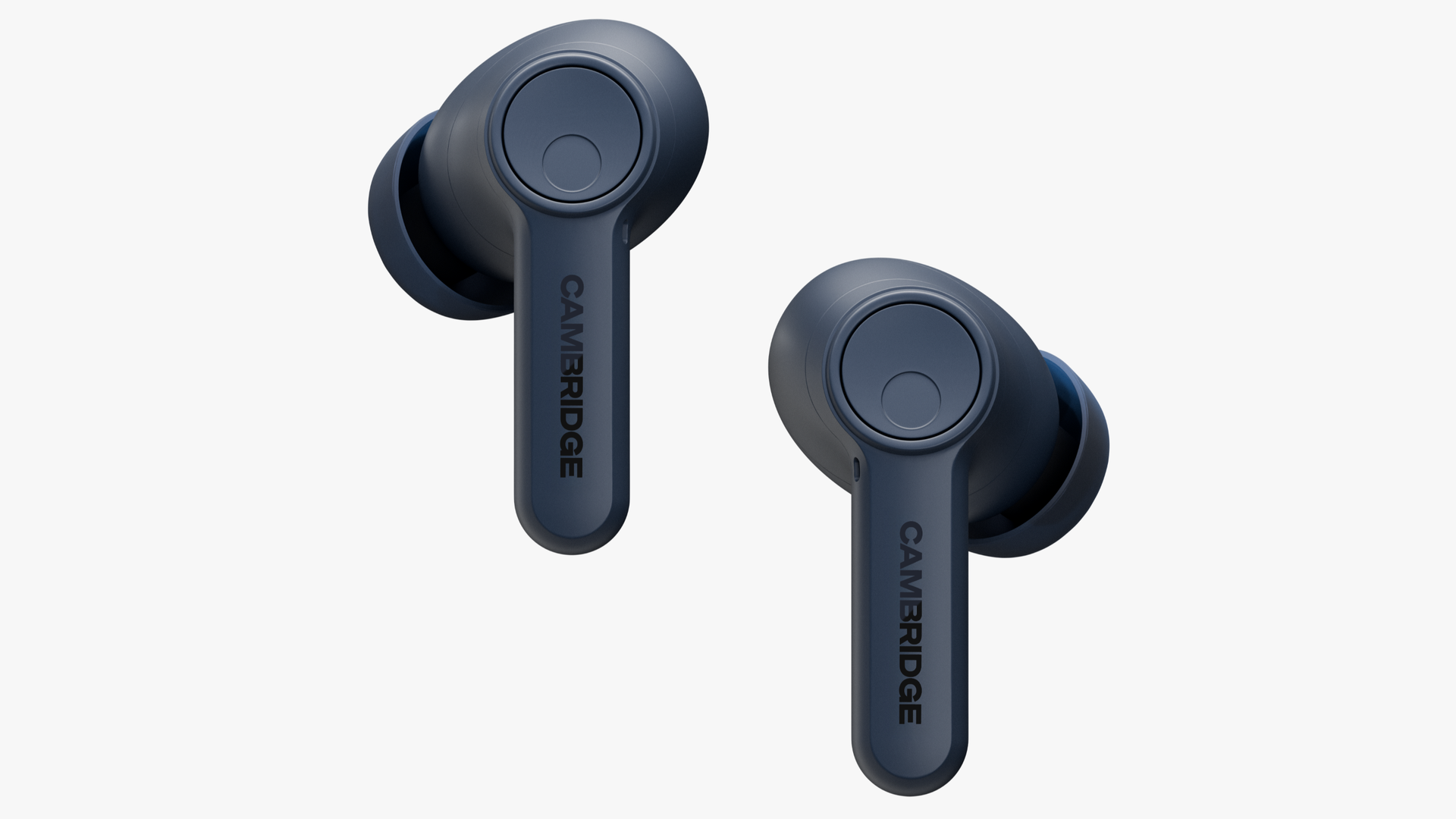
The new Melomania A100 SE offer a twist on the standard buds, bringing Dolby Audio and a new blue finish into the mix.
The special edition buds use the same Class A/B amplification found in Cambridge’s established CX and EX lines, paired with a set of 10mm neodymium drivers to deliver what the brand characterises as “deeper bass, richer mids, and crystal-clear highs” designed to “make music feel even more alive”.
The new earbuds also benefit from dedicated Qualcomm Kalimba digital signal processing for a more refined, less distorted sound, while Snapdragon Sound helps achieve a more stable low-latency connection. The Melomania A100 SE also support the higher-quality aptX Lossless and LDAC codecs for accepting files up to 24-bit/96kHz.
As before, adaptive hybrid noise cancelling is featured, with a standard setting sitting alongside a transparency mode for letting in more of the outside world. A six-microphone array, meanwhile, aims for “exceptional call clarity” on the go.
(Image credit: Cambridge Audio )
The new buds’ Dolby Audio spatial sound capabilities are accessible via the Melomania Connect app, delivering spatial audio with a “natural, lifelike presentation” for movies, music and games.
The special-edition buds grant more playtime than their standard counterparts, with 6.5 hours from the buds and up to 39 hours of total battery life available with noise cancelling switched off.
Cambridge’s latest wireless earbuds also come equipped with touch controls which can be customised via the accompanying app.
The Cambridge Audio Melomania A100 SE are available this October in black, white or blue finishes, priced at £129 / $149/ €149. For context, the standard edition of the A100 launched last year at £119 / €139.
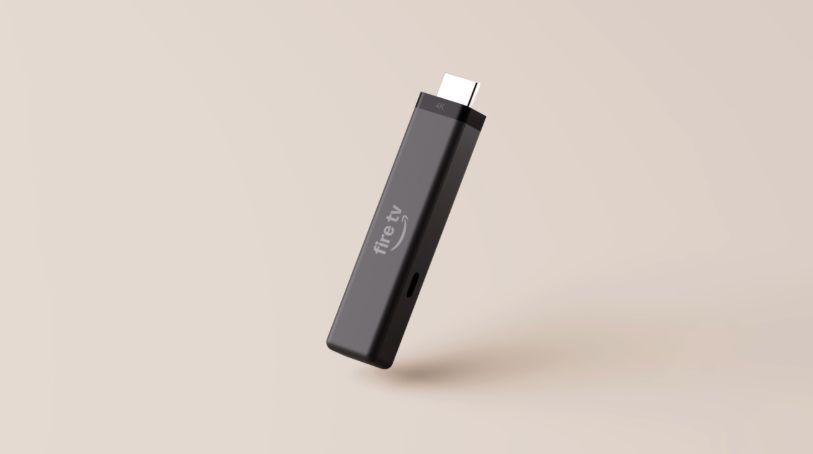
Amazon has been slowly releasing its latest string of hardware over the past year. And the newest to join the tech giant’s roster is the Fire TV Stick 4K, which Amazon says will deliver “crisp 4K resolution and a fast experience”.
The US-based brand claims that after pitting the new stick against similarly priced 4K models from other brands, the streaming device played content nearly 20 per cent faster than the rest. We have not made the comparison ourselves yet (you will have to wait for our full review). But if Amazon’s new device is as fast as the company claims, then it would certainly be a welcome addition to the streaming family.
As well as offering the expected 4K resolution, the stick also supports 1080p and 720p at up to 60 frames per second. It comes with 8 GB internal storage, a quad-core 1.7 GHz processor, and support for Wi-Fi 6 and Bluetooth 5.3.
Like the rest of Amazon’s remaining streaming sticks (the Fire TV Stick 4K Plus and Fire TV Stick 4K Select are being culled from the range), the newest entry is built with Amazon’s Vega operating system and comes with Alexa+ out of the box. There’s no Dolby Vision or Dolby Atmos support, however.
The new Fire TV Stick 4K also sports a slimmer design, which should make it even easier to carry around when on the move.
(Image credit: Amazon)
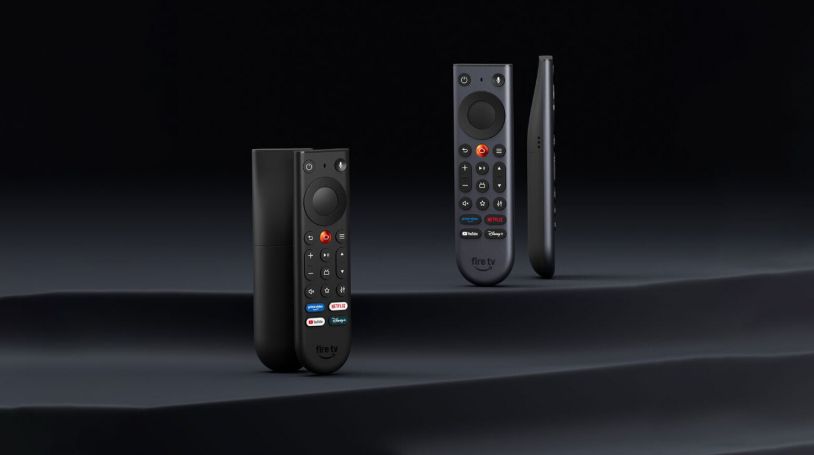
Also new is the remote control, which Amazon says is “designed with more tactile controls so it would be easier to hold and navigate key buttons”. Gone is the rounded remote top with the rather clunky blue Alexa button; in is a more premium-looking flat-top and a weighted bottom to help you tell which end to point at the TV more immediately.
The home button now sports a metal orange design to make it easy to find, and there’s a customisable star button that you can set up so that it goes straight to your favourite app, or to toggle settings.
Amazon also says a Fire TV Remote Plus is coming early next year, with an aluminium body, backlit buttons and a built-in “Alexa, find my remote” feature. That will replace the Alexa Voice Remote Pro.
So how much will it set you back? Well, this is where things get interesting. The Fire TV Stick 4K costs £70 / $60. Right now and during Prime Day, you can get it for the discounted price of £33 / $30, which is much more palatable.
When we reviewed its Award-winning step-up sibling, though, the Fire TV Stick 4K Max cost £70 / $60 / AU$120. But the price of this Award-winning streaming stick has now gone up to £100 / $85 without Prime deals or limited discounts.
Considering the 4K Max model offers Dolby Vision and Atmos support where the new Fire TV Stick 4K does not, it seems that Amazon’s entire streaming-stick range is having a price hike. We are yet to test the new streaming device but, unless you manage to snag it at a discounted price, its full-fat cost is a hard pill to swallow.
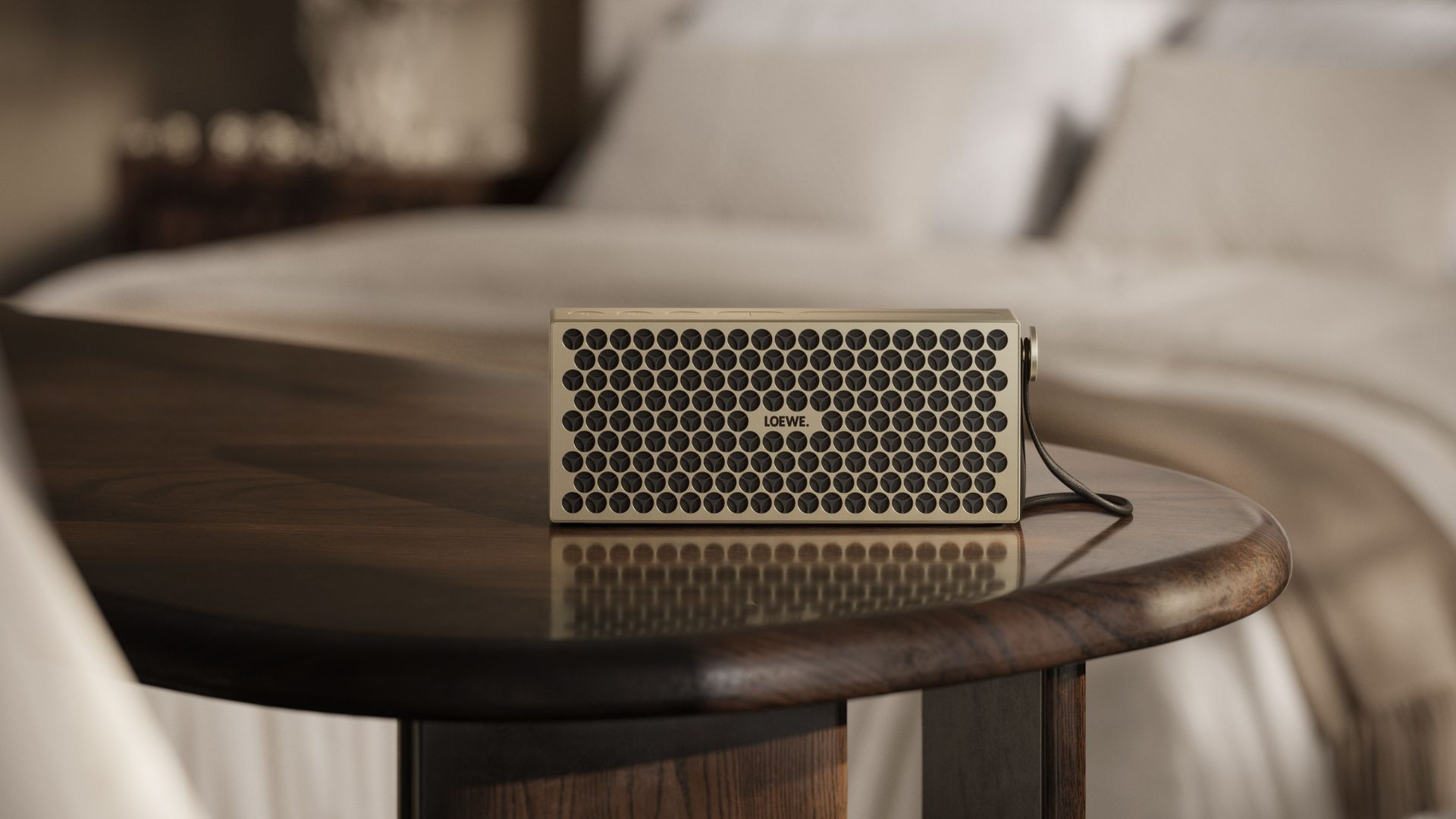
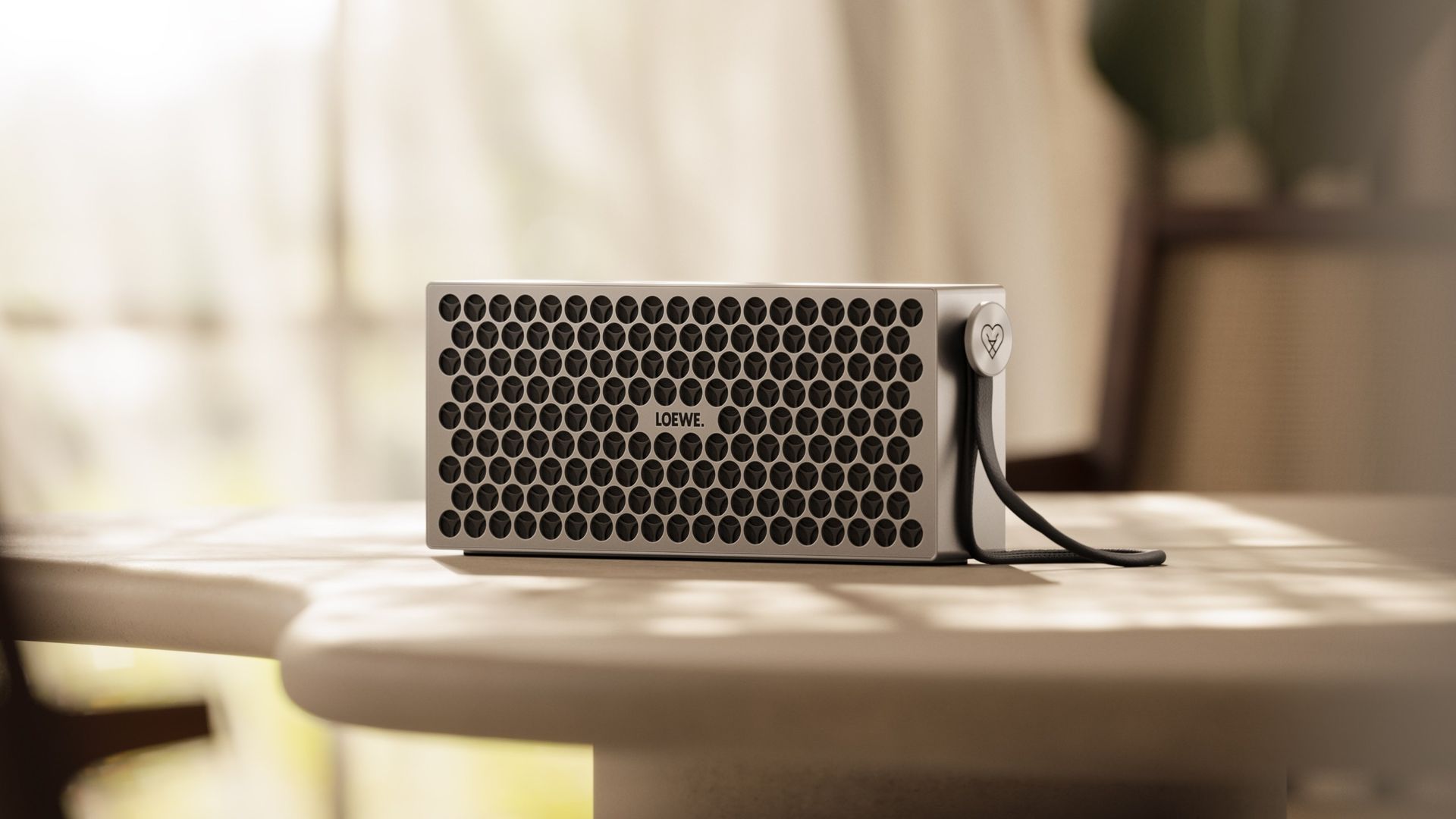
German tech brand Loewe has launched its latest Bluetooth speaker, the Leo, billed as a way of getting outstanding sonic performance in a premium portable design.
The Leo delivers 50 watts of total power and dual passive bass radiators, helping to ensure, says Loewe, that “compromising on acoustic fidelity is never a consequence of mobility”.
Adding to those mobile credentials are an IP67 water- and dust-proof certification, 12 hours of battery life, as well as a detachable leather carry-strap and a premium felt case. Auracast is on board, meaning you can connect the Neo to any number of other speakers capable of supporting the increasingly popular wireless sharing technology.
Externally, Loewe’s latest features built-in ambient lighting that can be adjusted manually using the on-unit light strip. The speaker uses a premium aluminium housing with interchangeable speaker grilles, meaning you can switch up your speaker’s look depending on your mood and desired aesthetic.
The speaker also houses top-mounted controls, including a power button, bass and treble boosters, and a light toggle.
(Image credit: Loewe )
The Neo is controllable via Loewe’s accompanying app, from which you can personalise the speaker’s on-unit lighting and tweak your sound via three sonic presets alongside individual bass and treble adjustments.
According to Aslan Khabliev, CEO of Loewe: “For decades, Loewe has been synonymous with design, innovation and individuality. Neo implements that philosophy out into the world, combining exceptional acoustic power, intelligent lighting, and unprecedented customisation in one beautifully crafted product.”
The Loewe Neo will be available for preorder from 20th November in Alu Silver, Alu Black or Champagne finishes, priced at £400 / €400, making it more expensive than the five-star JBL Xtreme 5 (£330 / €350). Note that the Champagne finish will run as a limited edition colourway.
Samsung really seems to have gone out of its way to make its TV lineup as confusing as possible this year, especially where its flagship OLEDs are concerned.
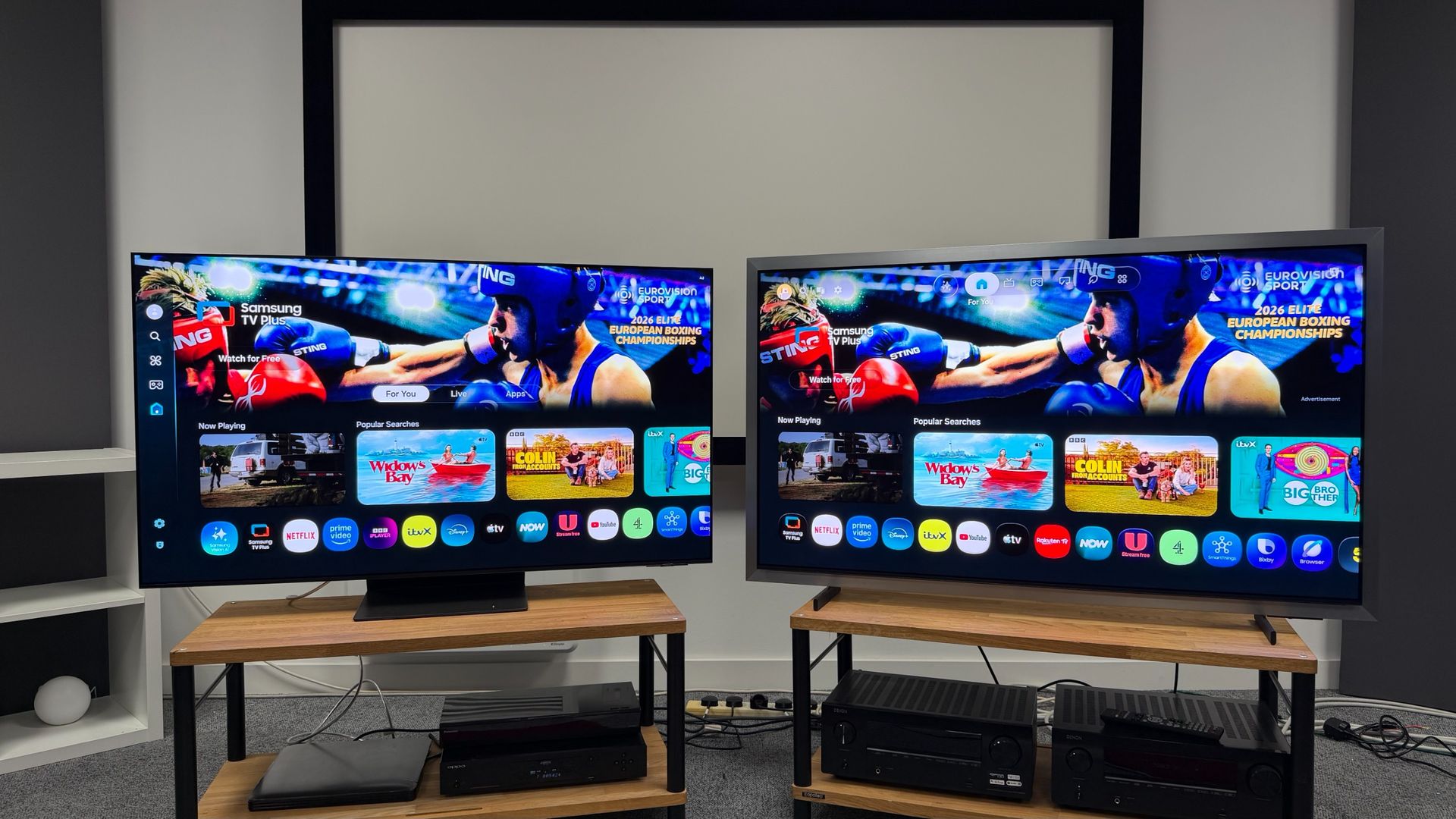
In the UK, Samsung’s top OLED is the S99H. It’s a glorious TV that takes OLED performance to new heights, wrapped in a fancy, somewhat divisive frame design.
Elsewhere in the world, though, this TV is known as the S95H.
Not too confusing yet, right? But get this: in the UK, we also get an S95H, and it’s different to the S95H found elsewhere in the world.
So, what is the UK S95H? Prevailing wisdom says that it’s essentially the S99H with a wired One Connect box and the large metal frame removed.
We were excited about this prospect: we like the S99H’s frame when the TV is wall-mounted, but it looks rather awkward when the TV is set on the – let’s face it – rather cheap, plastic feet.
If we could get a version of the TV with the same performance, a more typical design and a lower price, that would be a winner, right?
Well, it would, but that isn’t what the UK S95H is.
With both models set up side by side in our test room, there’s an instantly appreciable difference in brightness and vibrancy, with the S99H being clearly better in both regards.
Samsung is always (infuriatingly) coy about which of its models feature what panel tech, but we do know that the S99H is a QD-OLED model. Given that the UK S95H is less vibrant and less bright, you might assume that it’s a WOLED, but while I can’t be 100 per cent sure, I don’t think that’s the case.
The S95H’s screen has a very similar matte coating to the S99H, and while it’s less bright and vibrant than the S99H, it looks more ‘step-down QD-OLED’ than ‘WOLED’ to me. In fact, it looks remarkably similar to Samsung’s 2025 OLED flagship, the S95F.
To be clear, the S95H looks like a very good TV, and, having tested all of the brand’s OLEDs and several of its backlit models as part of our Awards process, I think it’s probably the second-best Samsung TV you can buy this year.
It isn’t, though, in the same league as the awesome S99H.
Frankly, no TV we’ve seen so far this year is in the same league as the S99H, but our Awards testing isn’t quite finished yet. Could anything else knock it off the top spot? Find out when we announce the What Hi-Fi? Awards on 13th October.
When Technics set about making plans for its new flagship wireless headphones, the EAH-A1000, it knew it couldn't just enlarge the 10mm Magnetic Fluid Driver used in the five-star, Award-winning EAH-AZ100 wireless earbuds and call it a day.
The magnetic fluid technology – an oil-like substance with magnetic properties that reduces the rocking vertical movement of the diaphragm without adding mass – worked successfully in delivering a clear, detailed and low-distortion sound in the AZ100 buds. But the larger 40mm drivers required in an over-ear model proved a greater challenge.
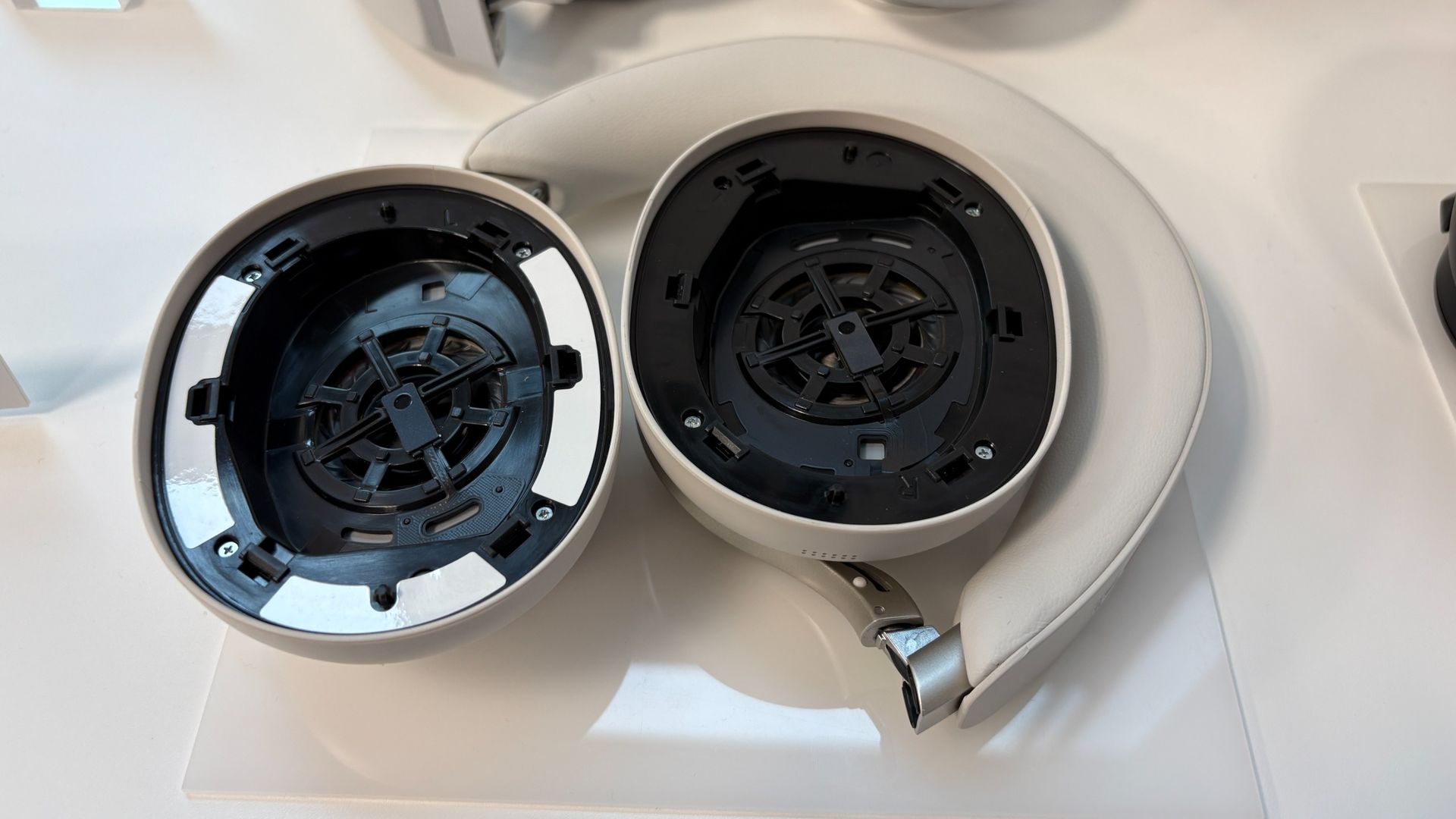
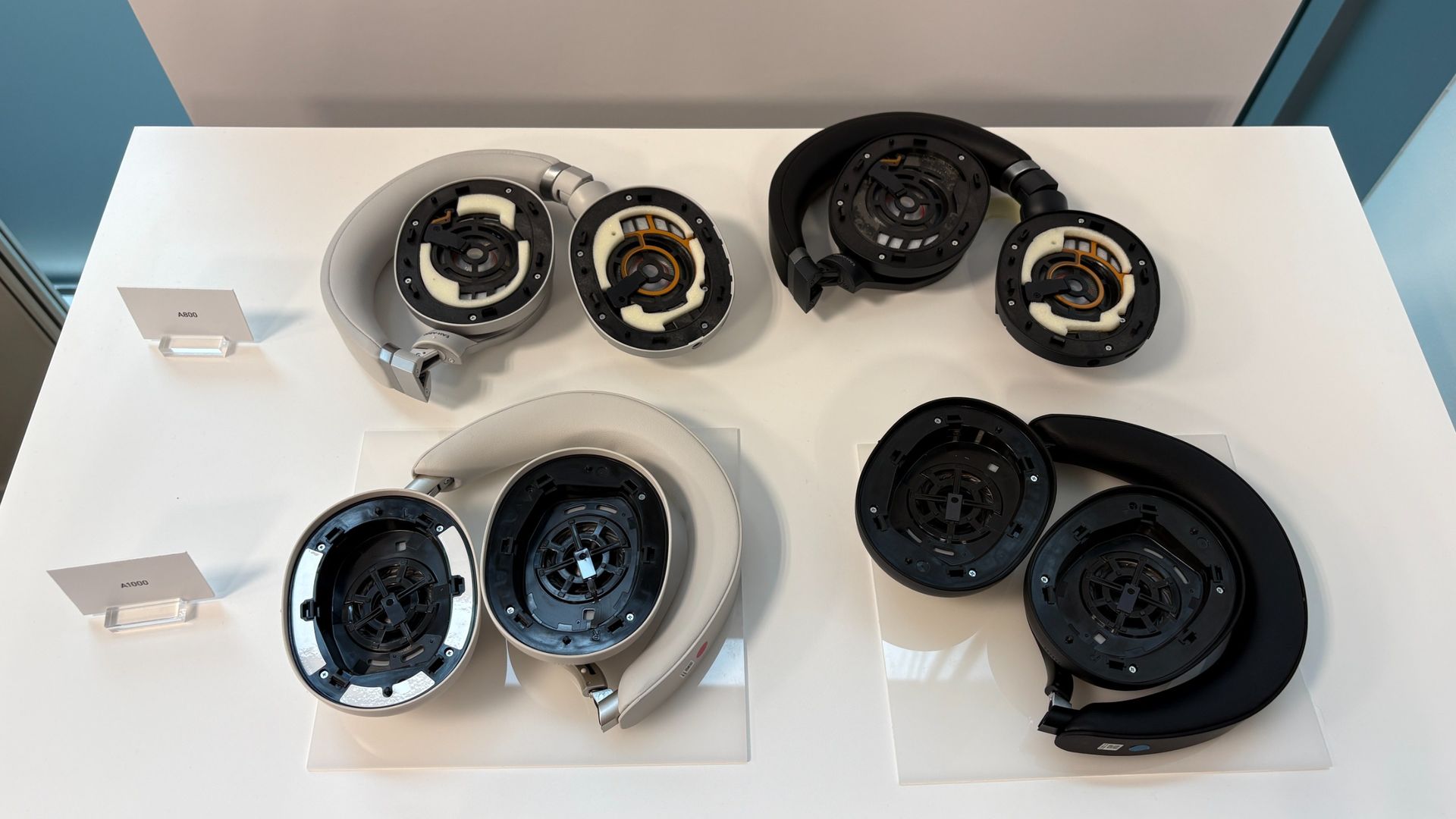
As part of the pre-launch briefing of Technics' new EAH-A1000 over-ear wireless headphones, I got a chance to hear from Technics' headphones and acoustic departments in Tokyo about the trial-and-error process for developing the new flagship headphones' drivers, along with an extensive look at all the elements inside them – so here's a closer look at the new drivers of the A1000 headphones.
Magnetic fluid driver: the next chapter
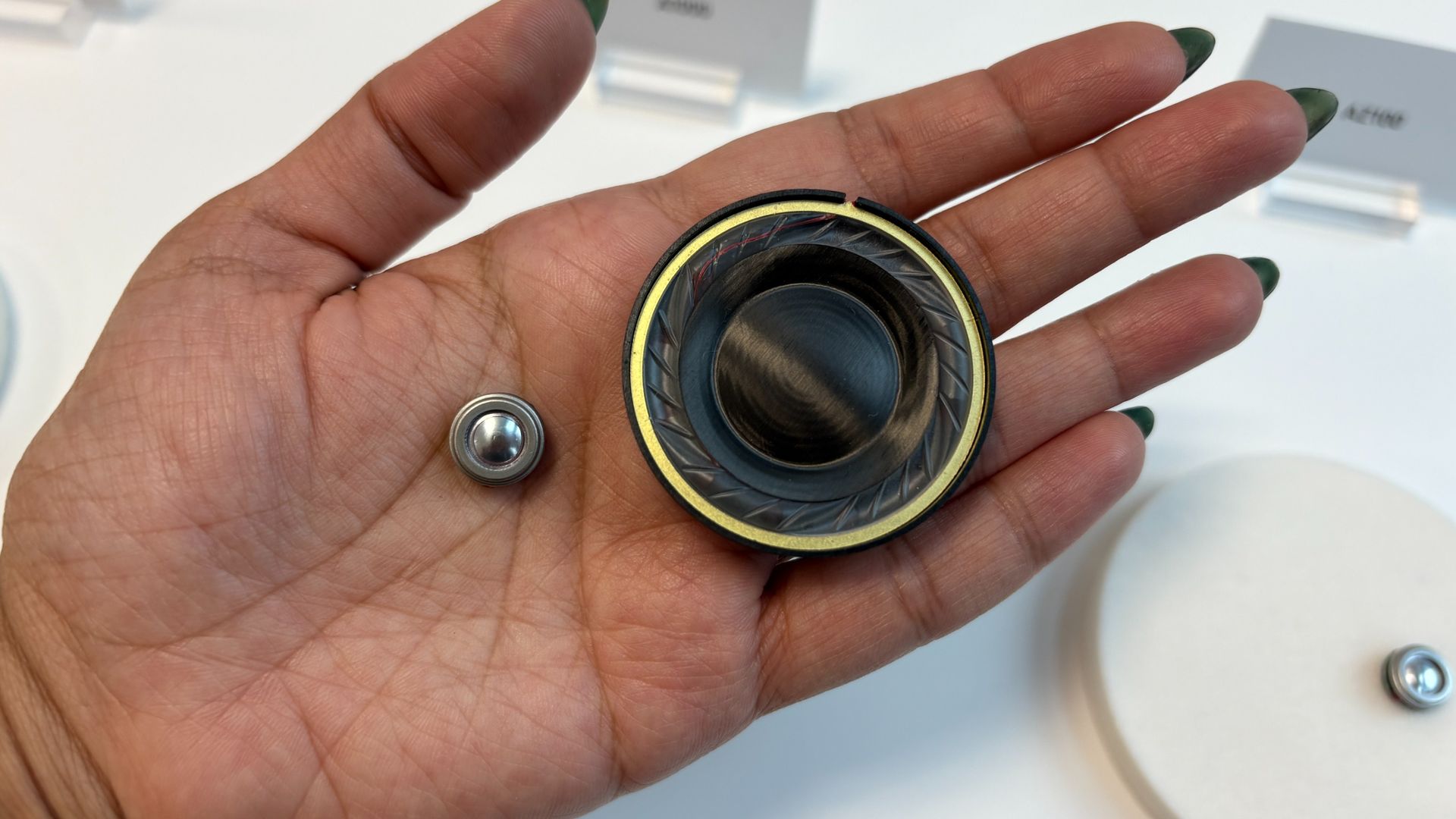
The 10mm magnetic fluid driver of the EAH-AZ100 wireless earbuds (left), and the new 40mm driver of the EAH-A100 over-ear headphones (right) (Image credit: What Hi-Fi?)
Planning for the EAH-A1000 over-ears started pretty much after the AZ100 buds, with the question: "Can magnetic fluid work in a 40mm driver?"
A larger driver results in greater excursion, more possibility for flexing, and more scope for distortion. Simply using the same tech in a bigger driver "didn't deliver the sound we were aiming for," says Technics. The magnetic fluid sits between the voice coil and driver magnet, and is able to precisely support the driver's movement so it is more consistent, but too much damping could limit the natural expression of music.
While excited by the potential of the magnetic fluid technology, Technics' goal wasn't to simply build a larger driver, says Riku Takeda, acoustic engineer at Technics. It was to "create a new over-ear headphone driver that could go beyond hi-fi speaker performance."
The main aim for this new driver was to reduce distortion as much as possible for a clearer, cleaner sound, but without sacrificing the power, detail or natural resonances of music. And so the newly developed 40mm drivers in the A1000 feature a combination of technologies, all with the aim of delivering an immersive listening experience.
The first of these new technologies takes inspiration from the brand's own hi-fi speakers, with the modified magnetic fluid drivers enhanced with an SST (Symmetrical Surround Technology) Edge. This is a similar technology used in Technics' flagship SB-R1 speakers.
This surround's distinctive shape ensures that a symmetrical volume of air is displaced by the backward and forward movement of the driver. The cuts in the surround increase the flexibility of the edge, while also reducing distortion.
"No compromise on shape; no compromise on material"
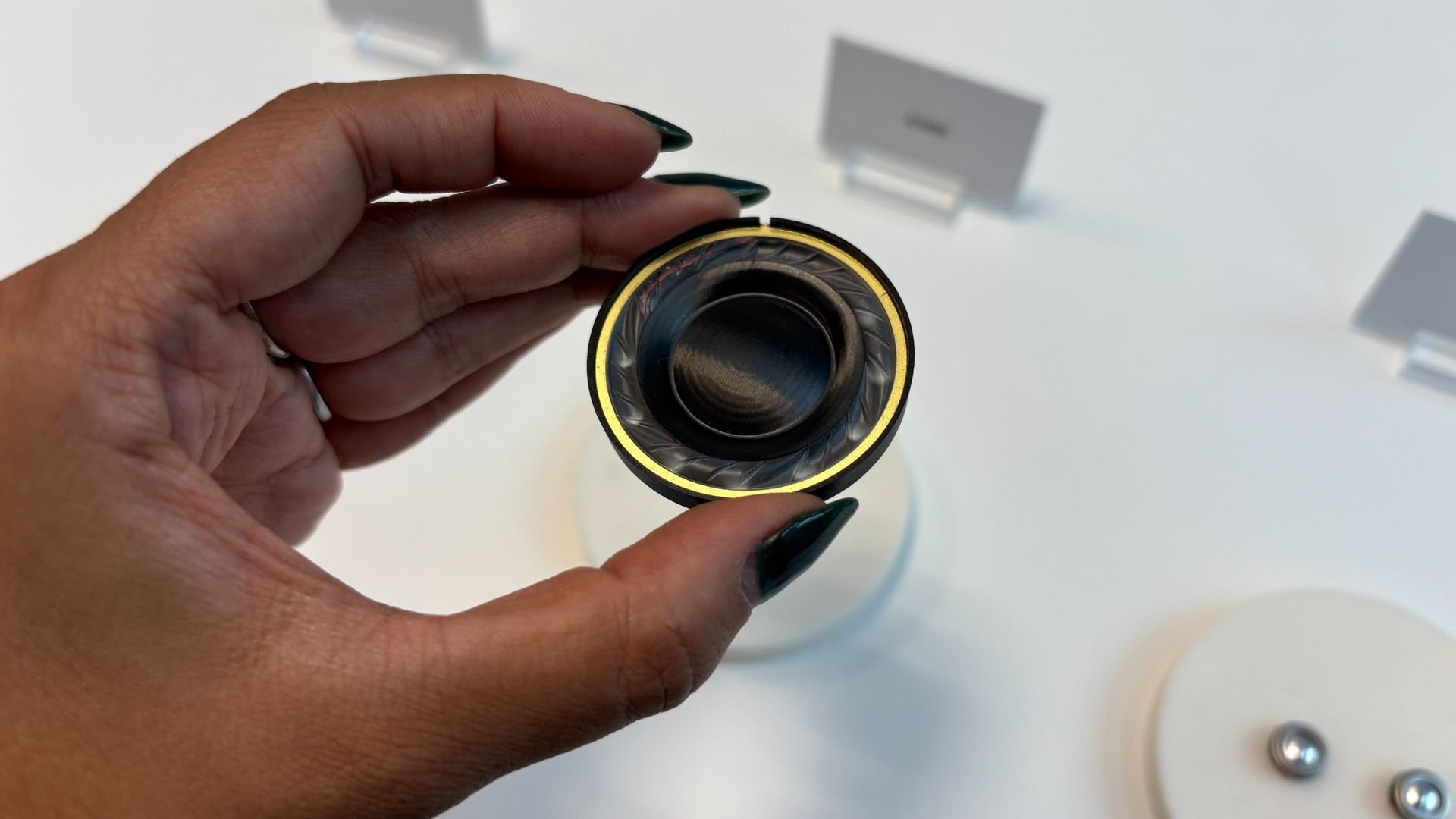
The A1000's driver features SST Edge surround around the edge of the cone/dome-shaped pure carbon fibre diaphragm (Image credit: What Hi-Fi?)
Additionally, the diaphragm of the driver is made of a "pure carbon fibre" material, chosen for its lightweight and rigid properties that ensure fast, responsive performance. Technics further clarifies that this 'pure' carbon fibre material isn't composed exclusively of carbon fibre, but it refers to a "non-composite, non-laminated" diaphragm construction. A very thin but stiff layer, essentially.
As larger drivers naturally flex more as they move, Technics settled upon a complex shape consisting of a cone and a raised dome to further stabilise the movement of the driver.
This posed another challenge, as the mould for this complex geometry (in the relatively small dimensions of a headphone driver) was difficult to produce in mass quantities consistently without deformations.
The team experimented with alternative shapes and materials to get a more stable, consistent moulding, with a long trial-and-error process – but every 'solution' resulted in a less-than-ideal sound. A flatter cone geometry would make things simpler, but it resulted in a less powerful, muddier and less clear sound. A laminated structure would improve moulding stability, but it delivered a narrower soundstage compared with the pure carbon fibre material.
Ultimately, Technics decided that the compromises to the sound quality were simply "not acceptable to us", and ploughed ahead with these two necessary elements of the complex shape of the diaphragm, with some solutions, to achieve the desired sound that Technics wanted. This included strengthening the carbon fibre material itself by changing the direction of the fibres woven in, and adding a 'rib' to the dome to add stability.
Technics says it's a combination of all these different technologies, not just one element, of the new driver that is key to delivering accurate bass, clear highs, and a natural spatial expression from the A1000 headphones.
The inside structure of the A1000 over-ear headphonesWhat Hi-Fi?The inside structure of the A1000 over-ear headphones compared with previous A800 model.What Hi-Fi?
The development doesn't stop at the drivers themselves. The new 'baffle flat structure' minimises the uneven surfaces around the driver to reduce the effect of unwanted reflections, while an 'acoustic control chamber' behind the driver helps to manage airflow.
These combine to deliver a "natural sound field with clear imaging" and to ensure the sound is balanced without emphasising any specific frequency range.
Sound quality is just one aspect of the Technics EAH-A1000. Every product in Technics is guided by three philosophies: sound, technology and design.
The design of the headphones and all the necessary features (connectivity, ANC, call quality) need to be up to scratch, too, with Technics acknowledging that "personal audio" products such as headphones have huge demands from customer expectations these days. Over-ear headphones are more visible than earbuds, too, so achieving the design and style of the premium A1000 to a high level became even more important.
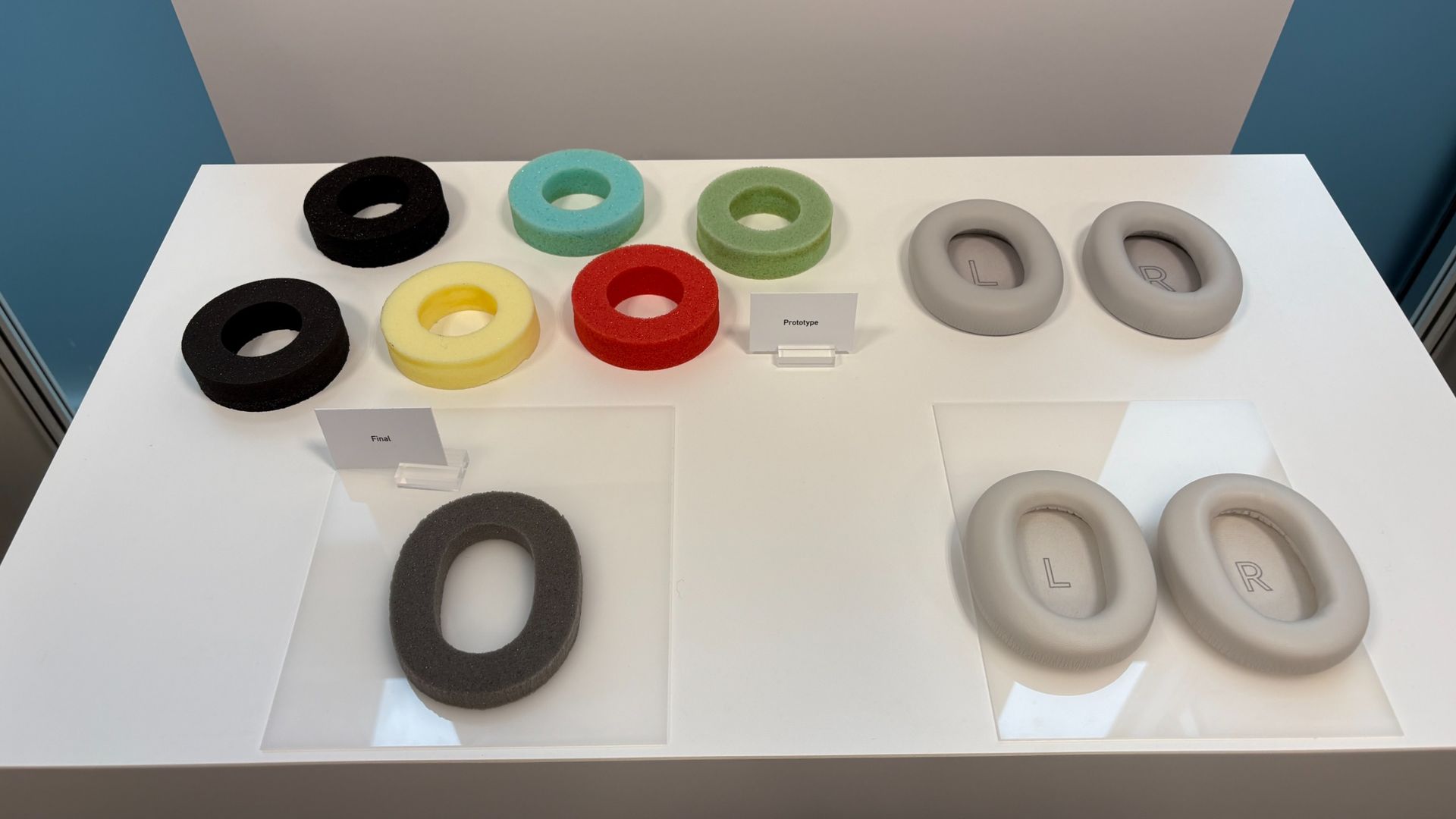
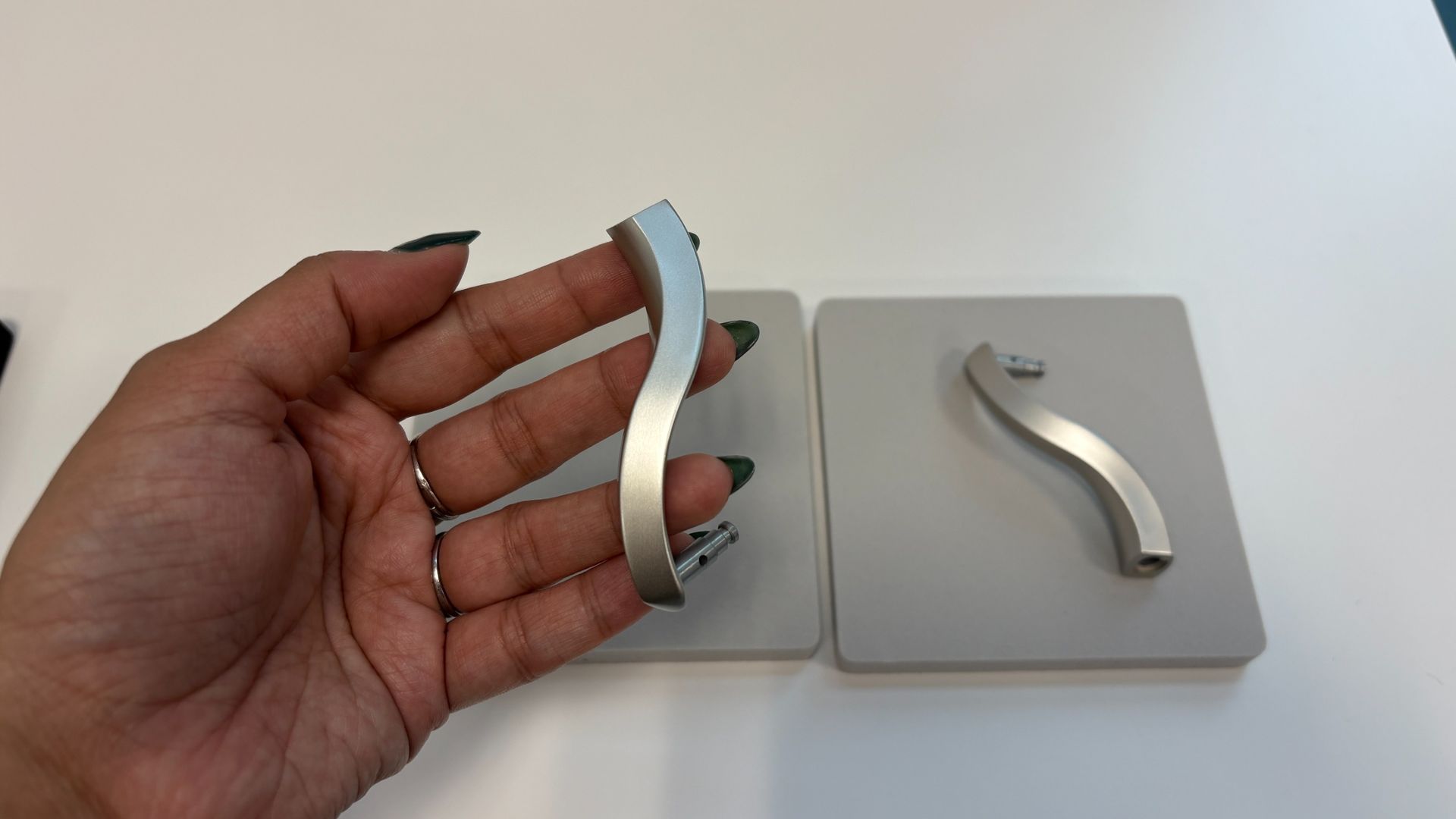
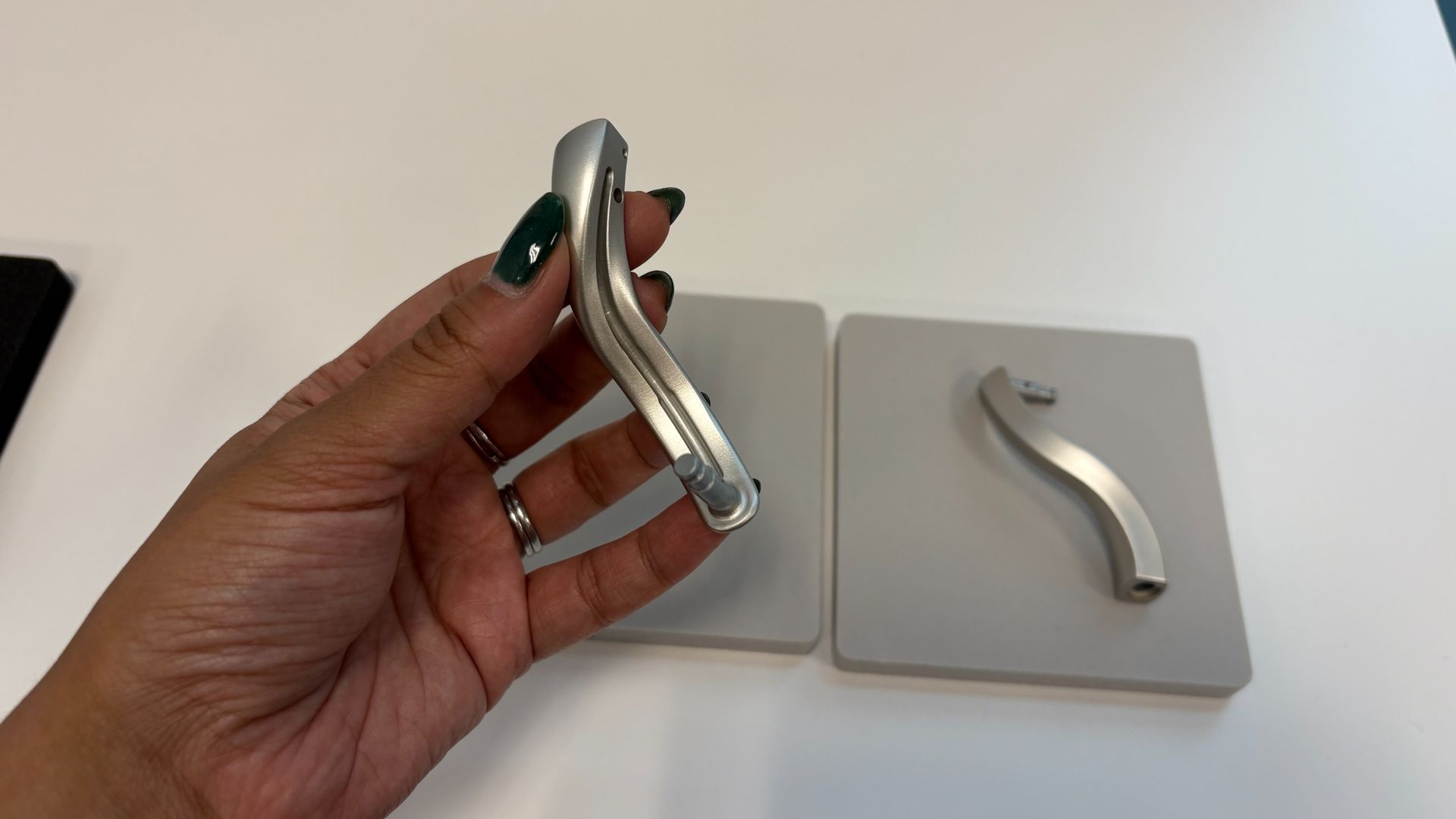
The design of the new over-ears – from the slender 'flow arm' structure, the headband's clamping pressure, and evenly distributed plush memory foam cushions – has been given as much care and attention by the Technics team.
What Hi-Fi?What Hi-Fi?What Hi-Fi?What Hi-Fi?What Hi-Fi?
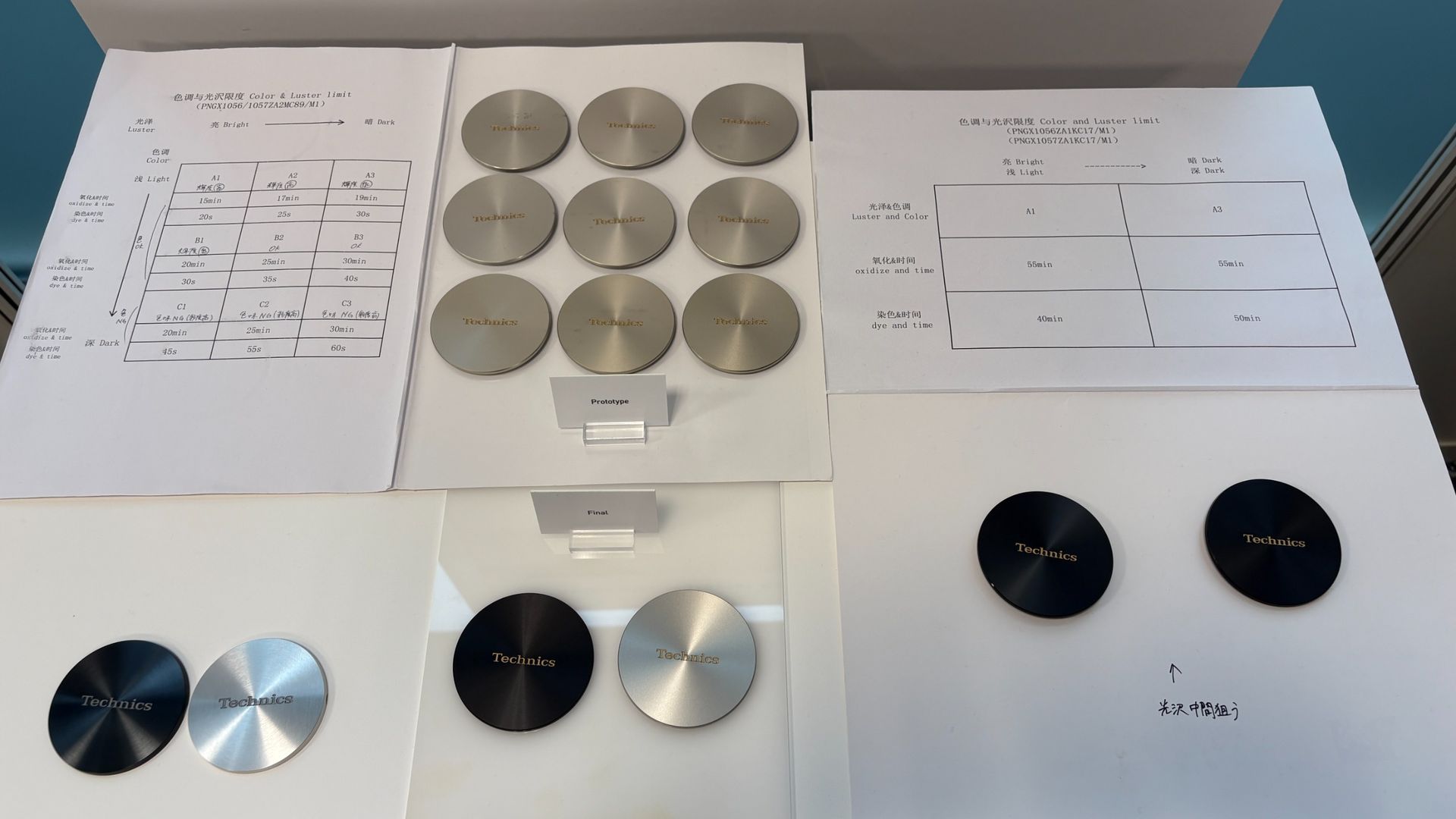
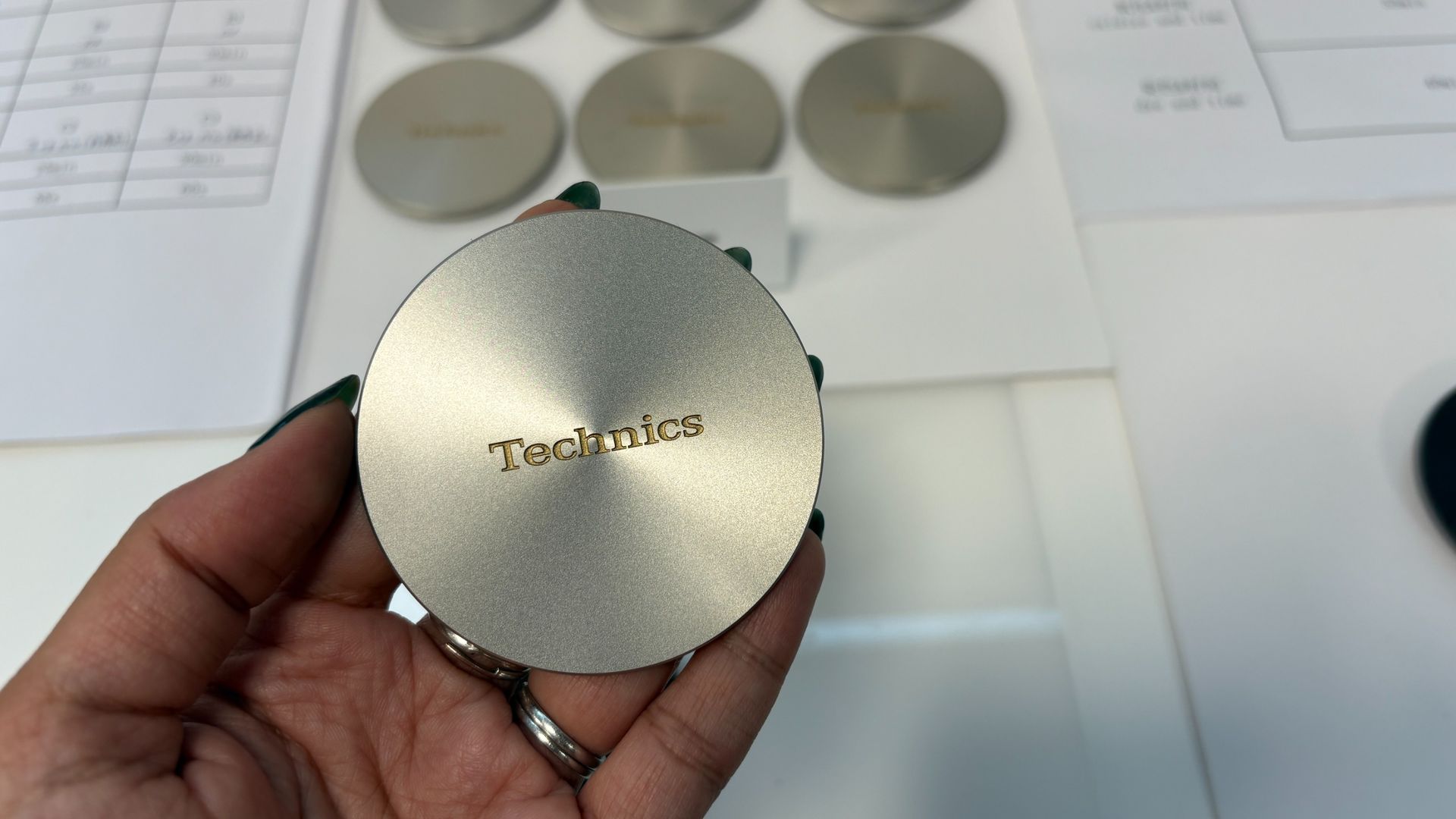
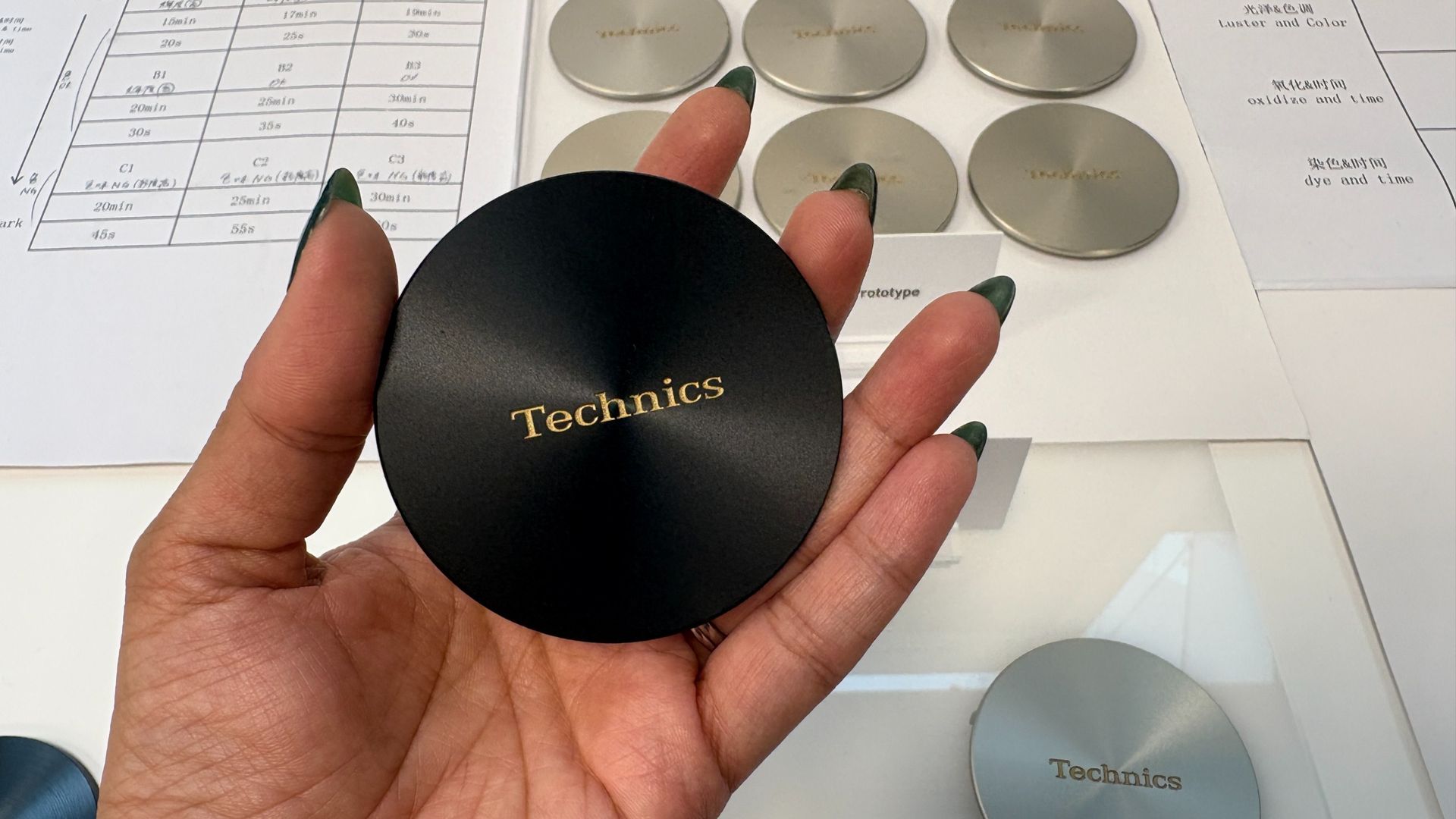
We're shown various prototypes of different ear cushion shapes, arm structures and variations in the spun metal plate with the Technics logo adorned (check out the gallery above) – examples of more trial-and-error processes undergone by the design team to achieve the 'right' look and feel for the EAH-A1000 headphones.
The philosophy remains the same
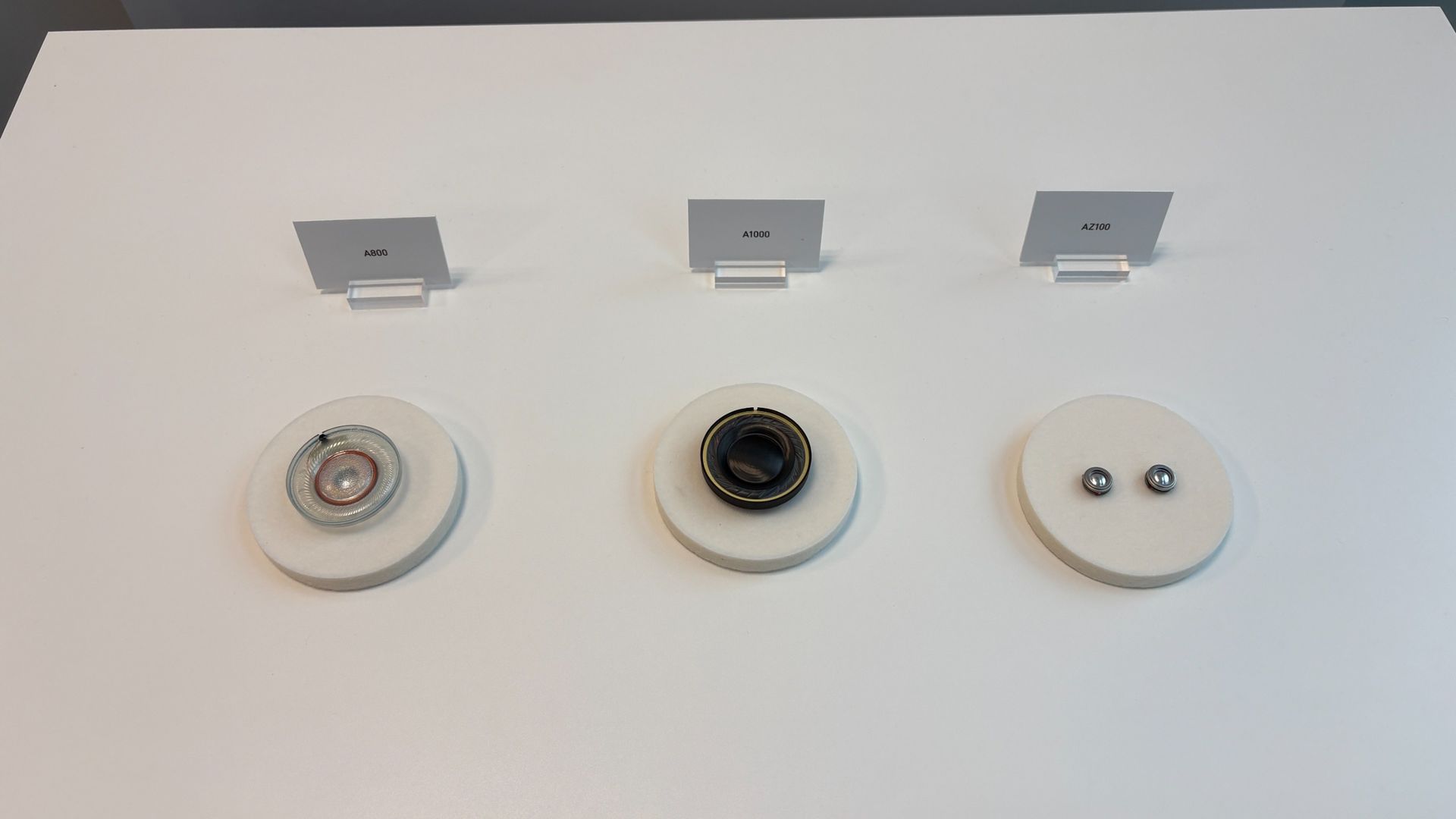
Drivers for the older A800, new A1000 over-ears, and AZ100 earbuds. (Image credit: What Hi-Fi?)
Ultimately, though, anything that affects sound quality will need final approval by the acoustics team, as for Technics, the sound philosophy is most important.
"If sound quality isn't achieved to our high standard level, we don't bring it to the market," says Technics. Every audio product, including the EAH-A1000, is subject to the approval process by Technics' internal Sound Committee, which includes Yu Tanaka, who was responsible for the magnetic fluid driver in the A1000 and set the targets for the headphones' sound quality, and Technics' brand director Michiko Ogawa, who has the final say. If those sonic targets aren't met, they would simply postpone the launch until they were happy with the sound performance, I'm told.
Technics' head of headphone business, Kazunori Otsu, says that in the 60+ years of Technics' lifetime, "high quality music experiences" have progressed from in the home, with dedicated hi-fi separates, to almost anywhere in everyday life thanks to portable headphones.
He states that while the "way we listen to music has changed" over the years, "Technics' passion has not."
The latest firmware update is called 10.12.12 and it brings four new features to play.
First up, Bluetooth LE Audio support. This next-gen version is more efficient than standard Bluetooth, and supports the LC3 codec which has better sound quality than the standard SBC you find with bog-standard Bluetooth. It’s worth noting, however, that some don’t think it delivers on this promise.
The greater efficiency could help prolong battery life too, though Bose hasn’t commented on this in the firmware update notes, so any gain is likely to be marginal. And LE Audio opens the door to Auracast, which lets devices broadcast to multiple headphones at once, so you could tune into a news channel in an airport lounge, for example.
The downside? Bluetooth LE Audio doesn’t work with Apple devices, so this is for Android and Windows users only.
The update also brings 5.1 spatial audio with head tracking to compatible Android devices, and higher-quality gaming and voice audio over a wired USB-C cable from a compatible PC or mobile device. It also brings improved USB compatibility with web conferencing applications, for when you’re taking care of business.
Other big headphone makers also support Bluetooth LE Audio on select models such as the Sony WH-1000XM6, though the recently unveiled Sennheiser Momentum True Wireless 5 will get it only via a future firmware update.
Still, Bose’s move is proof that once you buy a pair of wireless headphones, they can keep getting better. If you’re not using an iPhone, that is.
Keep an eye on the Bose app to see when the update is available. It should download automatically, but you’ll need to keep your headphones connected to your device while it transfers, which can take up to 40 minutes. Then actually installing it can take another 15 minutes.
Four years is long time in the headphone world – cans age in dog years. But thankfully Technics has brought its latest pair bang up to date on the technical front – these are no annual iterations, but a complete overhaul of the previous model. Technics says it "reconsidered every element" of the over-ears, with highlights of the new model including a new 40mm Magnetic Fluid Driver and acoustics technologies developed for the hi-fi brand's speakers.
The driver was developed to have precise control in order to deliver low distortion with an expansive soundstage. It uses Technics' magnetic fluid technology as found in its Award-winning EAH-AZ100 wireless earbuds – this material has both magnetic and liquid properties, and is placed between the voice coil and driver magnet to suppress unwanted vibrations and distortion.
(Image credit: Technics)
The driver's performance is enhanced by the inclusion of an SST (Symmetrical Surround Technology) Edge, which is taken from Technics' flagship hi-fi speakers. This reduces distortion by improving the symmetry of the edge's back and forth movement as it supports the diaphragm. It's made of carbon fibre which is rigid yet lightweight, and its cone shape suppresses flexing to enable a fast response and stable movement.
Technics says that the two technologies work in tandem to "preserve the sense of scale in the bass and the spacious soundstage associated with over-ear headphones" while reproducing music how the artist intended.
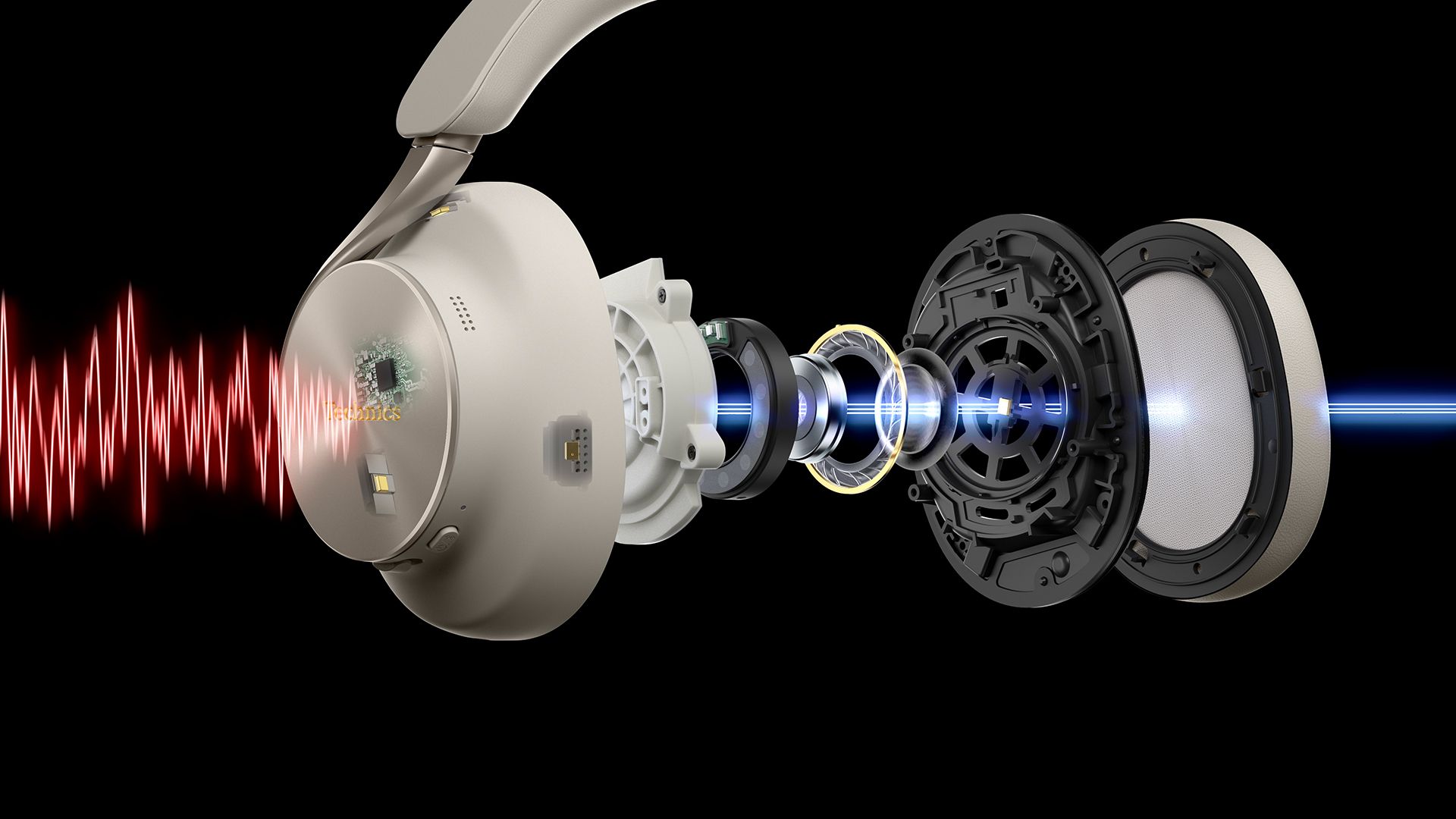
A redesigned acoustic path preserves the air movement from the driver all the way to the ear, while a new Baffle Flat Structure reduces uneven surfaces around the driver to limit unwanted reflections, creating a natural sound field with clear imaging.
Airflow is managed by an Acoustic Control Chamber behind the driver, which should ensure a balanced sound. And Adaptive Noise Cancelling adjusts to your environment and fit, with three feed-forward microphones and one feedback mic on each side to detect and suppress noise from different directions.
(Image credit: Technics)
The fit has also been re-engineered. The new Flow Arm headband is square at the slider but triangular at the hanger. As you can see from the pictures, it perches on the outside of the earcups like a luxuriously draped moustache.
The movement of the ear cups, refined headband shape and improved slider-based adjustability should distribute pressure evenly across your noggin, allowing you to wear them for longer periods without becoming uncomfortable. This will be helped by the memory foam earpads.
The headphones fold up into a ball for stowing in a bag.
They support high-quality audio via the LDAC codec and through wired listening over USB Audio. The battery is good for 45 hours with ANC on before needing a recharge, and like the Award-winning EAH-AZ100, they support three devices via Bluetooth Multipoint, instead of the standard two.
The Technics EAH-A1000 go on sale from 30th September for £399 / €449 / $449. They come in Black and Platinum Greige finishes (a mix of grey and beige).
Technics might be renowned for its turntables, but it does a nice line in headphones too – the EAH-AZ100 wireless earbuds won a What Hi-Fi? Award, while the A1000's predecessor pair (the EAH-A80) scored four stars. You can find out how the new EAH-A1000 headphones fare in our full review.
Technics might be a legendary name when it comes to turntables, but it has less household status when it comes to wireless headphones. The brand has been aiming to change that, and last year it came one step closer with the five-star EAH-AZ100 wireless earbuds, which beat out established rivals from Sony, Bose, B&W, Apple and Sennheiser to nab a coveted What Hi-Fi? Best Buy Award in 2025.
To see if they can repeat that success in the tough premium over-ears category, Technics has imbued its new flagship wireless headphones – the EAH-A1000 – with a refined design and plenty of new driver technology inspired by its hi-fi speakers and five-star earbuds. Has it done the job?
Price
(Image credit: What Hi-Fi?)
The Technics EAH-A1000 launches at £399 / $449 / AU$699, which puts it right in the midst of some fiercely competitive territory. The class leaders in this bracket include the five-star Sennheiser HDB 630 at £400 / $500 / AU$1000, while the Award-winning Sony WH-1000XM6 can be found for £349 / $450 / AU$699.
These are a rather lovely pair of headphones. Where the predecessor EAH-A800 looked quite blocky, the EAH-A1000 has a much sleeker, more elegant look. The metal accents and refined contours on the headphones make them look and feel quite luxurious, as does the generous padding on both the headband and ear cups.
The headband is easy to adjust, and the inside of the ear cups is quite roomy, with plush memory foam ear cushions that hug your head quite snugly, but without any undue pressure. Technics has paid quite a lot of attention to the design and comfort of the A1000, with care taken over the metal ‘flow arm’ slider and hinges, and the angle of the ear cups so that there is an even pressure across the head when wearing them.
The headphones feel robust but also quite lightweight, and we find them to be a comfortable fit across the review team’s head sizes, even for those who wear glasses. Compared with the relatively slim profile of the Sony XM6 or Sonos Ace Ultra, the larger ear cups of the A1000 do stick out a fair bit, but overall they’re so nice and comfortable to wear that we don’t mind once they’re on our head.
The headphones fold up into a ball, too, which makes them easy to carry in a bag. They’re available in black or the nice silver/white colour of our review sample; Technics calls this colour ‘Platinum Greige’, but we’re going to ignore that.
Instead of any touch controls, Technics offers physical controls that are easy to use on the right ear cup. There are buttons for power and Bluetooth pairing, another one for changing the noise mode, and a multi-function slider control for changing volume, playing and pausing music, and summoning voice assistants.
They all work instantly with our commands, although we feel the slider control’s action could be more definite and feel more precise. It feels a little like a loose tooth on our sample, which mars the otherwise classy experience of using the A100.
Features
(Image credit: What Hi-Fi?)
We must commend how swiftly the A1000 pairs with our source devices, with the connection remaining stable throughout our testing and reconnecting to our iPhone 16 without a hitch. Like their EAH-AZ100 earbuds counterparts, the A1000 over-ears feature three-way multi-point Bluetooth, which means you can be connected to three sources simultaneously and switch between them seamlessly – rivals are still limited to two devices only.
The A1000 supports the LDAC codec, allowing for higher-quality streams from compatible smartphones or portable music players such as the Sony NW-A306 and Astell & Kern SR35. Be warned that using the higher bandwidth LDAC disables certain features (such as the aforementioned three-way connection) and has a knock-on effect on battery life.
When listening using the standard AAC/SBC codecs, as we do for the majority of our testing with an iPhone 16, the battery life is an impressive 45 hours with ANC turned on. Turned off, this extends to a massive 90 hours. Those numbers are strong – they easily surpass the 30 hours offered by the Sony WH-1000XM6 and rivals from Bose and Bowers & Wilkins, although the Sennheiser HDB 630 still takes the lead at 60 hours with ANC turned on. We barely had to recharge the A1000 during our time with them, but a 15-minute charge does handily give you four hours of juice.
You can listen to the Technics EAH-A1000 using a wired USB-C connection, too – just note that the headphones need to be powered on to listen in this mode. You get two cables included in the hard carry case: a USB-C to 3.5mm audio cable, and a USB-C to USB-C lead for audio and charging.
ANC & call quality
(Image credit: What Hi-Fi?)
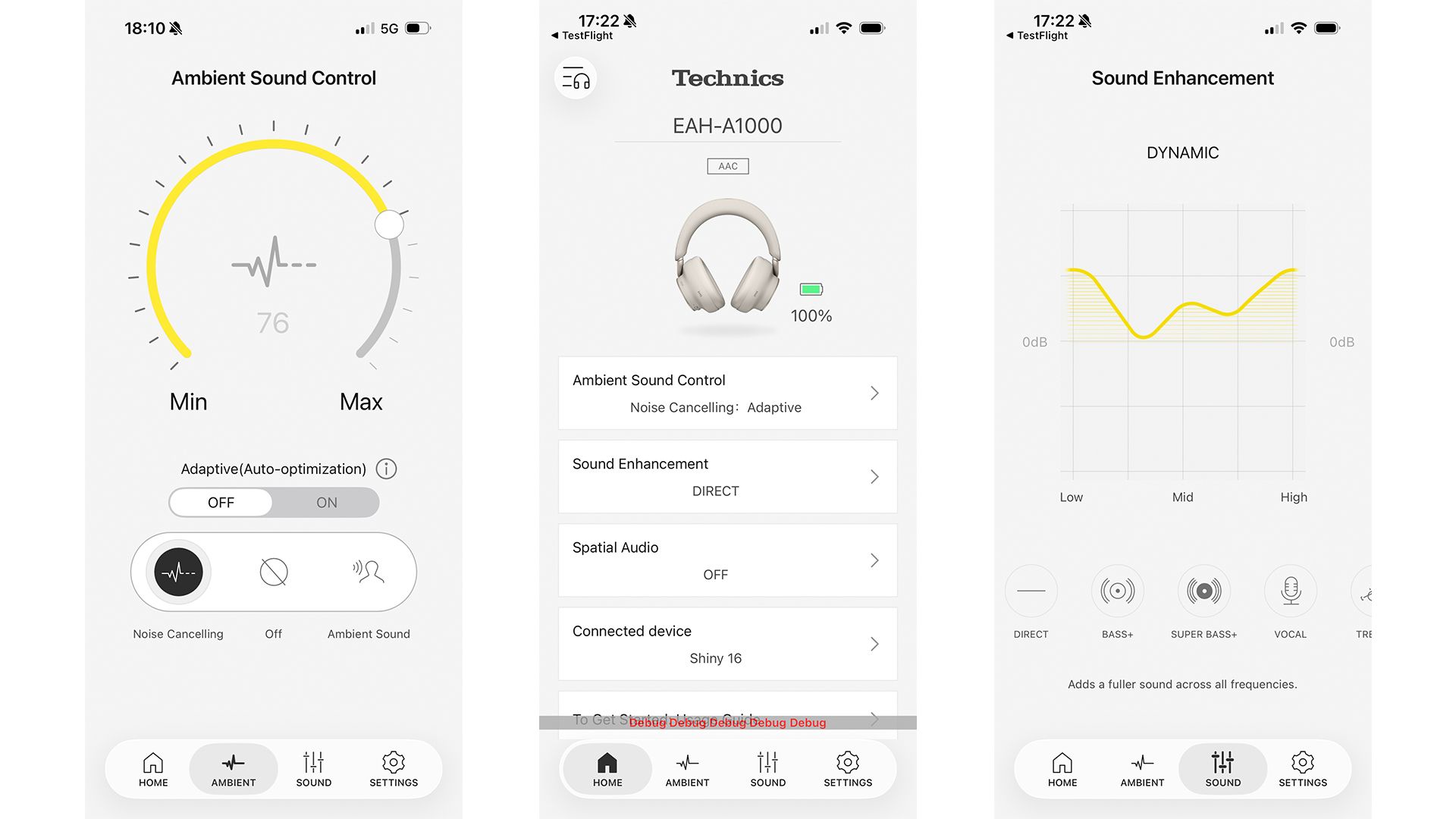
The EAH-A1000’s adaptive ANC performance uses four mics per side to adjust the noise levels according to your surrounding environment. In the app, you can choose the level of ANC on a scale of 0 to 100, or leave it in adaptive mode – curiously, we find that the adaptive mode does a better job of reducing rumbling traffic noise than full ANC.
The A1000’s noise-cancelling does a fine job of damping down surrounding noises – from train engines to traffic noises – enough that we can concentrate on our music. We spent a long-haul flight from Tokyo to London with the Technics headphones acting as a good buffer between our music and the plane’s engines (the plush cushioning helps here too), although frequent flyers might want even deeper, low-frequency rumbles to be silenced.
However, we are more aware of the sudden whoosh of passing cars and of background chatter here than on rivals, with the Sony XM6 dealing with such midrange and high-frequency noises more effectively. You can also feel the pressure of Technics’ ANC technology working hard when in adaptive ANC mode, which some may not like compared with Sony’s more natural, less-processed effect.
The customisable Ambient/transparency mode keeps you aware of your surroundings in a way that doesn’t feel too artificially amplified, while a further ‘attention’ mode enhances voices, so you never miss train announcements. The latter’s effect is more obviously processed, and we think the standard Ambient mode does the job well enough.
Call quality is a high point on the A1000, with our voices coming through clearly and with next-to-no background noise seeping through. We stand on a busy road during rush hour, and the caller on the other end can’t hear any traffic noise distracting from our voice. The Sony XM6 rival makes our voice sound fuller and more natural, but they also allow more background noise to cut through.
Sound
(Image credit: What Hi-Fi?)
The biggest update Technics has made in its new flagship over-ear headphones is to do with the newly developed driver technologies. The Magnetic Fluid Driver technology worked so well for the AZ100 earbuds, it’s being used here again, albeit modified for the larger 40mm drivers in the A1000 over-ears. This aims to keep the movement of the driver consistent and reduce unwanted vibrations, without adding unnecessary mass.
The diaphragm is made of a lightweight yet rigid pure carbon fibre material, which, coupled with the driver’s cone shape and the SST (Symmetrical Surround Technology) Edge taken from Technics’ hi-fi speakers, aims to deliver a fast, accurate response with reduced distortion.
A redesigned acoustic control chamber further helps to manage airflow, with Technics promising a more natural soundfield for its “high precision music reproduction” to flourish.
Put it all together, and we’re met with a sound that is clear, spacious and very detailed.
Play Fallin’ by Alicia Keys, and her vocals soar in an open and roomy soundstage. The rough and raw edges of her singing come through with clarity and refinement, and the top notes have plenty of headroom to shine. Switch to Limit To Your Love by James Blake, and there is a satisfying amount of depth and solidity underpinning both his voice and the deep, plunging bass. The A1000’s presentation is full-bodied, with ample detail to voices and instruments giving them an immediacy that holds your attention.
(Image credit: Technics)
Every instrument in The Dave Brubeck Quartet’s Take Five is fairly easy to place, with the robust, tuneful saxophone appropriately taking the spotlight, while the sharper hi-hats and snares in the background hit with crispness but don’t intrude unduly upon the composition. The overall sound is clean and clear – Technics has done a fine job at keeping distortion levels low, which means we don’t mind listening at louder volumes, either.
There is a sweetness and smoothness to the sound. This characteristic doesn’t attempt to gloss over any cracks or try to smother any harder edges; it simply makes for a refined balance that is appealing to listen to from the get-go.
While not obviously lacking in energy, we do wish the A1000 had a bit more verve and attack when required. The rival Sony XM6 and Sennheiser HDB 630 headphones counter with a more propulsive, driven sense of rhythm that sounds more musically coherent, with low-level dynamics handled with a bit more agility. The start and stop of notes could be more precisely defined on the Technics, with bass notes, while deep and fulsome, sounding just a touch soft around the edges.
They are simply more comfortable staying on the polite, gentler side of the fence rather than getting their hands dirty.
Despite this, the A1000’s sense of organisation and level of detail retrieval is admirable, and they don’t ever lose composure when confronted with more complex or busy recordings. They make the difference between a hi-res and low-res recording clear, but handle those lower-quality recordings with the same refined brush – it’s a quality that means we’re happy to listen to the headphones for hours on end.
Verdict
(Image credit: What Hi-Fi?)
Technics’ EAH-A1000 are a fine pair of headphones. Their comfortable, elegant design and that refined, smooth presentation have plenty of appeal. There are many who will fall for the A1000’s charms, and we wouldn’t find much cause to deter them. At this level, however, the Sony WH-1000XM6 and Sennheiser HDB 630 rivals deliver just that bit more rhythmic precision and dynamic subtlety, leading to a more involving listening experience.
There’s plenty that Technics has done right with its new flagship over-ears. If they could combine just a bit more grit and punch alongside that sweet, open presentation, they could be on to a winner next time.
When setting up an ultra-short throw (UST) projector, most of us are content with placing it on a simple cabinet. That can call for a fair bit of adjustment, though, and is often not the most aesthetically pleasing addition to a living room.
But there’s a new US-based brand offering a premium alternative. Cinèst’s Core Collection consists of the A1 and E1 luxury UST projector consoles, which the company claims are “engineered to keep your projector at its best – whichever UST you choose”.
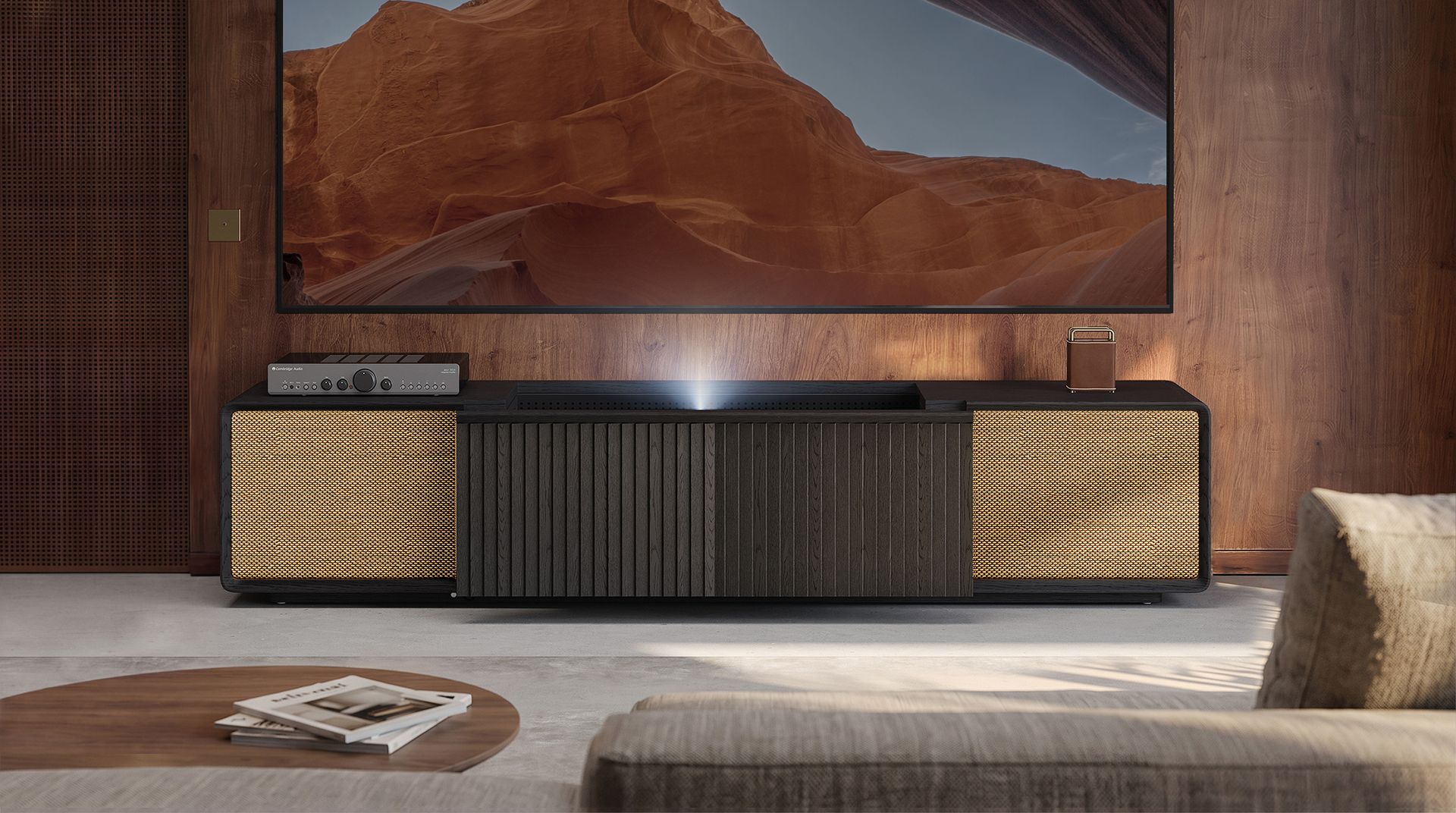
Positioned inches away from your screen, the middle cabinet houses your UST projector. Cinèst says you can use it with basically any UST model. Once activated, the centre of the cabinet opens up like a reverse trapdoor using a motorised mechanism to project the image onto your screen.
You can then adjust the platform’s height or depth using the remote control to fit the screen. Once you have found the right position for your projector, the Core series remembers your preferred settings.
There’s also a built-in ventilation system, including perforated fabric panels which Cinèst says can keep the components cool without exposing them.
If you have lots of cables snaking around, then the cabinets include some rather nifty organisation features. There are six AC outlets and two USB-A ports built into the cabinets, as well as holes for the wires so they stay concealed.
It is made from premium-looking wood and both cabinets offer either black or brown finishes. While the E1 just comes with one sizing option (91 inches), the A1 is available in 103 and 118 inches.
The smaller cabinet will set you back £2300, while the larger comes in at an arresting £3450. That puts it on par with the five-star Hisense PX3-Pro UST projector, which we tested at £2499 / $3499 / AU$4499.
It’s far from accessible for the majority of homes, but its sleek look and innovative design should make it a luxury-feeling addition to your living room if you have the funds and the space.
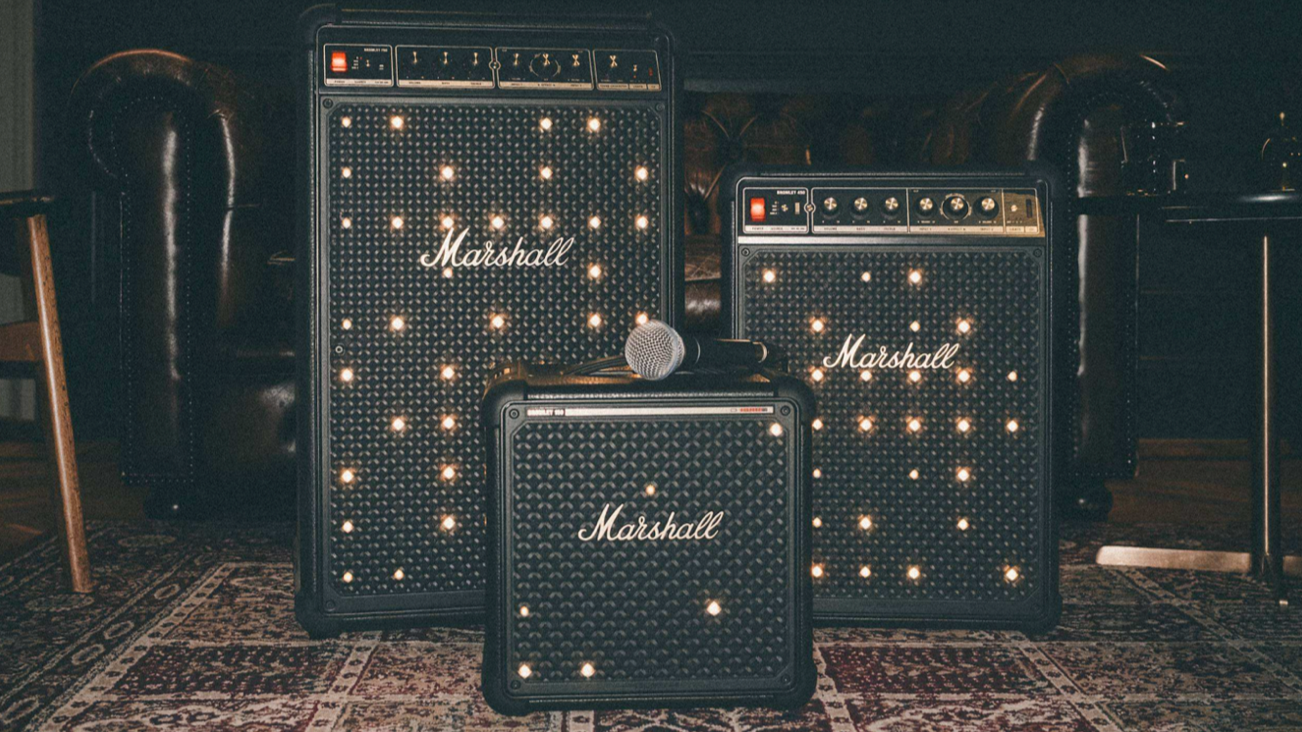
British audio brand Marshall has launched its latest party-ready Bluetooth speaker, the Bromley 150.
Acting as the newest and most portable addition to the brand’s party-focused speaker line-up, the new unit packs 200 watts of Class D amplification driving a four-driver array to produce “rich mids, detailed highs, and deep bass”.
Those drivers are backed by Marshall’s ‘Stereophonic 360 sound’ technology, which seeks to emulate the immersive feel of a live performance by creating a more omnidirectional sound that remains consistent at any angle.
The Bromley 150 carries the same design language as its 750 and Bromley 450 stablemates, with a mounted control panel accompanied by integrated stage lights which sit behind the grille and move in sync with your music.
The new speaker boasts more than 40 hours of playtime on a single charge, with a 20-minute charge granting 5 hours of playtime. An IP55 certification and a silicone cover offer protection against water and dust ingress, while a retractable carry handle further adds to the (reasonably) compact Bromley 150’s portable credentials.
(Image credit: Marshall )
Like its bigger brothers, the new speaker offers microphone and instrument inputs via its combined XLR/6.3mm jack, so you can use it for impromptu karaoke and jamming sessions alongside day-to-day listening. For pure audio inputs, a 3.5mm auxiliary port is available alongside USB-C.
According to Emma Rydahl, Marshall’s Senior Industrial Designer: “Bromley 150 delivers the same exceptional performance and craftsmanship as the Bromley 450 and 750 in a more compact form. By repositioning the control panel to the side while retaining the tactile controls users love, we’ve freed up the entire front panel for what matters most: powerful sound and immersive stage lighting.”
The Marshall Bromely 150 will be available for general sale on 13th of October in its ‘Black and Brass’ colourway, priced at £400. That’s a good chunk more than the Award-winning JBL Xtreme 5 (£330 / $400).
Got a burning question about your hi-fi, home cinema or TV setup? Or perhaps you’re struggling to decide what to buy next? Our Sound Advice live Q&A is back this Friday, giving you another chance to put your questions directly to the What Hi-Fi? team.
Following the success of our first Sound Advice Q&A, we’ll be back between 1pm and 3pm this Friday, 2nd October, to tackle your questions on everything from choosing new kit to getting the most out of the equipment you already own.
Ketan Bharadia, our Technical Editor, Kashfia Kabir, our Hi-Fi & Audio Editor, and I (I'm the TV & AV guy) will be on hand to offer our advice on hi-fi, headphones, home cinema and TVs.
Wondering whether you should buy an OLED or Mini LED TV? Trying to choose between two of the best speakers? Not sure which turntable would make the most sense with your existing system? Or perhaps you’ve got a question about Dolby Atmos, streaming, vinyl or one of the latest AV formats? Ask away.
We can also give you our thoughts on the latest products and technologies, help you decide whether a tempting deal is actually worth taking, and answer questions about how we test and review the products we recommend.
As before, the Q&A page will go live on Friday morning, so you can get your questions in before we start at 1pm. You can also leave questions in the comments below or email them to whathifi@futurenet.com, and we’ll do our best to answer as many as possible during the session.
Sound Advice is about giving you the kind of personalised advice that isn’t always possible in a standard review or buying guide. So whether you’re facing a tricky buying decision, want to know what we think about the latest hi-fi and home cinema tech, or fancy a peak behind the What Hi-Fi? curtain, we’d love to hear from you.
Join us this Friday – and get your questions in nice and early!
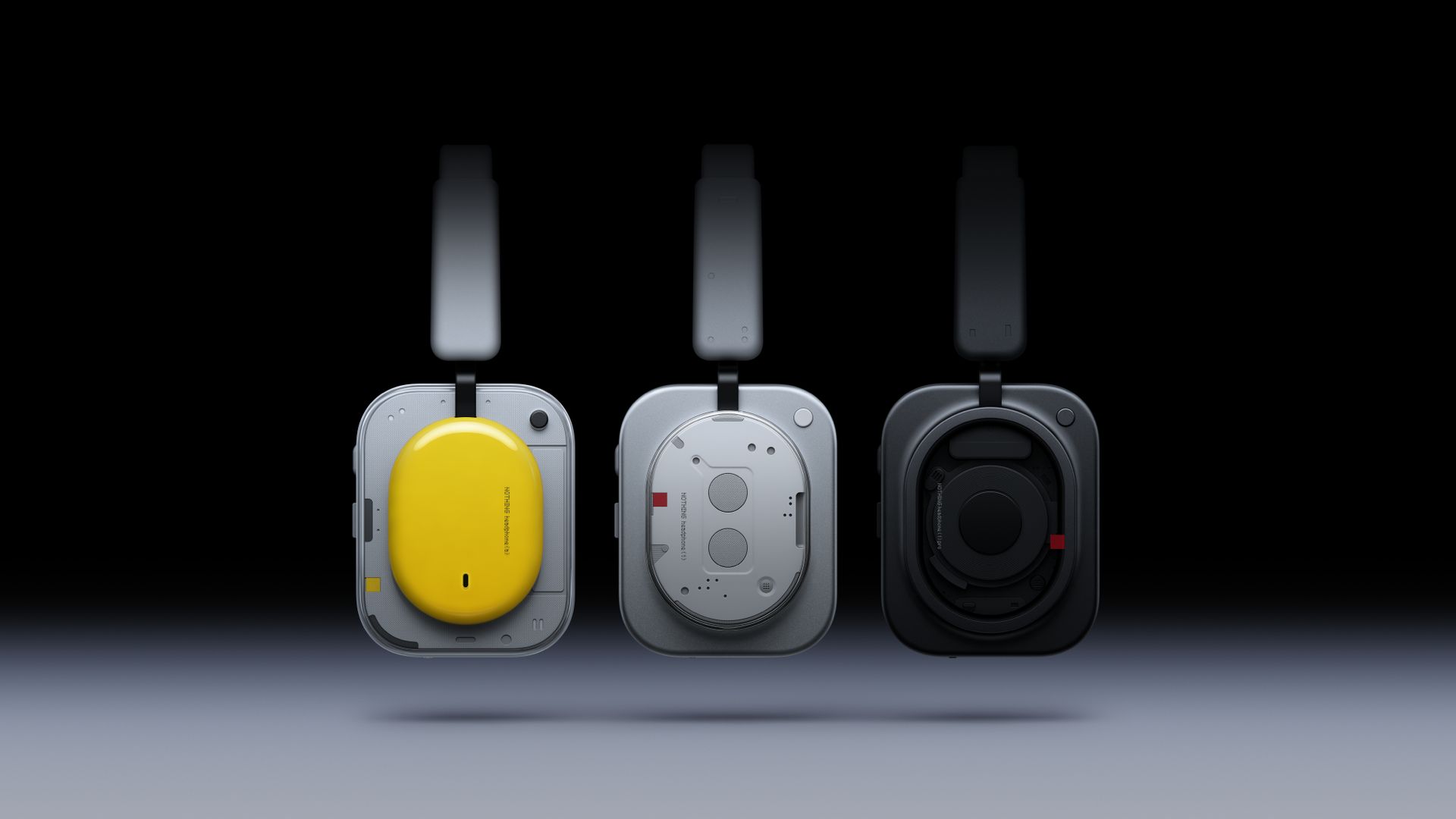
Nothing has announced its latest pair of over-ear wireless headphones, the Headphone (1) Pro.
Following on from the original Headphone (1) and its more affordable Headphone (a) counterparts, the new Headphone (1) Pro sit atop the brand's over-ear range as its most advanced cans yet.
Aimed at audio enthusiasts seeking "the most detailed and customisable listening experience, the Headphone (1) Pro feature a triple driver architecture designed to more effectively cover the sonic spectrum.
Nothing teases punchy bass thanks to the headphones' bass dynamic driver, accompanied by textured vocals from a dynamic midrange unit and crisper highs courtesy of a new treble 'xMEMS' driver. For higher-fidelity playback up to 24-bit/192 kHz, you can connect to the new flagship cans via USB-C.
Nothing promises its best-ever active noise cancelling courtesy of the Headphone (1) Pros' 10-mic array and more isolating ear cushions. The brand's 'Clear Voice Technology', meanwhile, uses two mics on each side of the headphones to keep voices sounding clear and crisp.
What about battery life? The Nothing Headphone (1) really excelled in this area, granting a whopping 80 hours of playtime with ANC switched off and around 35 hours with noise cancelling turned on.
The more powerful Headphone (1) Pro don't quite match those numbers, but with 68 hours of playtime with ANC off and 30 hours with it on, plus four hours of listening from a 5-minute charge, they're hardly doing badly.
(Image credit: Nothing )
The Headphone (1) Pro are controlled using the Nothing X app, from which you can access a range of fine-tuning tools to personalise your experience.
This is an unashamedly Nothing pair of headphones in terms of looks, with the flagship cans sharing a similar design language with their more affordable forebears. The rectangular earcups return, boasting scratch-resistant glass which grants a glimpse of the drivers housed beneath.
Nothing also promises more even weight distribution thanks to a wider headband and thicker padding, as well as titanium arms and softer ear cushions to further aid user comfort. They're even IP52 rated, granting protection against water splashes and some dust ingress.
The Nothing Headphone (1) Pro are available now in Black or White finishes, priced at £349 / $399. That's a figure that puts them firmly in the mix with the likes of the Sony WH-1000XM6 (£349 / $400 / AU$699) and Sennheiser HDB 630 (£400 / $500 / AU$1000).
Bose has become the latest company to jump back on the wired earbuds bandwagon, announcing new Bose Noise Cancelling Wired Earbuds. Notably, the earbuds will still feature Bose’s QuietControl active noise cancellation.
Bose says the new earbuds will connect to compatible devices with a 128cm USB-C cable and draw power from the source, mitigating the need for a dedicated, rechargeable battery, despite the inclusion of ANC.
ANC is delivered by two microphones on each earbud, which “continuously monitor, react to, and minimise surrounding sound”.
Three listening modes are available: ‘Quiet Mode’ is the full-fat ANC option, ‘Aware Mode’ lets surrounding sound in when listeners want to stay tuned-in to their surroundings, and ‘ANC Off Mode’ does precisely what it says on the tin.
Each earbud includes soft silicone eartips in small, medium and large sizes, alongside medium and large stability wings. Bose suggests that listeners “mix and match the components to find a fit that feels both comfortable and secure”.
Despite their retro inclinations, the wired earbuds feature Bose’s proprietary SoundDesign digital signal processing, which the company claims delivers “crisp, clear audio with support for lossless audio listening”. The earbuds can accept source input at any sample and bit rate, with playback output fixed at 24-bit/48kHz.
(Image credit: Bose)
Bose claims that a wired connection enables low latency performance, “keeping sound in sync while watching videos, gaming, or creating content”.
In the absence of a dedicated app, sound controls for volume, playback, call functions and cycling ANC modes can be accessed via an in-line remote with “tactile physical buttons”.
A dedicated microphone on the back of the remote handles calls, and "minimises unwanted noise from contact with clothing”, allowing users to “speak naturally without holding the remote close to [their mouths]”.
The earbuds also have an IPX4 rating for water resistance and come with a zippered carry case.
According to Raza Haider, president of Bose Premium Consumer Audio: “Wired earbuds are experiencing a cultural renaissance, and when we decided to bring them back, we knew we had to make them even better than before. Technology has come a long way since our last wired earbuds, allowing us the opportunity to bring our latest advancements to the category and set a new standard for what wired earbuds can be.”
The Bose Noise Cancelling Wired Earbuds are now available to pre-order for MyBose customers at a price of £99 / $99 / AU$170, with general availability starting 15th October. Finishes include Black, White Smoke and limited edition Dewdrop Mint.
What was the moral of The Boy Who Cried Wolf? Keep telling the same old tale and, eventually, people will stop believing you.
We've had so many false dawns with regard to the new HomePod Mini 2 that we were genuinely starting to believe that a sequel would never come. Apple's recent September launch event seemed like the perfect time for some new HomePods, but we had to settle for a folding iPhone and the AirPods 5 with ANC.
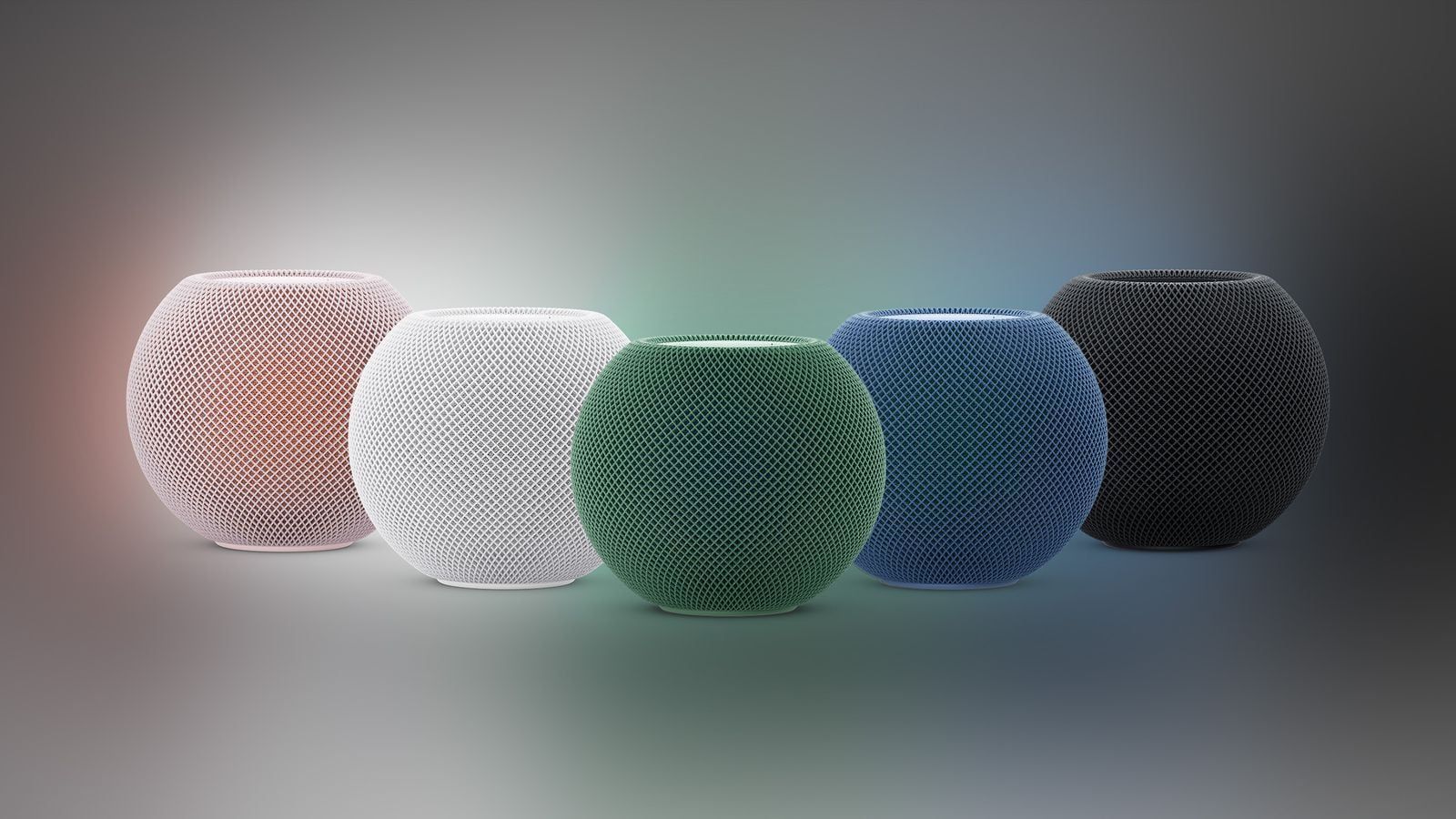
We know we've said it before, but this time it really does appear to be the case: Apple looks set to launch the HomePod Mini 2 at some point before the end of 2026. According to MacRumours, Apple has indeed been working on a new HomePod for several years, hence previous reports of iOS software updates including codenames referencing a number of unreleased products.
One of those codenames was 'B525', and as the current HomePod Mini has the code 'B520', that had strongly implied that a second-gen sequel was forthcoming. We all thought that Apple's recent launch event would be the time to do it, but a no-show on the HomePod front now appears to be a minor hiccup rather than a definitive sign that no new models would ever be forthcoming.
The current HomePod Mini remains a ripper smart speaker. (Image credit: Future)
Now, the evidence is far more concrete than codes and call signs. According to MacRumours, Apple's own code shows clear product images of the new models in all of their colours, specifically referring to a "HomePod Mini 2".
The new HomePod Mini will come in green, pink, blue, white and black finishes, a switch up from the current model's yellow, orange, blue, white and midnight offerings. Apple added a few colourways post-launch to the HomePod Mini, so it could expand the palette of the second-gen speaker later down the line.
Elsewhere, we're still at the point of broad speculation regarding upgrades, but we remain steadfast in our conviction that, thanks to a new chip, upgraded Apple Intelligence and improved Siri performance will be locked and loaded. We might potentially see improved microphones, enhanced audio, better codec support and, as pictures now showcase, those flashy new colourways.
Prices are yet to be leaked, but we're still hoping that Apple doesn't hike the price of the Mini's original £99 / $99 / AU$149 RRP for the sequel. Sadly, chip shortages are hitting audio manufacturers hard, so don't be too shocked if prices rise when the Mini 2 arrives.
We know we've said it before, but this time it really might be true: a HomePod Mini 2 could be just months, maybe weeks, away. Now, where's that HomePod 3 got to?
Another week, another sea of hi-fi and home cinema announcements. If, like many of us, you have struggled to stay on top of all of them, don’t worry, as our team of experts has come up with a fresh entry to our weekly Rewind news digest!
Once again, we detail all the top stories and developments every AV fan should be aware of in a handy summary, making it quick and easy to stay on top of all the latest news.
The Sonos Beam Ultra Dolby Atmos soundbar and Ace Ultra wireless headphones are two of September’s hottest releases, coming from the audio firm behind multiple What Hi-Fi? Award winners. Last week, our reviewers published their full reviews of both products.
The Beam Ultra proved to be the more impressive of the two, with its new driver arrangement delivering a better sense of height and much improved, tighter low end than its step-down sibling, the Beam 2. So much so that we gave it a five-star rating and reported: “Sonos has struck Dolby Atmos gold yet again.”
The Ace Ultra proved to be a solid step in the right direction for Sonos’s wireless headphone offering, delivering a more powerful, rich and weighty sound than the three-star original Sonos Ace. But a slight lack of finesse stopped them from troubling the best of the best in their category, hence their four-star rating and our verdict:
“While they’re still not quite on the level of the class leaders, Sonos’s sophomore wireless headphones are a marked improvement in sound quality, along with their comfortable design and healthy features set.”
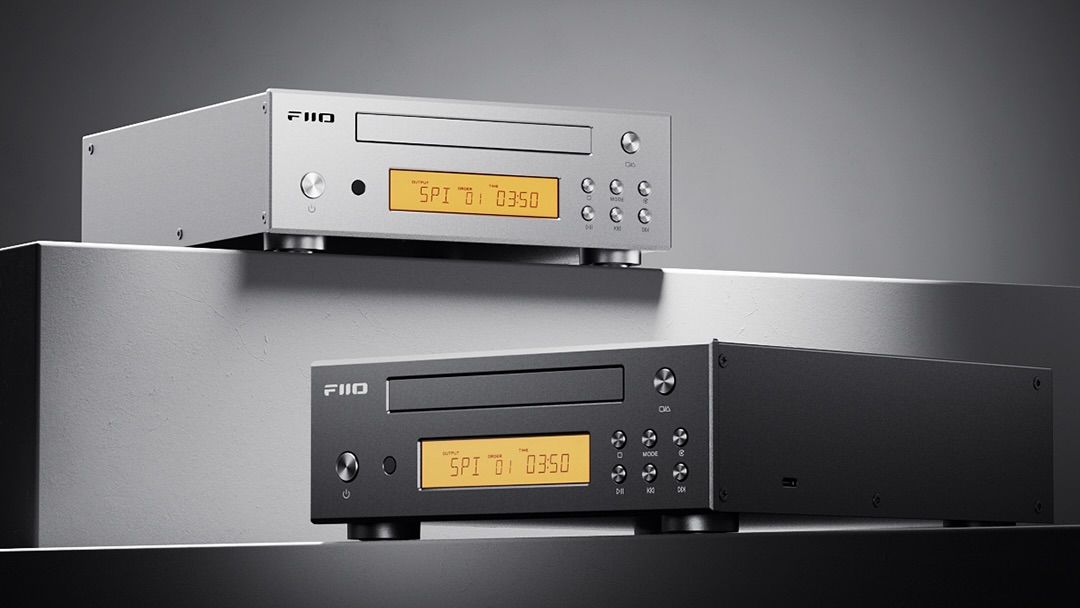
Last week, FiiO launched its new DP11 CD digital transport. In true FiiO style, the product is crammed to the brink with hardware, offering a kitchen-sink solution to people who want an affordable CD player that can double as a ripper, DAC and pre-amplifier.
Built around a Cirrus Logic CS43198 DAC chip, the unit shares a common circuit design with Fiio’s S15 streamer, and is being pitched as an affordable, flexible solution for CD collectors who are short on space. The unit is set to launch in the US and EU, costing $189 / €185. We still await UK pricing.
Qualcomm unveiled its next-gen wireless headphone chip
(Image credit: Yesim)
Qualcomm (the company that builds the wireless chips used in numerous big-name wireless headphones, from the likes of Bose, Cambridge Audio, Sennheiser, Bowers & Wilkins and more) last week unveiled its next-gen Snapdragon Sound Elite Gen 2 platform.
Smaller, more power-efficient, and packed with AI features, the firm made a lot of noise about the chipsets’ technical upgrades. But for us here at What Hi-Fi? it was the firm’s audio claims that caught our attention. Qualcomm claims the reduced size will give headphone makers more freedom when it comes to driver size and, thanks to their advanced AI processing, better ANC and improved sound.
We’ll have to wait for headphones with the new chips to start appearing before we can confirm any of these claims, but if even a few of them ring true, we could be in for an audio treat.
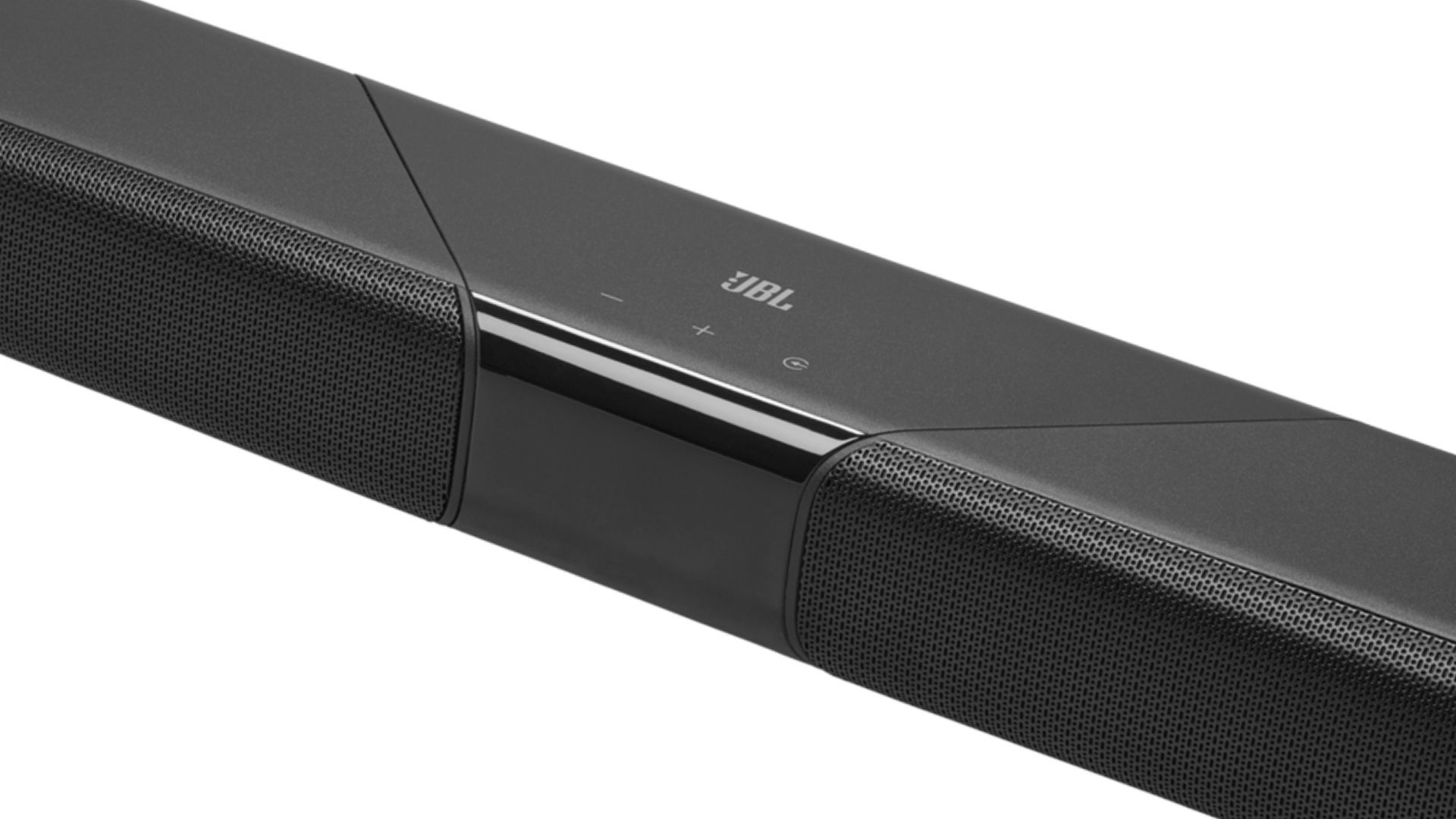
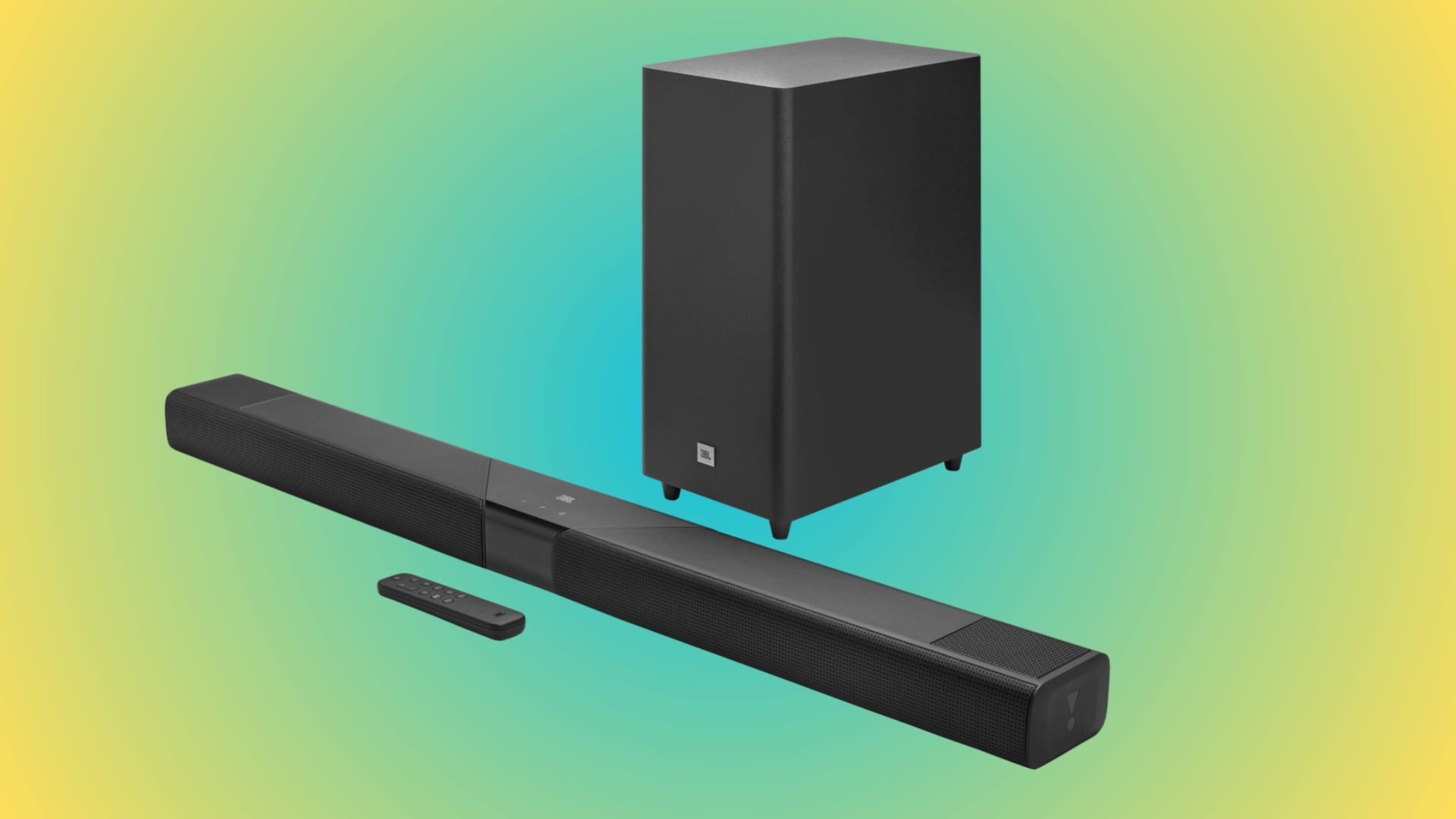
JBL has just released four soundbars under the Cinema SBMK2 series, which offer a brand-new feature for the US-based brand.
You can connect the soundbars wirelessly to JBL portable speakers as rear surrounds, which JBL says will “deliver true surround sound at the touch of a button”.
If you already own a pair of JBL Flip 7 portable speakers, you’re in luck – this is the only compatible model right now. The burrito-shaped Flip 7 got a five-star rating when we reviewed it, offering as it does a skilful handling of dynamics and detail.
But what about the new soundbars? Well, all but one offer an unusual design quirk: you can fold them into a U-shape. The brand says this is so the bars are easy to carry around and take up less space in the box. JBL also tells us that the bar cannot be used in its folded state.
(Image credit: JBL)
First on the list is the flagship SB595MK2, which offers a 3.1.2-channel configuration and true Dolby Atmos support thanks to its up-firing drivers. That’s paired with a separate 6.5-inch subwoofer, delivering a total power output of 440W.
It will set you back £350 / $350, putting it in competition with the Award-winning Sonos Beam Gen 2 that scored five stars in our test room.
The SB580MK2 (£300 / $300) comes with the same subwoofer as its more pricey sibling. This 3.1-channel soundbar does not have up-firing drivers, but there is still virtualised Dolby Atmos support.
Next is the JBL SB550MK2, which features a 5.25-inch subwoofer and a total power output of 360W. There is no Dolby Atmos on the cards with this the 3.1-channel model, so you are limited to Dolby Audio.
Finally, comes the SB510MK2. It’s the only non-foldable soundbar of the bunch and also the cheapest. The subwoofer is built into the soundbar’s main body, so you need accommodate only one piece of kit.
Bluetooth is supported with all models, so you can stream music to the bars from other devices.
We will have to wait until we get the models in our test room to determine how well they compare with their rivals. Being able to use the JBL Flip 7 as rear surrounds is a promising addition in terms of flexibility and scale, but we hope the brand adds compatibility to even more speakers soon. Stay tuned for our full review.
Tribit has announced the launch of a new portable Bluetooth speaker, the StormBox Max, which the company says has been “designed to to deliver bigger, richer sound at home or on the go”.
The speaker packs 60W of total output power into its portable design, which measures 20.3 x 10.9 x 10.9 cm (hwd) and weighs 1.2kg.
Sound is delivered by a 30W woofer and four 7.5W silk-dome tweeters, which Tribit says create “powerful, room-filling audio”.
The StormBox Max supports Bluetooth 6.0 with a range of up to 45 metres for AAC and SBC codecs, as well as A2DP, AVRCP, HFP and HSP protocols.
Two speakers can be connected using TWS pairing for separate left and right stereo channels, while those looking to party can turn to the speaker’s Auracast function, which enables 100+ compatible speakers to be connected for synchronised audio on larger scales.
For “everyday versatility”, the speaker also supports hands-free calling.
(Image credit: Tribit)
Users seeking a more personalised listening experience have the option to “take control of sound”, using Tribit’s XBass 2.0, which features a ±5-step knob for adjustable bass. An additional EQ button makes switching between the company’s ‘Signature’ and ‘Outdoor’ sound modes simple, while further customisation is available through the Tribit App.
Battery life shouldn’t cut your listening short – the StormBox Max can provide up to 20 hours of playback, while using default EQ settings at 50 per cent volume.
The speaker charges via USB-C, with a full charge taking four hours. An automatic power-off function switches the speaker off after 15 minutes without an audio input.
The USB-C connection can also be used as a 5V/1A charging output, so you can refuel your devices on the go.
Tribit has taken outdoor listening into consideration, too, with an IP68 dust ingress and waterproof rating, which “makes [the speaker] ideally suited to outdoor adventures”.
The StormBox Max is now available for £100 / $130.
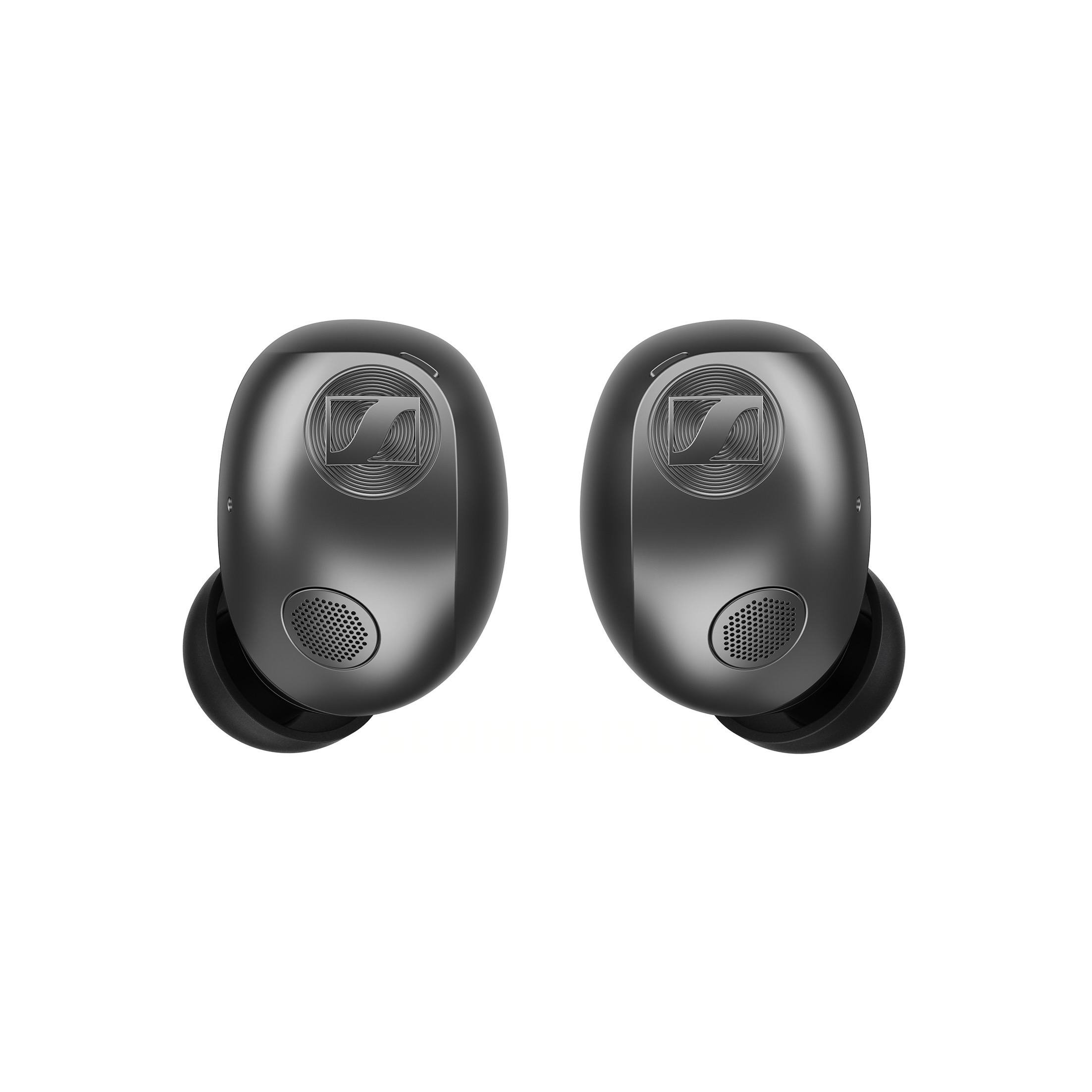
The Sennheisers seriously impressed us with their top sound, marathon battery life and extensive feature set, even if they can sound a little etched in the higher frequencies.
Pros
Crisp, nimble presentation
Strong clarity and detail
Impressive battery life
More comfortable than the XM6
Cons
ANC isn't quite as good as the Sonys'
Highest frequencies can sound a tad etched
Sony
WF-1000XM6
They may not quite have the sparkling clarity of the Sennheisers, but the Sonys have the more entertaining, expressive sound backed by superior call quality and a raft of advanced features.
Pros
Wonderfully natural, musical sound
Excellent detail and dynamics
Class-leading noise cancelling
Better call quality than the Sennheisers
Cons
We don't find them as comfy as the Momentum TW 5
Bulky charging case
Sennheiser and Sony make some of the best wireless earbuds around, so when a new pair from either brand launches, it's big news indeed.
Sennheiser's latest, the Momentum True Wireless 5, do not disappoint. Their crisp, detailed sound and impressive battery life helped them earn a five-star review, but are they better than Sony's five-star WF-1000XM6? That's what we're here to find out.
We've compared every aspect of the two pairs to help you decide which is right for you. Ready? Let's go.
Sennheiser Momentum True Wireless 5 vs Sony WF-1000XM6: tech specs comparison
Sennheiser Momentum True Wireless 5
Sony WF-1000XM6
Bluetooth version
6.0
5.3
Codec support
SBC, AAC, aptX, aptX Adaptive
SBC, AAC, LDAC
Noise cancelling
Yes
Yes
Battery life (ANC on)
6hrs (earbuds); 25hrs with case
8hrs (earbuds); 24hrs with case
Finishes
5 (Graphite, Cream, Copper, Denim, Lavender)
2 (Black, Platinum Silver)
Weight
7g per bud
6.2g per bud
Sennheiser Momentum True Wireless 5 vs Sony WF-1000XM6: price
When it comes to price, there really isn't much to choose between these two pairs. The Sennheiser Momentum True Wireless 5 launched at £250 / $300 / AU$480, which is very similar to the XM6's launch price of £250 / $330 / AU$500.
However, the XM6 went on sale back in February 2026, whereas the Sennheisers only launched at the start of September, meaning that the Sonys are much more likely to be discounted.
Indeed, they already have been. Last summer's Prime Day saw the XM6 drop to £199, and with both Amazon Prime Big Deal Days and Black Friday coming soon, expect plenty more drops where that came from.
It's too early for a major deal on the Sennheisers, though we could see a small discount this side of Christmas.
** Winner: Sony WF-1000XM6 **
Sennheiser Momentum True Wireless 5 vs Sony WF-1000XM6: build & comfort
Sennheiser has slightly modified the design for the fifth-gen Momentum True WirelessWhat Hi-Fi?Sony's eartips can split opinionWhat Hi-Fi?
Sony and Sennheiser have strong legacies in the wireless earbuds space, so it's hardly surprising that both pairs stick to the respective brands' tried-and-tested designs.
The Sennheisers have had a few subtle tweaks to freshen up the design. They're now rounder and more similar in shape to a baked bean. The Momentum True Wireless 5 have a new case too, which is taller and slimmer than its predecessor, and made of speckled plastic.
Both pairs are comfortable enough to wear for long sessions, though we have found the XM6 (like most Sony 'buds) split opinion – some people get on with them fine, others struggle to get a secure fit even after trying the various sizes of bundled eartips.
Both pairs offer XS, S, M and L tip choices, though we'd predict that most users will find the Momentum TW 5s' fit more secure and forgiving than that offered by their Sony rivals.
With an IP54 rating, the Sennheisers are protected against dust and water splashes, whereas the Sonys only have water protection. If you're heading to the beach, the Momentum True Wireless 5 are the safer bet, as they'll offer a more reliable shield against small particle ingress.
Both pairs of buds feature touch controls which can be customised using the respective mobile apps, both of which are in-dept and a pleasure to use.
Do note that the Sennheisers come in far more finishes – five, to the Sony's rather measly two.
** Winner: Sennheiser Momentum True Wireless 5 **
Sennheiser Momentum True Wireless 5 vs Sony WF-1000XM6: features
Sennheiser's buds support more widely-used sound formats like Dolby Atmos and aptX AdaptiveWhat Hi-Fi?Whereas Sony ploughs its own furrow with its proprietary 360 Reality Audio and LDAC formatsWhat Hi-Fi?
These new Sennheisers support spatial audio with Dolby Atmos, while Sony's wireless buds have their proprietary equivalent 360 Reality Audio. Both features work well, especially the dynamic head tracking, though Atmos is the more widely supported format, so you'll find more spatial content to listen to using Sennheiser's 'buds. Plus, you'll have to have your ears 'analysed' to use 360 Reality Audio, something which some users might find to be an unnecessary hassle.
The Sonys counter with the longer battery life, on the buds at least – you get eight hours of playtime from the buds alone, and only six from the Sennheisers. The Sennheisers do last an hour longer when you factor in recharges from the case, however, offering 25 hours of use to the XM6s' 24 hours. These figures are all with active noise cancellation turned on. Turn it off, and the Sennheisers go for a marathon 40 hours in total)
For higher-quality listening, the Sennheisers support the aptX Adaptive codec, while the Sonys have LDAC. The Sennheisers also support a more recent version of Bluetooth: 6.0 compared to 5.3 on the Sonys. Bluetooth Multipoint comes on both pairs for seamlessly switching between connected devices.
Sony's DSEE Extreme processing boosts the sound of lower-quality files – handy if you're listening to compressed formats like MP3. But for the longer total battery life, more advanced Bluetooth and more widely used audio standards, the Sennheisers take this round.
** Winner: Sennheiser Momentum True Wireless 5 **
Sennheiser Momentum True Wireless 5 vs Sony WF-1000XM6: ANC & call quality
The Sennheisers' new shape is designed to provide better passive noise isolationWhat Hi-Fi?But the Sonys offer superior call qualityWhat Hi-Fi?
Sennheiser and Sony have been in the noise-cancelling game for quite some time now, and their flagship pairs of earbuds pack some mighty impressive ANC credentials.
Both pairs pack four mics in each earbud, while the Sonys add the brand's third-gen HD Noise Cancelling processor QN3e and Adaptive NC Optimiser, which automatically adapts the ANC algorithm to your fit and environment.
The Sennheisers' new shape is designed to provide better passive noise isolation. In our Momentum True Wireless 5 review, we found the noise cancellation "powerful yet not overdone" and more natural-feeling than some rival buds' ANC.
"The shrillest highs and most booming lows will penetrate," we concluded, "but for softening or excluding most external sounds, from general chatter to humming air conditioning, they confidently make the grade."
The WF-1000XM6 also fare very well in this regard. Testing them on planes and trains (but sadly not automobiles) for our XM6 review, we wrote that "they impressed us with their consistency and ability to extract both low-frequency rumbles of carriages and aeroplane engines, but also more high-pitched screeches and whistles that crept into our environment."
For call quality, however, there's a clearer winner.
The Sonys combine AI beamforming, bone conduction sensors, extra mics and a wind noise reduction design to devastating effect. They "do a great job subduing and minimising background noise, including tricky-to-handle wind noise – voices come through loud and clear with a great level of detail," as we wrote at the time.
While the Sennheisers' microphone plates and acoustic chamber are configured to reduce the effect of wind, and they handle calls competently, we found that "voices can sound a little muffled when compared with the natural clarity of the Sony WF-1000XM6."
A win for Sony on this one.
** Winner: Sony WF-1000XM6 **
Sennheiser Momentum True Wireless 5 vs Sony WF-1000XM6: sound
The Sennheisers sound great, but can be a little etched at the higher frequenciesWhat Hi-Fi?The Sony XM6 have a natural warmth and are full of texture and insightWhat Hi-Fi?
And so to sound.
Sennheiser's flagship pair contain the brand's signature 7mm TrueResponse dynamic drivers, which helps the sound stay clean and balanced.
Playing Massive Attack’s Paradise Circus, the Sennheisers "confidently track clacking drums, scattered hand claps and glassy synths" with plenty of insight and clarity. They excel in the midrange too – witness Hope Sandoval’s breathy whispers – and have no trouble staying organised and composed when faced with trickier compositions. Their bass, meanwhile, is weighty yet precise, adding a natural anchor to the frequencies above.
The XM6 also sound excellent, full of a natural warmth while also boasting impressive levels of detail and insight.
As we wrote in our review: "Everything that you expect to be present in a pair of flagship wireless earbuds is there: a fantastic sense of timing, an expressive midrange, weighty yet well-defined bass and crisp, nicely controlled highs. The Sonys cover all the bases and then some".
Through the Sonys, Tom Odell's Black Friday has plenty of delicacy and subtlety, and as fingers slide up the acoustic guitar's neck, "you can explicitly hear the little shifts in dynamics and the fine details in the gentle piano play, both of which mix beautifully with the sweeping strings that flow alongside both instruments."
Bass is powerful but controlled, and their rhythmic abilities are second to none.
So both pairs sound pretty great, but how do they compare side by side?
Both sets handle dynamics superbly, even with their somewhat contrasting approaches. As we wrote during our review of the Momentum TW 5, the XM6 "are more expressive in how they keep the underlying pulse of Radiohead’s Burn The Witch ticking away, but the Sennheisers' agile, nimble sound means that the track's relentless sense of attack isn't lost for a moment".
Side-by-side, the Sennheisers are also prone to sounding a bit more etched than the Sonys, particularly in the high frequencies, but this can be somewhat negated via the provided in-app equaliser.
The XM6 come across as more natural at this end of the frequency range, whereas the Sennheisers can sound a little hard-edged with cymbal strikes or shrieking strings. It's not a dealbreaker, but it is something to consider when weighing up your purchase.
This one is as much about taste as objective quality. The Sennheisers are sparklingly clear, especially through their superb midrange, with a natural smoothness and poise that we find to be a delight. If that's your kind of thing, they're a complete no-brainer.
For us, the Sony WF-1000XM6 just grab and hold our attention more effectively thanks to their more expressive, grippy sound. It's a close one, but the XM6s' masterful blend of analysis and entertainment is yet to be surpassed.
** Winner: Sony WF-1000XM6 **
Sennheiser Momentum True Wireless 5 vs Sony WF-1000XM6: verdict
It's a close run thing, but for sound, call quality and features, we just about prefer the Sonys. And given that they've been around since February 2026, they're more likely to see decent discounts than the much newer Sennheisers.
The Momentum True Wireless 5 are still a five-star pair, however, with a robust design, packed feature set and nimble sound. If their sonic personality sounds like your kind of thing, they're well worth considering, because they could definitely be the buds for you.
If you are looking for a Dolby Atmos soundbar, you may have noticed that there’s a certain price point that sits in a very difficult middle ground. Bars that come in at around the £700 / $700 must figure out how to make their mark between two more competitive categories.
Below this category sit cheaper, entry-level soundbars, such as the five-star Sonos Beam Gen 2 and the JBL Bar 300MK2. With their more affordable price tags and impressively immersive performance considering their compact footprints, we can certainly see the appeal for those wanting to upgrade their TV’s uninspiring audio.
Then, for those wanting a more premium addition to their system, more pricey Atmos bars make for a great upgrade. That includes the likes of the Sonos Arc Ultra which won a What Hi-Fi? Award in 2025.
So how do you make your mark as the middle child? There are two five-star models at this level that we have just put head to head – and there’s a clear frontrunner.
First up is the Sony Bravia Theatre Bar 7 + S, which comprises a soundbar and a separate subwoofer. Together, that gives you a 5.1.2-channel configuration with Dolby Atmos and DTS:X support.
At the back of the soundbar, you will find a cable cove that houses two HDMI sockets. One is the eARC port to connect the soundbar to your TV, while the other is a dedicated input.
Challenging this Sony combo is the newly announced Sonos Beam Ultra, boasting a 7.1.2-channel configuration. It offers an upgrade in hardware from the Beam Gen 2 thanks to its two up-firing drivers, although there is still no DTS:X support.
In terms of design, the two soundbars are taking different approaches. The Bravia Theatre Bar 7 sports a cloth grille, while the Beam Ultra has a matte plastic finish with controls for volume and Bluetooth connectivity on the top. You can get both of them in black, while the Beam Ultra also comes in a white option.
Right now, they are both available for £699 in the UK, despite the Sony model originally coming out with a slightly higher price tag.
We gave each of them five stars in our test room, but which one comes out on top?
(Image credit: Future)
The Sony and Sonos models each deliver a huge upgrade over the vast majority of TV speakers with their increased scale, clarity and detail.
When it comes to bass, we test out both models with the start of Chapter 2 in Blade Runner 2049. The Sony package is the meatier of the two and offers more of a floor-shaking experience thanks to its separate subwoofer. But the Sonos model blends the bass together more cohesively with the rest of the sound, and none of the frequencies stick out.
Where the Sony bar struggles with the lowest notes and delivers a little buzzing, the Beam Ultra offers a more refined, musical sound that presents more nuance in the low notes.
Both are precise, and we get a good sense of where each character is sitting during the interrogation scene between Officer K and the interviewer. The Sonos once again just edges ahead in this area, though, and has the best spatial positioning from the single bar.
In terms of scale, both Sony and Sonos deliver an expansive sound that extends beyond the height and width of our TV screen. That being said, the Beam Ultra’s audio hangs together more effectively to deliver the more convincing near-dome of Dolby Atmos sound.
Dialogue is crisp and expressive with both models, and remains at the forefront even during the busiest of moments.
Despite the Bravia Theatre Bar 7 + S delivering a bassy and immersive audio experience, the Sonos Beam Ultra manages to offer the most cohesive and engaging sound that makes it our top soundbar pick at this price.
AudioQuest’s DragonFly Copper retains all the charm and simplicity of the very first DragonFly we tested back in 2012: a hi-res DAC and headphone amplifier tucked into the titchy dimensions of a USB memory stick.
We marvelled back then at how such a small device could transform your computer into a full hi-fi system, and we haven’t stopped being impressed with subsequent DragonFly models (Black, Red, Cobalt) – all of which received enthusiastic five stars and have woven their way into many of the review team’s desktop hi-fi arsenal.
The new AudioQuest DragonFly Copper claims to be the brand’s most powerful and efficient DragonFly yet. Has it struck gold again?
Price
(Image credit: What Hi-Fi?)
Costing £229 / $250, the DragonFly Copper launches at a lower price than the previous Cobalt did at £269 / $300 back in 2019. The DragonFly Cobalt was a multiple What Hi-Fi? Award winner for many years until it was discontinued, and in its latter years its price dropped down to around £179 / $200.
There are some strong contenders at either side of the Copper’s price. At the cheaper end you’ll find iFi’s Go Link Max (£79 / $79) and hip-dac 3 (£199 / $199), while the Award-winning Chord Mojo 2 (at £395 / $650) remains the steadfast option for those who can pay more.
Build & design
(Image credit: What Hi-Fi?)
We’re delighted that the DragonFly Copper has stuck to its winning plug-and-play design. It’s tiny and easily portable. It is identical in size and shape to the older Cobalt, with only the shiny ‘copper’ finish differentiating the two on the outside.
At one end is a 3.5mm output for plugging in your wired headphones, while on the other is a USB-A connector for connecting to your computer. Using it couldn’t be easier. As before, a USB-A to USB-C adaptor (called DragonTail) is included in the box, so you can use the DragonFly Copper with smartphones and a broader range of laptops.
AudioQuest DragonFly Copper tech specs
(Image credit: AudioQuest)
Headphone outputs 3.5mm
Inputs USB-A, USB-C adapter included
Charging port N/A
Battery life N/A
Weight 25g
Dimensions (hwd) 12 x 19 x 57mm
There’s no volume control, buttons or menu here. The only adornment on this tiny DAC is the dragonfly logo that lights up and changes colour according to the sampling rate of the music file being played: green for 44.1kHz, blue for 48kHz, yellow for 88.2kHz and light blue for 96kHz. It glows red when in standby mode.
Despite the variety of ultra-portable DACs that are available on the market, we think the DragonFly Copper remains a wonderfully unfussy and practical design for instantly boosting the sound from your laptop (or smartphone), and elegant in its simplicity.
Its size means you can keep it anywhere – alongside your keys in your bag, in the mug that holds all your pens, or leave it attached to your laptop without it taking up any meaningful space. Its simplicity means absolutely anyone, even a novice or technophobe, can use it without any barrier.
Our only minor complaint about the otherwise classy and solid build is that this new finish shows up fingerprints quite easily.
So what’s changed? Inside is a new 32-bit ESS Sabre DAC/headphone amp, while better parts and materials are used to help improve performance. The Copper promises twice the output power of any previous DragonFly, while power consumption is reduced by about 25 per cent, all while improving supply-chain efficiency.
We are promised lower noise and distortion than before, and that copper-plated casing isn’t just about looks – it is also designed for improved RF (radio frequency) noise dissipation.
Features
(Image credit: What Hi-Fi?)
The DragonFly aims to handle all kinds of popular file types, from MP3s to WAVs to FLACs. You’ll have noticed by the LED colours that the maximum native file resolution is supported up to 24-bit/96kHz PCM. The Copper will accept 24-bit/192kHz files, but they will be processed at its resolution limit.
This is versatile enough for most people’s desktop music libraries, but there are now rival portable DACs even at this level that can support native 192kHz playback – so why this limit?
For AudioQuest, it was simply more important that the DragonFly Copper worked with every device you plugged it into. So to avoid any potential issues with device compatibility, the Copper uses the base USB Audio Class 1/USB 1.1 standard, which, while having a 24-bit/96kHz cap, ensures that it will have no issues when used with any audio-capable USB port. That means regardless of whether you’re using iOS, Android, Mac, Linux or Windows, new or old, the DragonFly Copper will/should work with all.
Additionally, in such a small package as the DragonFly, AudioQuest found that running at higher sampling frequencies increases noise levels, which tends to have an adverse effect on sound quality. While in a larger DAC this could be solved by separating the digital and analogue sections and shielding parts from the increased noise generated by the higher sampling rate, AudioQuest tells us this wasn’t possible in such a tiny form factor.
For AudioQuest, chasing the higher spec introduced trade-offs that it wasn’t happy with. If your digital library is full of these rarer higher file rates (and DSD files), you will want to consider alternatives, but we think the DragonFly Copper, for this price and its intended use, will be more than adequate for most people.
Sound
(Image credit: What Hi-Fi?)
We plug the DragonFly Copper into both a Lenovo Windows laptop and a MacBook Pro running Audirvana software, and play a variety of local tracks – hi-res FLACs, CD-ripped WAVs and even some lowly MP3s – as well as our favourite Tidal playlists. We also use a wide variety of headphones throughout our testing, which include the Beyerdynamic 990 Pro X, Grado SR325x, Shure SRH1540 and Sennheiser HD 600.
Does the DragonFly Copper improve your laptop’s music compared with simply plugging wired headphones straight into your laptop’s 3.5mm port? 100 per cent. The change in performance is immediate: every song sounds more powerful and dynamic, and musical elements are more precisely and confidently placed in a larger, more spacious soundstage. Layers of detail and texture are unearthed, with voices and instruments sounding full-bodied and substantial, while timing is spot-on.
Playing Fleetwood Mac’s The Chain (in 24-bit/96kHz), we find the leading edges to be crisply drawn, basslines and drum kicks are pulled taut and land with snappy impact, and there’s a good amount of tactility and shine to the guitar strums. Rhythmically, it all dovetails together to sound cohesive in the roomy soundstage. There’s drive and momentum in the repeated chorus – you can hear the fierceness in Stevie Nicks’ and Lindsey Buckingham’s warring vocals – and the drop in near-silence before that iconic bassline hits is appropriately dramatic.
With the DragonFly Copper deployed, that bassline is weighty and satisfying, while still tuneful and fast enough to keep the melody propelling forward.
Play The Curse by Agnes Obel, and the Copper makes it all sound fluid, atmospheric and involving. The breathy layers of her ethereal voice fill up the spacious soundscape convincingly while also sounding intimate; the difference in pressure of the fingers plucking the strings and the movement of the bow across the strings is more apparent.
Compared to previous DragonFly DACs, the Copper sounds cleaner and less noisy, and that darker background allows for more subtlety and depth to the sound, while big dynamic shifts are handled with punch and a greater degree of gradation.
No matter what genre or file type we play – a 24-bit/192kHz FLAC of Tom Waits’ Closing Time album or MP3s of indie-folk demos or a CD-quality Khruangbin album – the Copper handles every kind of recording to the best of its very admirable ability, allowing the songs to flourish in the spotlight.
The grimy, sludgy, distorted guitars in Deftones’ Change (In The House Of Flies) come through with a satisfying amount of muscle and heavy angst, while Michael Giacchino’s orchestral Star Trek (2009) compositions sound rousing and inspiring. The differences in tonal quality between the big thunderous drums and the reedy woodwinds are relayed with a good amount of skill, and the variations between the quietest moment and a sudden loud moment are handled with authority and nuance in equal measure.
The Copper doesn’t shy away from laying bare low-fi or messy recordings, either. The noisy, shriller recording of Neutral Milk Hotel’s In The Aeroplane Over The Sea isn’t scrubbed clean, with those glaring, higher notes coming through with all their shininess intact, but without sounding horribly bright or hard.
Through it all, the DragonFly Copper ensures that everything still sounds organised and has solid footing. Rhythmically, it is quite excellent for its price and type, and so no matter the genre, it holds its own and leaves us hooked to the music, toes tapping and attention rapt.
It’s a similar story when we plug the Copper into an iPhone 16 and Samsung Galaxy S24, although as it draws power from the connected source, it sounds less powerful and less subtle through a smartphone compared with a laptop.
We would also recommend choosing your wired headphones carefully as the DragonFly Copper is more than capable of driving even premium options, and is flexible enough to showcase each headphones’ specific sonic character, too.
The differences between the Copper and Cobalt are pretty much how we found the differences between the Cobalt and the Red. The newer model is crisper, cleaner and more punctual, with a tighter bass and greater finesse, leaving the older model sounding a touch fuller and fuzzier. Both DACs are excellent performers that make music sound exciting and involving; the Copper is simply a more attention-grabbing performer, while the Cobalt now feels like a comfortable old friend.
Give it some good running-in time, and the new Copper will settle in just as nicely.
Verdict
(Image credit: What Hi-Fi?)
We were briefly worried that AudioQuest wouldn’t be making any more DragonFlys once the Cobalt DAC’s stock started winding down. We are very glad that it has, as the new DragonFly Copper is a terrific, tiny, simple device that is incredibly effective at making your desktop-bound music sound a hundred times better.
For its size and price, it’s quite astonishing just how good it is. Highly recommend.
As such, I've had the pleasure of testing a crop of compact OLED TVs, and this is a particular area of interest for me both inside and outside of the testing room.
While I love OLED TVs of all shapes and sizes, I've had my eye on a sub-55-inch OLED ever since I first laid eyes upon the LG C2 during my very first year on the What Hi-Fi? team.
Every year since, I've fawned over the 42- and 48-inch OLEDs that we've tested from the likes of LG, Samsung and Panasonic.
As a keen gamer with a love of competitive shooters, getting "up close and personal" with my screen is a must, and these desktop-friendly sizes are ideal monitor replacements, and they often pack in way more features that appease my AV enthusiast side too.
Four years on, however, I still haven't bitten the bullet and bought one. "The time has never been right" and "they're still quite expensive even during Black Friday" are my two favourite excuses, hence why they've sat in my browser tabs on checkout screens that I've never completed.
However, after testing the 42- and 48-inch Samsung S90H and LG C6, I now have a rather smug sense of self-satisfaction, as my patience (or commitment issues, depending on how you look at it) has paid off.
Without spoiling the upcoming reviews or the coveted Awards list, all four TVs are pretty fantastic, and they prove that you can get a large-scale cinematic experience from a TV that doesn't require loads of space.
All of them offer punchy, rich colours, excellent motion, and perfect black depths, and the smaller screen sizes give them an edge when it comes to detail and sharpness, thanks to their greater pixel density compared with their 55- and 65-inch counterparts.
Focusing directly on the LG C6, as we've reviewed the 65-inch model (we have a review of a larger Samsung S90H in the works), we find that the 48-inch version simply feels like a smaller version of that five-star TV.
We affirmed that the C6 has a "brighter, richer and more refined picture quality" than its predecessor, the C5, at this larger screen size. From experience, the 48-inch seems to have taken a very similar path, as I was instantly struck by how bright, crisp and balanced this TV looked this year.
While I've thoroughly enjoyed previous versions of this TV, such as the 48-inch C4 and C5, they've not jumped out at me in the same way this year's C6 has.
Furthermore, the 42-inch C6 and S90H are two truly exceptional TVs, and while I won't divulge who is taking home a What Hi-Fi? Award, they're practically on par when it comes to picture quality and features.
Simply put, I could happily sit and watch a movie on these TVs, despite being used to having an expansive 65-inch at home. They don't feel like compromised versions of larger TVs, but actually great alternatives in their own right.
Now, will any of these TVs make it into my upgraded gaming setup? With the likes of Call of Duty: Modern Warfare 4 and Grand Theft Auto VI launching very soon, I could have the perfect excuse to finally pull the trigger.
Here at What Hi-Fi? we've spent the week testing for the 2026 Awards, pitting the best of the best against each other in a battle royale free-for-all.
It's a very exciting, but busy, time for the team, but we've still managed to find a few delectable deals.
On offer this week is a half-price(!) RGB Mini LED TV, a five-star OLED that comes with a soundbar completely free of charge and a new low for Bose's flagship headphones.
These are all products we've tried and tested ourselves, and we only recommend those that our expert reviewers grant four stars or above.
So the below are all great products, as well as being at an excellent price – let's take a look:
LG
G5 65-inch OLED
Bose
QuietComfort Ultra Headphones (2nd Gen)
JBL
Xtreme 4 Bluetooth Speaker
Hisense
PX4 Pro UST Projector
Hisense
UR9 65-inch RGB Mini LED TV
Q Acoustics
5050 Floorstanding Speakers
The LG G5 may be last year's flagship, but it's still an exceedingly bright five-star OLED and well worth buying now that there are some heavy discounts. This isn't quite the lowest price we've seen, but this offer does come with the four-star LG S70TY soundbar system included – absolutely free.
For those who want to block out the outside world on planes, trains or just at work, the Bose QuietComfort Ultra Headphones (2nd gen) are the king of noise-cancelling headphones. The price has been fluctuating somewhat, but at the time of writing, the cans are at the lowest price we've seen of £280 at Amazon thanks to a £39.60 reduction at checkout.
The JBL Xtreme 4 is a current Award-winner, and while it's at risk of being supplanted by its successor later this year, it's still highly recommended for its durable exterior and refined sound. Now at its lowest price, with a whopping 49 per cent discount.
Hisense has dominated the UST projector scene for some time now, and the newly-reviewed Hisense PX4 Pro has made several worthy improvements, offering deeper blacks, more colour volume and a holistically improved, more three-dimensional-looking image. Get a free Xbox controller, a month of Game Pass and £100 cashback too – full cashback details are here.
The Hisense UR9 was the first RGB Mini LED we reviewed, and we praised the technology for its controlled backlight performance and rich cinematic HDR picture. We did find it expensive, but now you can pick it up for half price – use the code GDTV300, and then claim £200 cashback from Hisense. Full Ts and Cs can be found here.
The Q Acoustics 5050 are some of the finest mid-price floorstanders you're likely to find. When properly partnered, they are pleasingly mature-sounding speakers that deliver impressive clarity and scale, now at their lowest price.
RGB Mini LED was the big new panel technology of 2026, and it first entered our test rooms with the Hisense UR9.
We were rather impressed by the controlled backlight performance and rich cinematic HDR picture, granting it four stars.
One of our main issues was the price tag, with the £3000 cost pitting the 65-inch UR9 against flagship OLEDs. No more, however – the RGB Mini LED TV can now be picked up for £1499 at Sevenoaks.
To get this price, you'll need to use the code GDTV300, and then claim £200 cashback from Hisense. Full Ts and Cs can be found here.
That's not all, however – gamers can enjoy a free Xbox Design Lab controller and a month of Game Pass, both of which can be used with the TV with no need for a console.
We found the Hisense UR9 rather expensive at launch, but now that it's half price, its bright, controlled RGB Mini LED screen is much better value. Use the code GDTV300 at checkout, then claim £200 cashback from Hisense to get this impressive discount – cashback details are here. View Deal
Apart from the RGB Mini LED screen, one of the biggest selling points of the UR9 is that it's one of the first TVs with support for Dolby Vision 2, specifically the premium Dolby Vision 2 Max. Be aware that iQIYI is the only current Dolby Vision 2 content partner operating in the UK, though we expect more services to join as the format grows.
HDR10, HDR10+, Dolby Vision, and HLG are all on board too, with widespread support on both streaming and physical media.
Whatever you watch, however, you'll benefit from the RGB Mini LED screen. The new technology uses red, green and blue Mini LEDs in the backlight for greater brightness and more precise colour reproduction.
We found it couldn't quite top OLED in some categories, but it was one of the most accomplished backlit TVs we've tested.
"Play 1917 on 4K Blu-ray, and the opening logos immediately demonstrate just how well controlled the TV’s backlight system is," our Hisense UR9 review reads. "Blooming around the bright white text is minimal, black depth is strong, and colours look rich, warm and nicely cinematic.
"More importantly, the local-dimming system generally goes about its business without drawing attention to itself. Throughout our testing, the UR9 almost never exhibits the flickering, brightness pumping or visibly shifting backlight behaviour that can make many Mini LED TVs distracting."
Gamers are nicely catered for, with three gaming-friendly HDMI 2.1 ports that support a whopping 4K/170Hz (including 4K/120Hz for consoles), VRR and ALLM. Perfect for that Xbox controller and Game Pass subscription, then.
You'll be able to access the Xbox app on Hisense's fast and responsive VIDAA platform, which includes all the major streaming services and UK catch-up apps. Do note that access to the Apple TV Store is missing, though.
The sound is also surprisingly expansive and full-bodied for TV standards, with the Devialet-tuned 4.1.2-channel speaker system delivering particularly impressive width and height effects. A modest soundbar will still outperform it, but UR9’s audio system is better than that of most TVs.
The Hisense UR9 sports several next-gen features at a knock-down price. For some of the latest technology 2026 has to offer, check out the Hisense UR9 now half-price at Sevenoaks.
2026 is the year of RGB Mini LED and, unsurprisingly, Samsung is eager to get a slice of the new panel technology pie.
To give the Korean AV giant some credit, it joined Hisense to be among the first manufacturers to release a TV sporting the latest backlit panels last year, although its model was only available in a ginormous 115-inches.
Much like its Chinese adversary, Samsung has scaled down the panel technology this year, which brings us neatly to the R95H we have before us today.
This is the brand’s flagship "Micro RGB" (we’ll explain that shortly) TV for 2026, and it’s essentially a backlit counterpart to the superb S99H OLED.
As most tech-obsessed people are aware, Samsung spent years refusing to produce OLED TVs (and even campaigning against them) before doing a full one-eighty, embracing the tech, and going on to produce some of the finest OLED TVs around.
In fact, its OLED models are now so good that this alternative, backlit flagship TV really struggles to make a case for itself.
Price
(Image credit: What Hi-Fi? / Netflix, Life On Our Planet)
The 65-inch Samsung R95H – MRE65R95H in the UK, MRN65R95H in the US, and MRA65R95H in Australia – launched at an eyebrow-raising price of £3299 / $3200 / AU$5299.
Given Samsung’s track record of aggressively discounting its TVs throughout the year, it's unlikely you will need to pay that much for it if you're a little patient. In fact, we've already seen the TV dip below £3000 in the UK.
Fascinatingly, the company's S99H OLED launched in the UK and Australia with an identical price tag of £3299 / AU$5299, while it was slightly higher in the US, at $3400.
This is intentional: Samsung hasn’t been shy about how it’s positioning its premium TVs this year, saying that customers can choose from two sides at the top end, with the S99H and R95H being two sides of essentially the same coin.
The R95H also has other RGB Mini LED TVs to contend with, of course, most obviously the Sony Bravia 9 II (which is more expensive at £3499 / $3600 / AU$5999) and Hisense UR9 (a cheaper alternative at £2999 / $2000 / AU$3999).
The battle to be crowned the king of this freshly waged RGB war is heating up, but it also may be futile, as we’ve tested three (four, including this Samsung) and none has held a candle to our favourite OLED models.
Design
(Image credit: What Hi-Fi? / Netflix, Life On Our Planet)
Samsung knows how to build TVs that look good and feel high-quality, and the R95H is no exception.
Despite being a backlit TV, it's surprisingly slender at just 3cm thick and the uniform flat back should make it an easy TV to wall-mount.
This slim design is paired with super-slim bezels and a central pedestal that sports a reflective panel to give the illusion of a floating screen. The effect is a touch more rudimentary than Sony’s clever lenticular solution on the Bravia 9 II and Bravia 7 II, but the thought process is essentially the same.
Samsung R95H tech specs
(Image credit: What Hi-Fi? / Netflix, Life On Our Planet)
Screen size 65 inches (also available in 75 and 85 inches)
Type LCD (VA)
Backlight RGB Mini LED (around 1400 dimming zones)
Resolution 4K
HDR formats HLG, HDR10, HDR10+
Operating system Tizen OS
HDMI inputs x 4 (all 48Gbps HDMI 2.1)
Gaming features 4K/165Hz, 4K/120Hz, VRR, ALLM, HDR10+ Gaming
ARC/eARC eARC
Optical output? Yes
Dimensions (hwd, without stand) 83 x 144 x 3cm
What we really must commend Samsung on is how easy this TV is to assemble. The stand slots together with ease, and it clicks onto the main chassis of the TV akin to an oversized LEGO set – all of that with no screwdriver required.
As such, setting this TV up (in its tabletop orientation, that is) takes very little time and effort, although it's worth noting that the stand can only be set up at one soundbar-friendly height.
The only element of the design and build that we don’t approve of is the bundled remotes. It's the same simple smart remote and button-heavy handset duo that has come with Samsung TVs for years, and at this price we really think that Samsung could include a nicer-built remote with backlit buttons.
We do like the USB-C charging port and solar panel, though; anything to avoid fussing with batteries.
Features
(Image credit: What Hi-Fi?)
Samsung’s 'kitchen sink' approach to loading its TVs full of features continues with the R95H, but the most interesting feature is the new panel technology – so we’ll start there.
Each competing brand has put its own spin on the naming of its take on RGB Mini LED tech, with Samsung opting for "Micro RGB".
As the name suggests, Samsung claims that its LEDs are smaller than those used by its competitors – under 100 microns to be exact. For those without a microscope and a tiny ruler, that’s roughly the width of a human hair.
This has allowed Samsung to increase the density of the LEDs, essentially meaning that the R95H should have more distinct red, blue and green LEDs packed into the backlight.
In theory, this should greatly improve contrast and local dimming capabilities, but, interestingly, we counted 1344 dimming zones on our 65-inch R95H sample, which is fewer than the 1530 we counted in the 65-inch Sony Bravia 9 II.
Panel tech aside, the R95H is packed with features. HLG, HDR10, HDR10+, HDR10+ Advanced, HDR10+ Gaming and HLG are all on board, for starters, and this suite of HDR formats is being bundled under what Samsung is calling its Micro RGB HDR Pro system.
Samsung’s stance against Dolby Vision remains, as it prioritises its own HDR10+ system instead. Thankfully, Dolby Atmos support is on board, and the company’s Eclipsa Audio format is also now supported – though it’s only available via YouTube at the time of our review.
The R95H's Tizen OS software platform and picture processing are powered by Samsung’s new Micro RGB AI Engine Pro. This encompasses a plethora of picture processing features, including Real Depth Enhancer (contrast enhancement), AI Motion Enhancer Pro, Micro RGB Colour Booster Pro, Auto HDR Remastering Pro, Ultimate Micro Dimming Pro, and 4K AI Upscaling Pro.
Samsung’s Tizen system is also home to a wide array of smart apps, both global and terrestrial. We find coverage across movie, gaming, and lifestyle apps to be stellar, with no noticeable omissions.
Speaking of gaming, Samsung remains dedicated to serving gamers only the finest selection of features, with four HDMI 2.1 sockets all capable of handling gameplay up to 4K/165Hz with VRR and ALLM. The inclusion of Xbox, Amazon Luna, NVIDIA GeForce Now and many more gaming apps also allows you to stream games directly to the TV – just add a Bluetooth controller.
Samsung has also implemented a handful of AI platforms (including Perplexity and Microsoft Copilot), and Art Mode is available for displaying a range of artwork from galleries around the world while your TV is in ambient mode.
The 65-inch model that we’re testing sports a 70W 4.2.2-channel sound system, which is compatible with Samsung’s Active Voice Amplifier Pro, Adaptive Sound Pro, 360 Audio and Object Tracking Sound+ features.
If you have a Samsung soundbar, you can also pair the TV’s sound system with it using Q-Symphony, though we advise caution with this feature. Generally speaking, your soundbar will sound better without the heavily compromised speakers of your TV getting in on the action, but do experiment with your specific TV and soundbar combination to establish what sounds best to you.
Picture quality
(Image credit: What Hi-Fi?)
The R95H has to prove itself a worthy alternative to the five-star S99H, which we have set up as a direct comparison for our testing. Our S99H is 55-inches, so we do have to account for a slight difference in pixel density, which will impact sharpness and contrast to a degree; however, we expect the 65-inch S99H to perform very closely to its 55-inch counterpart.
We’ve hooked our Oppo UDP-203 4K Blu-ray player up to both TVs, and raided our 4K disc library to put the R95H through its paces.
We should start by saying that the R95H has some positive attributes by backlit TV standards. Black levels are very impressive, with letterboxing bars and shadows in darker content (think Blade Runner 2049 and The Batman) looking suitably solid and deep.
Black levels remain mostly uncompromised by blooming; our go-to stress test scene from Oppenheimer highlights this, with spotlights lighting up the testing site at night featuring a small halo that looks like an intended glow rather than unwanted blooming.
Colours are also handled well, with slightly more subtlety than the already excellent S99H, particularly in foliage and skin tones. Ultimately, we feel that a truly perfect colour balance sits somewhere between the subtle delivery of the R95H and the more vibrant S99H, but of the two, we find that the R95H looks slightly truer to our eyes.
We also find that in its most dynamic settings – either Standard or Vivid – the R95H can seriously push brightness limits. We find that it outshines the S99H in these modes, but that’s somewhat of a hollow victory considering we recommend avoiding these picture presets.
(Image credit: What Hi-Fi? / Netflix, Life On Our Planet)
Unfortunately, Samsung’s flagship Micro RGB falls noticeably behind its OLED counterpart in nearly every other picture aspect.
In our preferred Movie and Filmmaker Mode presets, which are designed to prioritise authenticity over bombast, the R95H struggles to compete. Those Oppenheimer spotlights look dull against the dark night, especially compared with the punchy pinpoint highlights produced by the S99H, and that unfortunately carries forth to the rest of the image.
Switching to the 4K restoration of The Matrix to see if we can push the R95H to outshine its OLED alternative (it’s mastered to 2000 nits), we find that the sequence of Morbius explaining how the simulated world works to Neo on an all-white backdrop is simply more dazzling on the S99H. A panning shot introducing the crew of the Nebuchadnezzar ship also highlights some unpleasantly smeary motion from the R95H, too.
There is also a sense of flatness and dullness to this TV that is genuinely surprising to see. The R95H lacks the three-dimensionality found on the S99H, and we find that the QD-OLED is almost constantly drawing our eyes away from the Micro RGB throughout our testing.
Civil War’s forest fire sequence really sums up the shortcomings of the TV quite efficiently. Simply put, black depths, the intensity and brightness of the flames, and the sharpness and depth of the image are all clearly superior on the OLED.
Crucially, though, this isn't purely a backlit TV being beaten by an OLED, which is something we've seen time and time again, particularly this year: while the Sony Bravia 9 II also struggles against its Bravia 8 II OLED sibling and the S99H, it gets closer than Samsung's R95H does, delivering a picture with more three-dimensionality and a better balance of punch and authenticity.
Sound quality
(Image credit: What Hi-Fi?)
The R95H also feels like a step back when it comes to sound. Revving up Blade Runner 2049’s tricky chapter two sequence, the TV instantly spirals into distortion, with warbly and mushy bass dominating the scene. This is at odds with the S99H, which holds back on piling on weighty bass in favour of a more controlled delivery.
That unruly bass is emphasised by a recessed midrange, which creates an unbalanced delivery throughout this sequence, with dialogue and several effects lacking the attention they deserve.
Thankfully, the R95H makes up some ground in less bass-heavy sequences. As Officer K heads back home after a stressful day of being slammed through a wall by Dave Bautista’s Sapper Morton, we find that the TV can produce a big, broad and spacious sound. The city's audio advertisements are presented with a solid sense of height, and the general bustle of the street is well preserved.
The conversation between K and Joi in the apartment is delivered with clarity and a semblance of low-level dynamics that ensures the voices aren’t completely devoid of character and emotional inflexion, too.
However, the R95H brings back a critical issue we’ve found with other Samsung sets recently: it’s just too quiet. Even cranked up to maximum volume, we find it easy to speak over this TV without raising our voices, and this is only partly rectified by applying the Amplify sound mode, which boosts volume at the expense of some dynamic compression.
Verdict
(Image credit: What Hi-Fi? / Netflix, Life On Our Planet)
We’re not entirely sure what wrong turn Samsung has taken here. The brand stunned us with the S99H, which is a true flagship TV that justifies its price thanks to its sublime picture performance, excellent feature set and improved sound.
While the R95H retains that unquestionably superb feature set, it’s a considerable step backwards in the other two crucial categories. Impressive black depths for a backlit TV can’t make up for the flattened picture and heavy-handed approach to sound.
Some will point to the R95H's peak brightness potential as an important factor, but with the best new OLED TVs – most notably Samsung's own S99H – now capable of going vastly brighter than almost any room and the vast majority of content requires, we simply don't see that as a fundamental issue.
And, what's more, the R95H isn't even the best TV of its type – that crown currently rests on the head of the Sony Bravia 9 II.
Delivering on the promises of its AI charter, French music streaming service Qobuz has announced that it will now display a tag alerting users when music has been identified as AI-generated.
Furthering the company's “human-centred” ethos, content detected as AI-generated will also be excluded from editorial selections, such as ‘Our Selections’, ‘New Releases’, ‘Qobuzissimes’, ‘Albums of the Week’, Qobuz’s playlists and algorithmic recommendations.
The company says that this latest action plays a key role in keeping the amount of AI streams via Qobuz "down its currently impressively low figure of 0.38 per cent".
This figure is lower than on other streaming services, such as Deezer, which say AI-generated streams constitute between one and three per cent of music consumed on the platform.
According to Georges Fornay, Deputy CEO of Qobuz: “Today, the challenge is no longer just detecting AI-generated music but enabling listeners to identify it clearly. At Qobuz, this transparency – which is our hallmark – comes with a core conviction: musical discovery must remain guided by human choices. Everyone should be able to know what they are listening to and make informed choices.”
(Image credit: Spotify)
Other major streaming platforms such as Tidal, Deezer, and Spotify already label AI-generated tracks, while Apple Music has pledged to roll out a 'Made With AI' label later this year.
Qobuz's latest crackdown is principally aimed at fraudulent AI streams, "with no human involvement". Outright removal of tracks will be "reserved for fraud", continuing the company's “longstanding commitment to fair compensation for artists”.
When fraudulent practices are detected, affected streams will be excluded from reporting and royalty payments, and the affected content will be removed from the platform’s catalogue.
And there appears to be a strong link between fraud and AI music.
According to the company, 60 per cent of the tracks currently identified as AI- generated have been deemed fraudulent by its detection systems. Furthermore, four million tracks have already been removed from the search engine due to being AI-generated with no listening activity.
What do you think? Should it be up to listeners to decide whether they want to embrace AI?
Yes, I have a vested interest in its success, but despite that, I have to tip my hat to our magazine editor, Jonathan Evans, and production editor, Chris Burke, who together with the rest of the team – and some very special contributors – have done a particularly magnificent job with this one.
The bumper issue is packed with features looking back over 50 years of hi-fi history – but also looking forward at what the coming decades might bring to the worlds of hi-fi and home cinema.
And as I flicked through the pages reminiscing about the five-star products of yore, my trip down memory lane took a turn – probably because Paul McCartney’s stellar track Days We Left Behind came on – and I began pondering my personal hi-fi journey and how it was so fundamentally interlinked to the magazine.
What Hi-Fi? is a little older than me, and thanks to my audio aficionado father, I grew up in a household that always had a copy on the coffee table. There were only so many times you could re-read The Beano; so I often read Dad's magazine instead, making it a core part of my hi-fi journey.
First, while I had a cheap turntable in my room, I had yet to persuade my parents to buy me a CD player. And back then, before the vinyl revival, that was a problem for a kid just entering his angsty teenage years.
The local record shop, at this point, had pretty much stopped stocking new records. So I was desperate to get a CD player so that, like my older brother, I could listen to my music whenever I wanted, without having to persuade my parents to vacate the lounge.
Like every '90s kid, I wanted to prove how grown up I was by blasting Smells Like Teen Spirit and Even Flow out of my tiny bedroom, at full volume.
Second, because as a kid raised in a hi-fi household, I wanted the player I got to be “good” – but knew I had absolutely zero chance of getting a separates rack into my room. Even if I did follow my parents’ instructions to clean it and put away my Power Rangers action figures, there just wasn’t enough space.
So when What Hi-Fi?, the audio holy text I’d been raised to trust since I was in nappies, said the Denon was “a great all-rounder, and as comfortable playing hardcore rap as it is a string quartet”, I was sold (and wilfully ignored the fact it cost £300 that I didn't have).
Tiny, but powerful and full of charm, I knew it was going to be the top item on my letter to Santa that year the moment I saw it.
I even remember walking up to my dad with the issue, pointing at the review and saying “I want this for Christmas” with the typical self-confidence (and lack of self-awareness) of a child.
What then ensued was an extended negotiation to decide what I would offer in return for such an impressive prize – assurances on my school grades, chores I would take on, personal contributions towards the gift and the like.
And while my school report meant I didn’t get the Denon, or any other player, that year, or the year after (curse you Sega for your oh-so-awesome Mega Drive), eventually, after I got my act together, I was rewarded with a Panasonic SA-PM37MD micro system.
But even then, I still couldn't help but think back to the Denon, which was the motivation for many a study session and an offer to help clear the gutters or mow the lawn.
I may not have got to listen to it back then but it helped focus my love of music and the need to hear it in as good quality as possible – and it's fundamentally linked to a happy memory, the way hi-fi should be.
Do you have a hi-fi or home cinema memory to share? Let us know in the comments below!
The most famous BBC-designed speaker is undoubtedly the little LS3/5A. Arguably the first proper high-quality mini-monitor, this little box design from 1975 has long achieved legend status among a section of the hi-fi community.
It is a two-way design, barely bigger than a typical shoebox. Given the tiny 5-litre internal volume and modest 11cm mid/bass unit, don’t expect much in the way of bass extension or ultimate loudness capability.
Yet, listen to the LS3/5A with vocal-based recordings or small-scale classical, and they can still sound magical. They render voices and acoustic instruments with the kind of palpability, warmth and body most modern alternatives barely hint at.
True, the best of the current breed, KEF’s own LS50 Meta or PMC’s Prodigy 1, are notably more revealing and dynamic. However, there is no denying that the LS3/5A’s music-making abilities remain captivating.
The BBC is a broadcaster rather than a manufacturer, so its speakers were made under licence by outside suppliers. A range of companies, including Rogers, Spendor, Harbeth and KEF, signed the dotted line.
Our limited edition mid-90s KEF LS3/5A samples come straight from the company’s museum. They are specified as having a miserly 82.5 dB/W/m sensitivity and power handling of just 30 watts.
That gives a maximum output level in the mid-90dB range, which is fair – but hardly party levels. This is a low-sensitivity speaker that can’t be driven hard to compensate.
(Image credit: What Hi-Fi?)
But that didn’t matter to the BBC, as the LS3/5A was intended to work in nearfield conditions, in cramped studios and outside broadcast vans. It was designated a ‘Grade II’ design, used to monitor general speech and overall balance, rather than for critical evaluation.
To do that job, the BBC ended up designing something bigger and more ambitious. Enter the LS5/9.
The 28-litre LS5/9 was introduced in 1983, eight years after its more famous sibling. Its job was to let sound engineers optimise every aspect of the broadcast/recording, from microphone placement to overall sonic balance.
The LS5/9’s home was any studio where the company’s huge full-range monitor speakers wouldn’t fit. Graham Audio is responsible for our beautifully built samples.
Both the LS3/5A and LS5/9 designs were based on decades of research done by the BBC’s engineering department. That research covered every aspect of speaker design, from cabinet construction to drive-unit materials, and was far better resourced than anything a commercial speaker manufacturer would or could ever do.
Graham Audio LS5/9 on their dedicated stands (Image credit: What Hi-Fi?)
The research led to some unusual conclusions. Thin, heavily damped cabinet panels were considered a better option than the thick-walled, ultra-rigid approach so favoured today.
The slight ‘give’ thin panels provide pushes any resonances away from the midrange, where our ears are so sensitive, into the bass region, where they are not. The LS3/5A’s enclosure panels use 12mm birch ply, while the LS5/9’s are thinner at 9mm.
Most speakers of the day used paper diaphragms in their drive units, which were prone to unwanted colourations and distortions. The BBC's solution was to use new-fangled plastics instead.
The LS3/5A's KEF-sourced B110 mid/bass featured a Bextrene cone to avoid any such issues. This was partnered with a 19mm Mylar-dome tweeter, linked, as in the LS5/9, with a complex crossover that prioritised tonal evenness, seamless integration and consistent dispersion characteristics.
(Image credit: What Hi-Fi?)
The LS5/9 is a front-ported design rather than a sealed box. Its more modern 20cm mid/bass switches to polypropylene on performance grounds, and is mated to an unusually large Audax 34mm soft-dome tweeter.
The large dome size helps with power handling and integration but restricts treble extension to just 16kHz (+/- 3dB), whereas the LS3/5A is claimed to reach closer to 20kHz (+/-3dB).
Both speakers have protective metal grilles fixed in front of their tweeters to avoid accidental damage.
The LS5/9 is a more electrically sensitive design than its older sibling. It has a quoted sensitivity of 87dB/W/m, so it is notably louder for any given input signal. Maximum loudness capability is up too, at more than 100dB, a big gain over its relative.
Given the shared engineering foundations of these two speakers, I thought it would be interesting to compare their sound. Before we start, you should know that our samples differ greatly in age.
The KEF LS3/5A is around 30 years old. While it is in great working order, those years are likely to have taken some toll on its drivers, crossover components and enclosure. On the other hand, the Graham Audio LS5/9 is the company’s current demo pair.
Note the inscription on the rear of this limited edition KEF LS3/5A (Image credit: What Hi-Fi?)
It is easy to understand why so many people still love what the LS3/5A does. It offers a smooth, easy-going listen. The midrange sounds surprisingly full-bodied, giving voices and acoustic instruments a natural warmth and fluidity that is hugely appealing.
Position the speakers on solid stands, close to a rear wall, and they deliver a decent impression of bass weight for their size. This is down to a low-frequency hump deliberately introduced to highlight any hum or buzz in the original signal.
Remember, the BBC designed this for monitoring broadcasts and recordings, and such unwanted noises would be common issues.
The relatively smooth higher frequencies aren’t particularly insightful by current standards, though the integration with the midrange is seamless. There is no doubt that the better current £1000-£1500 standmounters deliver greater dynamic reach, stronger rhythmic drive and better overall transparency.
That’s 50 years of engineering progress. Still, there remains something quite wonderful about the way these BBC monitors make small-scale and intimate music sound.
Fearsome tweeter grille on the Graham Audio LS5/9 (Image credit: What Hi-Fi?)
In contrast, the LS5/9 are much more like a modern speaker. Stravinsky’s The Rite Of Spring holds no fear, even at high volume levels. These are detailed and articulate performers that can challenge the best at their price (£3839 / $5999 / AU$9749).
They are notably more transparent than the LS3/5A, revealing flaws in recordings and partnering equipment far more readily. That Audax tweeter isn’t shy about sounding harsh or edgy, if provoked.
Tonally, the LS5/9 sound more neutral, trading the smooth, slightly rich balance of their older siblings for a more upfront and direct approach. Their midrange still has a lovely sense of naturalness, delivered with a fluidity that most equivalent designs would struggle to better.
Both BBC monitors image superbly. The LS3/5A disappears more successfully into the soundstage, but even the bigger speakers render impressively stable and focused results.
The LS5/9 age starts to show only when it comes to delivering large-scale dynamic shifts and rhythmic drive. Current class leaders communicate the energy and authority of a recording better.
Even so, I’m astonished by just how appealing both these speakers sound. The LS3/5A is the more forgiving choice. It has a smoother balance, a truly lovely midrange and superb stereo imaging. However, it excels at being soothing rather than exciting.
The LS5/9 is the better all-rounder, though fussier about the partnering system and recording quality. It was designed as a critical monitor, and that shows. Ultimately, it is the one I would like to live with, even though the LS3/5A manages to sound more magical with certain recordings.
Whichever one you lean towards, both designs are solid testaments to the excellence of the BBC’s engineering department all those years ago.
Northampton look well capable of becoming the first team since the 2018/19 Saracens to win back-to-back PREM Rugby titles, but a lot of that depends on how they respond to the departure of former captain George Furbank.
Henry Pollock is a handful at the best of times, and the armband has been entrusted to Fraser Dingwall. The Saints attack was irresistible last season but defensive frailties meant they didn't blow opponents away as often as they perhaps should have.
Bath, Exeter and Sale look like Northampton's likeliest rivals from PREM Rugby honours. With Finn Russell and Ben Spencer pulling the strings, Bath had look on course for a title showdown with the Saints, only to tighten up at the business end of the season, and they've since parted ways with the influential Thomas du Toit and Alfie Barbeary.
Few had expected the Chiefs' rebuild to go quite as well as it did, and the trouble now is that they'll no longer be underestimated. Exeter eliminated then-reigning champions Bath en route to the final, where they pushed the Saints right to the wire. Inefficiencies in attack, however, were a running theme.
The Sharks, meanwhile, are coming off an awful campaign during which they won five games and lost 13. The rebuild, however, is shaping up spectacularly. Courtney Lawes, Joe Marchant and Alex Lozowski are three of biggest names in through the door, and they'll need to settle in quickly to resurrect an outfit that conceded 90 tries and went 1-8 on the road last season.
Follow our guide below for where to watch PREM Rugby 2026/27 live streams from anywhere with a VPN.
If you're from the UK but you're currently abroad, you can simply use a VPN to tap into that free PREM Rugby coverage. More details below...
Watch PREM Rugby 2026/27 live streams from anywhere
You won't be able to watch your regular PREM Rugby 2026/27 live streams while travelling abroad. The platform will detect that you're in a foreign country and block you.
You can use a VPN (virtual private network) to get around this, though. It's a straightforward piece of software that sets your device to appear as if it's in a different country, allowing you to tune in from anywhere in the world.
We rate NordVPN as one of the best VPN for streaming sports. It offers a generous 30-day guarantee for all your money back if you're not happy with the service.
Every PREM Rugby 2026/27 game is being shown on TNT Sports in the UK.
Live streaming is available via HBO Max. You'll need the TNT Sports package, which starts at £25.99 per month.
However, seven games – including the PREM Rugby final – will be free-to-air on ITV1 and ITVX.
Outside the UK during a round of fixtures?Use NordVPN to watch PREM Rugby as if you were back at home.
Watch PREM Rugby 2026/27 live streams in Australia
Stan Sport is showing every game of the 2026/27 PREM Rugby season in Australia.
A subscription costs AU$20/month on top of a AU$9.99/month Stan base plan. Stan Sport also carries Premier League, Champions League, Europa League, FA Cup and WSL coverage.
If you're currently spending time in Australia from the UK, use a good VPN, as detailed above, to tap into your free Gallagher PREM coverage.
PREM Rugby 2026/27 ITV schedule
Click to see the PREM Rugby ITV schedule▼
(All times BST)
Sunday, 27 September 3pm – Leicester Tigers v Saracens | FREE on ITVX (UK)
Sunday, 6 December 3pm – Sale Sharks v Exeter Chiefs | FREE on ITVX (UK)
Monday, 28 December 3pm – Harlequins v Northampton Saints | FREE on ITVX (UK)
Game 4 TBA
Game 5 TBA
Game 6 TBA
Saturday, 19 June 3pm – PREM Rugby final | FREE on ITVX (UK)
Who are the reigning PREM Rugby champions?
The Northampton Saints beat the Exeter Chiefs 26-17 in the 2025/26 PREM Rugby final, with a late George Hendy double securing their third league title.
When is the PREM Rugby 2026/27 final?
The 2026/27 PREM Rugby final is scheduled to take place at 3pm BST on Saturday, 19 June, 2027.
We test and review VPN services in the context of legal recreational uses. For example:1. Accessing a service from another country (subject to the terms and conditions of that service).2. Protecting your online security and strengthening your online privacy when abroad.We do not support or condone the illegal or malicious use of VPN services. Consuming pirated content that is paid-for is neither endorsed nor approved by Future Publishing.

 Login