❌

Reading view

XRP News: XRP Ledger Sets Milestone as x402 AI Payments on XRPL Top 10 Million

In major XRP news today, the XRP Ledger has reached a new milestone in AI agentic payments settled through the x402 protocol. The milestone came less than three months after the XRPL first cleared 1 million. Ad Ad XRP Ledger Crosses 10 Million in x402 AI Payments Ripple-backed AI agentic payments trust layer platform t54

The post XRP News: XRP Ledger Sets Milestone as x402 AI Payments on XRPL Top 10 Million appeared first on CoinGape.

  •  

HSBC RedCoin Takes Shape With Phased Stablecoin Rollout in Hong Kong

HSBC RedCoin Takes Shape With Phased Stablecoin Rollout in Hong Kong

  • HSBC RedCoin marks a major stablecoin move by a traditional bank in Asia, with the name reflecting HSBC’s Hong Kong roots.
  • The rollout will be phased, beginning with P2P and P2M payments before moving to corporate and institutional applications.

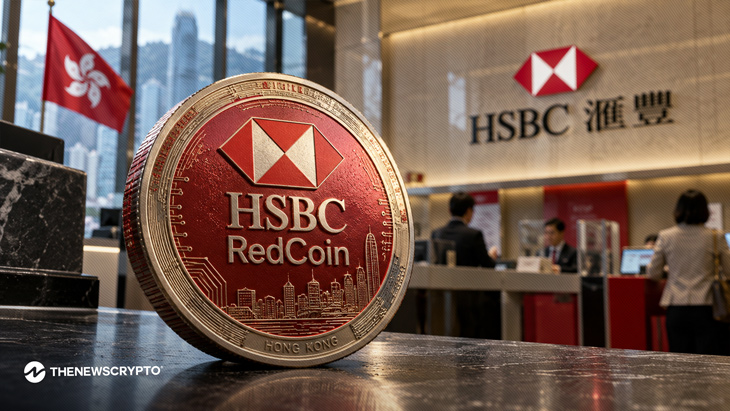
HSBC has officially named its forthcoming Hong Kong stablecoin HSBC RedCoin. It is one of the most significant moves by a traditional bank into the digital asset space in Asia. The name reflects the bank’s Hong Kong heritage. The launch strategy is deliberately phased. It starts with person-to-person and person-to-merchant payments before expanding into corporate and institutional use cases aligned with Hong Kong’s evolving digital asset landscape.

In addition, the announcement came alongside a survey of over 1,000 local customers. The findings tell a more nuanced story than a simple headline about stablecoin adoption.

What the Survey Actually Shows?

74% of respondents could identify at least one stablecoin use case, a higher number than most banks would have expected. Digital asset trading and tokenised investments led the list at 57%, followed by P2P transfers at 53%, with cross-border remittances and merchant payments both sitting at 52%.

On the understanding side, 60% correctly defined a stablecoin as a fiat-backed digital asset. 26% assumed stablecoins were government-issued, and 10% viewed them as interest-bearing, a feature not included in Hong Kong’s current regulatory framework.

What’s Still Holding People Back

When asked what would build their trust, respondents pointed to fraud protection (53%), seamless cash conversion (51%), and reserve transparency (39%). Also, the two most powerful confidence-boosters, however, were stronger regulatory clarity at 62% and enhanced education at 55%.

That is why HSBC is launching a comprehensive public education series across its banking apps, website, and social media. It is focused on scam prevention and transparent redemption mechanisms. The bank isn’t just launching a product. It’s trying to build the trust infrastructure around it at the same time.

HSBC RedCoin is not arriving in a vacuum. Traditional financial institutions are accelerating their stablecoin strategies globally, from Circle’s partnerships with Visa and Mastercard to JPMorgan’s own tokenisation efforts. For HSBC, one of Hong Kongβ€˜s three note-issuing banks. Notably, naming a stablecoin is a statement of intent rather than just a product launch.

Moreover, the phased rollout, P2P and P2M first, wholesale corporate use cases soon after, reflects a careful read of where customer comfort actually sits right now versus where the institution wants to take it.

On the other hand, a bank of HSBC’s scale entering the stablecoin market with a named product, a survey-backed strategy, and a public education commitment signals that institutional stablecoin adoption in Asia is no longer a future conversation.

Crypto Market Highlights

Kalshi Eyes $40B Valuation in Fresh $1B Funding Push

  •  

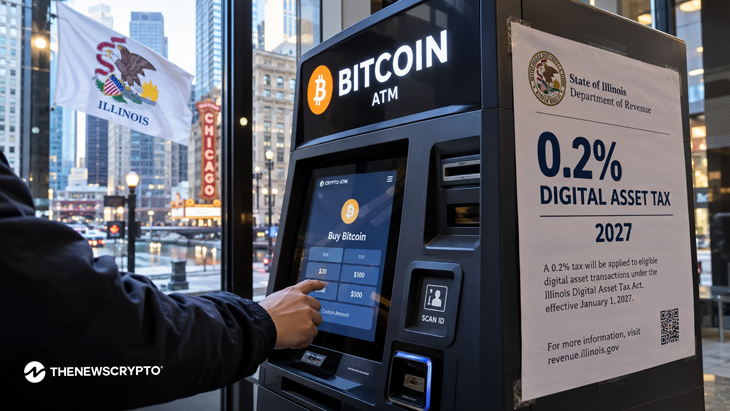
Illinois Drafts Rules for 0.2% Crypto Transaction Tax

Illinois Drafts Rules for 0.2% Crypto Transaction Tax

  • Illinois has released draft rules for its 0.2% crypto transaction tax, including stablecoins and memecoins.
  • The tax is scheduled to take effect on January 1, 2027.
  • NFTs are excluded from the proposed digital asset tax rules.

The U.S. state of Illinois has released draft rules for its new 0.2% digital asset tax, giving crypto exchanges and other service providers more detail on how the levy could work when it takes effect next year.

The Illinois Department of Revenue (IDOR) posted the draft rules on September 28 and is accepting public comments through October 30, 2026. The rules have not yet been filed with the Secretary of State or submitted to the Joint Committee on Administrative Rules.

The underlying Digital Asset Tax Act was signed into law in June and is scheduled to take effect on January 1, 2027. It applies a 0.2% tax to the value of a digital asset involved in covered business activity received by an Illinois customer. Digital asset brokers are responsible for collecting the tax.

What the Draft Rules Cover

The proposed rules define taxable activity as the exchange, transfer or storage of digital assets through a business or for a customer. Exchanges include buying or selling crypto for dollars, trading one digital asset for another, converting fiat into crypto, converting crypto back into fiat and bridging assets between blockchains.

Transfers can also fall under the tax when a broker performs them for a fee. The draft specifically includes transfers between accounts belonging to the same customer when a digital asset broker facilitates the transaction for consideration. Direct peer-to-peer transfers without an intermediary are not covered.

The proposal also covers stablecoins and memecoins, while specifically excluding NFTs. Network or gas fees paid directly to miners and validators are not treated as taxable consideration. DeFi transactions generally fall outside the tax unless a platform receives qualifying fees, such as protocol fees.

The tax is based on the dollar value of the digital asset when the taxable activity is completed, rather than on whether the customer made a profit.

How It Compares With U.S. Federal Crypto Taxes

Illinois’ levy is separate from federal crypto taxation. The IRS treats digital assets as property, meaning sales and exchanges can create taxable capital gains or losses. Federal rules also require certain brokers to report digital asset transactions to the IRS through Form 1099-DA.

Illinois is currently the first U.S. state to enact a transaction-based tax specifically targeting digital asset activity. A separate Illinois bill, HB 5798, has been introduced to repeal the Digital Asset Tax Act, but it has not repealed the law.

  •  
❌