❌

Reading view

Crypto Strategist Who Nailed 2026 Bitcoin Bottom Hints at BTC Rally to All-Time High After Democrats Win US House and Senate

A crypto analyst known for timely Bitcoin calls believes BTC’s price action following the US midterm election suggests that the flagship digital asset is gearing up for an all-time high (ATH) rally.

Pseudonymous analyst DonAlt tells his 797,800 followers on X that Bitcoin’s monthly chart turned green after it dropped to the $75,000 level on November 4th.

“Good start; the monthly looks like it just wants to go straight back to ATH.  Would be fun if it did. Fingers crossed we continue being this strong.”

Image
Source: DonAlt/X

The crypto strategist appears to suggest that BTC continues to respect its support level at $70,000 while potentially carving a higher low on the monthly chart.

Bitcoin rallied to an all-time high of $126,000 in October of last year.

The analyst also counters the prevailing narrative that crypto will be bearish if Democrats win.

“>’Crypto bearish if Republicans lose’
>Republicans lose
>Daily green

I don’t know man; the more the Democrats win, the less grifting is gonna be allowed. And I think that’s a good thing; s**t got disgusting over the last two years.”

Earlier this month, DonAlt said Bitcoin flashed signs of strength as BTC barely flinched following the $6.34 Binance hack.

“Last time the market didn’t properly sell off after a huge event like this was the FTX collapse.

When I saw the lack of follow-through, then I got giga bullish. And we subsequently went from $16,000 to $100,000.

Hard to be bearish here after having been given the same setup yet again.”

The Democrats won a majority in the House and Senate in the midterm election, reports the Associated Press. Democrats won 54 seats in the Senate, compared with 44 for Republicans. In the House, Democrats secured 237 seats, while Republicans won 147.

Follow us on X, Facebook and Telegram
Don't Miss a Beat – Subscribe to get email alerts delivered directly to your inbox

&nbsp
Disclaimer: Opinions expressed at The Daily Hodl are not investment advice. Investors should do their due diligence before making any high-risk investments in Bitcoin, cryptocurrency or digital assets. Please be advised that your transfers and trades are at your own risk, and any losses you may incur are your responsibility. The Daily Hodl does not recommend the buying or selling of any assets including cryptocurrencies, nor is The Daily Hodl an investment advisor. Please note that The Daily Hodl participates in affiliate marketing.

Generated Image: Midjourney


The post Crypto Strategist Who Nailed 2026 Bitcoin Bottom Hints at BTC Rally to All-Time High After Democrats Win US House and Senate appeared first on The Daily Hodl.

  •  

Cardano Faces Bearish Signals as Futures Demand Cools and Whales Sell

Cardano’s (ADA) recent price surge is running into fresh headwinds from fading trader interest and large-holder exits.

Futures open interest for ADA has dropped 9% over the past week, sliding from $1.99 billion to $1.81 billion as traders cut back on leveraged bets, says Ali Charts on X.

Whales also appear to be taking profits.

“Since September 20, large holders have offloaded roughly 90 million ADA, worth approximately $22.5 million, adding to the recent selling pressure.”

This decline in demand aligns with a Tom DeMark Sequential sell signal that appeared on Cardano’s daily chart.

“Since then, ADA has fallen 10%, and the correction may not be over yet.”

According to the analyst, a parallel channel on the daily chart points to $0.24 as the key mid-range support.

“If ADA loses that level, a move toward the channel’s lower boundary near $0.21 becomes likely.”

Image
Source: Ali Charts/X

If $0.21 holds, it could present the next buying opportunity, targeting the channel top near $0.28.

Looking at Bitcoin, Ali says whales have cut their BTC holdings significantly over the last seven days.

“Most of the market has moved sideways over the past week. So what have whales been doing during the lull?

Bitcoin whale holdings have fallen by roughly 30,000 BTC, worth about $2.52 billion.

Large holders appear to be reducing their exposure.”

Image
Source: Ali Charts/X

Follow us on X, Facebook and Telegram
Don't Miss a Beat – Subscribe to get email alerts delivered directly to your inbox

&nbsp
Disclaimer: Opinions expressed at The Daily Hodl are not investment advice. Investors should do their due diligence before making any high-risk investments in Bitcoin, cryptocurrency or digital assets. Please be advised that your transfers and trades are at your own risk, and any losses you may incur are your responsibility. The Daily Hodl does not recommend the buying or selling of any assets including cryptocurrencies, nor is The Daily Hodl an investment advisor. Please note that The Daily Hodl participates in affiliate marketing.

Generated Image: Midjourney

The post Cardano Faces Bearish Signals as Futures Demand Cools and Whales Sell appeared first on The Daily Hodl.

  •  

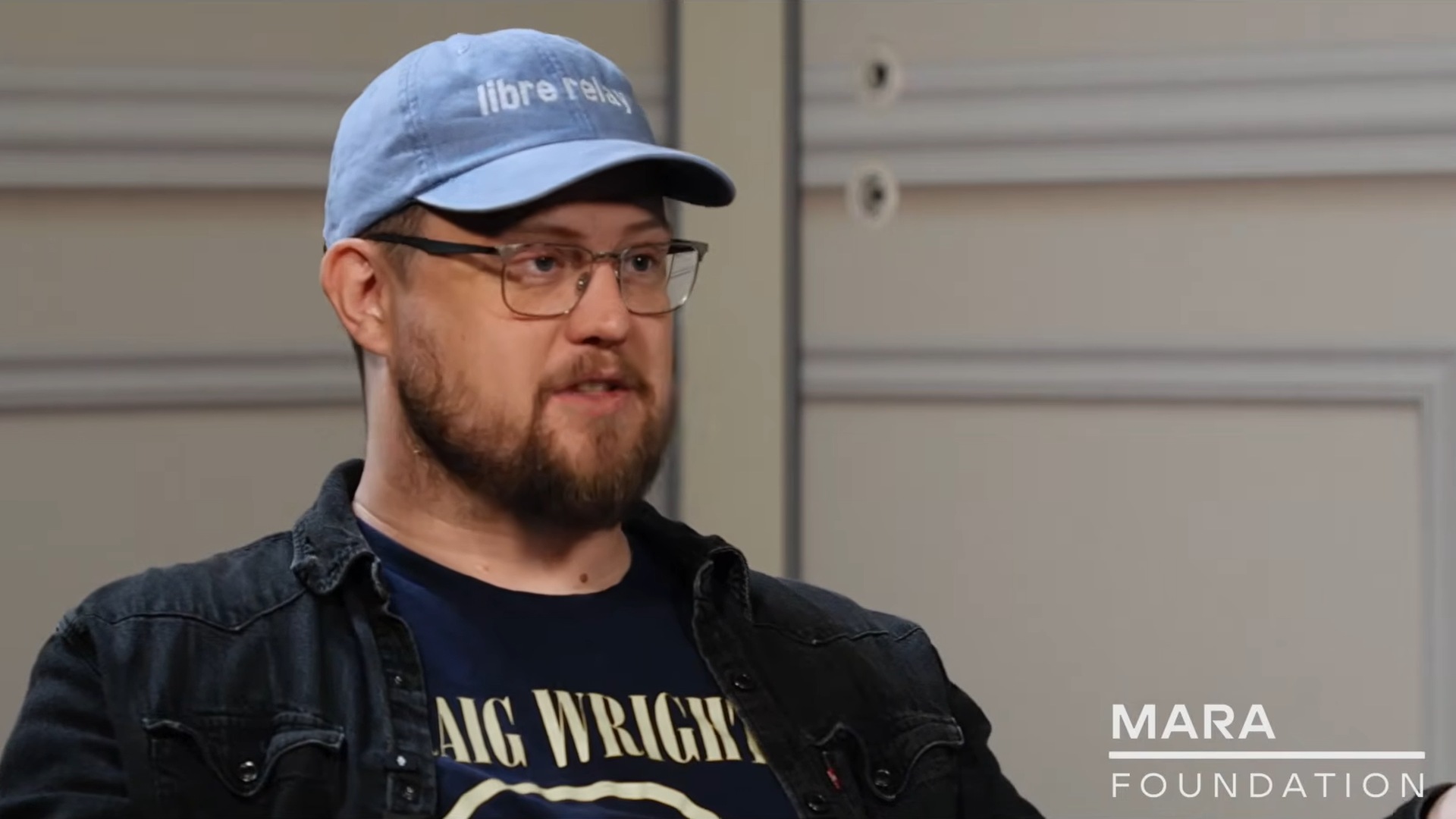
Peter Todd Joins MARA to Lead Private Mempool Slipstream

Bitcoin Magazine

Peter Todd Joins MARA to Lead Private Mempool Slipstream

Bitcoin O.G. Peter Todd has joined the MARA Foundation as lead maintainer of Slipstream, the miner’s private Bitcoin mempool service. 

Announced by the foundation on Thursday, the new role will see Todd responsible for developing and running the service.

Slipstream lets users send bitcoin transactions straight to MARA Pool, the company’s mining pool, without going through Bitcoin’s public peer-to-peer network. It was useful after hackers exploited Coldcard hardware wallets in July, stealing over $115 million in user funds. 

Because transactions sent through Slipstream stay private until they’re confirmed in a block, the service helps to keep key information hidden before confirmation — protecting exposure of their public keys. 

“I most look forward to seeing what’s possible on Bitcoin — using Slipstream as a proving ground for experimental development and protocol innovation,” Todd said. 

Todd added: “Working with Slipstream is a natural complement to my work on Libre Relay, and my mempool policy work more broadly. I’ve always believed that Bitcoin is better when we design protocols with economic demand in mind. This is also a good opportunity to build bridges between Bitcoin Core developers and miners.”

MARA’s Slipstream first drew attention in 2024 for publishing large Ordinals inscriptions. More recently it has been used for research projects like Quantum Safe Bitcoin and Binohash, a way to emulate covenants without a soft fork.

Todd is a longtime Bitcoin Core contributor, who co-authored BIP 125 (replace-by-fee), created OpenTimestamps, and in 2024 launched Libre Relay, a Bitcoin Core fork with looser relay rules for non-standard transactions. 

He argues that mempool policy should follow what the market wants miners to mine, rather than restrict how people use Bitcoin.

This post Peter Todd Joins MARA to Lead Private Mempool Slipstream first appeared on Bitcoin Magazine and is written by Mathew Di Salvo.

💾

Enjoy the videos and music you love, upload original content, and share it all with friends, family, and the world on YouTube.
  •  

21bitcoin Now Pays Interest on Idle Euros, Payable in BTC 

Bitcoin Magazine

21bitcoin Now Pays Interest on Idle Euros, Payable in BTC 

Austrian Bitcoin platform 21bitcoin will start paying 1.21% annual interest on customers’ uninvested euro balances from today — and letting them collect it in BTC, with no conversion fee.

The company says it’s the first provider in Europe to pay savings interest directly in Bitcoin.

The interest covers every euro in the account, including cash waiting for the next savings-plan purchase or reserved for an open limit order, the company said. There’s no minimum deposit and no lock-up. 

21bitcoin präsentiert den Bitcoin Bonus 🚀

Ab sofort erhältst du auf Euro-Guthaben variable Zinsen von 1,21% p.a.* 📈

Und das Beste: Wir tauschen sie auf Wunsch direkt & ohne zusätzliche Gebühren in Bitcoin um. 🔄

Aktiviere Zinsen jetzt direkt auf dem Startbildschirm in deiner… pic.twitter.com/nTVOfSZnuk

— 21bitcoin 🇩🇪 & 🇦🇹 (@21bitcoinApp) October 1, 2026

“Building wealth with Bitcoin does not begin with the purchase itself, but with the euros set aside for it,” said co-founder and CEO Daniel Winklhammer.

The money is paid by Volksbank Raiffeisenbank Bayern Mitte eG, a German bank that has owned a stake in 21bitcoin since 2023. 

Customer euros sit in a segregated trust account at the bank as instant-access savings. 21bitcoin says it passes the interest on in full and keeps no margin. The company is pitching this as a deliberate contrast to the high-yield promises that brought down several crypto lenders.

The rate is variable, and interest is subject to German withholding tax.

The launch follows 21bitcoin’s zero-fee Bitcoin savings plan, introduced earlier this year. The company last year teamed up with VR Bank Bayern Mitte eG and Sopra Financial Technology GmbH to launch a pioneering European pilot project in hopes to develop an institutional-grade Bitcoin-backed credit product.

Bitcoin-backed loans, insured cold storage, and multisig inheritance custody are slated for 2027.

Founded in 2021, 21bitcoin holds a MiCAR licence in Austria and is authorized by Germany’s BaFin. It reports more than 100,000 users and over €650 million in trading volume.

This post 21bitcoin Now Pays Interest on Idle Euros, Payable in BTC  first appeared on Bitcoin Magazine and is written by Mathew Di Salvo.

  •  

Citi Raises 12-Month Bitcoin Target to $113K, Ethereum to $3,028

Citigroup forecasts Bitcoin will reach $113,000 by the end of 2026, up from its previous $82,000 target. The bank also raised its Ethereum year-end target to $3,028 from $2,240, citing recovering ETF demand, increased crypto activity, and improving financial conditions. Ad Ad Citi Sees Steadier Crypto Inflows Ahead Citi estimates that approximately USD 5 billion

The post Citi Raises 12-Month Bitcoin Target to $113K, Ethereum to $3,028 appeared first on CoinGape.

  •  

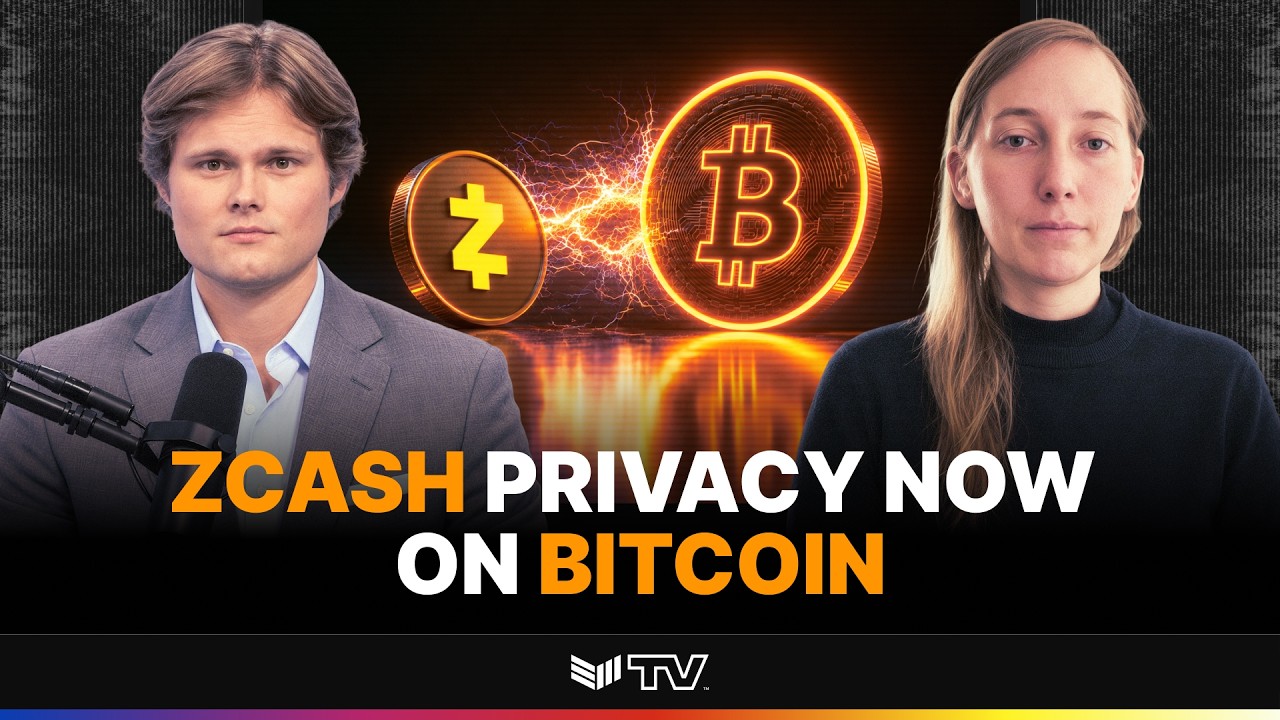
Bitcoin Privacy Breakthrough a Zcash Killer? | Misha Komorov, Alloc Innit

Bitcoin Magazine

Bitcoin Privacy Breakthrough a Zcash Killer? | Misha Komorov, Alloc Innit

Researchers have proposed a way to make Bitcoin private without changing Bitcoin itself. Misha Komarov, co-founder of alloc/init, explains Shielded Bitcoin: zero-knowledge proofs that hide the sender, receiver, and amount of a Bitcoin transfer, with no soft fork, no custodians, and no bridges. He covers how Bitcoin PIPEs make it possible and what the proposal still needs. It is a research proposal, not a finished product.

Chapters:
0:00 Shielded Bitcoin: Private Bitcoin Transactions With Zero-Knowledge Proofs
0:38 How Bitcoin PIPEs Make Privacy Possible Without a Soft Fork
1:42 Do Indexers and ZK Rollups Require Trust?
3:16 Shielded Bitcoin vs. Monero and Zcash
4:21 What Privacy Shielded Bitcoin Protects
5:59 How Private Are Early Users? The Small Privacy Set Problem
7:37 Is Shielded Bitcoin an Altcoin Killer?
9:12 Fees, Block Space, and Larger Shielded Transactions
10:50 Who Needs Private Bitcoin? Wrench Attacks and Corporate Treasuries
12:20 Dark Pools, Governments, and the Next Wave of Bitcoin Buyers

DISCLAIMER: The views and opinions expressed in this show are those of the participants and do not necessarily reflect the official policy or position of BTC Inc., Bitcoin Magazine, or any affiliated entities. This content is provided for informational and educational purposes only and should not be construed as investment, legal, tax, or accounting advice. Nothing contained in this show constitutes a solicitation, recommendation, endorsement, or offer to buy or sell any securities or financial instruments. Viewers should consult their own advisors before making financial or business decisions.

This post Bitcoin Privacy Breakthrough a Zcash Killer? | Misha Komorov, Alloc Innit first appeared on Bitcoin Magazine and is written by Patrick Green.

  •  

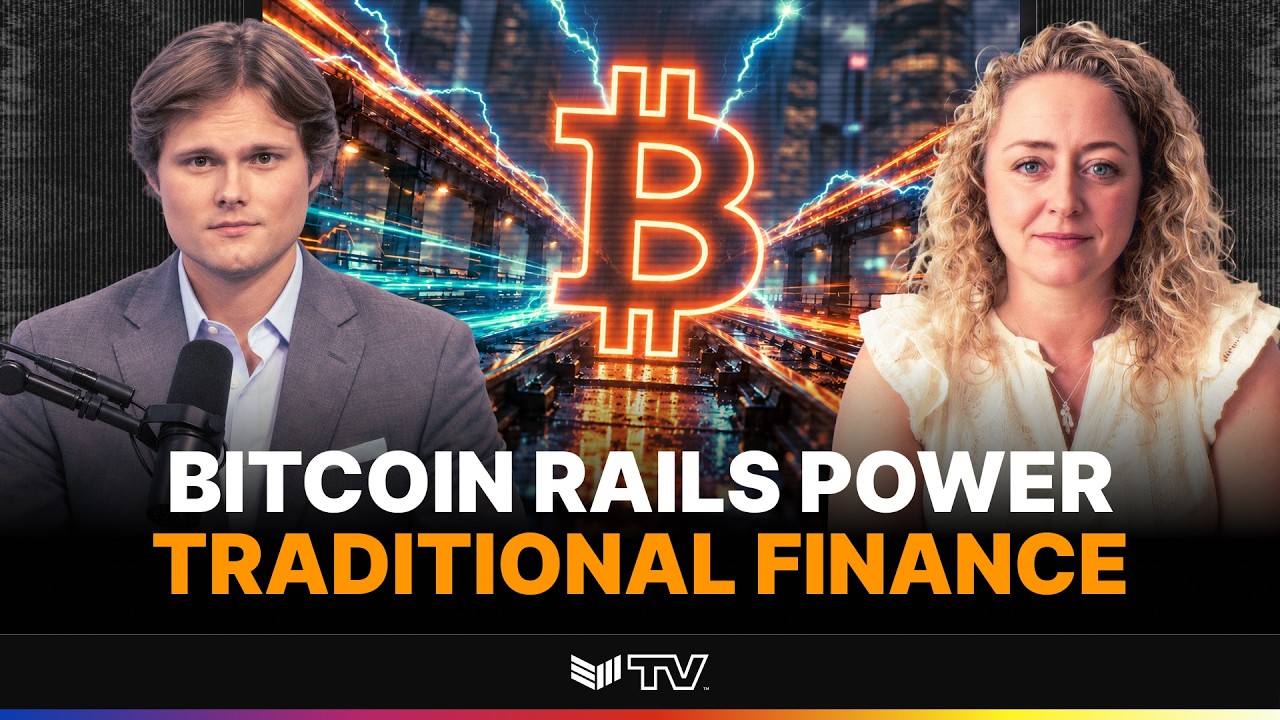
Bitcoin’s Institutional Era Has Arrived | Robinhood VP of Crypto Institutions Nicola White

Bitcoin Magazine

Bitcoin’s Institutional Era Has Arrived | Robinhood VP of Crypto Institutions Nicola White

Robinhood is bringing crypto perpetual futures to US customers, with up to 10x leverage on Bitcoin and Ether. Nicola White, Robinhood’s vice president of institutional crypto, explains how the CFTC no-action letter, the Bitstamp exchange, and Robinhood Derivatives made it happen, and why the company wants markets to be always on.

Chapters:
0:00 Robinhood’s Hood Summit: 24/7 Stock Trading and US Crypto Perps
0:40 Why Robinhood Wants Markets That Never Close
1:32 Bitstamp Perps and the CFTC No-Action Letter
2:19 Tokenized Stocks, the Basis Trade, and the Path for US Perps
3:20 Bitstamp’s Volume and the Retail–Institutional Merger
4:54 What Institutions Want to Do With Bitcoin
6:00 Institutional Bitcoin Depth and Large Block Trades
6:49 AI Trading Agents and Robinhood’s Sub-Account Controls
8:29 Lessons From the 2022 Meltdown and US Leverage Limits
10:12 How Bitcoin Changes Finance in 10 Years and What’s Next for Tokenized Stocks

DISCLAIMER: The views and opinions expressed in this show are those of the participants and do not necessarily reflect the official policy or position of BTC Inc., Bitcoin Magazine, or any affiliated entities. This content is provided for informational and educational purposes only and should not be construed as investment, legal, tax, or accounting advice. Nothing contained in this show constitutes a solicitation, recommendation, endorsement, or offer to buy or sell any securities or financial instruments. Viewers should consult their own advisors before making financial or business decisions.

This post Bitcoin’s Institutional Era Has Arrived | Robinhood VP of Crypto Institutions Nicola White first appeared on Bitcoin Magazine and is written by Patrick Green.

  •  

Mark Moss: The Bitcoin Endgame – BTC to $1 Million by 2030

Bitcoin Magazine

Mark Moss: The Bitcoin Endgame – BTC to $1 Million by 2030

The Fed just raised rates, yet Bitcoin keeps climbing. Mark Moss, host of the Market Disruptors podcast, explains why he thinks most people are misreading why long-term rates are rising, how a booming economy could be part of the answer, and why he says Bitcoin benefits from both the debasement trade and a bullish technological future.

Chapters:
0:00 Mark Moss on the Fed’s “Token Raise” and an October Pause
1:54 The Flat Yield Curve, Bank Lending, and the 5.1% 10-Year
2:56 Why Bitcoin Is Rising as Rates Rise: “Price Is Truth”
5:40 Bitcoin vs. Gold: The Debasement Trade and a Bullish Future
6:19 Can the US Grow Its Way Out of $40 Trillion in Debt?
10:30 The Monetary Reset Is a Process, Not an Event
13:33 Four Ways Out of the Debt Problem and What Happens in 2029–2030
16:27 Stablecoins, the Genius Act, and Why 6 Billion People Want Dollars
20:14 Institutions Are Buying Bitcoin While Retail Sells
24:29 Bitcoin’s S-Curve, Its CAGR, and a $1 Million Price Target

DISCLAIMER: The views and opinions expressed in this show are those of the participants and do not necessarily reflect the official policy or position of BTC Inc., Bitcoin Magazine, or any affiliated entities. This content is provided for informational and educational purposes only and should not be construed as investment, legal, tax, or accounting advice. Nothing contained in this show constitutes a solicitation, recommendation, endorsement, or offer to buy or sell any securities or financial instruments. Viewers should consult their own advisors before making financial or business decisions.

This post Mark Moss: The Bitcoin Endgame – BTC to $1 Million by 2030 first appeared on Bitcoin Magazine and is written by Patrick Green.

  •  

UK Brings Crypto Under Full FCA Oversight for the First Time

Bitcoin Magazine

UK Brings Crypto Under Full FCA Oversight for the First Time

The UK’s Financial Conduct Authority has opened applications for crypto firms to become authorized, bringing the sector under full regulation for the first time.

In a Wednesday announcement, the watchdog said companies can apply so that the crypto industry has “clarity and legitimacy.”

The UK is in the process of drafting a sweeping new crypto bill. The FCA finalized its regulatory framework for cryptoassets in June, and the regime is due to take effect in October 2027.  

“The UK’s new crypto regime will give consumers greater protections and firms a clear framework to operate in. Firms can now apply for authorisation and start preparing for regulation,” Dominic Cashman, director of authorisation at the FCA, said in a statement. 

The statement added that firms will have to demonstrate that they meet requirements covering consumer protection, customer-asset safeguarding, market integrity and financial resilience.

Britain is pushing ahead with digital asset legislation since last year recognizing bitcoin and other digital assets as property. The reform came from a 2023 recommendation by the Law Commission, which argued that digital assets did not fit neatly into existing legal categories.

Despite the FCA’s announcement, the UK currently is trailing behind Brussels and Washington with digital asset regulation. 

The EU’s Markets in Crypto-Assets regulation has applied to service providers since 30 December 2024. 

And the U.S. under President Donald Trump signed the GENIUS Act into law in July 2025, establishing a federal framework for dollar-backed tokens.

Despite lawmakers blocking landmark legislation the Clarity Act last month, U.S. regulators like the Securities and Exchange Commission have pushed ahead with rulemaking regardless. 

This post UK Brings Crypto Under Full FCA Oversight for the First Time first appeared on Bitcoin Magazine and is written by Mathew Di Salvo.

  •  

Bitcoin Surges 40% in Its Best Quarter Since Late 2024

Bitcoin Magazine

Bitcoin Surges 40% in Its Best Quarter Since Late 2024

Bitcoin is having one of its best quarters ever — another indication that the biggest cryptocurrency is in a bull market. 

As noted by the The Kobeissi Letter this week, the price of bitcoin is now up close to 30% since August 19, when the U.S. Treasury announced it planned to more than double the size of its government debt repurchases.

Over the past quarter, the bitcoin price has surged by 40% — its best quarterly performance since Q4 2024. 

Bitcoin’s price recently stood at nearly $83,698, unmoved over a 24-hour period but up 6% over a 30-day period. 

The coin has benefited from news that the Treasury would try to lower bond yields — which have soared to highs not seen since the 2000s. 

Bitcoin has done well with lower long-term yields because it reduces the opportunity cost of holding non-yielding assets like bitcoin and gold, and generally supports risk-on sentiment. 

But despite the Treasury stepping in to try and tame the bond market, yields have continued to stay high. 

Bitcoin investors don’t seem that bothered. The asset is still doing well as the dollar continues to slip. The so-called debasement trade — where investors throw money at an asset to hedge against a currency losing its value — is hot again after total U.S. debt topped $40 trillion for the first time in July.  

The price of Bitcoin had been battered since notching a new all-time high of $126,080 in October, dropping by over 50%. Still, it has experienced the shallowest bear market — so far — in its history. 

CryptoQuant said in a report last week that bitcoin was back in a bull market after crossing above its 365-day moving average — the “definitive technical signal” that has marked the start of Bitcoin’s bull markets in past cycles.

The coin has shrugged off the Federal Reserve raising interest rates and lawmakers blockage of landmark crypto legislation, the Clarity Act. 

This post Bitcoin Surges 40% in Its Best Quarter Since Late 2024 first appeared on Bitcoin Magazine and is written by Mathew Di Salvo.

  •  

Bitcoin Is More Than Just an Asset, Says TD Cowen

Bitcoin Magazine

Bitcoin Is More Than Just an Asset, Says TD Cowen

Investment bank TD Cowen has said that Bitcoin is more than an asset — and will be increasingly used as financial infrastructure to underpin institutional products.

Writing in a Tuesday note, TD Cowen said that after attending a BitcoinTreasuries Conference this week in New York, it noticed institutions were more than interested in just accumulating the leading cryptocurrency. 

The comments come as major banks around the world delve deeper into the technology that underpins Bitcoin, with firms offering — and using — crypto products for customers and to streamline their own services. 

JUST IN: Investment bank giant TD Cowen says Bitcoin "is evolving from an asset into a capital markets ecosystem" 👀

"The conversation has shifted from adoption to implementation" 🚀 pic.twitter.com/Kzi6jXY1q6

— Bitcoin Magazine (@BitcoinMagazine) September 30, 2026

“Bitcoin increasingly appears to be moving beyond its role as an investable asset and toward a broader role as financial infrastructure capable of supporting new capital-markets activity,” the report read. 

“In our view, the most interesting conversations were not necessarily about bitcoin itself, but about the ecosystem being built around it,” the report continued. 

It added that Bitcoin could be used in its next phase by “supporting capital markets infrastructure.” 

Nasdaq-listed Bitcoin treasury Strategy has long argued that the leading cryptocurrency will underpin other products in the financial sector. The company, which is the largest corporate holder of bitcoin, currently offers preferred stocks which pay investors dividends. 

TD Cowen said that bitcoin custody was becoming more institutional as “larger pools of capital enter the ecosystem.” 

U.S. and European banks have spoken about or started offering bitcoin custody services in recent years. 

BNY Mellon in 2022 became the first major U.S. bank to offer digital asset custody services. And this month, German multinational Deutsche Bank said it would debut a bitcoin custody service for European corporate and institutional clients later in 2026. 

“We believe these developments suggest that bitcoin is continuing to evolve from a standalone asset into a broader financial ecosystem capable of supporting increasingly sophisticated institutional participation,” TD Cowen added.

TD Cowen is a division of multinational TD Securities. 

This post Bitcoin Is More Than Just an Asset, Says TD Cowen first appeared on Bitcoin Magazine and is written by Mathew Di Salvo.

  •  

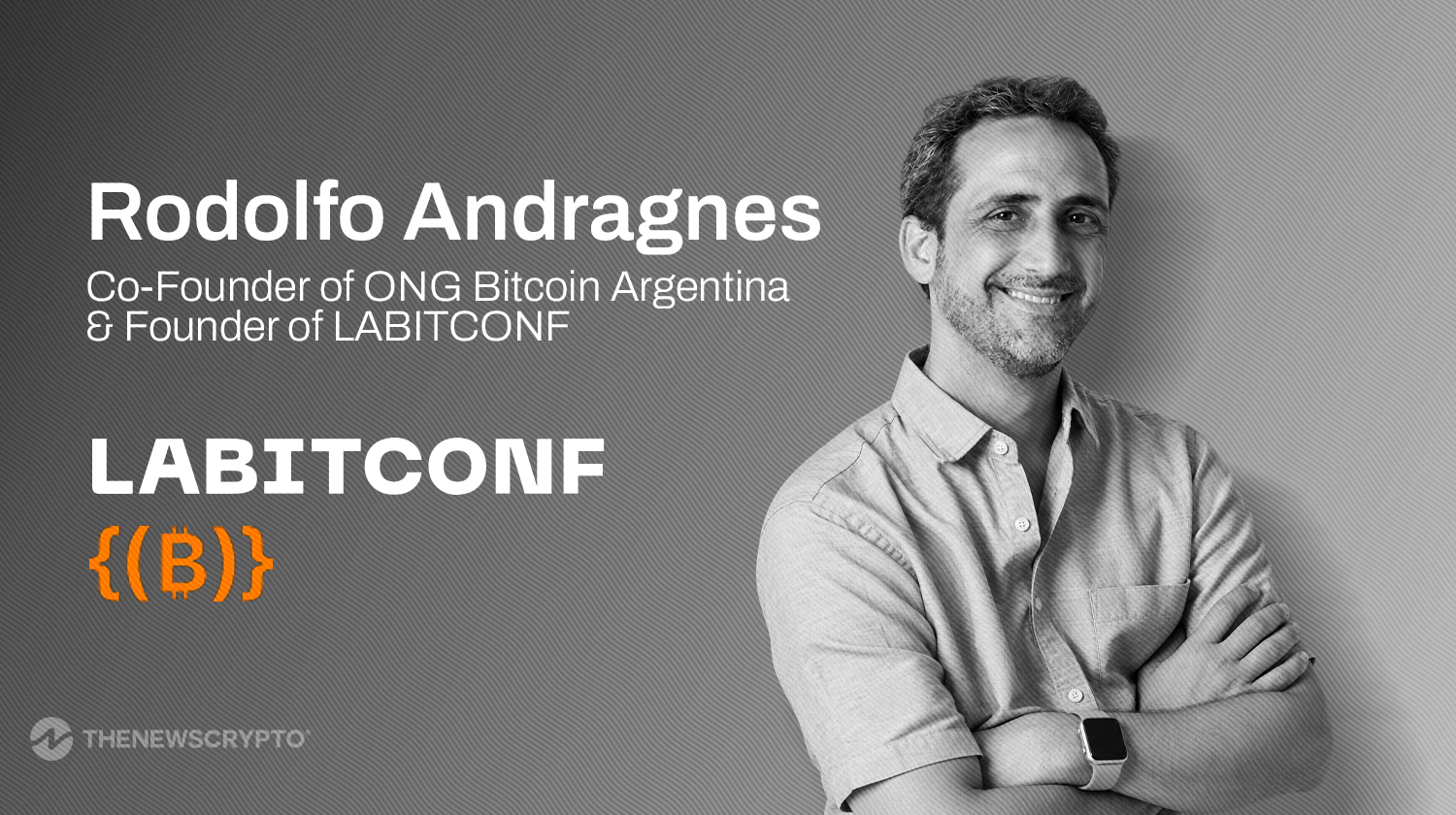
Exclusive Interview: Bitcoin Is More Than an Investment, Says LABITCONF Founder Rodolfo Andragnes

Exclusive Interview: Bitcoin Is More Than an Investment, Says LABITCONF Founder Rodolfo Andragnes

Rodolfo Andragnes discusses Bitcoin’s evolution, growing institutional participation, self-custody, stablecoins, regulation and how digital-asset adoption is developing across Latin America.

Bitcoin has changed significantly since Rodolfo Andragnes, co-founder of ONG Bitcoin Argentina and founder of LABITCONF, first became involved with it in 2011. What was once a small community outside the traditional financial system has grown into a global market, with Bitcoin ETFs, institutional investors and governments now part of the conversation.

For Andragnes, however, Bitcoin’s importance goes beyond its price or its growing presence in traditional finance. The LABITCONF founder has spent more than a decade advocating for Bitcoin in Argentina, building communities and taking part in discussions around its use and regulation.

In an exclusive interview with TheNewsCrypto, Andragnes spoke about Bitcoin’s early years, the rise of institutional adoption, why he continues to see self-custody as important, and where he believes regulators still misunderstand the technology. He also discussed stablecoins, financial privacy, the U.S. crypto regulatory debate and what years of bringing the industry together through LABITCONF have taught him.

TheNewsCrypto (TNC): Can you tell us about your journey in Bitcoin and what initially convinced you that it could become important?

Rodolfo Andragnes (RA): Back in 1997 I’d already started a project with the same name and owned the domain bitcoins.com and I first got involved with it in 2011. What made me realize this mattered was how it reshaped the way I understood Money, Power and where value, Trust and its role really come from. They’re simple concepts on the surface, but we rarely stop to consider how powerful they are, or how an entirely new kind of society could be built around them.

TNC: You entered the Bitcoin ecosystem more than a decade ago, when it was still largely outside the mainstream. Looking back, what has changed most in the way people understand Bitcoin, and what misunderstanding still remains?

RA: People still struggle to see this as more than an investment – to grasp that it’s really about recognizing that the monetary and power system is broken, and that Bitcoin is a key part of the solution. What’s easier now, at least, is finding clear, digestible information in multiple languages to help people start down that path of discovery.

TNC: Right now, Bitcoin ETFs and institutional adoption have become two of the biggest trends in the market. Do you think this institutionalization is changing what Bitcoin represents, or simply creating new ways to access it?

RA: Not at all. Bitcoin is free for anyone to adopt. Some people adopting it that way doesn’t stop others from adopting it directly or self-custodying it themselves. It’s simply another entry point for people who aren’t quite confident to take that step, or for companies that have no other way to do it. That said, it’s obviously not the same as holding your own Bitcoin. 

TNC: As more financial institutions enter the market, how important is it to preserve the ideas of self-custody, decentralization and financial independence that originally attracted people to Bitcoin?

RA: As important as ever, maybe more so. Bitcoin is the only asset in the world, and the only sound money, with guaranteed scarcity, and that awareness keeps spreading. Why would anyone hand that over to a third party and have to ask permission to use it? Real ownership only exists through self-custody.

TNC: You’ve been involved in Bitcoin advocacy in Argentina for more than a decade, including discussions with regulators. What is one thing policymakers still misunderstand about Bitcoin today?

RA: Almost everything. For starters, they assume Bitcoin and crypto are the same thing, that blockchain is inherently secure, that it’s just another financial asset, just to name a few. These are all fundamental misunderstandings. There’s no such thing as “the blockchain” – there are many different networks, each with its own risks and problems.

And unlike nearly everything else out there, Bitcoin isn’t a promise or a claim on something, the way a financial asset, a stablecoin or a tokenized instrument is – or the way yield-bearing tokens, infinitely issued coins, or entity-controlled cryptocurrencies are. So the basic concepts they work with are simply wrong, and no law or regulation to date has actually drawn that distinction.

TNC: With the CLARITY Act becoming an important part of the U.S. crypto regulatory debate, how do you think it could affect the broader crypto industry?

RA: The U.S wields enormous power globally, which can shape the decisions and regulations of other countries. The CLARITY Act would have brought more clarity to the crypto world as a whole, even though it doesn’t affect Bitcoin at all. I think it could have given a potential boost for developing projects operating under clear, favorable regulatory frameworks in the US. Stille, the CLARITY Act is just one of several steps the current US administration is trying to take in that direction.

TNC: From your experience working with regulators in Argentina, where do you think regulation can help the crypto industry, and where can it create problems?

RA: Regulation helps companies understand and define the legal and operational boundaries they need to work within, while also giving them legitimacy as recognized players and better access to relationships with banks and other institutions. That doesn’t mean regulation is automatically positive. Often, the requirements are so strict or impractical that smaller projects can’t survive them, or companies simply choose to leave the market instead.

TNC: At the same time, stablecoins have become one of the most widely used parts of the digital-asset ecosystem, particularly in emerging markets. From what you have observed in Latin America, what problems are stablecoins solving that Bitcoin alone has not solved as effectively?

RA: That’s comparing apples and oranges, as my math teacher used to say. Stablecoins are essentially a version of the dollar, gaining blockchain’s traceability, global reach and speed, but also taking on greater execution risks, control, state abuse or system failures.  Bitcoin, on the other hand, definitely doesn’t try to be a dollar. It’s something fundamentally different: the only asset in the world with certainty of scarcity that’s also divisible, transferable, unforgeable and portable, all hallmarks of sound money, while also being digital and programmable. No other asset has managed to combine all of that.

TNC: You have also raised concerns about digital currencies that could give governments greater visibility or control over financial transactions. As payments become increasingly digital, how do you see the balance between financial regulation and individual privacy? 

RA: Well, that path is already mapped out, and it ties into my previous answer. CBDCs and stablecoins represent that scenario, though it’s hardly unfamiliar territory, since the whole world already runs on financial transactions that can be, and often are, traced or blocked. Stablecoins and CBDCs simply take that control even further. Bitcoin, by contrast, can’t be frozen or blocked unilaterally: it’s a pseudonymous system, and it’s entirely up to each person whether to reveal their identity to states or companies. 

TNC: Looking across Latin America today, which differences between countries do you think are most important for understanding how crypto adoption will develop in the region?

RA: Every country is its own world, honestly, but a few key factors stand out: how much people trust and have adopted the financial system, past experiences with inflation, the level of international payments, how heavy the tax burden is, and so on. Together, these shape how willing citizens are to use cryptocurrencies, treat Bitcoin as a store of value, or embrace circular economies. 

TNC: You have spent years building communities and bringing people together through LABITCONF. Beyond the conference itself, what have you observed from watching developers, entrepreneurs, investors and policymakers interact in the same room that you would not necessarily see from following the industry online?

RA: That’s the big difference: going into meatspace – meaning meeting in person, flesh and blood – not only allows you to understand what’s happening but also builds relationships that let you find partners, save time, debate and dig deeper live on the topics you care about with others who share the same interests. 

TNC: Finally, after more than a decade in Bitcoin, what do you think is the biggest question the Bitcoin and digital-asset industry still needs to answer?

RA: I´m not sure it needs an answer. I think it’s mostly a matter of time before society fully recognizes Bitcoin as the best asset for storing value, thanks to its unique qualities as money, especially heading into an AI-driven future built on abundance. As for crypto more broadly, I expect it will keep gaining ground, gradually being adopted for more and more solutions and control. 

Disclaimer: The information provided in this interview article is for informational purposes only. It is not intended to be, nor should it be construed as, investment advice, financial guidance, or a recommendation to make any specific decisions. Readers are encouraged to conduct their own research.

  •  
❌