Jam, the first dApp introducing the concept of “Friends Token” to Lens and Farcaster.
Just like Friend.tech, this feature will enable users to purchase and trade shares of content creators and their posts directly within the social dApps. But that’s not all; users will also have the ability to trade shares of the actual content itself.
Launched in 2022, Jam quickly gained popularity and now stands as the second most widely used client on Farcaster, just trailing behind the default client Warpcast.
The whitelist application for beta testing will be open starting from August 28.
Jam Token will be airdropped to foster a thriving creator community, incentivize creators from various communities including Lens and Farcaster.
Friend.tech users will also be part of this airdrop initiative, and other Web3 Social Communities in the future to build a better creator community.
Additionally, Jam will unveil its proprietary DAO token in the future, allowing the community to actively partake in governance initiatives.
About Jam: Jam is a community-driven Web3 Social dApp, with the primary objective of fostering the creator economy, incentivizing content creators within Web3 social networks, and spearheading the advancement and innovation of decentralized social networks.
The importance of increasing safety in the web3 space cannot be overstated.
In 2022, hackers stole an estimated $3.8 billion from cryptocurrency businesses – the biggest year ever for crypto hacking, and it is only going to get worse.
As the crypto market grows, so too will the number of hackers and the sophistication of their attacks. Investors in the space desperately need protection from these risks, and this goes way further than improving the technology.
The question is not whether or not hacks will happen, but rather when.
Crypto insurance solutions promise to be there, picking you up when you fall.
What is Crypto Insurance?
Crypto insurance is a type of insurance that protects investors against losses caused by theft, fraud, hacks, and other events that can result in the loss of cryptocurrency assets.
Crypto insurance is a policy made to protect investors against losses associated with web3 scams.
There are a variety of solutions available, most in the form of platform native solutions. Coinbase and Binance, for example, provide some insurance policies to the digital assets they hold for their customers.
An increasing number of insurance providers are created in the space, however, promising more dedicated, personalized and streamlined solutions.
— inSure DeFi – The Future of Web3 Insurance (@InsureToken) March 16, 2022
As a space, it is receiving increasing attention, and innovation is occurring.
From centralized to decentralized solutions, where web3-native principles such as the right to identity are being utilized, there is movement in the space to meet the urgency.
Artificial Intelligence is now changing our everyday lives, and currently one of the least used sectors to implement it is the insurance industry.
AI in Decentralized Insurance Use Cases
AI can be deployed in any of the Decentralized Insurance processes, including product… pic.twitter.com/lHgXn9Zrd1
This all sounds good, but there is a massive bottleneck. According to this Oliver Wyman report, only 1% of crypto assets are insured.
And this is to be expected. The industry as a whole is very intricate, and a vast lack of familiarity with the inner workings of the sector hold traditional insurance players back from getting involved in the space. Due to its nascency, there is also not much historical data to go off to develop risk models which means that the risk vs reward equation can’t be succinctly developed. As the cornerstone to the strategy of any insurance-based business, this is a major setback.
The lack of regulation of the space, shown by the recent FDE fiasco, makes it impossible to classify crypto assets, and hence horrendously challenging to generate rules around insuring them(underwriting, in insurance industry lingo).
As crypto is not legal tender, for example, it cannot be insured like stocks, bonds, and other financial instruments.
Finally, the anonymity in the space, frequent lack of KYC performed and lack of coherent identity solutions, certainly does not help.
Hot, warm, and cold crypto wallets each have different levels of risk. Did you know that until we did it, there was no standard definition of hot vs. warm? Standards development is one way insurance helps emerging markets mature.https://t.co/5OtqpLa8Oh
Simply being the first to figure out an effective way to insure crypto assets will provide a massive first mover advantage in this blue ocean opportunity. There is huge unmet demand from retail and institutional investors, and whoever figures out how to underwrite prudently for the space and achieve this at scale, will win.
Outside of this, there is a massive potential for web3 tech to revolutionize the space itself. Smart contracts, for example, promise an ability to automate policies for certain types of risk, where third-party data can be used for the real-time evaluation of claims. This could make insurance operations radically more efficient.
Being a lot more customer focused through utilizing web3-native incentives can also rapidly improve the customer experience of many of these firms and lead to macro business-model innovation.
Overall, crypto insurance is a space that many are begging for to grow, and one with many opportunities for both the insured, and the insuring.
A space to watch, and for the chosen, to innovate within.
Crypto assets present “novel and complex risks” to the banking sector that are “difficult to fully assess,” according to the Federal Deposit Insurance Corporation 2023 Risk Review for the banking sector.#CryptoNews#FDIChttps://t.co/qn4QNF2KvN
In an era where Google’s embrace of web3 as a strategic advantage might elicit chuckles from skeptics, a noteworthy shift is underway within the realm of cloud computing giants.
In a recent development, Huawei Cloud unveiled its Web 3.0 node engine for public testing.
This move, aimed at streamlining blockchain network management and authentication, signifies a major tech firm’s foray into the thriving web3 infrastructure landscape. Currently, the engine is compatible with Ethereum and Tron, offering support for Ethereum’s full nodes encompassing execution and beacon nodes.
#HuaweiCloud TechWave #Web3 Day speakers revealed! Check out our speakers who will share their insights and experiences on how Web3 is shaping the future of information technology. Join us on 10th Aug at Cyber Arena, Cyberport for Huawei Cloud TechWave Web3 Day and register now:… pic.twitter.com/r25tdIBP7U
Calling seed to series A Web3 projects & startups:
Want to get up to $200K in credits & exclusive benefits? Gated Discord channel with Google Cloud Web3 product & engineering Early access to Web3 products & roadmap Free advanced Web3 training VIP event access
Huawei, perhaps surprisingly, holds long-term ambitions for the web3 ecosystem. From launching metaverse initiatives to foster adoption in the Asian region to securing partnerships with big industry players like Morpheus labs and Polygon,the tech giant continues to show commitment to the web3 vision.
In the current climate of dwindling trade volume and subdued sentiment, this move might appear ill-timed and anomalous.
This, is far from the case.
Enter the Titans
Dominating the cloud computing arena are the indisputable leaders: Amazon AWS, Microsoft Azure, and Google Cloud, boasting market shares of 32%, 23%, and 10% respectively. All three of these industry behemoths have previously demonstrated interest in the web3 domain, offering web3 builder labs on their existing servers.
Google, in particular, continues to aggressively expand its footprint in the web3 sector. With initiatives ranging from a specialized cloud service tailored for web3 developers to the ‘Google for Startups Cloud Initiative’—which offers industry builders up to $200,000 in cloud credits—Google is positioning itself as the premier infrastructure provider for the web3 community.
Lagging behind its two cloud computing competitors, there are reports that Google wants to use the growing developer base of web3 as leverage to catch up.
Calling seed to series A Web3 projects & startups:
Want to get up to $200K in credits & exclusive benefits? Gated Discord channel with Google Cloud Web3 product & engineering Early access to Web3 products & roadmap Free advanced Web3 training VIP event access
But what is the reason for all this interest? With an army of strategic advisors, these companies surely aren’t prodding on a dead horse here, right?
But what drives this enthusiasm? With a cadre of strategic advisors at the helm, it’s clear these companies aren’t chasing after an empty ideal.
Indeed, market potential is a driving force. Last year, Web3 stood only second to Gen-AI as the most significant driver of cloud spending (source).
Outside of diversifying their services and allocating capital to the ‘hot new tech’, however, their initiatives confirm that there is true potential in the tech.
At its core, this strategic push positions these tech giants as the go-to infrastructure providers, aligning with the anticipation of web3’s awaited ‘ChatGPT moment.’ As an industry, they are also uniquely positioned to comprehend Web3’s growth mechanics, having undergone their own period of product-driven expansion.
Cloud infrastructure,for example, existed for years before utility and investment surged—paralleling the current evolution in the web3 landscape.
Still, the narrative extends beyond mere timing.
This March, a Forbes report speculated that cloud computing could be one of the first mainstream industries that will experience drastic disruption due to web3, and vice versa. This space could be the springboard that brings web3 out of this winter.
And the value is real. Decentralization and blockchain pose incredible opportunities for cloud storage tech, emerging from the combination of the security of blockchain with the convenience of the cloud. From better using underutilized computing power, more trusted and transparent execution environments, drastic efficiency improvements and even Chip-to-Cloud tech which could completely revolutionize the IoT space, the potential is endless . Who better than the current tech giants to leverage this opportunity?
A Beware Note
To answer the above rhetorical question, maybe many are.
After all, the web3 space for many is the escape route from the clutches of tech monoliths -a portal to a world where data and privacy needn’t be relinquished in exchange for streamlined services.
To some, the idea of Google and Microsoft becoming the go-to solution for web3 infrastructure just doesn’t ring right.
Undoubtedly, this sparks an important conversation about whether this alignment is truly beneficial. In an industry striving to break free from reliance on tech giants and their data-for-service trade-offs, this shift seems incongruous, to say the least.
Moreover, numerous web3-native companies, like IPFS, Filecoin, and 4everland, are pioneering innovative approaches to cloud storage, offering more ethically aligned alternatives.
Still, the reputation of these industry titans carries inherent gravity, professionalism, and trust—qualities that the industry is currently yearning for. Consequently, many firms seek collaborations with them as a testament to their credibility.
And with many web3 native companies innovating upon cloud storage, like IPFS, Filecoin and 4everland, there seem many more morally-agreeable solutions coming up.
Still, the brand name of these firms comes with inherent gravity, professionalism and trust- key wounds which the industry is suffering from -which poses many firms to seek collaborations with them as confirmations of their legitimacy.
It is definitely a space to watch for its interesting dynamics. And, overall, all this movement acts as hope, that we are posed to see better days in web3, very soon.
Good Morning fam!
New week, new opportunities
Daily News: – Huawei have recently launched a Node Engine Service (NES), which has introduced support for the Ethereum and TRON blockchains. It's good to see big companies like this one getting involved in parts of Web3!
In recent years, decentralized finance (DeFi) has emerged as one of major highlights in the cryptocurrency industry. While DeFi has not quite reached the heights of 2021, the space still shows high potential for growth and expansion.
As of this writing, the entire DeFi industry is valued at roughly $40.59 billion, according to data from DefiLlama. This impressive figure is possible, thanks to the development of various decentralized exchanges (DEXs) and protocols.
As the cryptocurrency landscape keeps progressing, the significance of decentralized exchanges has become more evident. DEXs enable direct cryptocurrency trading without intermediaries, offering a secure and transparent approach to participate in the cryptocurrency market.
Whether you are a seasoned trader or beginner, employing a seamless and data-driven approach to DeFi trading can help you stay ahead of the game and make well-calculated moves. GeckoTerminal emerges as an effective real-time DEX tracker to meet the needs of DeFi enthusiasts or investors.
In this article, we will explore the features, benefits, and significance of GeckoTerminal in the context of the ever-evolving decentralized finance landscape.
What Is GeckoTerminal?
GeckoTerminal is a DeFi and decentralized exchange (DEX) aggregator that provides investors and traders with a comprehensive and user-friendly platform to make informed investment decisions in the cryptocurrency market.
As a specialized DEX aggregator, GeckoTerminal serves as an all-in-one for both basic and expert-level analytical tools and information, enabling you to access real-time trading data, liquidity, and transaction counts across different trading pairs on DEXes.
Top DEXes by 24H Volume Today
In the top 3 spot, we have Uniswap V3 (ETH), Curve (ETH), and Uniswap V2 (ETH)!
One of the highlight features of GeckoTerminal is its capacity to collect data from various decentralized exchanges and display them based on the blockchain network on which they are deployed. This feature allows users to track millions of crypto trading pairs and liquidity pools across more than 520 decentralized exchanges on 96 blockchain networks.
How It Addresses The Need for Real-time Data Tracking
GeckoTerminal caters to traders and technical analysts by harnessing the robust charting capabilities of TradingView. Through this integration, this platform offers interactive charts that can be fully customized to suit your preferences.
As a trader or crypto analyst, you have the flexibility to select focus dates, apply various indicators, and utilize other advanced charting features. This empowers you with a comprehensive view of market trends, allowing you to identify potential trading opportunities with precision and confidence.
GeckoTerminal understands the need for personalization in the crypto space, and as such, it offers users the ability to personalize their experience by tracking their favorite assets. This segmentation allows you to focus on the assets that matter most to you, enhancing your decision-making process.
Furthermore, GeckoTerminal incorporates additional data, such as Proof of Reserves, to ensure users have access to the most reliable and up-to-date information about centralized cryptocurrency exchanges. This data is obtained through on-chain analysis of exchanges’ wallet addresses, providing users with insights into the financial health and transparency of these exchanges.
GeckoTerminal’s API opens up new possibilities for independent projects and developers. By offering access to its database and allowing the extraction of specific data, this platform enables the creation of more specialized applications that can leverage its wealth of real-time data.
Key Features of GeckoTerminal
Here, we’ll be looking at some of the best features on GeckoTerminal, highlighting their functions and how to use them.
Exploring by Network and DEX
GeckoTerminal offers a powerful and user-friendly platform for exploring decentralized exchanges and blockchain networks to track the price and performance of both new and old tokens.
Upon landing on the homepage, you are presented with trending assets and a comprehensive list of tracked blockchain networks. To streamline your search, you can sort and filter data by selecting your preferred blockchain network from the list.
This feature allows you to focus on specific networks that interest you. It provides you with on-chain data on the trading activity for each blockchain network.
Additionally, you can conveniently track the pools and assets listed on each DEX, giving you a comprehensive view of the performance and liquidity of various tokens.
Curve Pools Tracking
The Curve Pools tracking feature allows you to monitor and gain insights into the liquidity pools on Curve Finance. Curve is a decentralized exchange on the Ethereum blockchain and other EVM networks, known for its focus on low-volatility and low-slippage pool systems.
What is Curve Finance?
Curve Finance is a decentralized exchange (DEX) that focuses on stablecoins. It utilizes automated market making (AMM) to offer low fees and high liquidity for stablecoin swaps.
With GeckoTerminal, you can track and analyze the value of assets in each Curve pool, along with daily trade volume and the overall financial viability of the pool. Also, the platform provides information on the individual assets within the pool and their respective percentage of the total pool value.
To access the Curve Pools tracking feature on GeckoTerminal, simply enter ‘Curve’ in the search box or select Curve from the list of decentralized exchanges on the homepage. From there, you can choose the specific pool you wish to track.
Individual Pairs Tracking
GeckoTerminal’s Individual Pairs feature allows you to monitor and keep tabs on any crypto asset listed on a decentralized exchange. Whether it’s a new or existing asset, as long as a liquidity pool has been created for the asset and trading activities have commenced, you can easily track it on GeckoTerminal.
Source: CoinGecko
To track a specific crypto asset, you can either enter the token’s smart contract address in the search box or search for the asset on an exchange where it is listed. This convenient and straightforward process empowers you to stay updated on the performance and trading activities of your chosen assets. Ultimately, this enables you to make informed investment decisions in the dynamic cryptocurrency market.
Filters
GeckoTerminal offers personalized tracking through its filter feature, allowing you to modify the token list based on specific criteria such as price development (top gainers and losers), liquidity pool size, and 24-hour trading volume.
By using these filters, you can streamline your view and rearrange the asset list to focus on the data that aligns with your indicated preferences, enhancing your tracking experience and providing valuable insights for informed decision-making.
Watchlist
One of the key benefits of the watchlist feature is its ability to consolidate the selected assets into a single collection list. This streamlines subsequent searches and provides you with a centralized view of the assets you are monitoring.
Source: CoinGecko
Instead of navigating through various pages or exchanges to check on different tokens, you can access all the relevant data and insights from your watchlist, saving you valuable time and effort.
Token Details
For each tracked crypto asset, the platform offers a wealth of valuable information, enabling you to make informed decisions in the fast-paced cryptocurrency market.
At a glance, traders and enthusiasts can gauge the financial viability of a tracked asset through key data points. Daily trading volume information allows you to assess the liquidity and popularity of the asset, providing insights into its market activity.
On-chain transactions data further complements this view, giving you an understanding of the asset’s transactional behavior on the blockchain.
Interactive Charting Tool
One of the highlight features of the GeckoTerminal is the interactive charting tool. The charting component is conveniently located in the right-hand section of the asset page, allowing traders to easily access and analyze the price movements of their chosen assets.
With this tool, traders can draw up customized charts for the assets they are interested in and apply a wide range of indicators to gain deeper insights into market trends. Moreover, the chart section consists of interactive tools on the left side, including preset trendlines like Fib Retracements and so on.
Conclusion
With its recent upward trajectory and continuous expansion, the DeFi landscape is bound to welcome new projects and tokens. As such, there will always be an abundance of profitable opportunities in the developing world of decentralized finance.
However, you will still need a calculated approach and an informed strategy to become successful in the DeFi market. Analyzing the market requires patience and the appropriate tools.
If you are in search of a feature-rich data aggregator, GeckoTerminal is undoubtedly worth a try. This platform will allow you to discover tokens – with potential – yet to be listed on CoinGecko.
With the aid of its interactive charting tools, you can also conduct technical analysis on various tokens and pairs, empowering you to make excellent trading decisions.
In the past month, Solana (SOL) has been the topic of widespread discussion, particularly on Twitter, thanks to an unprecedented rally that led to a ~74% surge in its price performance.
According to DeFiLlama, Solana’s Total-Value-Locked (TVL) also surpassed $500 million in the first half of June, returning to its highest levels post-FTX crash.
This increase could be attributed to anticipation around the expansive ecosystem developments, alongside the resounding opinions of vocal key opinion leaders and native protocol founders on Twitter.
Well-known investors in the space such as Ansem from TCG Crypto and Arthur from Defiance Capital have publicly declared their bullish sentiments on the Solana ecosystem. Arthur0x even showcased his enthusiasm by adopting a Mad Lad as his Twitter profile photo – a notable project in the Solana NFT landscape.
Dear Solana DeFi team,
Please add support for Wallet Connect if you want Solana DeFi summer to take off. Else institutions will be restricted from using it without the support of an institutional-grade MPC wallet.
Sincerely, A guy that want Solana DeFi summer to happen
Despite the bear market’s numerous adversities, including multiple native network downtimes (i.e., Feb. 25, 2023), the sunsetting of various protocols such as Friktion, and the decline of FTX – Solana’s biggest backer, many may wonder about Solana’s sudden surge of popularity this summer.
In this article, we’ll delve into a few of the ecosystem’s developments and also explore upcoming advancements.
Brief introduction
Solana is an open-source, layer-1 blockchain developed in 2017. It’s designed to support decentralized applications and cryptocurrency projects, emphasizing speed and scalability.
The network implements a combination of Proof-of-History (PoH) and Proof-of-Stake (PoS) consensus mechanisms, theoretically allowing for more than hundreds of thousands of transactions per second. Its native cryptocurrency, SOL, is utilized for gas fees, running custom applications, and incentivizing network participation like staking.
Development of existing Decentralized Finance protocols
Within the Solana ecosystem, existing Decentralized Finance protocols have been continually pushing out new updates despite the turbulent times.
One example of this is from MarginFi, a Decentralized Finance lending platform on Solana. The team recently launched a unique loyalty points-based rewards system to incentivize user activity.
Here’s how it works: borrowers receive 4 loyalty points per dollar deposited, while lenders receive 1 loyalty point per dollar. The longer a user engages with the protocol, the more points they accrue.
The results of the program have been striking. In just 2 weeks since its inception, the program has nearly quadrupled MarginFi’s Total-Value-Locked, pushing it past the $10 million mark as seen in the graphic below. These effects have also trickled down to an increase in the deposit of liquid staking tokens on the blockchain, as users seek to earn attractive yields alongside the point system.
While the sudden growth can be attributed to a potential rumored token airdrop for MarginFi through these points, it highlights the active community that remains in the scene today and can be activated easily again through good incentive-alignment mechanisms.
Zeta Markets, the network’s leading perpetual exchange platform, also recently collaborated with MadLadsNFT to launch Mad Wars.
Mad Wars is a team-based trading competition for both holders and non-holders of Mad Lads NFTs, with many prizes up for grabs. So far, the volume generated has managed to outperform expectations, propelling Zeta to the top spot for perpetual exchanges on the network.
Holy crap we just cracked $7M daily volume on @ZetaMarkets !
That makes Zeta the #1 volume perp exchange on @solana
Growth of LSDs: JitoSOL, Solana’s first Maximum Extractable Value (MEV) powered liquid staking derivative, has already achieved a significant milestone with a Total-Value-Locked (TVL) of over $20 million.
With the continuous addition of new partnerships such as Kamino Finance’s recent JitoSOL-bSOL vault, the 1 million mark in SOL tokens does not seem too far from reality.
New Decentralized Finance primitives
New and promising entrants are also soon making their mark in the Solana ecosystem. Here’s a brief look into some of these protocols:
Phoenix is a DEX that utilizes a limit order book design that combines the transparency of Decentralized Finance with the efficiency of a CEX. It pioneers an Instant Settlement feature that deviates from traditional designs, facilitating immediate trade settlements and establishing itself as a robust liquidity hub.
Lulo, one of the winners under the Decentralized Finance Track section in the 2022 Solana Summer Camp Hackathon, is a decentralized order book lending protocol. It will allow anyone to create a lending or borrowing order at their desired specific rates.
Flash Trade is a perpetual exchange that introduces an innovative pool-to-peer trading model that ensures constant liquidity and safeguards liquidity providers from harmful arbitrage transactions.
Clone introduces synthetic derivative assets through ‘clones’ known as onAssets. With its Comet Liquidity System, Clone can help develop highly liquid markets with minimal capital requirements, presenting users with diverse trading opportunities.
Symmetry focuses on decentralized crypto indices and infrastructure for actively managed funds. Its Symmetry Engine allows both users and projects to create, manage, buy, and sell funds while facilitating liquidity provision.
Sujiko Protocol offers a DEX that allows perpetual trading for NFT collections with up to 10x leverage, enabling speculation on high-value NFTs. The protocol also maintains competitive affordable fees ranging from ~0.25 to ~1.5%.
Please note that these are not the only protocols in the ecosystem scene, as highlighted in this tweet below.
is it just me or is solana defi sneakily coming back?
With advancements coming hot in both the native Decentralized Finance and the NFT landscape, Solana is proving its capacity as a strong contender in the cryptocurrency market.
Despite past challenges such as the meltdown of FTX and broader macroeconomic movements, Solana’s growing rally and resilience provide a compelling testament to its potential. With the rich network of strategic partnerships, a vibrant community, and promising developments ahead, one can expect a new era of opportunities, or what might otherwise be referred to as a “Solana Summer.”
Singapore, known for its technological advancements and progressive outlook, has emerged as one of the largest hubs for the cryptocurrency community in recent times. With the country’s set rules and regulations for the crypto space, it offers an excellent environment for the growth of cryptocurrency and blockchain technology.
Centralized exchanges offer the opportunity for Singaporeans to engage with the cryptocurrency market. Binance, for example, is one of the leading exchanges in Southeast Asia – and the world. According to CoinGecko, Binance is the largest exchange by trading volume.
However, there are other cryptocurrency exchanges in Singapore, offering an alternative solution to cryptocurrency users here. In this article, we’ll explore five of them as well as compare fees, cryptocurrencies supported, and other metrics.
1. Coinbase
Source: Getty Images
Coinbase, a crypto trading platform established in 2012, is one of the best cryptocurrency exchanges in Singapore. The US-based platform is used by over 245,000 ecosystem partners in more than 100 countries across the world. Coinbase Exchange offers products and services that allow users to trade and invest in crypto easily and securely.
Coinbase supports more than 250 cryptocurrencies, including blue-chip assets like Bitcoin and Ethereum. With a simple user interface, traders can conveniently navigate the crypto trading platform.
At the same time, Coinbase boasts several security measures to ensure the safety of clients’ assets. One of these security features is the cold storage facility, which strategically stores a huge chunk of assets offline.
Coinbase charges a fee for the purchase of cryptocurrency on its trading platform. These transaction fees often vary and range from $0.99 and $2.99, depending on the size of the transaction.
Since its establishment in 2016 in Hong Kong, Crypto.com has grown to become one of the leading exchanges in the world, expanding its customer base outside of Asia. Crypto.com features more than 250 cryptocurrencies on its trading platform.
Crypto.com provides a great trading experience, with its intuitive mobile app, which allows users to execute numerous crypto-related transactions. From staking and payments to charting tools, the trading platform offers several exciting functionalities.
Happy 7th anniversary #CROFam!#7YearsStrong of non-stop building, and we’re still just getting started
We’re grateful for your support and are proud to be on this journey with you. pic.twitter.com/P6A9GnSl8i
In terms of security, Crypto.com ranks high amongst the best crypto exchanges in Singapore. The platform safeguards clients’ assets with various security measures, including multi-factor authentication (MFA) and whitelisting. The exchange also uses strong compliance monitoring and stores customer deposits to help prevent hacks and losses.
The fees on Crypto.com are quite reasonable from as low as zero to as high as 0.075%. Owners and users of CRO, the exchange’s native token, get a discount on trading fees.
Bitfinex, established in 2012, has maintained its status as one of the most reputable cryptocurrency exchanges in the world. According to CoinGecko, the crypto trading platform currently ranks second on top exchanges based on trust score. Meanwhile, Bitfinex boasts a 24-hour trading volume of $54,709,741.
Providing you with the best standards of security, high throughput, and safety in a low latency environment so traders can access our highly liquid markets.
As of now, more than 170 cryptocurrencies, including Bitcoin, Ethereum, Solana, Ripple, and so on, are available for trading on the Bitfinex exchange. The trading experience on Bitfinex is user-friendly, with numerous functions and features for both experienced and novice traders. In case you want to test the waters, the trading platform offers a demo account that enables users to test their strategy before investing real money.
Furthermore, Bitfinex’s fee schedule is one of the exchange’s major highlights. Although the fees may vary – depending on the transaction type and volume, most transactions often cost no more than 0.2%.
4. Gemini
Gemini, established in 2015, is one of the most popular crypto exchanges in the city-state of Singapore – and even in the world. The crypto platform ranks high amongst other exchanges for its strong security, with several security measures and insurance efforts to ensure the safety of users’ assets.
1/ We’re expanding in the Asia Pacific region!
Our Singapore office will serve as a hub for our larger APAC operations and we plan to increase our headcount to 100+ in Singapore pic.twitter.com/4fo06cKiLb
Gemini supports roughly 100 cryptocurrencies on its platform, which is quite underwhelming compared to other exchanges. However, several popular crypto assets, such as Bitcoin, Ethereum, Dogecoin, Cardano, etc., are available on the exchange.
Similar to Coinbase, Gemini offers varying fees, depending on the volume of the transactions. Fees can range up to $2.99 for transactions below $200 and above $50. For transactions above $200, a 1.49% charge is usually attached.
5. Kraken (Update November 2023: Kraken accused by SEC of operating unregistered platform and improperly mixing customer funds)
Founded in 2011, Kraken is one of the oldest cryptocurrency exchanges in the world. This platform supports individual and institutional investors in more than 190 countries, including Singapore, with competitively priced cryptocurrency trading.
Kraken provides its customers with two trading platforms: Kraken and Kraken Pro. Compared to the main platform, Kraken Pro has lower prices and is only available to customers who have a Kraken account. While advanced cryptocurrency traders may prefer the Kraken Pro platform, beginners should stick to the main Kraken platform.
The security and safety of your funds are our top priority
Our semi-annual Proof of Reserves audits ensure:
More accountability More transparency More security
Furthermore, Kraken offers a wide variety (220+) of cryptocurrencies, including Bitcoin, Ethereum, Litecoin, Solana, Polygon, and so on. Moreover, the trading platform supports a good number of stablecoins, including TetherUSD, USDC, DAI, etc.
Kraken offers reasonable fees on its cryptocurrency platform. From as low as 0% to as high as 0.26%, the trading platform allows traders to engage with the market and to drive maximum liquidity.
Conclusion
Indeed, Binance is an excellent crypto trading platform – and one of the best in Singapore. However, this article proves that there is a plethora of decent options when it comes to choosing a suitable cryptocurrency exchange in Singapore.
Whether you are a seasoned trader or a beginner, finding the right exchange is crucial to the success of your cryptocurrency trading. There are a number of factors, such as fees, security, and functionalities, to consider before choosing a trading platform.
Finally, traders are advised to exercise caution and do their due diligence before making a foray into the crypto market.
According to a recent report by MarketsandMarkets, the market for crypto games is skyrocketing at an astounding pace, and expected to record a CAGR of 70.3% between 2022 and 2027 to reach USD 65.7b.
Given such record growth rates, it does seem like crypto adoption has found another frontier. Blockchain-based games could have a real shot in driving mass crypto adoption as crypto drives the in-game ecosystems.
It is also heartening to know that, while early Web 3 games are focused on GameFi, there are increasingly more of such games that focus on fun gameplay.
Before we delve deeper into some of these games, we shall define what constitutes a Web 3 game.
Most Web 3 games often integrate crypto for their in-game payments or allow gamers to own tradable assets and accessories in the form of NFTs within their gameplay.
The use of smart contracts in the games ensures full transparency when trading these in-game assets and fair gameplay.
1. Kuroro Beast Brawl (The Pokémon of Crypto?)
From the gameplay down to the graphics, Kuroro Beast Brawl is a free-to-play turn-based PVP strategy game that draws its inspiration and bears resemblance to the well-loved Pokemon game.
Similar to Pokemon, players can collect a roster of 30 unique beasts, each of these beasts own a combination of 2 out of the 12 available elements. Players can then send these beasts into battle to experience the thrill of strategic combat.
The ecosystem is powered by the $KURO token on the Ethereum blockchain that facilitates the purchase of beasts and customizable traits in the game.
Kuroro Beast just released a Free-to-Play game called Beast Brawls and will airdrop to all gamers playing it
re you an Anime fan? If so, this next game called Stella Fantasy is the Genshin Impact of Web 3 gaming. Stella Fantasy is a Japanese anime-inspired RPG with beautiful NFT waifu characters.
Gamers can gather resources, craft gear, and battle monsters within the treacherous Abyss Rift dungeon in the mystical world of Verania.
Game Spotlight @rStellaFantasy, which won Best RPG Game in our social contest, will be participating in the @3XPgg Web3 Gaming Expo! Stella Fantasy is a high quality character collectable RPG, where adventurers travel the mystical land of Verania. pic.twitter.com/dXlrGWjhut
— 3XP Web3 Gaming Expo – Powered by Game7 (@3XPgg) May 26, 2023
The characters have different classes such as Mage, Range and Healer. Each class has different utilities and skills.
Backed by notable investors such as Animoca Brands and Play Venture, it is currently live on the Binance Smart Chain and has plans to launch on other chains such as the Sui Network as well.
The players purchase valuable in-game items with the Stella Fantasy $SFTY token.
3. Spider Tank by Gala Games
If you are hard-pressed for time, this is the game for you! With the right setup to achieve the goals of the match, you can win this game in 3 minutes!
your knight in shining armor has just landed in the store
Designed and created by renowned Netherlands-based gaming studio GAMEDIA, Spider Tanks is a free-to-play and play-and-earn PVP game where players act as pilots in spider tanks.
Players can customize their tanks with a wide array of parts and weapons before battling it out and earning $SILK tokens in a fast-paced game.
4. Blocklords (The Age of Empires of Crypto?)
Created by the promising MetaKing Studios, Blocklords is a free-to-play turn-based immersive medieval Web 3 based game that is built on the Polygon Network.
They recently released the Community Beta and partnered with @PolygonGaming.
Embark on a journey to establish your own kingdom, raise formidable armies and battle it out with other players in a quest for greater territorial control.
The characters in Blocklords are known as heroes that have limited lifespan, they are minted as digital assets and belong to the gamer upon creation. Each of the heroes have unique traits and attributes.
5. MixMob
Now you may have heard of a card game or a racing game, but have you heard of a card strategy racing game? MixMob is such a game.
Watch & Bet starts in 10 minutes!
Wager SUD$, spectate in LIVE races, and win rewards in bonus raffles.
Built on Solana and developed by a team that worked on FIFA, Nintendo and Disney, MixMob counts big names such as Solana Ventures, DeFiance Capital and Arthur Hayes’ investment fund Ascensive Assets among its investors.
Final Thoughts
As both gamers and developers converge and warm up to the idea of Web 3 gaming, we can expect to see many more of such interesting and fun blockchain games in the coming months and years to come as the industry grows exponentially.
Many of these Web 3 games that have the most traction often resemble the popular traditional games such as Pokemon. In creating new games, game designers and developers draw inspiration from these successful traditional games in terms of gameplay and gaming mechanics.
Although it still remains to be seen as to which Web 3 game or games will dominate the space, this shift from the focus on gamification of finance to building blockchain games that prioritize fun gameplay is a step in the right direction.
Crypto investing is risky. When scouting for new tokens to allocate toward, investors often surf through countless metrics and publications in order to offset some of the volatility.
One metric that often draws parallels with traditional is the “Fees-to-Market Capitalization” ratio. Arguably, a token should perform well when it generates strong revenue whilst being undervalued.
Fees are operational metrics, protocols generate fees as a result of usage and adoption, some protocols might share their fees generated with liquidity providers others with stakers or just token holders this is why some may use fees and revenue interchangeably.
Another factor to consider is that when a protocol starts seeing an increase in adoption and usage fees generated might increase this means higher fees to stakers and liquidity providers, which in turn creates a positive flywheel, leading to more stakers and LPs committing their funds to the protocol.
As more funds are locked in the protocol the total value locked (TVL) will increase and this is an indicator that the protocol is in good health.
Market Capitalization is a valuation metric that tells us the value of all the circulating supply of a token.
Therefore, the “fees to market capitalization ratio” give us an idea of a protocol’s operational profitability, as well as possible payouts, in this case yield, to stakers and liquidity providers.
This means the higher the figure of the ratio the more valuable a token is using this metric because a higher ratio would mean higher fees and this means that the project is a potentially good investment going by this indicator.
Lido Finance (LDO) is a crypto-staking solution available on Ethereum, Solana, Polkadot and Kusama.
The liquid staking solution lets users stake their ETH with no minimum deposits or maintaining of infrastructure whilst participating in on-chain activities, e.g. lending, to compound returns.
Lido Finance issues stETH tokens for ETH staked on its platform on a 1:1 basis. Stakers can use their stETH tokens like regular ETH for trading on crypto exchanges and for various activities across decentralized finance platforms.
The Lido DAO manages the entire staking fund and charges a 10% fee on the earnings which is split between node operators and the Lido DAO.
Lido also supported the staking of SOL, DOT and KSM on their native blockchains.
LDO is the native utility token is used for:
Granting governance rights in the Lido DAO.
Managing fee parameters and distribution.
Governing the addition and removal of Lido node operators.
LDO currently has a market cap of $1,805,394,541 and it’s currently trading at $2.06.
Image Courtesy: Token Terminal
LDO made $48m in fees in March and $49m in fees in April, so far in May LDO has generated $59.7m from fees. The protocol has seen a 63% increase in fees in the past 90 days.
PancakeSwap is the leading decentralized exchange native to BNB Chain. Users can swap their coins for other coins without the input of middleman services although PancakeSwap focuses on BEP20 tokens (a specific token standard developed by Binance).
To those who have been in DeFi for a while, PancakeSwap actually needs no introduction, the DEX is useful not just because of swapping but also because you can:
Stake CAKE in Syrup Pools.
Lend and provide liquidity on the automated market maker (AMM).
Participate in IFOs (Initial Farm Offerings).
Engage in perpetual trading.
Buy or sell NFTs via the NFT Marketplace.
CAKE has a market cap of $309m and a TVL of $1.66B with a market cap to TVL ratio of 0.186, CAKE is trading at $1.53 at the time of writing.
In the last 90 days, PankcakeSwap is among the top 10 protocols that have generated the most fees. Sitting at number 9, PancakeSwap has generated $28.2m in fees in the past 90 days.
Image Courtesy: Token Terminal
YTD, PancakeSwap has generated $45,880,829.5, therefore, the fees/MC ratio is 0.148.
Convex Finance is a DeFi protocol that allows Curve (CRV) liquidity providers to earn a share of trading fees on Curve without staking liquidity there.
Instead, Liquidity Providers can stake with Convex and receive boosted CRV and liquidity mining rewards.
This provides CRV stakers with better capital efficiency and positions.
See how it works in 4 simple steps:
Deposit any amount of CRV tokens into Convex
Receive cvxCRV tokens in exchange for providing CRV
Receive a share of the total CRV rewards
Earn Curve platform trading fees
CVX has a market cap of $339m and a Total Value Locked of $3.25B with a market cap to TVL ratio of 0.104, CVX is currently trading at $4.38
Image Courtesy: Token Terminal
Convex is number 7 among the top 10 protocols that have generated the most fees in the past 90 days. The protocol generated $45.1m in this time frame.
Convex Finance has generated $75,776,192.3 in fees YTD its fees/mc ratio is 0.22.
Sushi is a community-driven decentralized exchange (DEX) built on the Ethereum blockchain. The automated market maker (AMM) DEX, uses a liquidity pool to facilitate trades, users can also partake in yield farming and staking.
Its native token, SUSHI, is used to govern the protocol and incentivize liquidity providers.
Image Courtesy: Token Terminal
With a market cap of $164m, SUSHI is currently trading at $0.852. SushiSwap has generated $14m in fees in the past 90 days
SushiSwap has generated $24,766,726.4 with a fees/mc ratio of 0.15.
GMX is a decentralized exchange (DEX) for trading perpetual cryptocurrency futures with up to 50X leverage on popular cryptocurrencies like Bitcoin, Etheruem and more,the exchange supports low swap fees and zero-price impact trades.
Trading is supported by a unique multi-asset pool that earns liquidity providers fees from market making, swap fees and leverage trading.
The platform launched in September 2021, GMX has a total trading volume of over $130B and 285K total users, making it the leading derivatives DEX on Arbitrum and Avalanche.
GMX has a market cap of $495,618,871 and is currently trading at $56.46
Image Courtesy: Token Terminal
GMX has generated $75,293,824 in fees YTD therefore having a fees/mc ratio of 0.151.
This ratio can be employed when comparing protocols, especially in the same industry e.g DEXs then it can aid in making informed decision when choosing the project to investing.
One caveat however is that some project might be overvalued this will inflate the market cap that’s why its also important to use other ratios like market cap/TVL to see which ones are over or undervalued.
Most importantly use other metrics like total supply, circulating supply, FDV etc and always do your research before investing.
It goes without saying that crypto have revolutionized the way the world perceives money and finance.
As the industry becomes increasingly popular, numerous opportunities have emerged alongside it. The possibilities are endless; whether you are looking to build a full-time career or simply trying to augment your income through crypto.
If you want to diversify your income streams, there are various crypto side hustles to consider.
From gaming to teaching, blogging to trading, these side hustles offer the potential to earn a significant income, while helping you stay up-to-date with the latest developments in the rapidly-evolving world of cryptocurrencies.
Play-to-earn (P2E) games are one of the biggest innovations in the cryptocurrency space in recent times. As the name suggests, a P2E game is a blockchain-based game in which the players receive rewards and earnings for participating.
These rewards are usually in the form of cryptocurrencies and non-fungible markets, which can be sold on the secondary market.
Playing P2E games is perhaps the most exciting side hustle in the crypto world, as you get to earn some real bucks – all while having fun.
However, there is a catch with most blockchain-based games. You are almost always required to fork out a certain amount as an upfront investment – used for purchasing game characters and items.
That said, you will spend most of your time in the game collecting various digital assets, such as weapons, characters, avatars, etc. These in-game collectibles are often NFTs (non-fungible tokens) and have real-life value, which can be redeemed on NFT marketplaces and exchanges. Notable examples of P2E games include Axie Infinity, The Sandbox, Ember Sword, and Decentraland.
While there is no clear-cut answer to how much a P2E gamer earns, there’ve been multiple reports of people earning thousands of dollars monthly from blockchain games.
2. Cryptocurrency Blogger/ Influencer
As already inferred, the cryptocurrency world is filled and stacked with so much information. For this reason, several finance websites and crypto websites are creating blogs where they can publish articles about digital assets and cryptocurrency as a whole. Interestingly, nothing stops individuals – like yourself – from also starting a crypto blog.
Fortunately, creating a blog has become a lot easier these days. With modern web hosting platforms, even newcomers can install WordPress blogs with one click-install. A crypto blog can help you earn hundreds to thousands of dollars through blog incomes, affiliate marketing, and collaborations; albeit it might take a while before your blog becomes profitable.
Here’s a tip – try focusing on one crypto niche at first, as this would help you build a community of readers more rapidly.
3. Affiliate Marketer
As with several other industries, the crypto industry is leveraging affiliate marketing and other entrepreneurial tools. With affiliate programs becoming increasingly popular on crypto exchanges and protocol, you can now make a passive income by recommending new individuals to some crypto businesses. After all, that is how all affiliate programs work; by actively recruiting new users or customers, you will receive incentives in return.
The more individuals you recommend, the larger the monetary incentive you earn. This program is particularly more beneficial for people with a large audience. For instance, if you have a crypto blog or YouTube channel, you can conveniently market crypto projects and businesses to a large audience of people.
4. Cryptocurrency Tutor
A cryptocurrency tutor is an individual who helps people or clients to understand various crypto-related subjects.
Similar to a crypto advisor, a crypto teacher provides crypto education as a service to help their students comprehend the complexities of cryptocurrencies and digital finance. To provide this service, you can employ different media outlets, such as YouTube, Skype, Zoom, Google Meet, and so on.
As a crypto tutor, you will be tasked with teaching your students how to make healthy, consistent profits in the crypto market.
You will need good skill at creating effective trading strategies. But that’s not all – you must also be able to translate these strategies in your trading, while showing your students how to replicate them in the market.
As a cryptocurrency tutor, you can earn over a thousand dollars every month.
A year ago, Bybit – one of the world’s leading exchanges – launched the second edition of its ‘Teach and Earn With Bybit’ program, which entailed hiring tutors to teach others about crypto. This job offer came with a salary package worth as much as $1,000 per month.
5. NFT Creator or Trader
Non-fungible tokens, popularly known as NFTs, are some of the most sought-after assets in the cryptocurrency space. In 2021, NFT sales volume totalled $24.9 billion, which is a massive improvement from $94.9 million recorded in the previous year, according to data from DappRadar.
While the buzz around these digital assets might have waned in the past few months, there’s no denying that the NFT market will continue to expand.
An excellent way to make passive income in the crypto space is by leveraging on the NFT buzz and launching an NFT collection.
The tools you need to bring your artistic ideas to life are available on various NFT marketplaces, such as OpenSea, Rarible, Nifty Gateway, and so on. The best part is that a successful NFT project can help you earn as much as hundreds of thousands of dollars.
Also, you can become an NFT trader on the secondary market. Similar to cryptocurrency, stocks, and forex trading, this involves buying NFTs at a low price to be sold later at a higher price.
You can make hundreds to thousands of dollars buying and selling NFTs on the secondary market.
6. Discord Community Manager
Discord communities, also known as Discord servers, are online communities on Discord – a Voice over IP and instant messaging social network. These communities serve as a virtual platform where investors, artists, projects developers, and crypto enthusiasts can meet and interact. While you might be familiar with these online communities, a detail people often miss is that these platforms have managers.
Discord community manager is another lucrative side hustle you might want to consider if you are looking to augment your income. As a manager, you will spend most of your time responding to questions, referring community members to the right team members, coordinating the community, and so on. That said, the pay is quite encouraging, as you could earn as high as $95,142annually.
7. Crypto Content Writer
This list would be somewhat incomplete without the role of a crypto content writer. Creating written content for different crypto publications and blogs is a fantastic way to make extra bucks. As a content writer, you will be tasked with researching, writing, and providing valuable information on cryptocurrency to a target audience of crypto enthusiasts.
We’re hiring
Chaindebrief is looking for both full-time and freelance writers!
If you feel like you’d be a good fit on our team, send us your resume at team@chaindebrief.com
To become a content writer, you don’t particularly need many technical skills. However, there are certain things you must master, including how the blockchain works, the ability to perform financial analysis, cryptography and securities, and smart contracts. Also, you must understand how legal regulations and compliance work in the crypto space.
According to data from Glassdoor, the salary for crypto writer roles ranges from $74,000 to $118,000 per year.
Wrap Up
Overall, the world of cryptocurrencies has ushered in several opportunities for people to earn a substantial income through various side hustles.
Whether you decide to become an NFT artist, a content writer, a community manager, or a crypto tutor, you will surely find a crypto side hustle that suits your interests and skillset. As the cryptocurrency industry grows, more high-paying opportunities will emerge. By staying current on the latest trends and technologies, you can capitalize on new opportunities and potentially reach new financial heights.
Bank runs are happening at unprecedented speeds. In just three days, we witnessed two of the largest bank failures in American history. Signature Bank, a New York-based regional bank, shuttered suddenly on Sunday, marking the third-biggest bank failure in U.S. history — just two days after the country’s second biggest failure, Silicon Valley Bank.
Despite this, there is a chorus of voices that want us to believe that all is fine in banking. “Americans can have confidence that the banking system is safe”, said Biden. “There is no systemic risk to our financial system”, said Britain’s Chancellor, Jeremy Hunt.
These reassurances are understandable, regardless of their believability. In 2014, rural banks in China’s eastern city of Yancheng stacked piles of cash in plain view behind teller windows to calm depositors queueing at bank branches for a third straight day — following rumors that they had run out of cash. American banking tycoons Marriner and George Eccles, did something similar during the Great Depression to fend off multiple bank runs.
But history has shown that some skepticism is warranted. “We believe the effect of the troubles in the subprime sector on the broader housing market will be limited and we do not expect significant spillovers from the subprime market to the rest of the economy or to the financial system,” declared Federal Reserve Chairman Ben Bernanke in May 2007 — just a year before the Global Financial Crisis — the worst banking crisis since the Great Depression.
While we may not see a wave of bank collapses like in 2008, the rapidity and scale of the run on both Signature and Silicon Valley Bank reveal deep structural flaws with the very design of fractional reserve banking in the internet age.
This is a story bigger than any one bank. Bigger than the failure of risk management. Bigger than economic vulnerability created by the aggressive seesawing between artificially high and low interest rates. It is a story of how fractional reserve banking is fundamentally broken and antiquated.
The Big Con: Fractional Reserve Banking
There is a profound contradiction at the heart of fractional reserve banking. Deposits are liabilities of the bank that must be repaid on demand. But most of those deposits are being loaned out to earn an interest — and those loans have maturities that cannot be recalled on demand. The balance on your bank account statement is an illusion — it isn’t actually there.
Fragility is baked into the very nature of fractional reserve banking, because it creates liquid claims against illiquid assets. Put simply, at any given time banks never have enough money to fulfill their promise to repay all their depositors on demand.
The word “con”, is shorthand for a “confidence trick”. And although we are largely content to forget this inconvenient truth as we go about our daily lives, mere confidence is the cornerstone of banking today.
“The root problem with conventional currency is all the trust that’s required to make it work. The central bank must be trusted not to debase the currency, but the history of fiat currencies is full of breaches of that trust. Banks must be trusted to hold our money and transfer it electronically, but they lend it out in waves of credit bubbles with barely a fraction in reserve”, explained Satoshi Nakmoto in a forum post announcing the Bitcoin White Paper in September 2009.
For the uninitiated, this is not merely the fringe opinion of a techno-anarchist. “Under a fractional-reserve banking system (the system in operation virtually everywhere in modern developed economies), banks have to hold a fraction of their deposits (a liability for them) as deposits at the central bank (called reserves) (an asset for them), but they can “lend out” the remainder”, wrote Paul Sheard, Standard & Poor’s chief global economist.
One of the first modern scholarly analyses of this fundamental contradiction was a paper titled, “Bank Runs, Deposit Insurance, and Liquidity,” written by Douglas W. Diamond and Philip H. Dybvig, published in the Journal of Political Economy in 1983.
Confidence In An Internet Age?
The fall of Silicon Valley Bank is being described as the fastest bank run in history. This is not a coincidence. The banking environment has changed dramatically, and the current fractional reserve banking is no longer compatible with the rapidity of information dissemination in modern society.
The reserve ratio was a concept first introduced in American banking in 1863 to protect depositor funds from being used by banks in risky investments. Federal deposit insurance was pioneered in America in 1934, in an effort to stop the rampant issue of bank runs. Yet, with each passing decade, the use of these tools appear increasingly inadequate to do their one job — prevent bank runs.
In the past, rumors spread by radio, newspapers and television. To demand for withdrawals, depositors had to physically queue and only during the opening hours of banks’ branches. In the internet age, rallies and crashes in financial markets are not only more extreme in magnitude, but also faster. The diffusion of information (reliable or not) spreads at the speed of a 140 character tweet. Furthermore, internet banking has also dramatically shortened the time it takes for depositors to demand withdrawals from troubled banks.
These concerns are not new. Industry observers have been sounding alarm bells as early as 2019. “A digital bank run in a hypothetical future would be much more dangerous as it would happen in seconds and minutes when clients could simply use mobile banking apps to transfer money to another account,” said Susanne Chishti, chief executive of Fintech Circle, in an interview given to Raconteur magazine.
Former Canadian central banker Mark Zelmer’s independent review into the UK’s Co-operative Bank, noted that Open Banking “may come at the cost of less stable deposit-taking institutions”. In the report, Zelmer concluded, saying, “I would not be surprised if smaller institutions find their deposit bases become less sticky over time and more likely to run at the first hint of trouble”.
This remark by Zelmer has now become a shocking reality just 4 years later. SVB, the 16th largest bank in America that has operated for 40 years, collapsed in just a mere 48 hours, when the first hint of trouble around its $1.8B losses on securities soon spread like wildfire over social media and online spaces:
Timeline of SVB’s collapse
March 8, 2023: SVB announced that it would sell $2.25B of shares to fix its balance sheet. SVB suffered a $1.8B loss on the sale of long-term bonds, which were decimated in value when the Fed started hiking interest rates, and simultaneously experienced thinning deposits because many startups started withdrawing because of the current macro climate
March 9, 2023: Shares of SVB plummeted 60%. SVB tries to calm venture capital investors, but Pandora’s box has already been opened. VCs urge their portfolio companies to pull funds from SVB, Slacks across startup and tech groups start lighting up, and Twitter grows in full force of FUD. “OK I am hearing from dozens of founders about what to do at SVB. It’s an all out bank run.” wrote Howard Lerman on Twitter.
March 10, 2023: SVB collapsed, shares were halted, and regulators shut down operations.
In comparison, the previous banking crises of Northern Rock (2007), Bear Stearns (2008), and Home Capital Group (2017) all took place over the course of several months. Northern Rock first sought emergency funding from the Bank of England in September 2007, but didn’t ultimately become nationalized until February of 2008. Bear Stearns started struggling in 2007 when the housing bubble burst, but the rumors around its decline and ultimate shutdown did not come until March 2008.
In just 15 years, the time it took for a bank to collapse went from a few months to just a few days. This unprecedented speed of collapse coming from a digital bank run will not be just an anomaly. It will become the new normal.
Our current model of fractional reserve banking is ill-suited to our networked age. Liquidity crises can very quickly become solvency crises — all of which hangs on the confidence of depositors and investors.
Confidence, as we all know, is an incredibly fragile thing in an internet age. Yet, unbelievable as it may sound, it is in this increasingly frail house of cards, this dangerous con — that we are asked to store our entire life’s savings.
Better Banking Designs
The pursuit of more resilient alternatives to fractional reserve banking has been going on for decades. As early as 1933, a group of economists hatched an idea known as the “Chicago Plan”. They hoped to identify the causes of the Great Depression. Among the culprits they identified was fractional reserve banking.
Their solution? A 1:1 ratio of loans to reserves. The Chicago Plan would not only have subjected checking deposits to 100% reserves, but banks could no longer make loans out of savings deposits. To obtain the capital to make loans, they would have to raise money by equity-financed investment trusts.
Despite generating a lot of interest at the time, the plan fell into obscurity. It resurfaced briefly several years later, following the US recession of 1937–1938, and once more in the wake of the 2008 subprime mortgage crisis.
In March 2015, Iceland published the results of an intensive study that explored the viability of ending fractional reserve banking. The report, commissioned by the prime minister, explored alternatives to the fractional reserve system, including a revival of the Chicago Plan.
It proposed the separation of bank deposits into two types of accounts: (i) interest-free Transaction Accounts kept at the Central Bank, which are not available for banks to invest, and redeemable on demand, and (ii) yield-bearing Investment Accounts which are invested by the bank, and only redeemable at maturity, ranging from 45 days to a few years.
Funds can be transferred from a Transaction Account to an Investment Account. Banks can offer Investment Accounts with different risk profiles, maturity and interest rates, catering to different types of savers.
The Smart Contract Solution
Fractional reserve banking is a walking contradiction propped up by mere confidence. Confidence is increasingly fragile in an internet age where both the circulation of information, and the ability to act happens 24/7, at the speed of a click. Deposit insurance, and reserve ratios — the two primary tools developed to shore up confidence in fractional reserve banking are proving to be increasingly inadequate.
SVB and Signature weren’t the first, and certainly won’t be the last internet-fuelled bank run.There are two possible responses: (i) restrict deposit withdrawals in crises, (ii) restrict lending to prevent crises. The first two are highly unpalatable to depositors and banks respectively.
In every crisis from the Great Depression, to the 2008 subprime mortgage crisis, to Silicon Valley bank — robust alternatives to fractional reserve banking have been proposed, but not implemented. Largely because private individuals lacked the tools to build alternatives to commercial banks, or central banks.
Today, the advent of DeFi and cryptocurrency has changed that. We now have in our hands, the tools to seize a historic opportunity to build an on-chain alternative to fractional reserve banking.
This is one example of how a design might work.
This design will eliminate the creation of liquid liability claims against illiquid assets, and prevent bank runs — without having to eliminate banks’ ability to make loans, or impose deposit withdrawal limits in times of crisis.
By separating liquid funds (e.g., “checking account”) that people use for transactions from funds people are willing to risk more for investments, this design provides transparency and assurances that people’s funds are actually safe being kept safe and not being commingled for other purposes. In addition, because liquid assets are being held in self-custody solutions like wallets, there is no need to have trust in another third party like a bank.
All of these features can be automated, and enforced via smart contracts. It removes the need for attestation or independent audits, and minimizes the difficulties of banking supervision and oversight.
Conclusion
What has occurred over the past week with Signature and SVB hopefully will spur a re-examination of our current banking system at a foundational level.
While on-chain finance and DeFi are still in their nascent stages in technology and economic design, they have the enormous potential to solve the deep structural issues of our banking system and create a new one more compatible with our modern digital society.
[Editor’s Note: This article does not represent financial advice. Please do your research before investing.]
The Real World Assets (RWAs) narrative is heating up, and this could be the pivotal moment for the mass adoption of crypto and blockchain. It is common knowledge that TradFi is plagued by antiquated and fragmented technology, resulting in an inefficient fiat banking and securities system. The inevitable tokenization of real-world financial assets seeks to remedy this long-standing problem as TradFi, and physical assets are represented as digital tokens on-chain.
Asset tokenization represents the conferred rights of ownership to physical and financial assets as digital tokens on-chain. The tokenization of real-world assets enables them to be traded with greater ease, faster settlement and reduced costs with self-executing smart contracts, increased transparency and improved liquidity for traditionally illiquid or semi-liquid financial instruments.
Crypto Narratives Alpha Series 04
The Real-World Asset (RWAs) narrative in DeFi is grossly underrated.
The question is, are you paying attention?
Here's a deep-dive into RWAs, and some emerging players to add to your watchlist: ↓
Notable Protocols that have made significant strides in Adopting RWA
Notable Protocols That Have Made Significant Strides In Adopting RWA
1. MakerDAO
MakerDAO is a blue-chip DeFi project that hardly requires any further introduction. In the past year, MakerDAO has actively worked on diversifying its reserves and establishing other revenue streams. RWAs account for 75% of their revenues and have accumulated over US$600M in RWA collateral.
Key milestones for them include their US$10M partnership with Huntingdon Valley Bank where RWAs are bridged and serve as collateral when lending out DAI, and the recent partnership in December 2022 with Block Tower to fund US$220M of real-world assets via Centrifuge.
2. Ondo Finance
Ondo Finance announced tokenized funds that allow users to be shielded from crypto’s volatility and earn sustainable returns. These tokenized funds enable stablecoin holders to invest directly in TradFi instruments through three separate RWA funds, subject to fees of 0.15%.
The Ondo Short-Term US Government Bond Fund (OUSG) invests in short-term US treasuries through the Blackrock US Treasuries ETF (SHV), the Ondo Short-Term Investment Grade Bond Fund (OSTB) invests in investment-grade corporate bonds through the PIMCO Enhanced Short Maturity Active ETF (MINT). In contrast, the Ondo High Yield Corporate Bond Funds (OHYG) invests in high-yield corporate bonds via the Blackrock iBoxx $ High Yield Corporate Bond ETF (HYG).
Following defaults and a radical overhaul, Maple Finance has distanced itself from uncollateralized lending and leaned towards RWAs to make a comeback.
They removed traditional DeFi over-collateralization thresholds for borrowers as long as they have RWAs to back their debt. Maple has partnered with London-based AQRU to devise new pools that invest in US Treasury bonds and insurance refinancing with yield-generating strategies adopted from TradFi.
Maple provides the blockchain-based technology required to set up and maintain the pool, whereas AQRU is responsible for managing the pool and loan book. For a start, the new pool has a target yield of 10% per annum with a minimum notional of USDC 500k and a 45-day lockup period.
To align with regulatory requirements, the pool will be available only to accredited investors such as asset managers and DAO treasuries that comply with KYC/AML standards.
Phuture Finance is building one of the largest crypto index funds, it leverages traditional index funds to create one of the largest decentralized crypto index funds. Phuture Finance has three core products, Phuture DeFi Index (PDI), Colony Avalanche Index (CAI) and USDC Savings Vault (USV).
Similar to how traditional index funds are structured to provide investors with exposure to a financial market index instead of a single stock to diversify risks, PDI and CAI are market capitalization-weighted indexes that offer exposure to the top DeFi protocols in the Ethereum and Avalanche ecosystems, respectively.
USV is a vault that generates interest on depositors’ idle USDC. $PHTR is the native token primarily used for governance and incentivizing users.
Mass adoption is coming to crypto, but it’s only a matter of when
Indexes are going to be huge and few players are already taking advantage of that.
Backed charges on the issuance and redemption of assets are held in designated collateral accounts with their custodian. Backed serves as a service provider and does not engage in any form of investment activities, their primary target group is also accredited investors.
Backed currently does not have a native token and has no plans to launch one. The platform went live recently and received an overwhelming response for its first token, the Backed Core S&P500 or bCSPX. The tokens are expected to be fully collateralized by the underlying assets and fully transferable.
"DeFi cannot grow its collateral assets by 100x without RWAs. The securities market, which is over a $100 trillion market, offers the potential for much greater growth."
Global institutions such as Goldman Sachs, Siemens and KKR strive to bring traditional real-world assets on-chain. This bodes well for the crypto and blockchain industry, as these assets are worth trillions of dollars. If done right, mainstream adoption of crypto and blockchain is no longer a far-fetched dream.
However, it is noteworthy that TradFi is a highly regulated industry, and greater regulatory clarity is critical to propel financial asset tokenization forward. It is a win-win situation for both TradFi and DeFi, DeFi gains by having another source of collateral option for lending protocols which can, in turn, improve liquidity and mitigate risk, while TradFi benefits from increased liquidity and efficiency as lower operational costs.
Over the last few years, Bitcoin established a key narrative for itself as an inflation hedge. The narrative became especially strong during the Covid-19 pandemic, which saw M2 money supply in the United States more than double over a few years.
However, with the orange coin’s prices tumbling over 70% since it’s all-time-high, some have dismissed the its labels as an “inflation hedge” as nothing more than a marketing slogan.
Often termed “digital gold”, Bitcoin seems to have failed in this aspect, despite inflation numbers across theglobe coming in at record highs. So why do people still cling on to this seemingly lost narrative of Bitcoin as an inflation hedge when it has seemingly underperformed all expectations?
By now, most of us know about the Bitcoin “halving” cycles, which occur approximately once every four years. During halvings, rewards paid out to Bitcoin miners are halved, which decreases the new supply of Bitcoin and has historically led to bull rallies.
Image Courtesy: Dan Leclair via Bitcoin Magazine
However, it is truly difficult to fully contextualize how effective the halvings are.
Did you know, for example, that more than 90% of all Bitcoin have already been mined? As stipulated in the Bitcoin whitepaper, only 21 million Bitcoin will ever exist, of which 19.3 million, or 92%, area already in circulating supply.
From the time of writing (6th March 2023) till the next halving approximately 400 days later, there will be 60,438 blocks mined, with a reward of 6.25 Bitcoin per block for a total of ~370,000 Bitcoin.
By 2048, 99.9% of all Bitcoin would have been mined, with the last 0.1%, or 21000 Bitcoins being mined over the next 100 years. The last Bitcoin itself will be mined over a period of 40 years.
Bitcoin Dormancy Surpasses Available Supply on Exchanges
As whales, institutions, and entire countries continue to allocate toward long-term Bitcoin holdings, the available supply for trading continues to dwindle across exchanges.
Image Courtesy: Glassnode
As Bitcoin continued to crash, whales begun accumulation, especially at the $16,000 to $20,000 range, with more than 60,000 Bitcoin added by smart money in just the last 3 months.
Image Courtesy: Glassnode
Furthermore, the amount of Bitcoin that has remained dormant for a decade or longer recently passed available Bitcoin on exchanges, at 2.5 million Bitcoin. This includes the original 1 million Bitcoins mined by Satoshi Nakamoto, the pseudonymous creator of Bitcoin, that since remained untouched in over a decade.
At the time of writing, the approximately 2.5 million Bitcoin translates to 13.2% of supply, which some analysts suggest could never be reactivated again. This could be due to multiple factors, such as the loss of private keys, passing on of the owner, or incorrect tranasctions.
It looks like that with the deaths of Mircea Popescu and John McAfee a significant amount of $BTC might be lost forever.
High-profile cases such as known Bitcoin billionaire Mircea Popescu’s passing and TV personality Alex Jones losing 10,000 Bitcoins are just some of the many instances where Bitcoin is permanently taken out of the circulation.
Image Courtesy: LookintoBitcoin
Interestingly, approximately 6 million Bitcoin, or ~30% of circulating supply, has not moved in the last 5 years or more. While we cannot expect all 6 million of these coins to remain dormant forever, it is likely that a significant amount of Bitcoin will continue to be taken out of the circulating supply every year due to various reasons.
Can Bitcoin Hold The Narrative as an Inflation Hedge?
This article speaks mostly to the scarcity of Bitcoin and the theoretical reduction of circulating supply over time. Equally as important (or even more so), is of course the demand for Bitcoin.
The leading cryptocurrency has increasingly fallen out of favour from both retail and institutional investors due to it’s lack of smart contract support, which prevents key aspects of Web3 such as smart contracts and DeFi to function on the blockchain.
Additionally, the SEC, chaired by Gary Gensler, seems to be taking regulatory action against every cryptocurrency under the sun, except for Bitcoin. This could be a major driver for institutional investors to allocate toward Bitcoin instead of other cryptocurrencies to remain compliant with U.S regulations.
After looking into many crypto predictions in 2023, one narrative stood out. Real-World Assets (RWA). Yet, it continued to live within the shadows of many other narratives even when poised to bring users the biggest value.
The pursuit of dog coins and animal pictures has often diluted the true purpose of crypto; yes, I agree they bring adoption in a certain way, a community spirit, some may say, but when markets take a turn for the worst, what use do they all have?
It essentially refers to assets of value in the real world (real estate, traditional securities, commodities etc.) being tokenized and represented on a blockchain, allowing them to be traded and transferred in a digital form.
Tokenizing real-world assets unlocks cashflow unaffected by Crypto’s volatility, and many RWA protocols have caught many institutional investors’ attention.
I am excited about the promise of crypto unlocking global liquidity, and providing RWA for customers globally in ways that traditional fintech institutions are constrained. Focusing on “0-1” access to financial instruments, as opposed to incremental access, will do well.
Based on the cumulative fees among the top 10 lending protocols over the past 180 days, four of which consist of RWA lending protocols (TrueFi, Maple Finance, Goldfinch, and Centrifuge).
The mechanics of the most prominent players in DeFi, such as AAVE and Compound, depends heavily on leverage. RWA, on the other hand, offer under-collateralized lending outside the circular crypto world.
Why undiscovered? RWA protocols are all below a $100M circulating market cap. To put things into perspective, the almighty Dogecoin has little to no value and a market cap of $11B.
We have to bridge a huge gap before we see its success, but that leaves plenty of leg space for RWA to grow. If RWA is already good, it’s only about to get better.
According to rwa.xyz, the value of the active loans recently surpassed $415M, with the cumulative value of all loans reaching $4.4B.
Greyson Alto on Twitter did a pretty decent analysis on RWA based on data provided by rwa.xyz. He looked into the trends of based interest rates of new loans to the percentage and amount of non-current loans that have defaulted.
Furthermore, he found out that six out of the seven protocols have a listed native token. Using the active loan amount as a relevant driving variable to price ultimately drives revenue.
With an average APR of 11.66%, here is a breakdown of active loans by sector. The top 3 sectors are Fintech, real estate and carbon projects.
Goldfinch’s carbon project yielding 27% APY
We talked about Goldfinch in our previous article. They are a decentralized lending protocol allowing crypto borrowing with off-chain collateral. It targets emerging markets and aims to bring the world’s credit activity on the chain.
One of the many baskets they have is managed by Alamvest, which focuses explicitly on Fintech and Carbon reduction. It is essentially a credit fund that deploys capital for sustainable development into high-growth, impact-oriented companies in emerging markets.
Another basket, managed by Cauris, is the Africa innovation pool, which currently provides a 28.53% APY with 17% USDC APY.
This may be a good alternative for generating yield through tokenizing real-world assets, but it has certain downsides and risks.
The risk
By looking at the total defaulted loans by protocol, Maple has the highest score of $68M. This was mainly due to the contagion spillover with the collapse of FTX, where creditors on Maple defaulted their loans.
Defaulted loans – A default on debt happens when a borrower fails to repay the funds according to the initial agreement.
When a loan defaults, protocols in varying approaches would either stop supplying more capital to any of a Borrower’s pools or kickstart a liquidation mechanism.
In the case of Maple, their 2.0 upgrade is aimed at handling defaults more quickly by the loan managers, aka pool delegates, who would be the first ones to take the loss in the event of a default.
On the other hand, Goldfinch mitigates risk through a system of auditors who vote to approve borrowers and a mandatory “unique entity check” for all loan participants. This will come in the form of SBT, Soulbound tokens, basically a non-transferrable NFT.
TrueFi utilizes portfolio managers who independently manage their funds and make lending decisions, including setting loan terms with borrowers. To become a portfolio manager, any applicant would need to go through the approval of TrueFi governance.
Hopefully you've heard of #TrueFi, our upcoming uncollateralized DeFi lending platform, by now.
RWA Case study: MakerDAO and a Huntingdon Valley Bank
As of August 2022, the Maker Protocol has amassed over $600 million of real-world asset collateral. One significant milestone is the Huntingdon Valley Bank (HVB) partnership. They pioneered the first commercial loan participation between a U.S. Regulated Financial Institution and a decentralized digital currency.
HVB, impressed by MakerDAO’s access to deep DeFi liquidity, proposed a partnership to fund 100M DAI. The partnership with Huntingdon Valley Bank (HVB) allows MakerDAO to put their idle DAI to work, real-world bridge assets, use RWA as underlying collateral when lending DAI and leverage HVB’s established regulation with the government.
The first collateral integration from a US-based bank in the DeFi ecosystem is getting closer.
The Maker Governance votes to add RWA-009, a 100 million DAI debt ceiling participation facility proposed by the Huntingdon Valley Bank, as a new collateral type in the Maker Protocol pic.twitter.com/fOdusdjCFS
-HVB sends loan requests to MakerDAO’s trust “Ankura.”
-Ankura approves or disapproves of them.
-When approved, HVB can access funds from the RWA Master Participation Trust.
-Interest generated from the loans is split 50/50 between the two entities.
According to Messari, despite accounting for a relatively small portion (12%) of MakerDAO’s balance sheet, RWA generates a significant amount (nearly 60%) of the protocol’s annual revenue.
Closing thoughts
The market faces fierce competition, and with crypto falling behind AI in mindshare, it becomes clear what crypto has to do. That is, creating clear value for consumers is clear, and it is by no means impossible.
RWA would be the likely answer. We saw DeFi had proliferated in recent years, with its TVL rising from 0 to a high of 60 billion. Still, including RWA in DeFi could improve liquidity and risk profiles in the market, bringing more reasons for people to get into DeFi.
As interest in crypto leverage decreases and interest rates in the real world increase, Real-World Assets (RWA) are becoming more prominent as a potential opportunity for DeFi users to incorporate into their portfolios and access different asset classes.
RWA protocols aim to provide capital to real-world businesses and expand the possibilities of DeFi, but this comes with its own set of challenges, namely regulation. Success in RWA will depend on obtaining legal licenses and addressing the lack of legal enforcement, which currently hinders the growth and tokenization of underlying collateral in the space.
Despite these challenges, the potential for RWA is clear.
To buy or not to buy? That is the question. The short answer to that is nobody knows. I buy the dip, and the dip dips even more; when I choose to wait for the dip to dip, the market pumps. No lunch is ever free, but today we look into on-chain indicators which may, but not guarantee, help you spot crypto market bottoms.
While timing the bottom is a straightforward and simple concept, most of us WILL not get it right. Instead, experts suggest a lazy but effective approach to making money: dollar cost averaging. But the DCA approach takes time, and timing the bottom seems faster. You probably clicked on this article for that very reason.
1. On-Balance Volume (OBV)
The first indicator which may help you identify a possible market bottom is referencing the price with on-balance volume. OBV measures buying and selling pressure as a cumulative indicator that adds volume on up days and subtracts volume on down days.
This bangs on the fact that the volume will correlate with the price movement. If the price of an asset goes down, so will the volume similarly, and vice versa.
Judging from past cycles, the market bottomed out when the market cap fell below the realized cap, and the OBV indicator reflected values close to zero. Reversals and market recovery began when the market cap touched the delta cap and OBV index dropping below zero.
CryptoQuant
2. MVRV Ratio
We have gone through the MVRV ratio on our technical thursdays segment on IG, head over for a refresher.
MVRV, known as market value to realized value, refers to the asset’s fair value. It is often used to identify market tops and bottoms, reflecting periods of extreme investor unrealized profit/loss.
The BTC MVRV charts have fallen to their lowest levels in three years. Currently, we are hovering around the range at the bottom. Historically, values over ‘3.7’ indicated the price top and values below ‘1’ indicated the price bottom.
3. All Exchange Inflow (mean)
Exchange flow is the number of coins deposited into the exchange wallets, and exchange outflow is the number of coins withdrawn from exchange wallets.
A high value indicates investors are sending a greater number of coins in a transaction. It will also likely lead to higher selling pressure which could lead to a future price drop.
Here is a glimpse of how you are able to buy BTC at global bottoms. Historically, when BTC sees over a 30% plummet or more, the all-exchange inflow (MA7) will likely have a sudden spike to the exchange inflow range of close to 2 and/or higher. You take your entry positions after the indicator cools down, historically a signal for market bottoms.
From the chart above, if you were to follow this strategy, you would have ridden the massive wave in price surge twice. 2022 showed quite an anomaly, with the all-exchange inflow spiking and cooling off on four consecutive occasions, it does not seem we have reached the bottom yet, but a great range to accumulate.
In the 2018 cycle, Bitcoin’s downtrend finally stopped after breaking out of the previous Stock-to-flow price cycle.
The stock-to-flow model measures the new supply relative to the existing supply. As the name suggests, Stock refers to the total existing supply, while the flow is the new supply of an asset created yearly.
While this measures and compares the relative abundance of scarcity, could it signal us to head out of these choppy waters? Maybe, maybe not.
CryptoQuant
If the aforementioned is going to be true, we have yet to see the worst of the markets; a larger storm is incoming. This very storm will take BTC to $8-11K levels which will not only spells disaster but spiral crypto markets into complete fear.
5. BTC BVOL, Historical Volatility
BVOL is the measure of Bitcoin’s historical volatility. The higher the BVOL score, the more volatile and riskier BTC as an asset is. The market trading sideways would likely lead to a lower BVOL score.
A low BVOL score is usually followed by an explosive move in price in either direction. Since 2018, Bitcoin has only been reduced to low levels of volatility only four times. Currently, we are in one of those times.
Could we see another leg upwards? Or do we continue to search for the bottom?
Closing thoughts
Honorable mentions, SOPR ratio.
Market bottom detection by SOPR ratio by @ghoddusifar
These indicators are not set in stone and are not 100% guaranteed success. Although they give you an idea of where the current market is referencing historical bottoms, timing the bottom is still difficult.
Instead, with the identified “bottoming” range we are currently at, it gives you a perfect time to accumulate a dollar cost average and ride any waves when the market is ready.
I think 2023 will be the year of a cool down, and we only see a significant upside in the tail end of it.
Ethereum has built an empire of greatness, the home to innovative DeFi products, a large canvas for NFTs and where smart contracts are popular. Doing it all in a decentralized manner has its tradeoff, speed and security. While the layer2 scaling solutions are a scaling force to be reckoned with, EligenLayer found an innovative way to revolutionize Ethereum.
What is Eigen?
Eigen enables users to restake their ETH and extend cryptoeconomic security to additional applications on the network. The Eigen smart contract layer will automatically re-stake your ETH by setting withdrawal permissions and enhancing security by validating new applications built on Ethereum.
Staked ETH is currently yielding around 5-6%
But imagine you could use this staked ETH to secure other projects and earn even more yield on your ETH?
To be an Ethereum validator, you are minimally required to commit 32ETH. Still, EigenLayer allows this commitment to secure Ethereum’s proof of stake and other applications services such as Oracles and bridges.
And get this, it does all that AT THE SAME TIME.
But why? As you will not only be securing the Ethereum network, you will do so with other apps, and those apps could get you additional yield on top of ETH’s native APY.
Here is a recap of what the CEO of Eigenlayer Sreeram Kannan spoke about over a discord AMA last year.
According to NewOrderDAO’s predictions for 2023, “Eigen will be the most important innovation for Ethereum. Through re-staking, which leverages an existing trust network to secure other infrastructure and middleware layers, Eigen significantly reduces security costs and systemic risk.”
The chart above shows that the cost of corruption needed to bring down a particular dApp will be much higher as the middleware security will all be contributed to a pooled security.
If the attacker wants to attack a protocol backed with Eigen support, they have to attack the security provider and the network of ETH validators supporting the protocol.
Their attempt to improve Ethereum as a base layer might be a viable option in a way that we have not seen flashbots modify the Ethereum client to support off-chain transactions ordering auctions for MEVs.
The risks
With your dedicated funds allocated to Eigen, you are also giving control of your staked ETH to Eigen. This gives rise to security concerns over the validator.
Irony eh? It ensures security but derives security concerns over validators.
An application could potentially steal your stake if there is a security flaw. When Eigen communicates with the middleware to secure bridges, oracles etc., there is a chance your ETH gets slashed if there’s any misbehaving.
There could also be a delay in slashing. According to Meir Bank, “it will be possible for Eigenlayer to delay slashing pending a governance process to confirm or overturn a slash before it is finalized.”
This means the role of validators in performing due diligence is paramount for this success. Otherwise, when large numbers of ETH validators run an application, it could seriously impact Ethereum, leading to a considerable percentage of ETH supply loss.
Use cases
Some use cases arise with the full development of Eigenlayer; here is a quick summary before diving into some of them.
I'm far too smooth-brained to have any idea about whether or not @eigenlayer will work. But it's definitely one of the most interesting and potentially groundbreaking concepts to emerge in crypto as of late.
Here are some takes by people much smarter than me...
The best use cases for Eigenlayer are protocols with a low chance of being slashed. For instance, protocols that go live often might not be a good fit as there is always a high chance that a server could crash and eventually lead to stakes being slashed.
On the other hand, Bridges might be a better fit. Bridges such as Hyperlane have a low chance of being slashed because of their flexibility and no liveness requirements for nodes. This gives Eigenlayer a conducive environment for it to thrive.
While we see the emergence of multiple layer2s storming into the scene, Eigenlayer will run rollup sequencers, enabling sequencers for L2s like Optimism and Arbitrum to be decentralized and secure.
This might be another good fit because they are secured by the token’s value, like $LINK. By securing an oracle network with more collateral, oracles can gain 10x in security, reducing the likelihood of a profitable Oracle attack on DeFi.
RPC Nodes
A Remote Procedure Call (RPC node) is a computer server that allows users to read data on the blockchain and send transactions to different networks.
Eigenlayer will enable genuinely decentralized RPC nodes. Existing solutions like the POKT network and either centralized providers like Infura could make a possible move to Eigenlayer. Decentralized RPC is critical to avoid censorship on the client level.
Appchains
The rise of the appchain thesis at the end of 2022 created a lot of discussion among web2 leaders. On the Eigenlayer, various deployment protocols can bootstrap their security for new appchains, with value accrual returning to ETH as the base security as collateral.
Another well-known protocol coming to Cosmos.
In Terra's days of glory, Prism had over $500M TVL.@dYdX and @mars_protocol will also launch their own Cosmos chain soon.
In the recent interview with Eigenlayer’s CEO on a bankless podcast, Sreeram talked about how Eigen runs on internal governance devnet and the onboarding of first protocols.
This project might have its token, eventually. But will that change anything? I see Eigenlayer as a new way to see Ethereum, not just for security and securing the network, but we must think beyond it.
What if Binance could run BSC but secure it from staked ETH?
What if we could run Chainlink oracles but secure it from staked ETH?
Huge alpha there. Event driven state updates (like collateral refilling, liquidation, atomic arbs with value flow to arb-ed protocols) can be built on @eigenlayer. https://t.co/bSolcnK6hS
What if we could mint a stablecoin on DeFi, but use $ETH staked in our solo validator as collateral?
The possibilities are endless, and while they all come with their respective arguments and trade-offs, it may be a barter I’d take.
Trust and security in crypto are the hardest to obtain yet most accessible to lose; having this installation of Eigen may prove to be one of the better trust layers out there. Eigen is the first in the business, but they probably won’t be the last. As this sector spurs, new ideas and innovation will kickstart new use cases and solo validators, improving decentralization and trust and security.
It’s 2023 and there is no doubt that we are in the midst of a multi-year bear market. While this has become painfully obvious with the collapse of CeDeFi, the new narratives and thought leaders in crypto have yet to be properly etched out.
However, many crypto participants have been quick to latch onto trends, nostalgic of the gains made or missed in the bull market.
If you’re still in crypto however, it’s time to re-evaluate your view of the market, and where the bear will take us.
Love it or hate it, the term “web3.0” comes from a centralized, capitalistic point of view. The incessant need to rebrand “crypto” originated from its negative connotations with cyber criminals, drugs, and online gambling.
Furthermore, the infancy of crypto meant that there were a lot of rough patches that the industry as a whole had to figure out.
2) We're going back to "crypto" (native, organic, punk rock) vs. "Web3" (bad juju, consultant approved, weak) in 2023.
More Personal Wallets, Privacy, DeFi, DePIN.
Less exchanges, black box lenders, and ponzinomics.
Web3.0 was a term used sparsely in conjunction with the ideals of crypto – decentralization and self-custody.
With only builders and long-term believers remaining, it is nigh time that these ideals lead the entire space, and we return to what crypto was originally about.
Once we reach proper product-market fit is achieved in crypto, we won’t need buzz words like “web3.0” – it will simply sell itself.
Fundamentals are in, and Retail Will Be Destroyed
With the collapse of most decentralized and centralized ecosystems, there will likely be a reemergence of importance in “DYOR”, with extreme checks and balances for funds still looking to invest.
Gone are the days of spray and pray tactics which guaranteed any VC a 100x on launch day. Instead, there will likely be an equities-like evaluation of any major project alongside extremely critical scrutiny.
While memes can, and will continue to succeed, the constant 1000x pumps pushed by crypto influencers will die in the bear.
A key example is Bonk Inu, a doge-like memecoin native to the Solana Network. Despite it’s narrative-grabbing rise, it has managed barely double digit returns since its release.
Products like GMX, Cap Finance, and Uniswap, instead, may see a return to stardom, as we migrate our funds back to Dino-Defi, if anything at all.
7/ Dying yields meant on-chain asset managers became invisible to most of crypto
However, as the market cycle shifts away from memes to fundamentals, asset managers could stand to net higher returns https://t.co/dniovi6ehT
With the return of fundamentals, one thing is for sure – retail’s advantage will slowly be chiseled away, much like with equity markets.
There’s No Point in DCA-ing
“Time in the market beats timing the market” is a popular saying amongst crypto influencers.
The phrase is borrowed from the stock market, which has a historic upward trend, and an average return of 10%.
In crypto, however, most coins fall spectacularly from grace.
Image Courtesy: Coinmarketcap
A quick look at the top coins of 2019 shows that many of them have failed to outperform even Bitcoin, aside from Ethereum.
As such, fans of the DCA method have two major outcomes they have to decide between
DCA into a non-blue chip that is likely to fail
DCA into ETH/ Bitcoin and not outperform the market
While the latter option is likely a safe 5-10x, factoring in the rugs, volatility, and headaches along the way, it may be best to chase those kinds of multiples elsewhere.
Closing Thoughts
If you’re still here in 2023, it means that you haven’t (yet) given up on crypto. You’re here despite FTX, despite rugs, and despite >99% crashes.
However, pure conviction is not the end all be all. Whether you are a speculator or a builder in the space, theories need to be re-written and past portfolio all time highs have to be relinquished.
Coming into the new year, we should all approach Web3.0, I mean crypto, with a fresh slate.
I’m sure everyone’s wish for Christmas and the New Year is that no more centralised entities go bust and that we start seeing higher prices. Well, we can’t control both, but at least we can limit our exposure to the former and be advocates of self-custody.
A centralised exchange (CEX) holds custody of your money. If a CEX abuses this custodial relationship, you can potentially lose everything that you have inside, ahem FTX. It’s not the end of the world without CEXes because there are fiat-to-crypto onramps for topping up your wallet and getting right into non-custodial DeFi without ever having to store a single cent on those arcane exchanges.
Today, we will look at how users can get into crypto without ever entrusting their funds to the hands of a CEX. Here’s our guide to crypto on-ramping without a CEX.
1) MoonPay
MoonPay is a financial technology company that builds payment infrastructure for cryptocurrencies. Their suite of on-and-off-ramp products provides a seamless experience for users to convert between fiat currencies and crypto using all major payment methods, including debit and credit cards, local bank transfers, Apple Pay, Google Pay, and Samsung Pay.
MoonPay is active in more than 160 countries and is trusted by 300+ leading wallets, websites, and applications to accept payments and defeat fraud.
MoonPay offers 23 different crypto coins for users to easily swap with a fee of 1% for bank transfers. For more information on their fee structure, you can click here.
1/ Go direct to DeFi
Starting today, you can now purchase crypto on the Uniswap Web App using a credit/debit card or bank transfer at the best rates in web3 thanks to our partnership with @moonpay! https://t.co/YVyk8e6d2h
Transak is an onramp and offramp service that supports 130 cryptocurrencies on 75+ blockchains via cards, bank transfers and other payment methods in 125+ countries.
Transak sources liquidity from over ten exchanges to offer the best price for their customers and offers a robust risk engine with less than a 0.05% fraud rate thus far.
Making crypto more accessible for millions of users via @CoinbaseWallet!
For more information on their fee structure, you can click here.
3) Ramp
Ramp is a crypto onramp and offramp service that specialises in facilitating in-app crypto purchases for web3 projects. Ramp aggregate multiple local payment methods to offer the best price, UX, and broadest coverage. Users can purchase crypto using debit and credit cards, bank transfers, Apple Pay and Google Pay, with local payment methods in the works.
Security: Ramp is fully non-custodial and audited by an expert at Quantstamp. Registered as a crypto asset business by the FCA.
Ease of use: Experience the state-of-the-art onboarding process for newbies and pros.
Smart KYC: Get verified most easily – connect your bank and get your crypto in seconds.
Competitive rates & fees: The more you buy, the less you pay. Fees start from a mere 0.49%.
Fastest fiat-to-crypto: Ramp’s instant verification and settlement get your crypto in minutes.
Finally, @RampNetwork also announced the release of one of the fastest and cheapest off-ramps in crypto, with support for 34 assets across 17 different blockchains.
For more information on their fee structure, you can click here.
4) Banxa
Banxa is a financial technology platform that provides fiat-to-crypto onramp services plus off-ramping services for stablecoins. Banxa offers more global and local payment options than any other on-and-off-ramp solution resulting in conversion rates up to three times higher than credit card-only solutions.
Image Credit: Banxa
With Banxa, users have access to 79 different cryptocurrencies, including lesser used stablecoins such as USN, SUSD and CUSD.
Banxa announces its partnership with @1inch to create greater access to DeFi assets by tapping into Banxa's global/local payments options. Read more here: https://t.co/C1Vxw6Ukha
Mt Pelerin is a non-US, no-KYC crypto onramp based out of Switzerland.
Mt Pelerin offers an ultra-competitive and attractive rate compared to all the other fiat-to-crypto platforms out there. Users get live market prices and the lowest fees with no hidden costs. On top of that, no identification is required, and anyone can purchase their preferred crypto instantly by card or bank transfer.
Users also have the ability to withdraw them at any time in 14 different currencies back to their bank account in one of the 171 countries supported.
Image Credit: Mt Pelerin
Mt Pelerin offers users a feeless purchase for their first CHF500 or equivalent in a year. Above that, a small percentage fee is charged, which can be discounted if you own their native token MPS.
For more information on their fee structure, you can click here.
Conclusion
While centralised exchanges are popular because they provide easy venues for fiat-to-crypto and crypto-to-crypto trading, they can mishandle customers’ funds. Such ease comes at the cost of a custodial relationship where the exchange ultimately controls any funds you choose to store with them.
By the basis of virtue, a CEX should always maintain customer holdings 1:1. The nightmare scenario is a situation like the FTX debacle where SBF’s trading arm commingled customer funds.
Hence, engaging in a fiat-to-crypto platform allows you to have custody over your assets from the get-go. These onramps are compelling because they offer users ways to quickly go from cash to crypto and right to their personal wallets without giving up control of their funds.
It is important to note that these fiat-to-crypto platforms still have centralised elements, and many require to Know Your Customer info. These platforms are great alternatives if you want to get your crypto directly without touching a CEX.
[Editor’s Note: This article does not represent financial advice. Please do your own research before investing.]
The bear market has brought a time of quiet reflection to investors in the space. Did DeFi fail? Does the Metaverse really have a future? Are trading NFTs just a Ponzi? Is my coin better than any others? What makes or break a project? These are some of the crypto questions VCs might not want to answer or tell you the truth on.
Today, let’s deep dive into a thread warning us on what we as retail investors should be wary of.
Crypto isn't a fair playing field.
The truth is that 99% of "retail" investors are at the behest of the top whales and VCs. So, how can you break the mould?
: Here are 5 things that crypto whales and insiders don't want you to know (but you should).
[Author’s Note: This article was adapted from a tweet by @milesdeuscher, a crypto influencer on Twitter. What you read should be used for educational and learning purposesand does not serve as financial advice.]
1. The Problem With DeFi Tokens
DeFi has worked quite wonderfully and reliably for its users. Lending, borrowing, trading spot on a DEX, or even trading synthetic assets or derivatives have been a solid demonstration of what decentralized financial products on-chain are like.
However, one key structural problem exists with DeFi platforms. It is, in my opinion, an open secret: where do the tokens fit in?
In DeFi, liquidity mining rewards exist for a reason: it serves to bootstrap the ecosystem by attracting total value locked and more liquidity, thus allowing it to generate some revenue – e.g borrowing fees, vault management fees, trading fees. But what happens after the bootstrap phase?
Miles argues that while tokens are a good way for decentralizing governance and enable a secondary market, most of these tokens are simply unnecessary.
Tokens that do not capture value long term and earn a piece of the protocol’s revenue are valueless and ultimately dump hard once the hype from farming fades away.
Image Credit: @milesdeutscher
Miles also raises a good point on DeFi token emissions: while these are attractive as initial rewards with high APR, they gradually enter the circulating supply and due to inflationary pressures, cause the value to plummet over time.
In general for projects, VCs and private rounds get into these tokens at massive discounts during seed rounds or private rounds. Here are some details on the private rounds for the following L1s:
SOL: $0.04
FTM: $0.043
AVAX: $0.50
BNB: $0.15
Most of us retail forget that the market price might fall 50% from your initial entry, but private investors might still be up many times and in heavy profit.
The bullish unlock meme which worked in the past is unlikely to happen in the bear market as massive unlocks happen and private investors want to realize their gains and minimize their losses in a market downturn.
In fact, you should look at the portion of the supply that is unlocked and how steep the “cliffs” are when circulating supply increases.
Gradual unlock vs steep cliff unlock. Image Credits: @cobie
Consider that token unlocks could also occur alongside protocol emissions, leading to a rapid increase in circulating supply over time.
And when the musical chairs stop and everyone is rushing for the exits, will the market demand be able to support current valuations?
Miles’ next criticisms can be broadly applied to the wider crypto market, but is most apparent among Metaverse projects and “GameFi” – many of these projects have massive valuations (>$100m) without any actual game/NFT released or any form of actual revenue back to the holder.
While the market is pricing in future growth, how does this apply in a bear market where growth becomes relatively stagnant and unlocks on token supply start happening?
Personally, NFTs and GameFi have been a good exposure for beginners to enter the market and take a look at what blockchain offers. However, we still have a long road ahead, and I just do not agree with the fact that gaming projects that have not created a strong use-case for its token can be worth hundreds of millions of dollars.
4. APRs are meant to incentivise liquidity
In the real world, when companies first launch they often offer promotions to incentivise people to spend money/grow accustomed to their product.
In crypto, instead of incentivising via discounts, DeFi projects use token emissions to incentivise early liquidity.
However, these emissions end up being their downfall. Often times, the tokenomics lead to over dilution and a huge increase in circulating supply.
The question still stands, “what happens when emissions run out?” Well, protocols will need to pivot from incentivising liquidity towards incentivising fees.
Holders should primarily generate a return via fees, not emissions.
5. Crypto Whale/VCs Movements
For this section, Miles gives the age old adage by Warren Buffet: “Be fearful when others are greedy, and greedy when others are fearful.”
Whale holdings are roughly inversely correlated to price, and they tend to accumulate when the market is in max fear, and sell when people are too greedy.
Image Credit: glassnode
This suggestion does make sense and highlights that most of us retail are often just small fishes in the sea – we often tend to ride the trends of what they are doing and most of the time, end up as exit liquidity.
To me, looking at on-chain data and what wallets are doing is just one part of a strategy you should employ. Furthermore, their accumulation and holdings might not paint the exact picture of what they are actually doing.
You should be aware that whales are just like you, and often, funds and whales do blow up and they can be wrong.
Solutions for retail
So far we have the following problems:
Farming tokens are inflationary and (usually) valueless. Your holdings are eventually diluted.
Token unlocks are significant in bear market
Lack of actual product/delivery compared to funds raised
Does the team have a track record? Who are the investors? Is the current valuation reasonable compared to other projects in the same category?
Examining tokenomics is also important. Here are the following suggested from Miles’ tweets:
Projects that generate real revenue from fees compared to emissions
Revenue flows back to holder (a.k.a token value accrual)
Tangible user growth
Do not blindly chase yield
Closing Thoughts
I featured this tweet in the article as it highlights some very obvious incentive problems in crypto, and these weaknesses become very apparent in the bear market.
Of course, talking about it during the bull run is usually ineffective as number go up and people that stay in the sidelines apparently have fun staying poor.
It also does not seem clear to me (so far) what the best token value accrual mechanics are, and how exactly do certain projects and alts justify their prices once demand starts to fall off. Finding that one project or protocol that has strong incentive structures tied to their token, and can be sustainable in the long run is my goal in this current climate.
I always take a default stance of skepticism and believe that having strong critical opinions on a project and helps to filter out bad projects before I make a decision. Hopefully this tweet helps you the same way as it did for me – until then, do your own research, and survive.
[Editor’s Note: This article does not represent financial advice. Please do your own research before investing.]
In crypto, public blockchains are permissionless and every on-chain transaction is recorded and stored on the public ledger. This article will talk about several on-chain analytics tools in crypto readily accessible for you.
For instance, all the transactions on the Ethereum blockchain are all stored on the blockchain for everyone to see. Every swap and every NFT purchase can be tracked on-chain.
With that said, there’s no better place to get alphas than on the chain itself. Everyone wants to be an on-chain wizard but not many know where to start and what tools to use.
Without further ado, here are the top 5 tools that will turn you into an on-chain wizard:
1. Etherscan
Image Credit: Etherscan
Etherscan is a blockchain explorer for the Ethereum network. The website allows you to search through transactions, blocks, wallet addresses, smart contracts, and other on-chain data.
On the surface, Etherscan is just a block explorer that normies use to look at transactions. But deep down, Etherscan can be used for a variety of functions from making transactions to reading token data.
Credit: Wallet Stats on EtherscanCredit: Etherscan Token Details
I think the best function of Etherscan is the ability to make transactions on it. It is easy to use and users can bypass buggy websites & crappy UI to interact directly with the smart contract.
Debank is an all-in-one cryptocurrency portfolio tracker designed to manage DeFi assets.
Debank allows users to track their full portfolio through various chains, compare interest rates, manage assets, find DeFi projects, analyze risks, and enable users to perform token swaps on token exchange.
Image Credit: Debank
The simple and user-friendly interface also makes it easy to track whale wallets and their activities. With a click on the button, you can see a detailed breakdown of their portfolio and holdings.
Nansen is a Singapore-based blockchain analytics platform that combines on-chain data with a massive database containing millions of wallet labels.
“Nansen is currently the best on-chain analytics tool available on the market. It is my go-to dataset when attempting to dissect on-chain movements and to the learned eye, contains plentiful bouts of alpha. Definitely a must-use for crypto professionals”
Wangarian – DeFiance Capital
Credit: Nansen
Nansen comes with an endless list of features and dashboards. Token God Mode, Smart Money and Hot Contracts are some of the most popular features of Nansen.
The on-chain data platform just acquired Ape Board, one of the top portfolio tracker platform, for over US$10 million. It plans to incorporated it into its upcoming all-in-one super app.
Dune Analytics is by far one of my favourite on-chain analytic tools. It is a powerful tool for blockchain research. It offers on-chain analytics dashboard for both technical and non-technical investors.
Dune gives you all the tools to query, extract, and visualize vast amounts of data from the blockchain, unlocking the power of public blockchain data by making it accessible to everyone.
The beauty of Dune is the flexibility it offers. There are thousands of different dashboards made by the community and some of the dashboards offer great insight into the on-chain activities.
5. Excel
Image Credit: Excel
Bet you’re not expecting to see Excel on this list but Excel is actually able to help with wallet tracking.
Excel sheet downloaded from Etherscan to track largest holdings of token
Basic Excel functions like VLOOKUP will help to make your life easier when scanning through thousands and thousands of transactions.
Rather than manually filtering, there is an in-built filter button on Excel that is also able to filter out all the unwanted or erroneous data.
Here is a more detailed step by step guide by StrategicHash on how to use excel for wallet tracking:
How to track influencer wallet addresses – NO python, NO API calls, NO coding needed. Only prerequisite is excel
Mastering these 5 tools would definitely help you level up your game and give you an edge over the other crypto newbies.
And the best of all, all these tools are free! All you have to do is to set some time aside to master these tools and incorporate them into your due diligence process. If done correctly, you will be finding alphas before they are up on Twitter.
Image Credit: Chain Debrief
Anyway, we have a whole list of crypto tools on our website. You can check them out over here.
[Editor’s Note: This article does not represent financial advice. Please do your own research before investing.]
Keeping the crypto you just bought on centralised exchange (CEX) is the easiest way to hold your token. But is it truly safe?
In 2021 alone, there were been more than 20 hacks on centralised exchanges, where hackers walked away with at least US$10 million.
A recent, high-profile hack saw Singapore based Crypto.com losing over US$30 million in Bitcoin and Ethereum.
Though Crypto.com made moves to repay all the funds and beef up its privacy and safety protocols, not all centralised exchanges will bear the losses.
Thus, cryptocurrency wallets can provide more protection but it is a bit more complicated. Cryptocurrency wallets can be categorised into two main types — hot and cold wallets.
Hot wallets explained
A hot wallet is a form of software wallet that is connected to the Internet. It can come in many forms from web-based wallets to mobile wallets. The best thing of all is that hot wallets are free!
In the event that you want to venture out and explore what decentralised finance (DeFi) has to offer, the most convenient way to interact with decentralized applications (dApps) is via a hot wallet.
Image Credit: Coincu News
Funds on hot wallets are also easily accessible and there is no need to transition between offline and online to make a transaction.
Cold wallets, on the other hand, would require users to transfer the funds into a hot wallet before they are able to make a transaction.
Do note that because hot wallets are connected to the Internet, they are still vulnerable to digital attacks.
MetaMask
Image Credit: MetaMask
Without a doubt, MetaMask is the most popular digital wallet in the crypto space with over 21 million users worldwide. There is even a swap function that allows users to swap tokens with ease.
It doesn’t end on the Ethereum blockchain. MetaMask also allows users to tap onto the Binance Smart Chain network to store and transact using BEP-20 tokens. It also supports other layer 2 networks like Polygon and Fantom.
Phantom
Image Credit: Phantom
Phantom is the number one crypto wallet on the Solana blockchain. Similar to MetaMask, it is a non-custodial digital wallet and is installed like a regular plugin.
There is an inbuilt gallery where users can see their NFT straight from the wallet. Phantom also just released an IOS version so iPhone users can easily access Phantom from their mobile devices.
Cold wallets explained
Image Credit: Forbes
Cold wallets or cold storage is a physical device that is able to store cryptocurrencies completely offline. Many come in the form of a USB stick and can range from US$30 to over US$200.
Because the device is able to store crypto offline, it can protect the investment from online hacks and digital attacks.
Image Credit: Forbes
There is a trade-off between accessibility and security as cold wallets are less convenient because the device must be connected to the Internet before any transaction can be made.
Most established CEXs will use a combination of hot and cold wallets. They will store majority of their fund in a cold wallet and only just enough liquidity in a hot wallet to service withdrawal transactions. This will ensure that majority of the fund are kept safe and sound.
Only buy cold wallet from an authorised dealer as second-hand device might be tampered with.
Ledger
Image Credit: Ledger
Ledger is by far one of the most popular cold wallets in the world. Its most popular product — the Ledger Nano S has sold over one million units worldwide. The wallets are equipped with industry-leading security to help keep crypto assets secure at all times.
It is also ready to launch their very own crypto debit card called the Crypto Life card. It is scheduled to launch in UK, France and Germany in Q1 of 2022 and would start to roll out in the US in Q2 of 2022.
Trezor
Image Credit: Easy Crypto
Trezor was the world’s first hardware wallet ever created. It prides itself on its open-source software and hardware that can be viewed publicly on GitHub.
It is almost impossible to hack as there is no username and password for the account. The credential is the Trezor device itself. This is why it is one of the safest ways to store cryptocurrency.
Wrapping up
Image Credit: Chain Debrief
In a nutshell, both hot and cold wallets are generally more secure than storing crypto on the CEX. While hot wallet is more user friendly and simpler to use, it is not advisable to hold large amount of crypto on a hot wallet.
It is by far more secure to keep crypto in a cold wallet instead. Even though it is more cumbersome to use. It is a small price to pay for peace of mind.
[Editor’s Note: This article does not represent financial advice. Please do your own research before investing.]

 Login


 Web3 Insurance (@InsureToken)
 AI in Decentralized Insurance Use Cases
 Crypto assets present “novel and complex risks” to the banking sector that are “difficult to fully assess,” according to the Federal Deposit Insurance Corporation 2023 Risk Review for the banking sector.

 Calling seed to series A Web3 projects & startups:
 credits & exclusive benefits?
 Gated Discord channel with Google Cloud Web3 product & engineering


 DEXes by 24H Volume Today



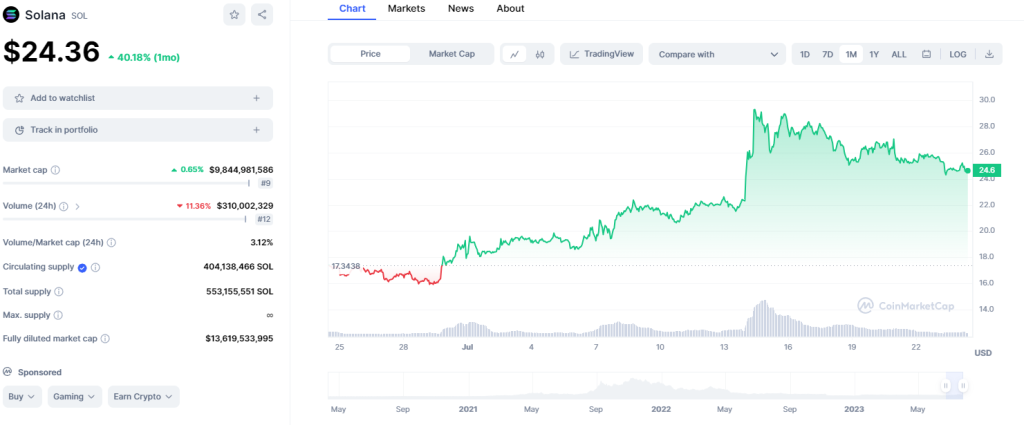
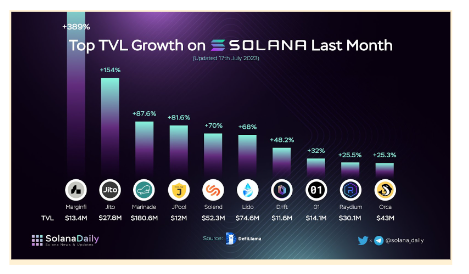


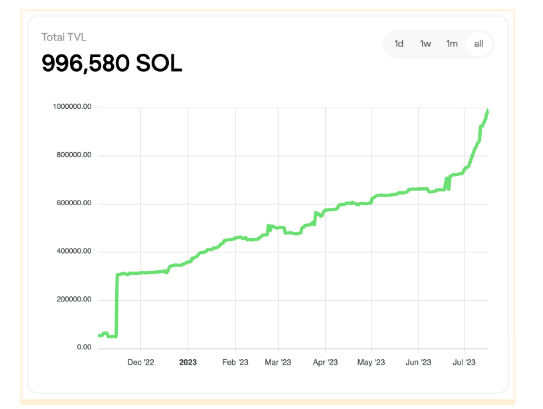
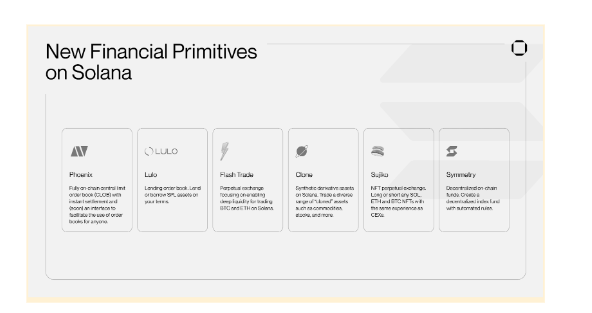

 |


 More accountability
 More transparency
 More security


 (@yellowpantherx)
 Game Spotlight


 Watch & Bet starts in 10 minutes!
 spectate in LIVE races,
 and win rewards in bonus raffles.


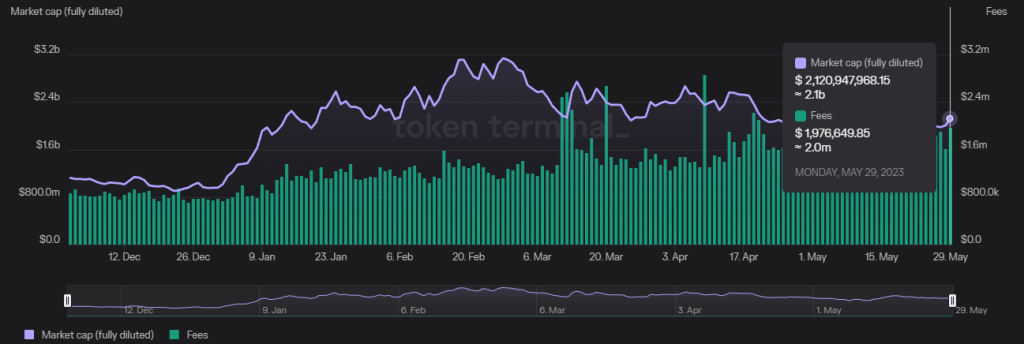
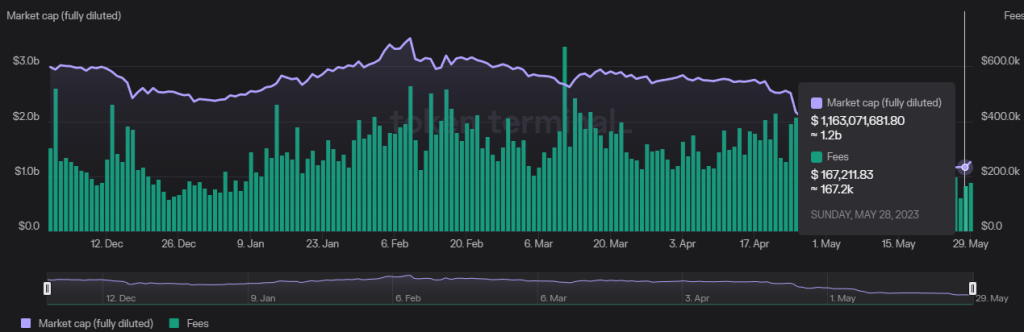
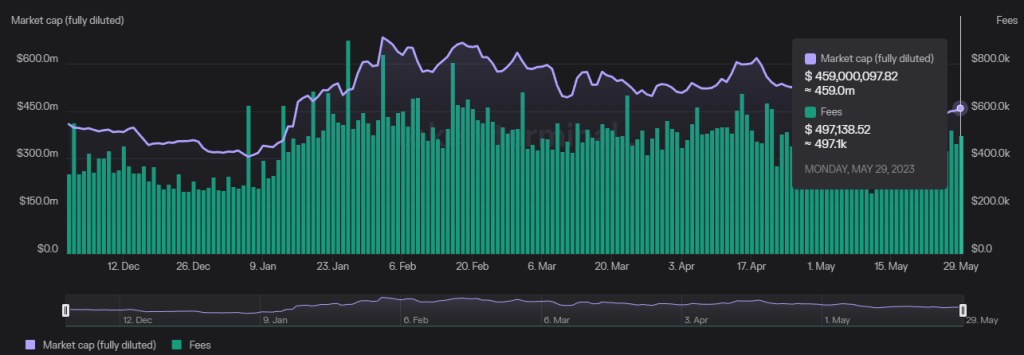
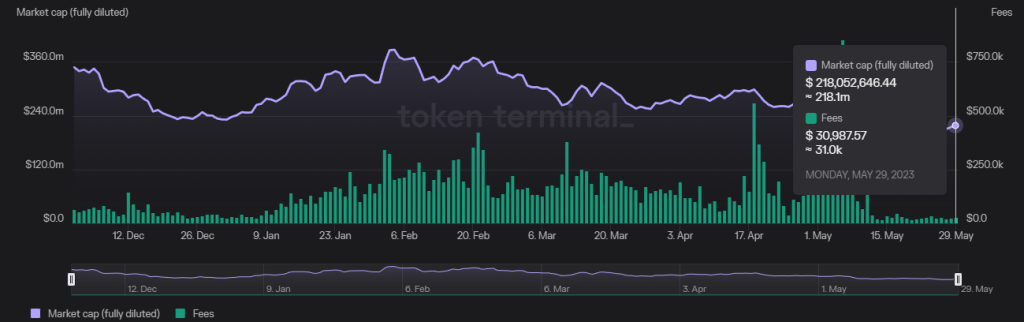
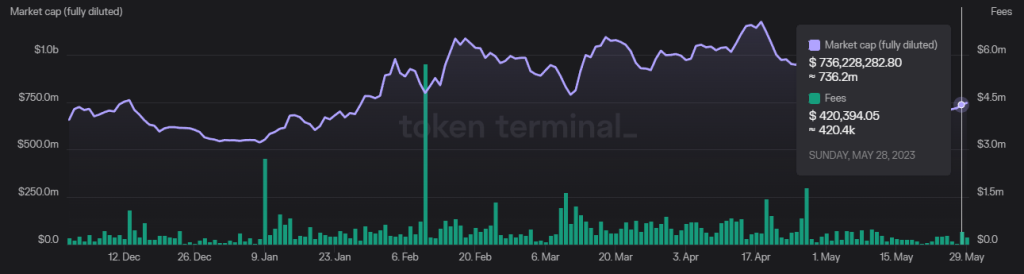


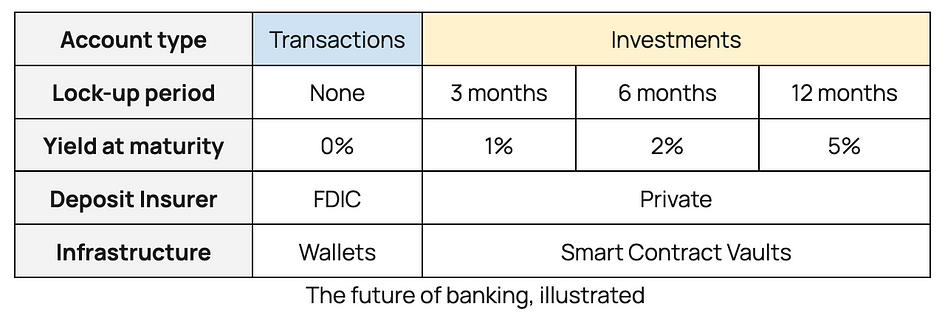

 04


 (@ViktorDefi)
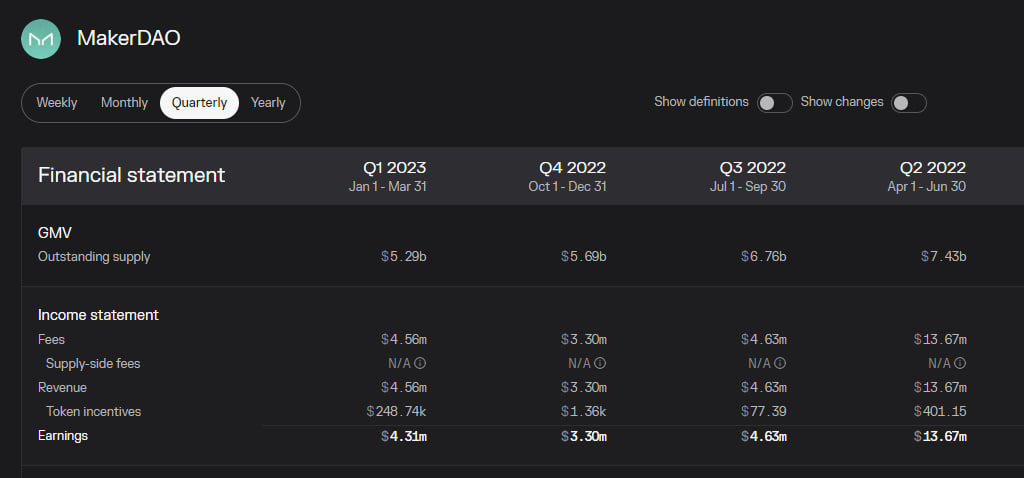
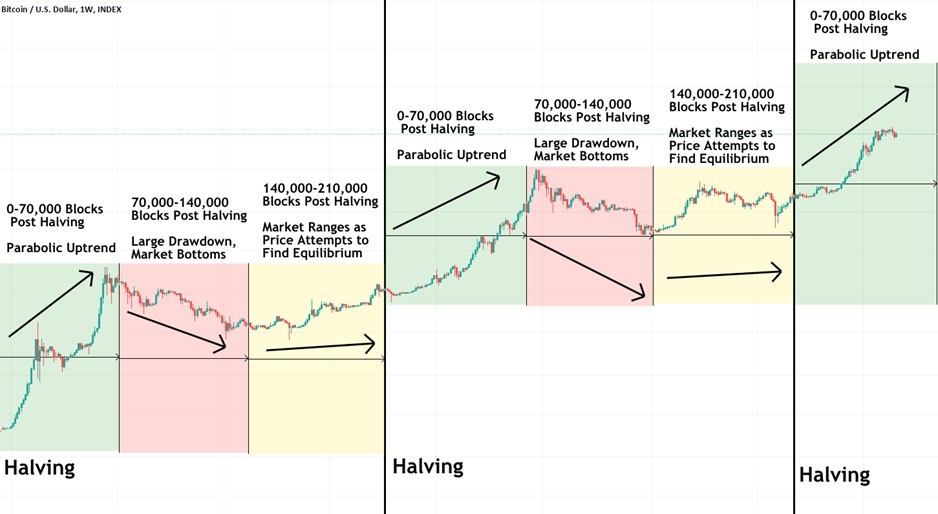
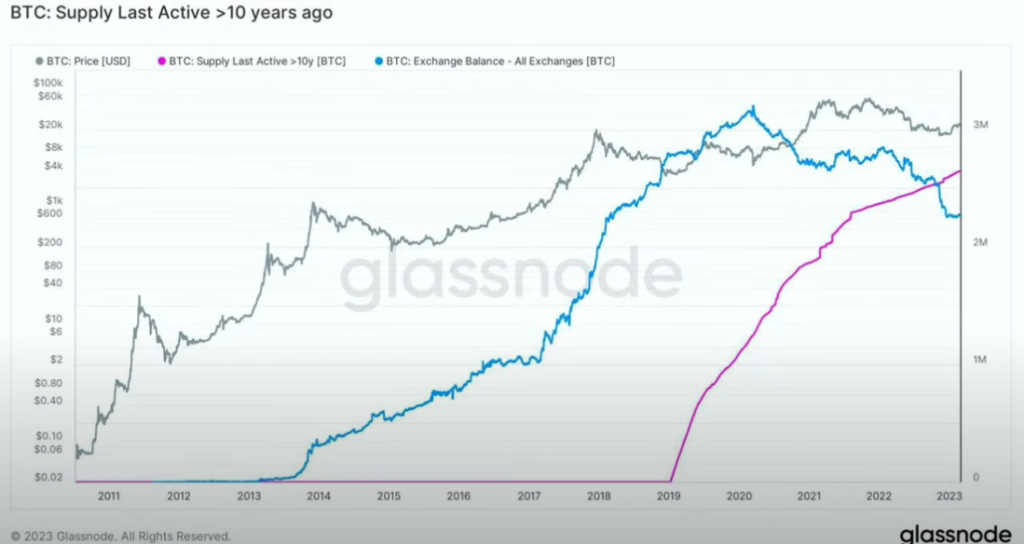
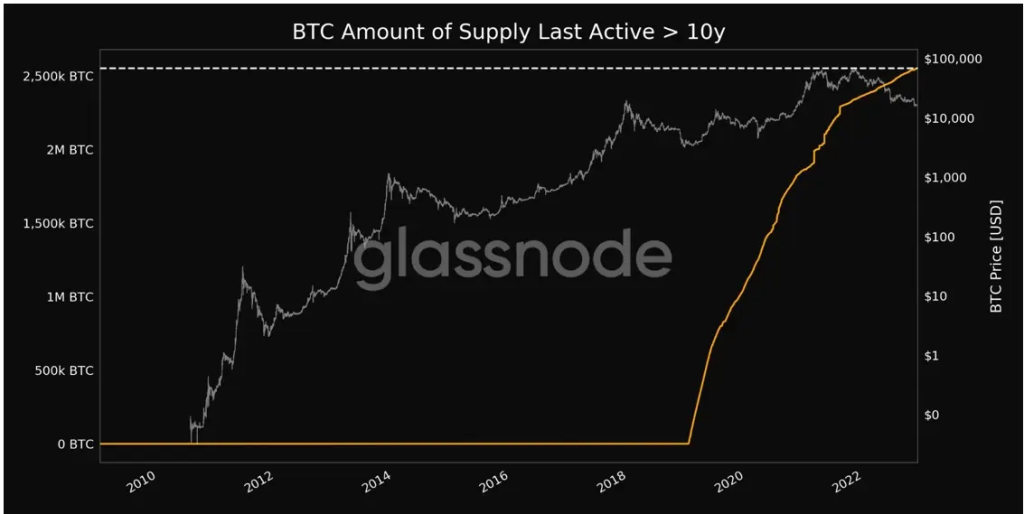
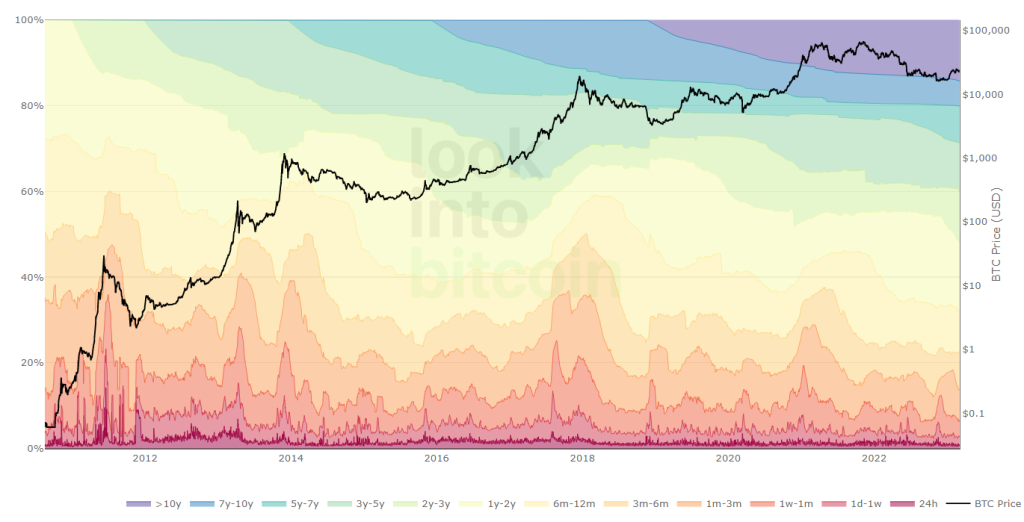


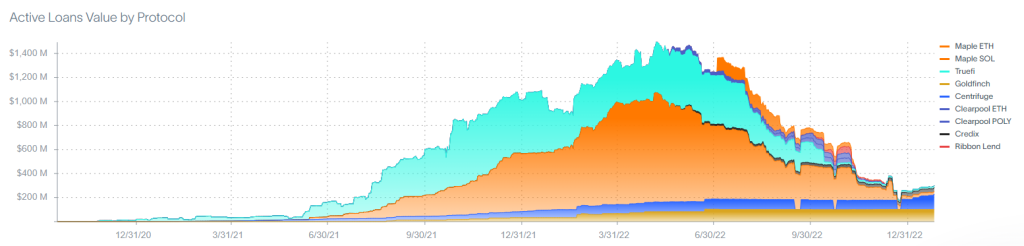
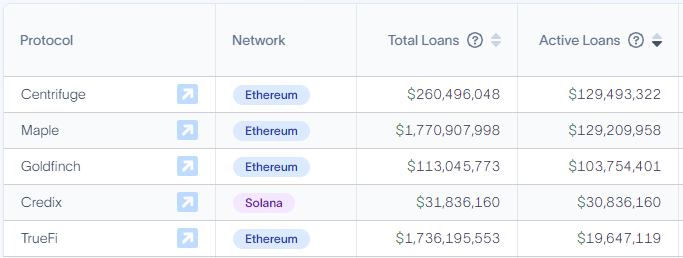

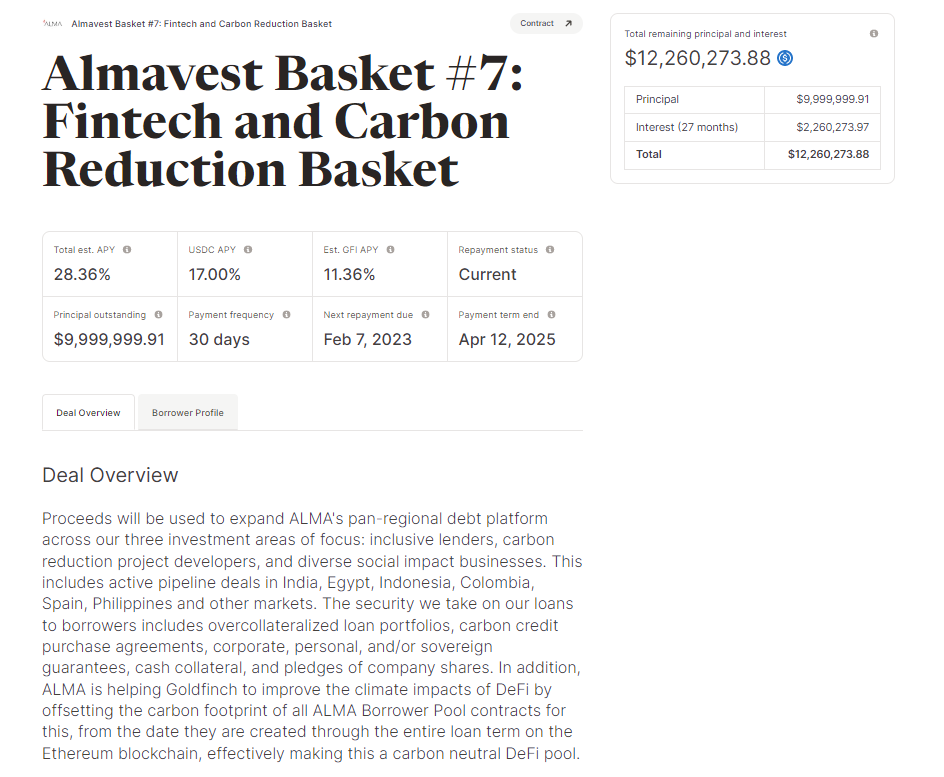

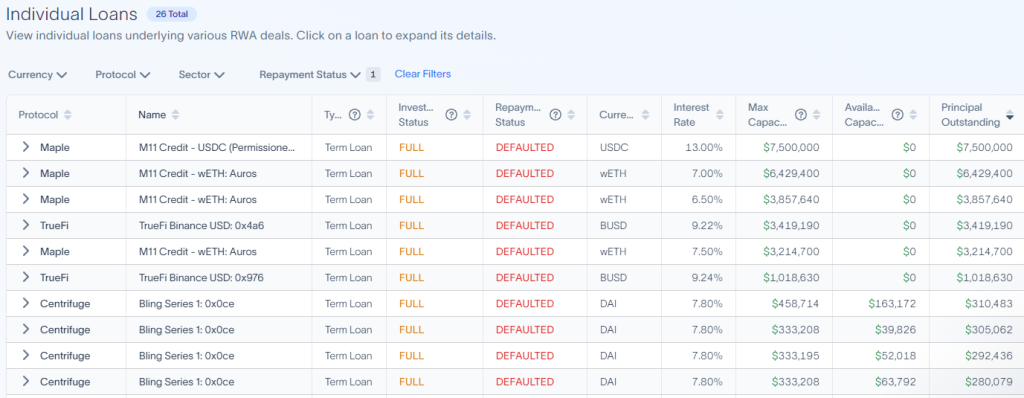



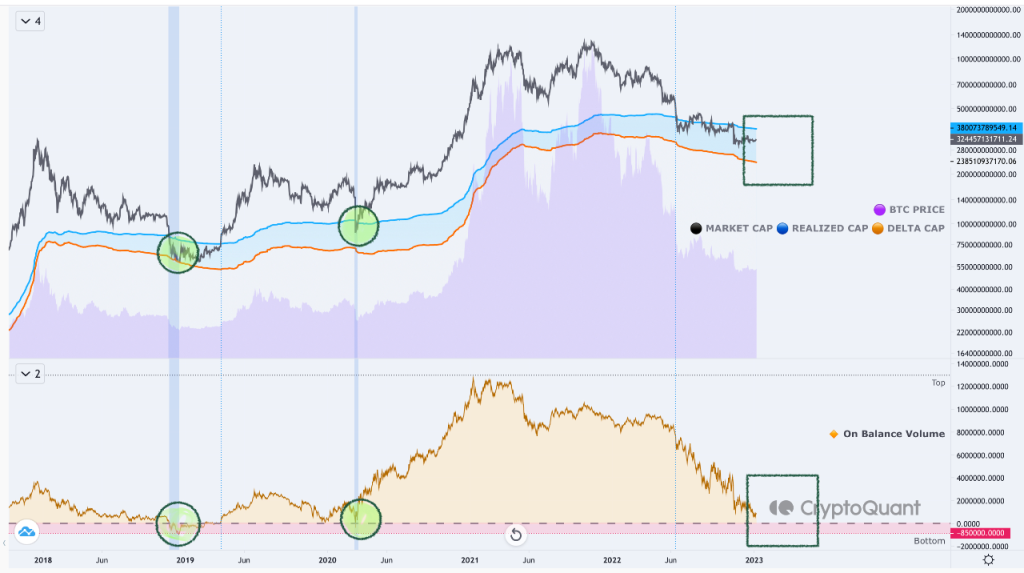
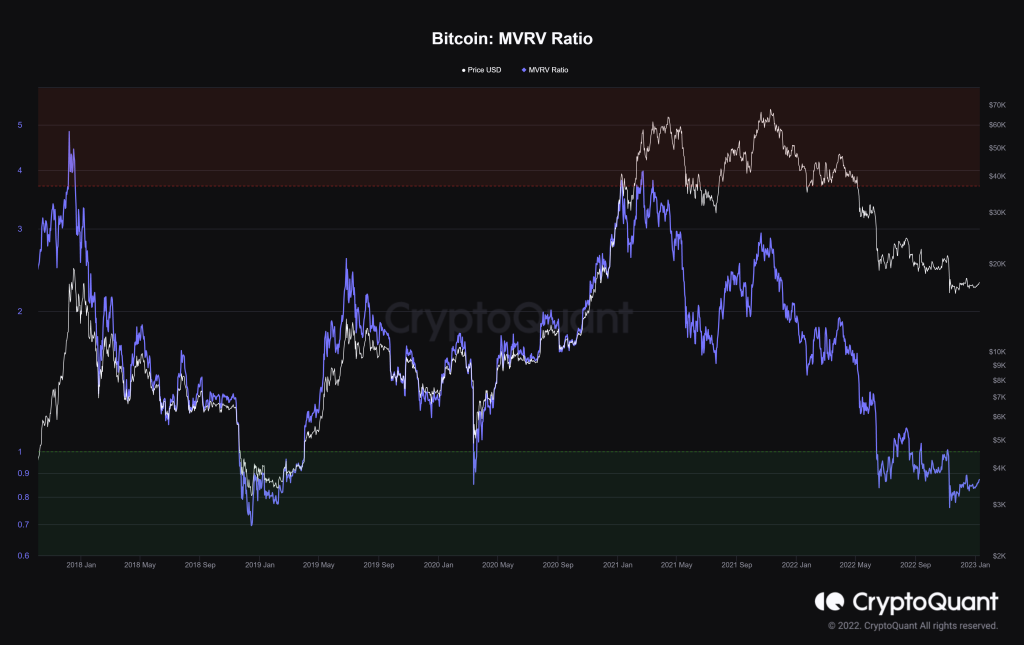
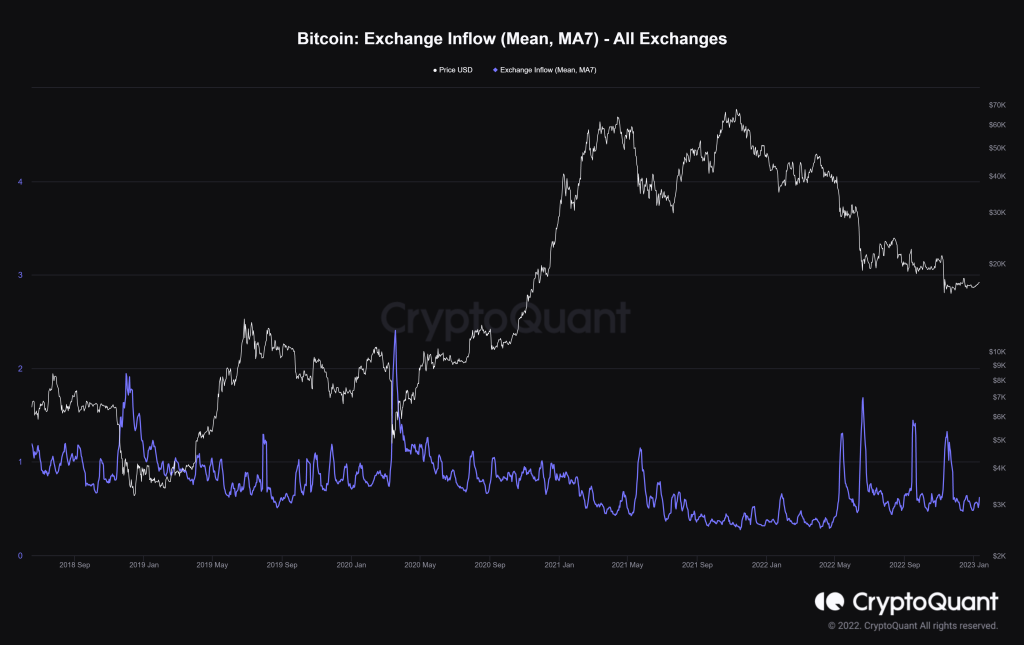
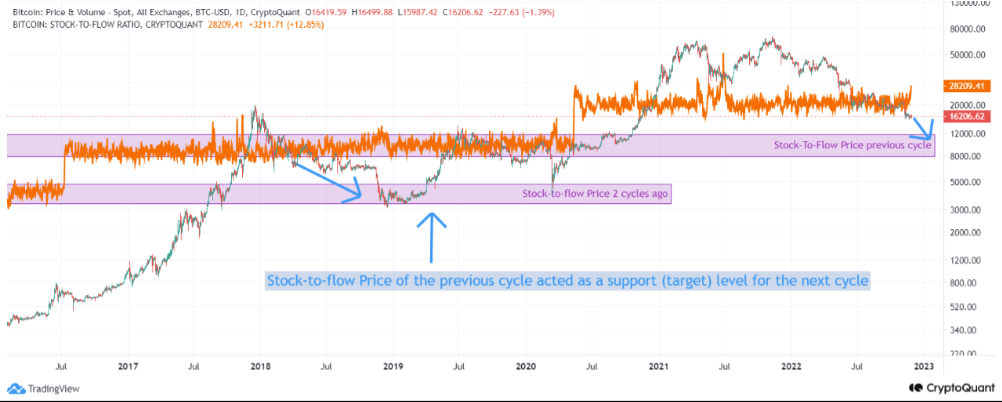
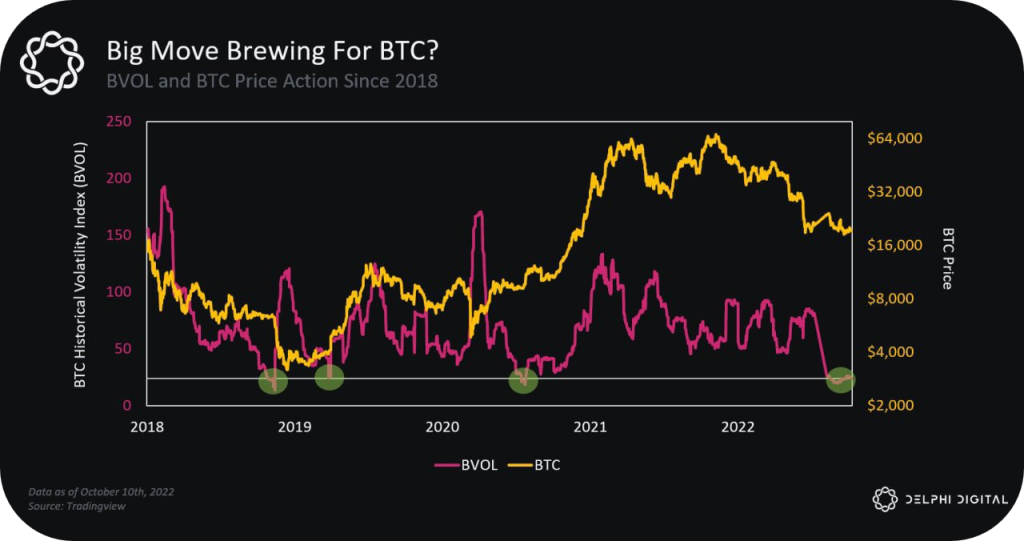

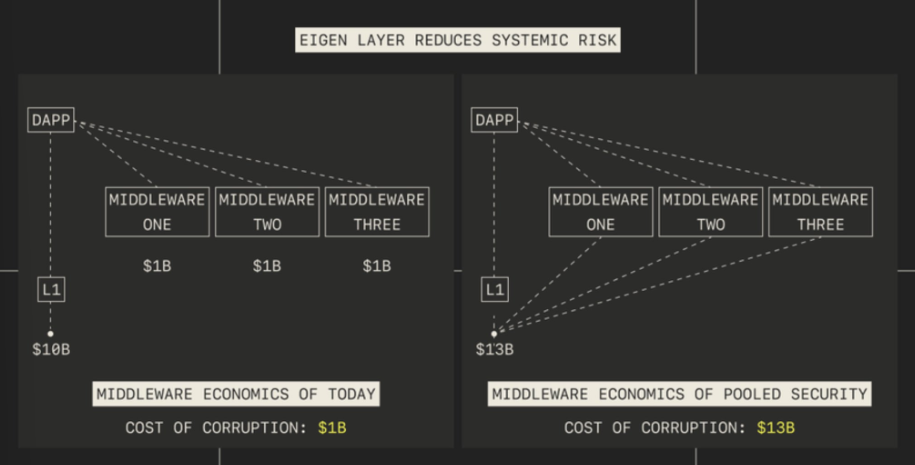


 (@TheDeFinvestor)

 (@twobitidiot)

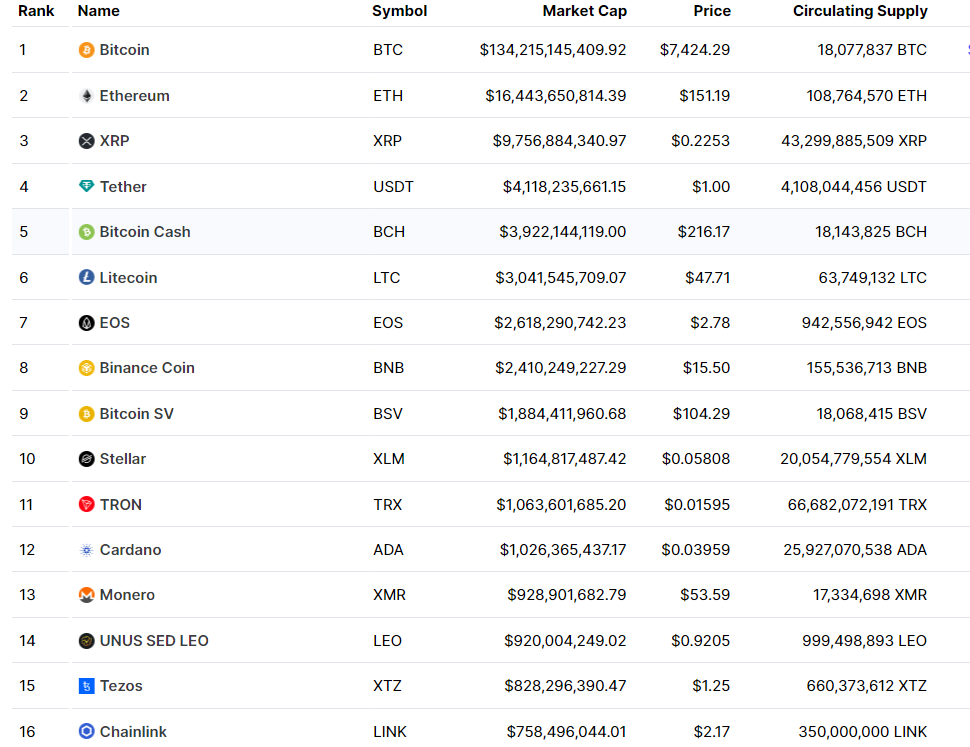

 (@Uniswap)


 Buy Crypto from the Philippines
 and Thailand


 _
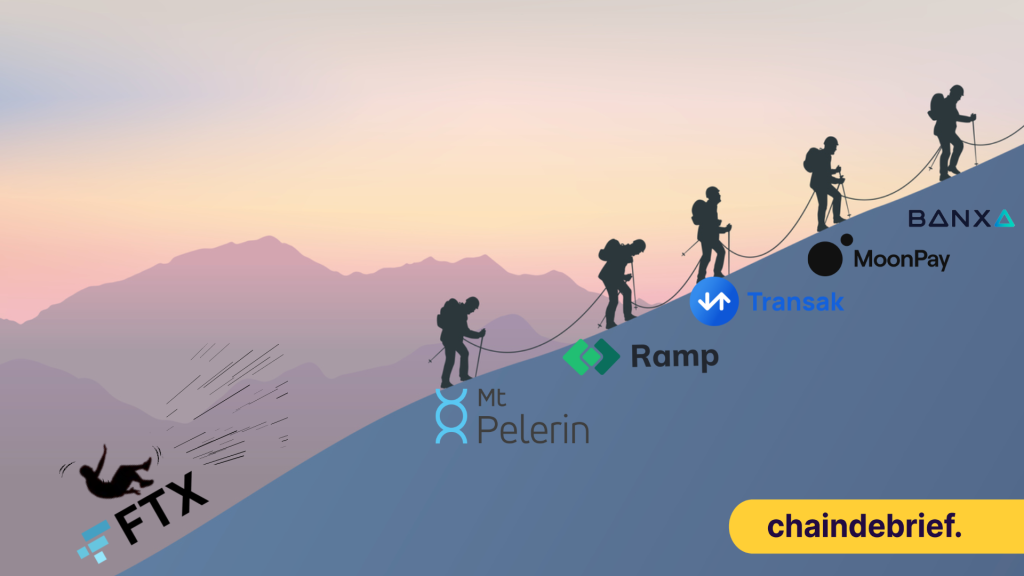

 (@zhusu)
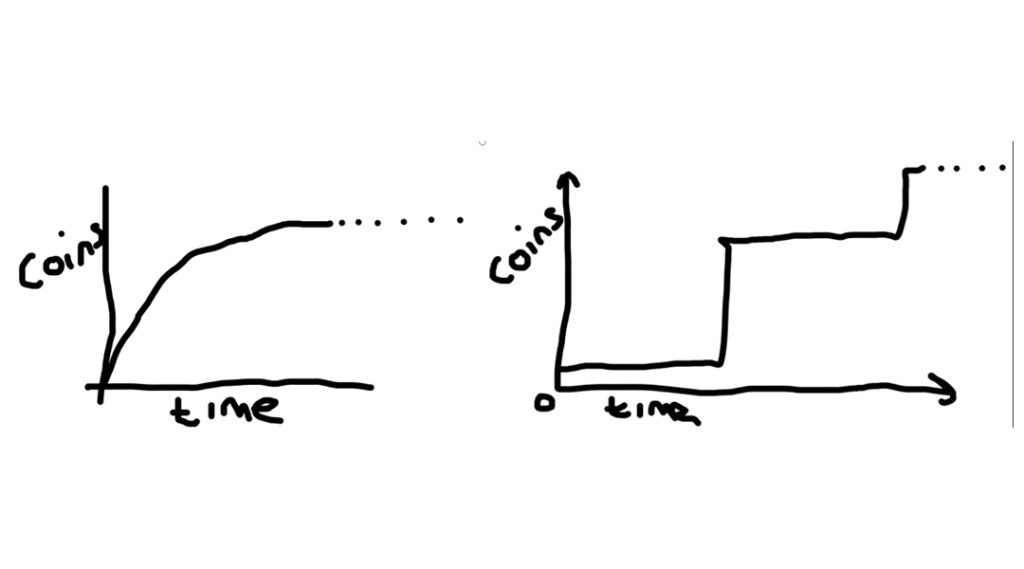
 (@AlgodTrading)
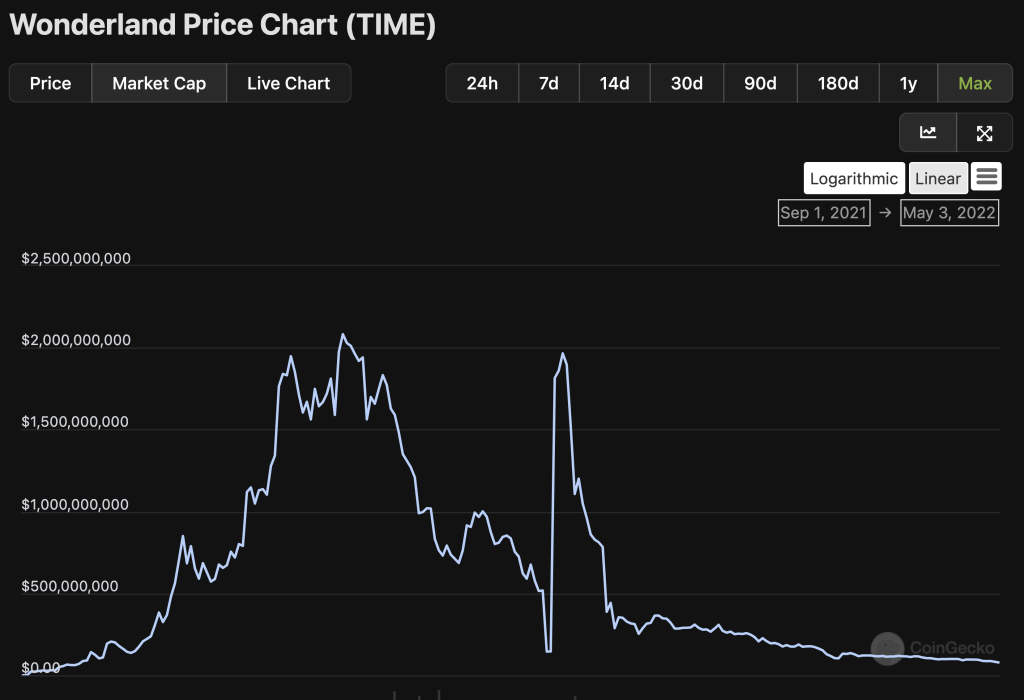
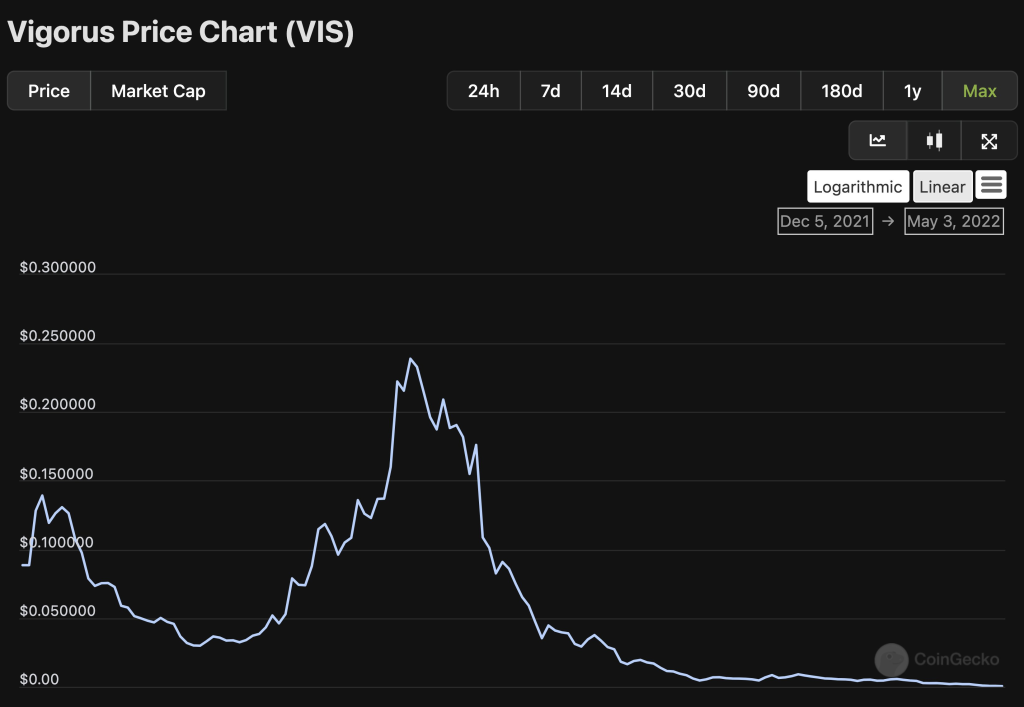
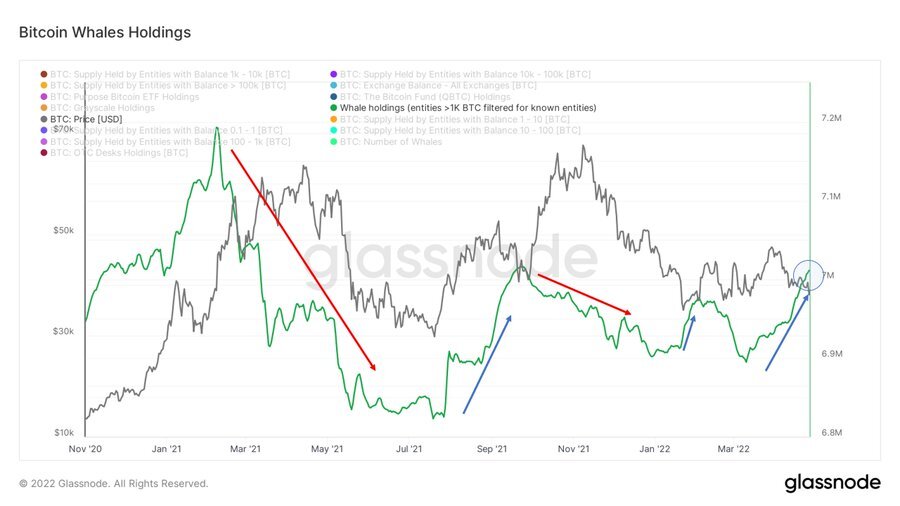


 (@StrategicHash)


