❌

Reading view

How To Properly Scale in and Out of a Futures Position

Day traders adopt a mindset of swift closure, focusing on single entry and exit points – one shot in, one shot out. 

This approach is also prevalent among many investors. Nevertheless, dividing that one-shot trade into multiple smaller trades could potentially yield a more favorable average price for both the position and the exits.

The concept of dollar-cost averaging represents the typical method for scaling entries. However, it necessitates buying during selloffs, which often contradicts the momentum-based trading strategy. 

Day traders prefer to see immediate profits upon entering a trade, but scaling in often means initiating the trade with a negative balance.

What Exactly is Scaling?

Scaling in trading refers to the gradual adjustment of the number of crypto assets in a position based on one’s trading strategy. (in other words a more fancy dollar-cost average)

This approach provides traders with greater adaptability, allowing them to aim for the most favorable average pricing on their positions. 

However, practicing scaling demands a disciplined and assertive approach to ensure positions do not become excessively large in case the market conditions deteriorate. 

Moreover, it requires the willingness to act against the prevailing trends, either buying when others are selling or selling when others are buying. Achieving success with scaling depends on striking the right balance between conviction and flexibility – a delicate equilibrium that traders must carefully navigate.

Examples of Scaling 
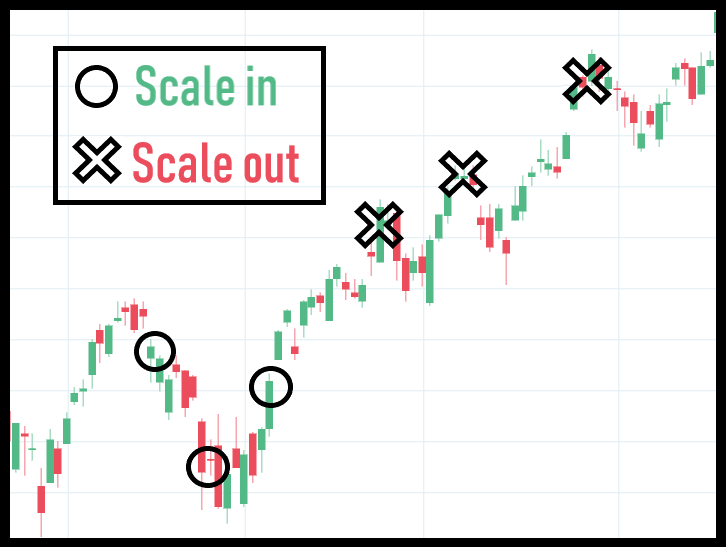
Scaling in usually means buying multiple positions at different times to reduce the risk of your trade, while scaling out just happens by selling multiple positions at different times to reduce the risk of a change in price action.

In the above picture, the trader scaled a position 3 times according to his trading strategy (moving average, dollar-cost averaging, liquidity grab, etc), and exited 3 times to minimize risk.
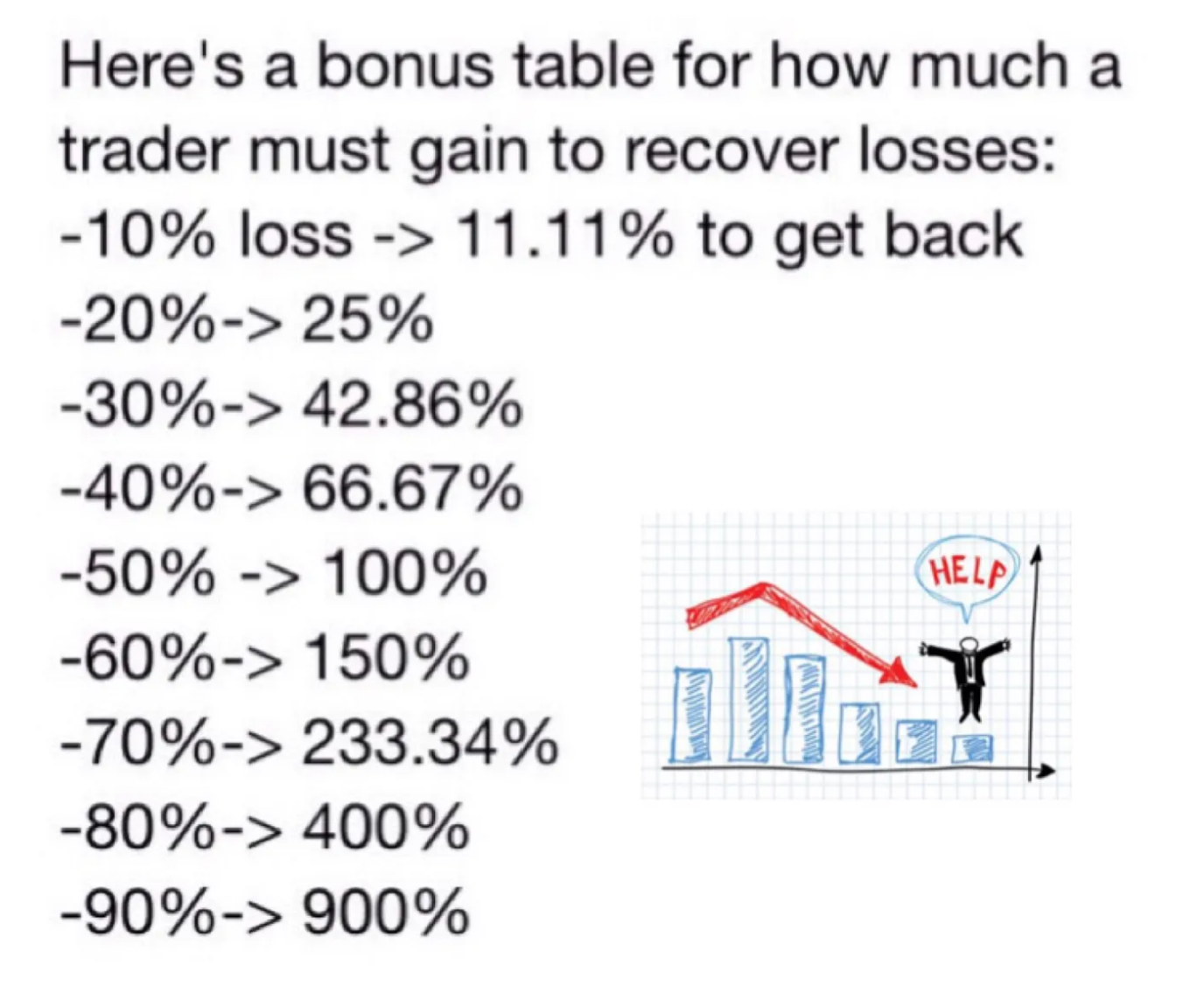
As a rule of thumb most trader’s usually only risk about 2% of their capital when scaling in. This is because losing all your capital is the easiest way to make losses when trading. This is because it’s easier to trade with a larger sum of money as compared to a smaller sum of money. 

Common Misconceptions

Scaling is one of the best ways to trade safely and properly, and minimize both upside and downside.

Scaling however does not constitute to increase your capital at each position. This sounds good in theory because you have larger purchasing power, but in reality, there are a lot of issues that arise with this. 

Top Mistakes When Scaling 

Issue:

The main concern with scaling in trading lies in the liquidity of your position. As you gradually increase your position size, there is a risk that your trades could backfire, inadvertently causing a market impact when it comes time to exit. 

For example, if you scale into a significant 10,000 coin position of a coin using smaller increments of 300 to 500 coins, you may achieve a better average price per coin. 

However, attempting to sell all 10,000 coins with a market order after the coin rises by $0.25 could lead to bids collapsing as other sellers panic, ultimately resulting in getting filled at a loss.

Solution:

To address the challenges associated with scaling in trading, a prudent solution is to scale out of the position gradually, while carefully timing your exits with momentum spikes in your favor. 

Additionally, it’s crucial to choose coins that offer sufficient liquidity to support your position, even during periods of low volatility. 

Rather than selling all 10,000 coins at the market, having the right tools to gauge momentum allows you to scale out of the position in smaller increments of 500 to 1,000 shares over the course of a day or two, thus taking advantage of potential buyers and reducing the risk of a market impact during the exit process. 

By implementing this approach, traders can navigate the challenges of scaling more effectively and increase their chances of successful trades.

Growth Cap:

Issue:  One potential problem a trader may encounter is that their trading strategy may not perform as effectively at larger scales. 

There could be a limitation on the growth potential of the strategy, especially in the case of a very large successful trade when facing the challenge of limited liquidity, making it nearly impossible to achieve significant growth, such as 10X gains.

For instance, mid to large-cap cryptocurrencies such as BTC and ETH generally offer more liquidity, making it feasible to execute larger trades.

On the other hand, small-cap cryptocurrencies often have thinner liquidity, and traders can unknowingly become “bag holders” when they mistakenly assume higher liquidity during a high-volume day that quickly dries up the next day.

This is why trading meme coins often have huge returns and huge losses, because the liquidity is low, and the growth cap exponential is incredibly high with just a small amount of liquidity. (Just that not everyone can exit)

Solution:

To navigate growth cap issues, traders should always assess the historical and average volume of the underlying cryptocurrency and consider the type of growth cap they might encounter. 
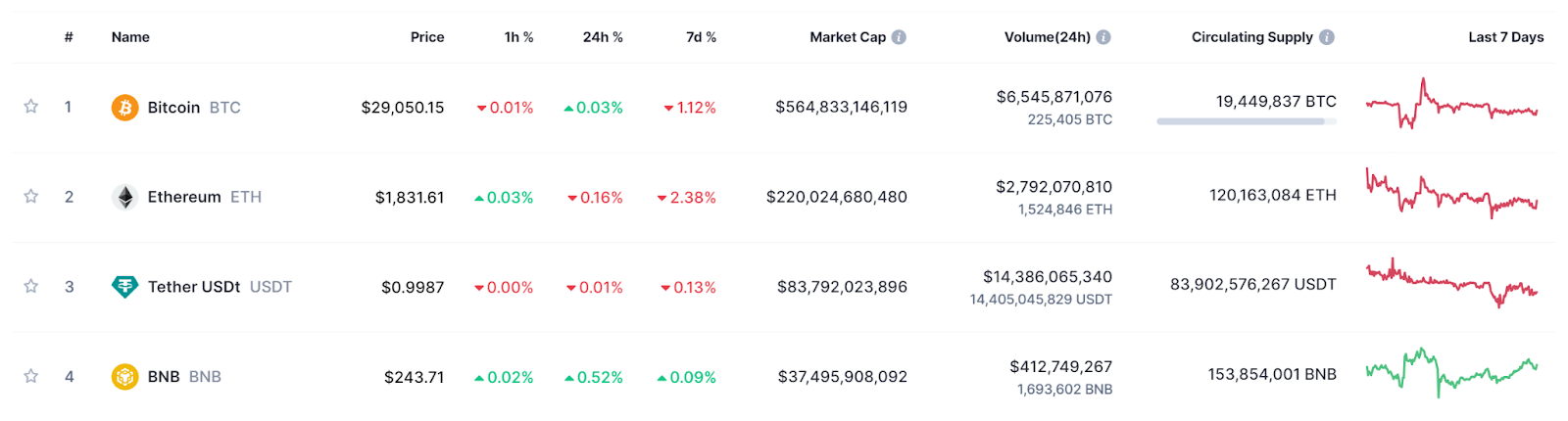
A good website to check this is CoinMarketCap. This is especially important when trading lower cap coins that are not on centralized exchanges like Binance or Crypto.com

Cryptocurrencies falling in the small-cap category with an average daily volume under 500,000 USDT should raise a warning flag due to their thin liquidity. Trade at your own risk.

In addition, it is essential to be aware that small-cap stocks may exhibit heavy volume on days with catalyst-based price movements, creating the illusion of substantial liquidity. 

However, this elevated volume and liquidity can quickly evaporate the very next day due to rotational trading. To avoid potential pitfalls, traders must always check the average daily trading volume beforehand to gauge the normal liquidity levels. 

Never assume that elevated volume and liquidity will persist in small-cap stocks, as they can be highly unpredictable in this regard. 

Being cautious and well-informed about liquidity will help traders make more informed decisions and avoid undesirable outcomes when dealing with growth cap challenges.

Front Running: 

This issue generally doesn’t happen to most people, but can still happen when you’re executing larger trades in the market. This also usually happens to lower cap coins

Issue: 

As you become more adept at the intricacies of scaling in and out of positions, you start noticing instances of slippage during your order executions. 

Despite your efforts to fine-tune entries and improve the timing of your orders, you observe discrepancies in fills, availability of borrows, and delays with trade confirmations.

Solution: 

There isn’t really a very clear solution for this. When you trade on an exchange, you will always go through a market maker, in this case the exchange’s market maker. 

To explain it a little better, let’s bring in traditional finance. 

In stocks, there are commission brokers and non-commision brokers. 

Although zero-commission brokers may seem attractive for scaling into positions, it’s essential to recognize that their interests are tied to order flow agreements with third-party liquidity providers. 

Consequently, your orders will always be routed at the broker’s discretion, which means that your order can be easily front-runned. 

To gain more control over your orders, seasoned traders opt for direct access brokerage platforms that allow them to route orders to Electronic Communication Networks (ECNs) of their own preference.

In crypto, professional scalers or frequent traders sometimes establish their own blockchain node. 

This is a similar strategy that is seen with MEV trading, a combination of MEV bots and blockchain nodes. 

To prevent this, the rule of time is to execute large volume trades on high liquidity coins, but try to avoid large volume trades on low-liquidity coins as there is often significant slippage.

Conclusion


Scaling in and/or out of trades can offer significant benefits to your trading approach. However, it’s essential to acknowledge that this technique may not always guarantee improved results. 

There will be instances where refraining from scaling could have led to better outcomes. Nonetheless, it doesn’t imply that scaling should never be utilized. In my view, more often than not, scaling proves advantageous.

Scaling in and/or out of trades introduces an element of flexibility and allows for imperfection in execution. Nevertheless, in situations where a trade could have been executed flawlessly (e.g., buying at the low and selling at the high), scaling might not provide additional benefits. 

Also Read: 50% of Liquidity Providers Lose Money: Here is How To Avoid That

[Editor’s Note: This article does not represent financial advice. Please do your research before investing.]

Featured Image Credit: Chain Debrief

  •  

How Many Bitcoin Do I Need To Be a Millionaire by 2030?

Is cryptocurrency here to stay or is it a passing fad? 

With the next BTC halving expected to come in April 2024, the block rewards will fall from 6.25 BTC to 3.125 BTC. Traditionally, this means volatility, and optimistically, new ATH’s for BTC.

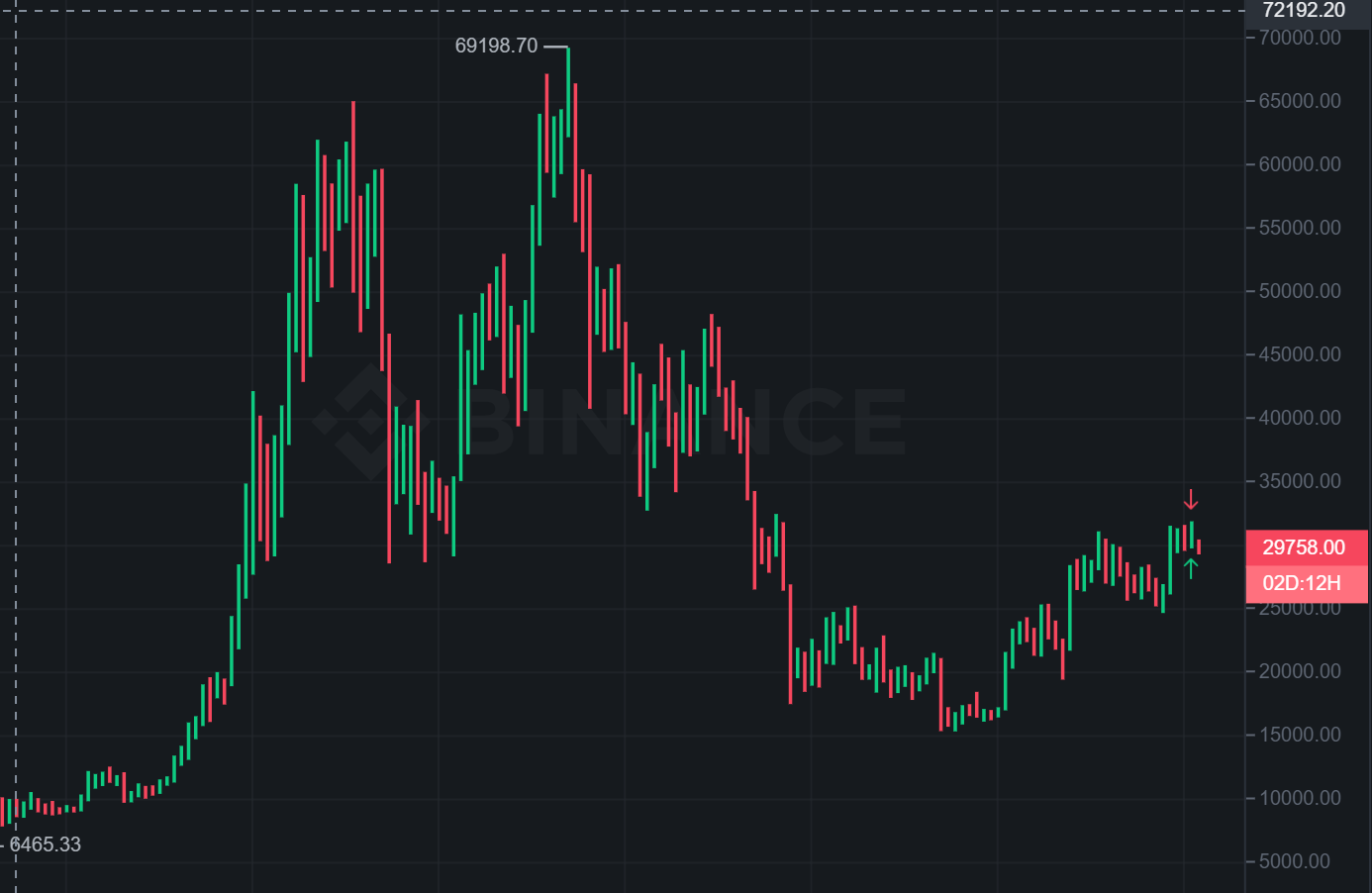
Regardless, we still have a long way to go as we continue to range indecisively on whether or not we are in a bull or bear market. With that in mind, many of us are hoping we can create generational wealth within the next few years with cryptocurrency. That begs the question, is it possible for BTC to hit 1 million by 2030, or if so, how much BTC would we need to be millionaires.

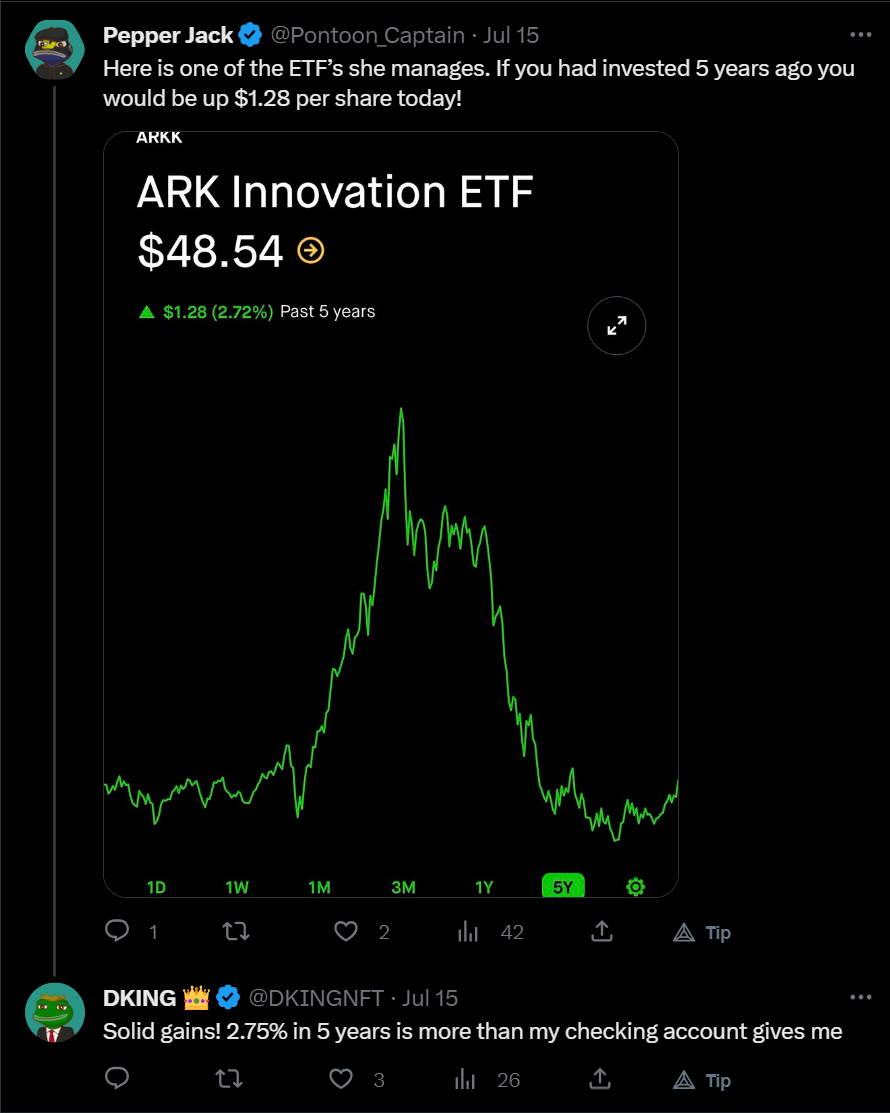
Am I the only one that just sees another influencer pumping her bags when Cathie Woods predicts BTC between $650k-$1.5 million by 2027?

I mean, if we stick to the 4 year cycles that would put us smack in the middle of the next bear market. pic.twitter.com/8JHkVGHknM

— DKING 👑 (@DKINGNFT) July 14, 2023

Largely this is a very controversial topic, with several influencers or whales for or against this statement. 

For example, some even value BTC at $10,000,000!

I post "absurd" $10,000,000+ predictions for #Bitcoin to help others realize that it is absurd to price #BTC in terms of $ at all.

Call it clickbait, sure… but most will not understand #Bitcoin is more valuable than $ until they try to price #BTC in USD and realize they can't.

— Luke Broyles (@luke_broyles) July 18, 2023

Others such as Standard Chartered, predict $120,000 by 2024. 

Of course, many of the statements can be considered contradictory, misleading, or inaccurate. Here’s my thoughts on what BTC will be valued at by 2030. 

A Primer on Valuing $BTC 

Here’s my theory. There are many traditional and tangible methods of valuing cryptocurrency. For example, TradeFi valuation methods (that actually apply), veTokenomics, FDV and so on and so forth. 

I believe that cryptocurrency is valued highly if enough people agree that it is valuable. It’s a game of supply and demand, and economics. Traditionally, public companies in the stock market are valued by their P/E ratio, their revenue per quarter, or their market capitalization. 

In crypto, it’s a different ball game. Most crypto products are pre-revenue, meaning their valuation falls on intangible benefits, and not so much on tangible benefits. That means we can’t compare it the same way we value  Web 2 companies.

For example, have we ever tried to value an NFT, say for example Azuki.

Many of us would think long and hard, trying to justify why it is priced as such. Eventually, hardcore believers come to the basis of community benefits, and most importantly, airdrops. 

Apart from that though, there isn’t really much rationale behind holding one of these coveted blue-chip NFTs. The price of the NFT is therefore determined by supply and demand, and the “intrinsic” value of the NFT. This was evident when Azuki Elementals crashed the entire collection to a lower price due to poor execution of the mint. 

The same can be said for BTC. While it remains one of the more stable cryptocurrency blue-chips, its price-action is largely dependent on market demand, and not any traditional methods of valuation. 

A More Complex View on Pricing

There have been many predictions such as Plan B which predicted $100K BTC, but ultimately failed. However, this model could still be valid for the next halving . Despite the price surge in 2023, long-term investors have refrained from selling.

However, the profits of short-term holders do suggest a risk of further correction. 

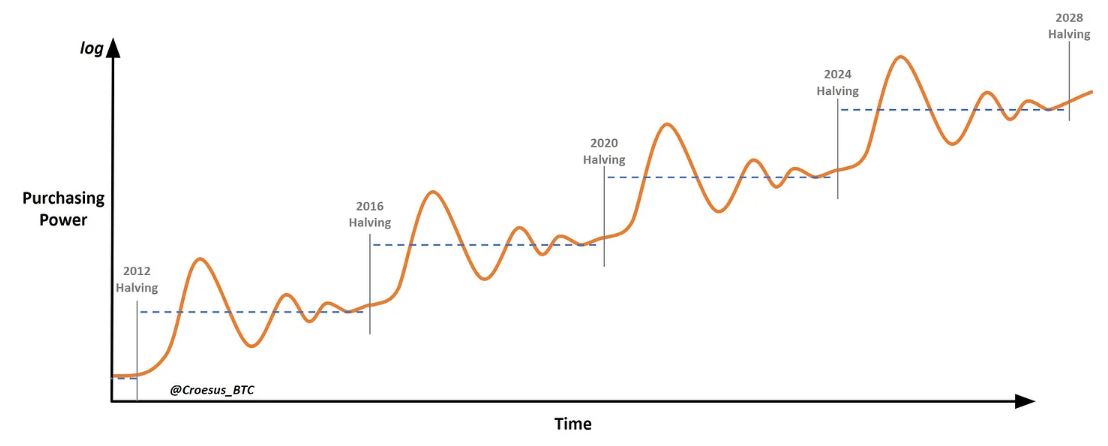
If we follow the stock-to-flow model based on BTC halving cycles, BTC could see significant price appreciation after the next halving in April 2024. 

Source: Jesse Myers

Myers, a Standard MBA graduate and fund manager suggests that “it takes longer than four years for the changed stock-to-flow reality of each halving to be fully digested by the world” 

That being said, what if we were to form another approach to valuing bitcoin instead of supply side valuation (Stock-To-Flow model)?

Let’s look at demand side valuation, in other words, adoption of the asset. 

Modern network effect theories suggest adoption is created by unique value propositions. For example, we use social media such as Twitter, Instagram, or LinkedIn because they provide a value proposition of communicating and sharing content.

Similarly, BTC was created to provide alternative modes of payments as its basis. Overtime, it has evolved to other use cases such as NFTs. This is similar to other features of social media that have developed over time. 

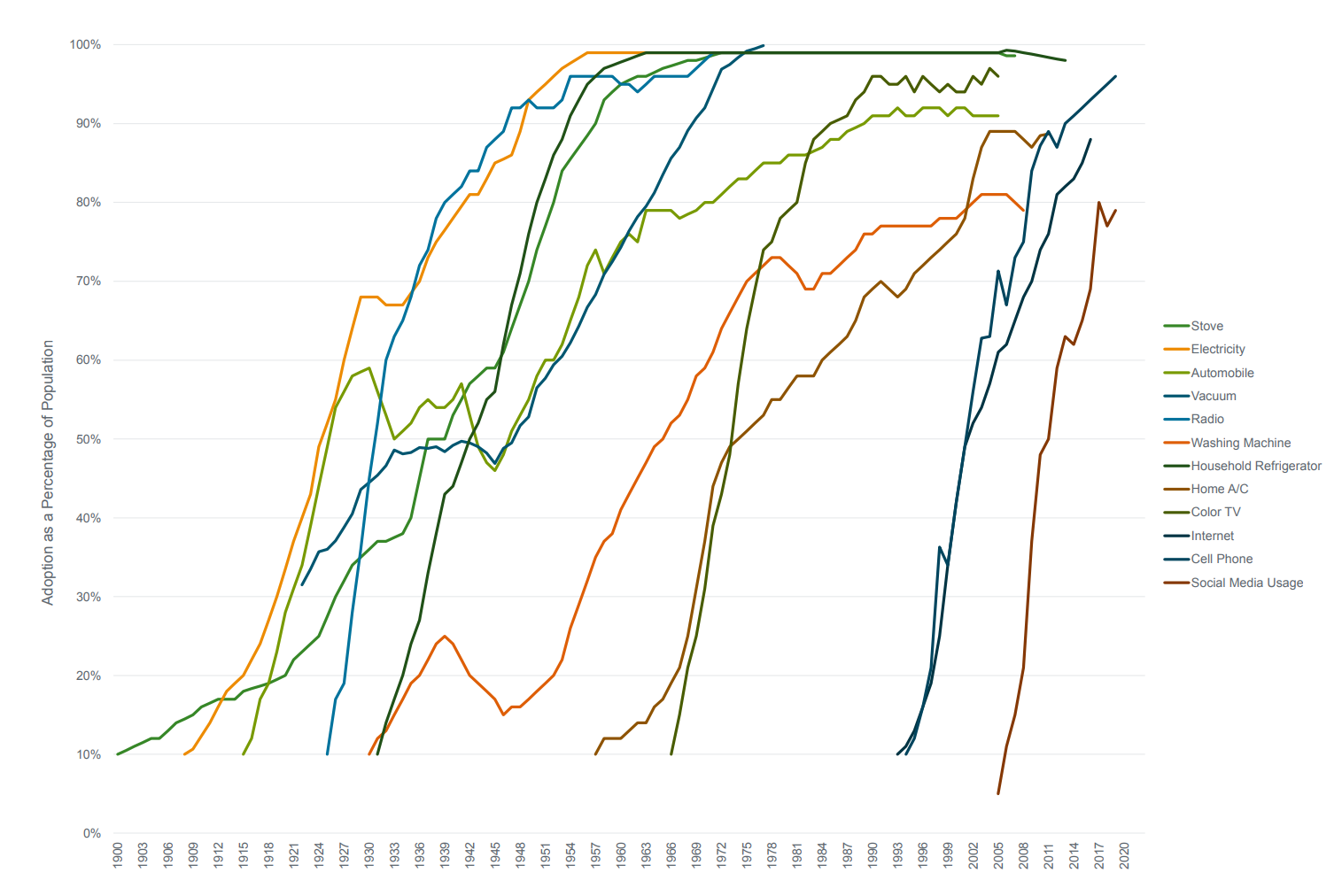
Source: Fidelity Investments & World Bank 

Adoption curves are a strong indication of demand and vary significantly per industry. BTC currently follows a curve quite similar to internet industries. 

Source: World Bank

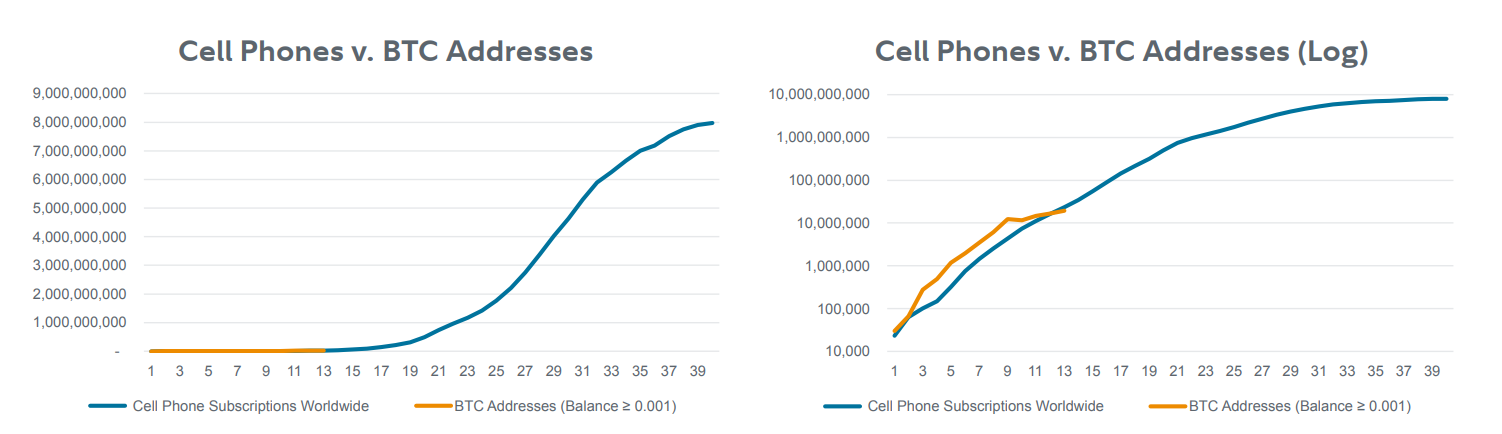
For example, if we take a look at an analysis by Fidelity Investments, we can note that BTC addresses vs. cellphones have very similar trends, and this is a useful proxy because of Metcalfe’s Law. 

Metcalfe’s law, which was proposed in 1980, states that the financial value or influence of a telecommunications network is proportional to the square of the number of connected users. 

That means we could see adoption similar to cell phones, and from there we can extrapolate out a price relationship.

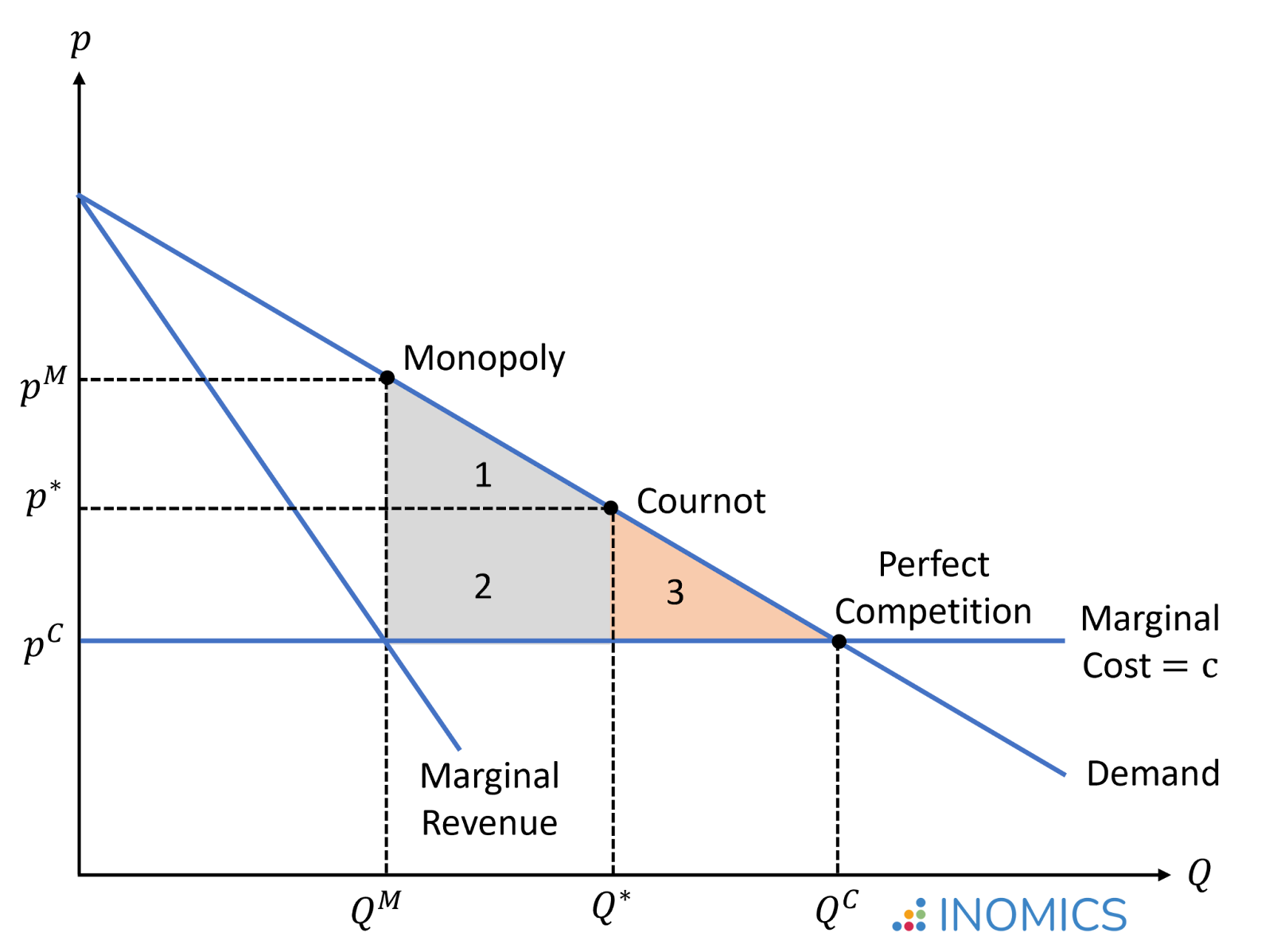
If we hypothesize it out even further, modeling the price of BTC as a monetary asset through market forces, we could see any of the following scenarios, weighing in competition.

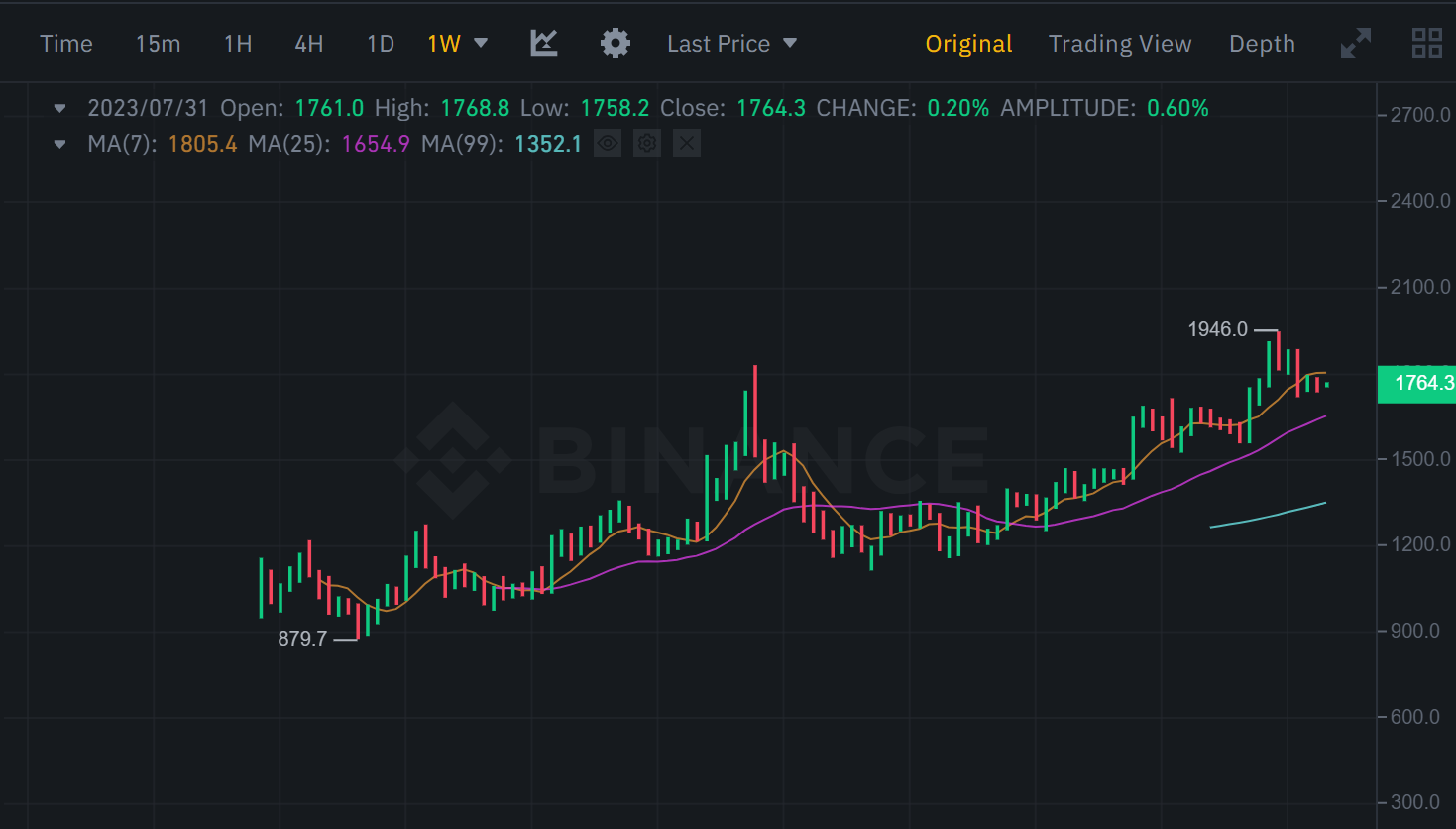
Chart of BTCDOMUSDT (1 Week Timeframe)

I’m predicting that BTC will have a monopoly in the long term as most alt-coins die off (BTC has always had stable and significant price action), and coupled with decreasing supply and increasing demand in the long term, we will see a supply shock. 

Therefore, we can predict prices to be around pM valuation, if we put all cryptocurrencies on a supply demand axis to predict competition and price. 

Closing Thoughts 

I am personally not a huge fan of price prediction. Cryptocurrency is  a very volatile asset and unlike stocks, often does not have rationale behind price movements apart from market sentiment. 

However, based on all of this analysis, I believe that $100K BTC is definitely possible, which means you would need about 10 BTC to be a millionaire by 2030. My thesis can be broken down into these parts: 

  • We still have 2 more halvings before 2030 (The halving was initially designed as a countermeasure to inflation. However, it now acts as a speculation event since price will increase even if demand is the same, due to increased difficulty to increase supply (mining rate))
  • Digital assets generally appreciate overtime. However, due to psychological acceleration in society today, I believe digital assets will follow a path of innovation theory. In other words, faster technological adoption and higher prices
  • BTC is a fundamental currency that drives economies and trades in less-developed countries. 

These are just my thoughts. It is always good to make your own judgment call before investing for the short term or long term. 

[Editor’s Note: This article does not represent financial advice. Please do your research before investing.]

Featured Image Credit: Chain Debrief
  •  

Trading The Bear: Lessons Learnt From Turning $500 into $10000 in a Month

Have you ever found yourself facing the daunting task of making ends meet in the ever-changing and unpredictable world of financial markets? It’s no secret that earning money can be incredibly challenging, especially during ranging markets which are confronted even more with market uncertainties as compared to bear markets.

I recently undertook a challenge to turn $500 into $10000 in just one month. What were the results?

In this article, I will share tips, tricks, and mistakes to avoid that I learned through my transformative journey. 

Choosing the Right Exchange:

Before delving headfirst into the thrilling world of futures trading, it’s of utmost importance to find a service provider that you can trust and that aligns with your unique needs. When seeking out an exchange to begin your trading journey, I would recommend reputable platforms like Binance for centralized trading or DyDx for decentralized options. 

These exchanges provide user-friendly interfaces, a wide range of futures trading opportunities, and robust security measures to safeguard your assets. If your not sure if you should start with CExes or DEXes, you can check out this article here: https://chaindebrief.com/cex-vs-dex-crypto-trading/

Evaluating different platforms can be carefully assessed through factors such as fees, funding rates, and the overall reputation and reliability of the exchange. Choosing the right exchange is an essential step that can significantly impact your trading experience and, ultimately, your long-term profitability.

For example, I prefer a more UI/UX friendly experience and don’t mind paying more for funding rates. This is why I stick with Binance and DyDx, as liquidity is generally stable with good UI/UX, limiting the number of independent variables that could affect your trading decisions. 

It’s important to note that I do have some experience trading futures, and after some evaluation, I personally think Binance tops them all for this journey due to its UI/UX, which I believe is crucial when trading for the long-term

The Secret Sauce:

It is important to note that there is no get rich quick scheme, or any shortcut to success. You may chance upon a lucky or game changing trade, but ultimately you will lose to the market without proper discipline and execution. 

Everyone also has their own style of trading, mine for instance uses less technical analysis (TA), and more sentiment prediction. For example, this includes looking at things such as feed activity on Twitter, particular news that could affect token prices, and funding rates.

From what I have learned from the 30 days, let me share with you an easy 3-step mentality framework for you to get started. 

Step 1: Take Calculated Risks When Starting Out

It’s no brainer that you’ve heard of the saying, you need money to make money. That’s why it’s a lot easier to trade with a much larger sum of capital because of an exponential effect. This was something I experienced when starting out with $500. 

For example, if you put $100 into a 20x trade and make a 300% ROI, you would only make $300. Conversely, if you put $500 into a 20x trade and make a 100% ROI, you would already make $500. My point, take calculated risks when necessary, when starting out, because it is nearly impossible to grow that capital without taking some degree of higher risk. 

While this may prove to be disastrous if you predict the market’s movement wrongly, you can mitigate the percentile of losses with a Stop Loss. This is something I strongly advise all traders to do. 

Taking calculated risks can come in a variety of forms. For example, a 100x long may actually be safer than a 10x long. For instance, take a 100x long on ETH with $50 capital, as compared to a 10x long with $500 capital. 

While a 10x long may be good especially in the current ranging market, you may miss out on the opportunity to trade if you have to hold your position underwater. As compared to a 100x long, these positions are extremely risky, so exchanges usually set a tighter liquidation threshold.  

For example,if you enter a long at $1750, your liquidation price is $1740, even if it means you only lose 50% of your capital. Therefore, if you set a SL at $1741 and it hits, you only lose $25 which is 50% of your capital, instead of losing 100% of your capital if you hit your liquidation price. You risk little capital for exponential upside, while in the previous scenario, you risk a majority of your capital for little upside. 

For instance, let’s break down the rationale I used for my first trade. We started off the day looking for shorts in the market, and at that time, the entire market seemed to be fueled by the $ARB airdrop (sentiment). Naturally, we look to short any airdrop coin especially in a bear market. 

Timing is key.

Before I short this coin, it’s important to note that there isn’t really much historical data, so TA doesn’t really help in the calculation of risk. 

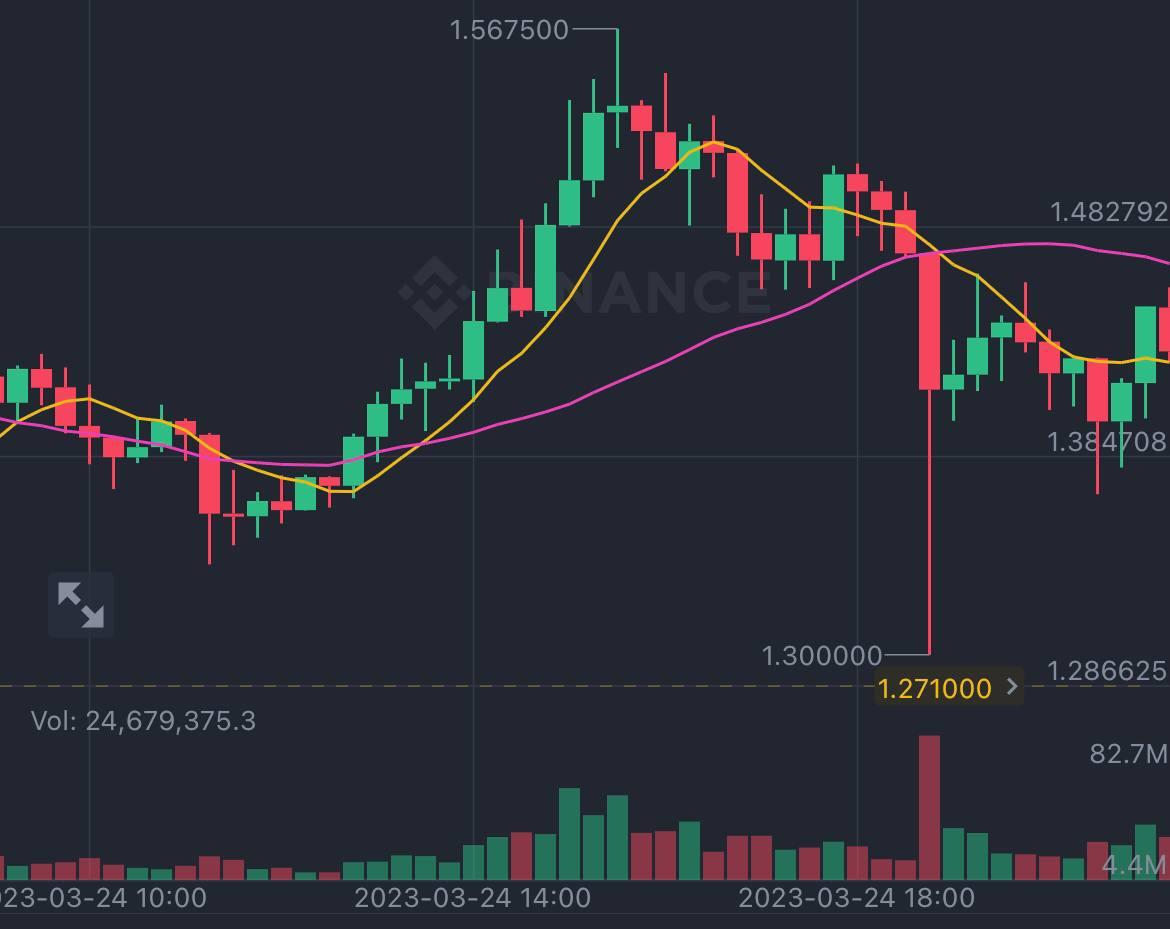
Instead, we look at price action. After noticing a correction towards ~1.2, we can notice that the funding rate was skewed positively. +0.07. It would be foolish to short at this given the lack of understanding of price action.  

We can also notice that there was huge resistance at $1.5, which is a strong indication that the market would look to try and “break” that point of resistance. This is when we observe the trade, and sure enough it tried to break this PoC. Again we look at the funding rate, which is extremely positive for a second time 0.047%. This indicates late shorts coming into the equation, which is a good time to short. 

This is because the market will often try to find liquidity, and in this case it’s at the bottom of the range. 

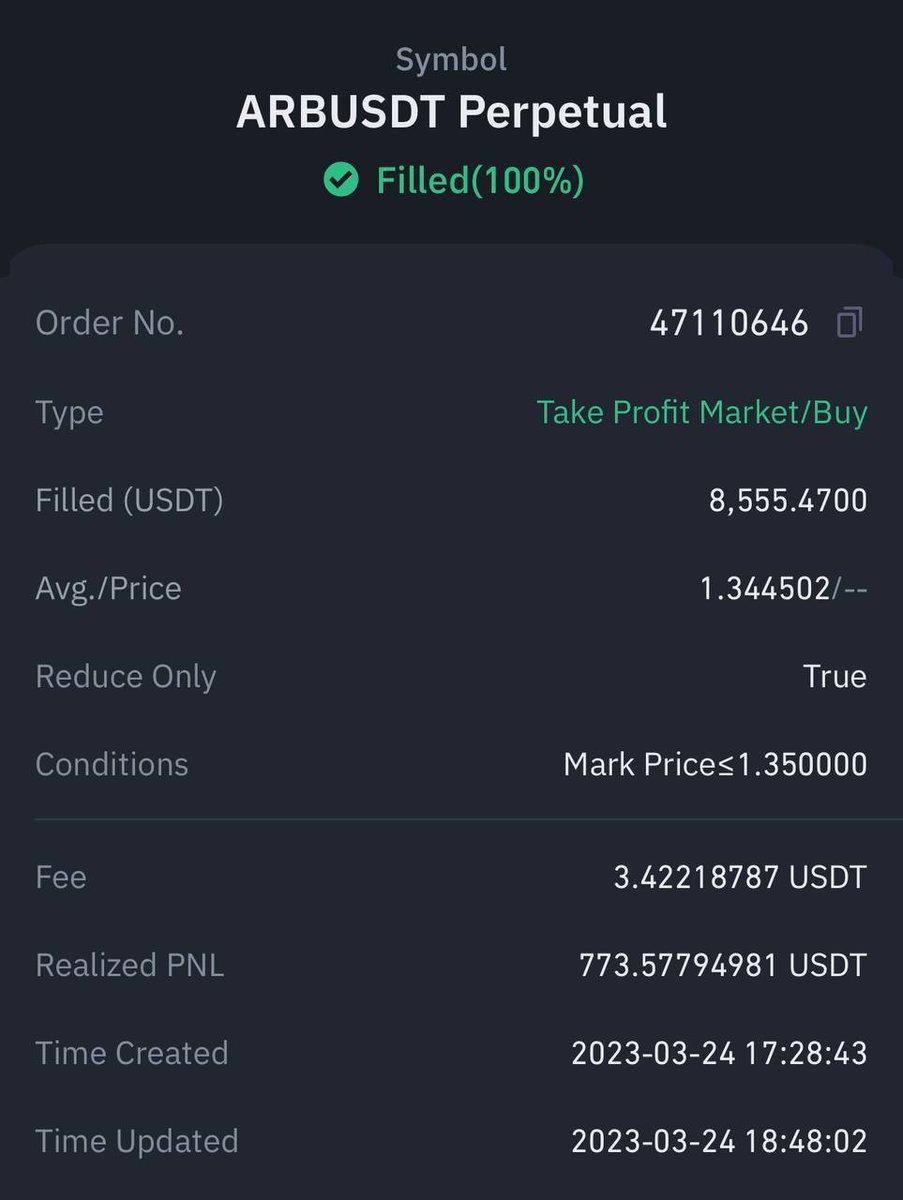
By setting adequate and reasonable TP’s with this micro-analysis, we made about a 160% ROI in a few hours. 

A screenshot of a phone

Description automatically generated with medium confidence

There are many strategies that many people utilize and this is just one of the methodologies I follow, but it’s all about taking that calculated risk to grow capital. 

Here, I risked about $180 (from Stop Loss) to earn $733, a reasonable trade to grow your capital initially.

Step 2: Follow Liquidity in Any Trade  

What exactly do I mean by this? From what I’ve learned, ranging markets mean no one wins, unless you are doing grid trading. For example, I’ve held a position on $SUI a while back, but it was inconsistent and not performing well. Within the days of holding to trade, I was at net delta neutral, simply because the market was not moving. 

Furthermore, there was extremely low liquidity, so a single whale entering $SUI can just send a market order, significantly expediting the price and hitting my SL. 

These low liquidity coins may have strong fundamentals, good traction, and a good development team, but I can tell you to scrap that because a good product doesn’t mean anything in crypto. 

Follow liquidity instead. 

Instead, look for high-liquidity coins, aka the top 24hr gainers to make your trades. Not only are these a lot more volatile, but it is also easier for you to make a successful trade. When following liquidity in this market, I suggest not utilizing TA because the coin is unpredictable but instead use sentiment as a more accurate gauge. 

The goal is to not be the last one out. I usually use the funding rate as a good indication for myself when predicting sentiment. A general rule of thumb is to think opposite of what the market thinks, but there are many exceptions to this as well. 

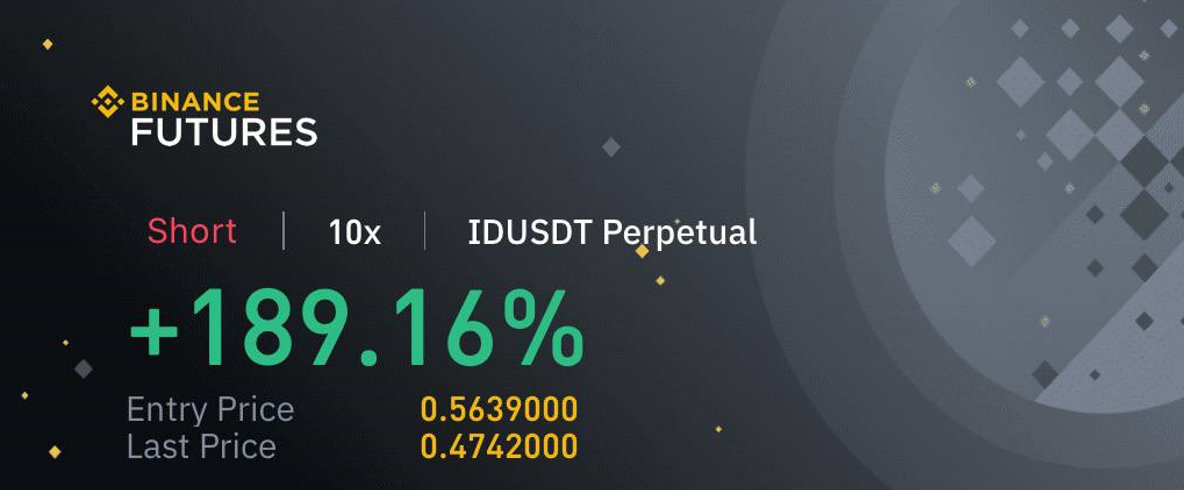
For example, ID was a coin that was pumped simply because of an exchange listing, and the general sentiment is that it will definitely go down.

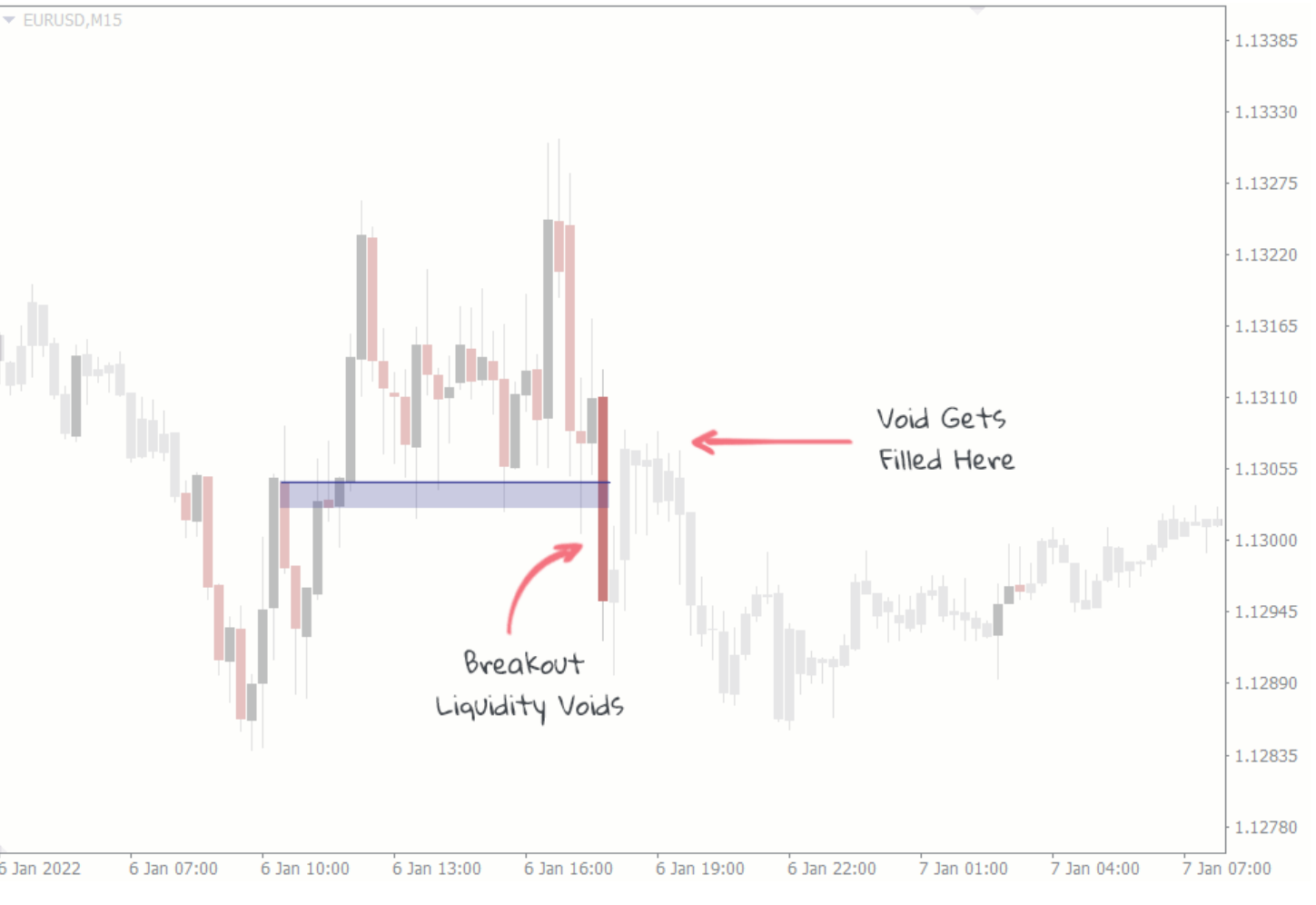
Source: https://fxssi.com/how-to-trade-liquidity-voids

Therefore, liquidity is at the bottom of the range from a basic understanding, and this can be validated with a liquidity void analysis (more advanced concept) indicating that it is a good time to short. Learning how to grab liquidity is essential, coupled with an understanding of when to think against the market and when to think with it. 

A picture containing text, screenshot, font, graphics

Description automatically generated

Step 3: Don’t Avoid the Noise, Sift Through It

Almost every crypto trader has two mentalities. One, the moonboys, who think everything will go up and two, the group that always says to avoid the “noise”. 

In 30 days, I’ve realised that you shouldn’t avoid the noise, but instead you should sift through it to see what is real, what is not, and what you can take advantage of. 

For example, I frequently like to join speculative groups to validate my decision. There was as group I joined that frequently shilled low-cap coins that made absolutely no sense. 

However, this wasn’t all just noise. Some coins ride the trend of meme coins, e.g. $PEPE (which I regret not buying), while others just slow rug. 

The key is to remember that if there is enough demand, any exchange will list a token because it is popular and consumers want to make money. The goal of exchanges is not to make you money, but to ensure that you stay on their platform. 

A thesis I like to stick to is that “normies” will often outperform your rational portfolio by entering at the right time. By this I mean, investing in things like DOGE, SHIBA, and PEPE. If everyone is in disbelief of $PEPE going up, and wants to short it, then perhaps it’s time for you to enter a long. Sift through the noise to make a decision, not avoid it and be uninformed. 

Similarly, when opening positions, utilize this noise for your trade thesis. This is something I did for my winning $ARB trade. A lot of people were calling a FDV similar to MATIC due to its strong ecosystem (which I agree on for the long term), but I disagreed because there simply wasn’t enough liquidity in the market. While everyone was entering a long, I decided to enter a short instead. 

Closing Thoughts

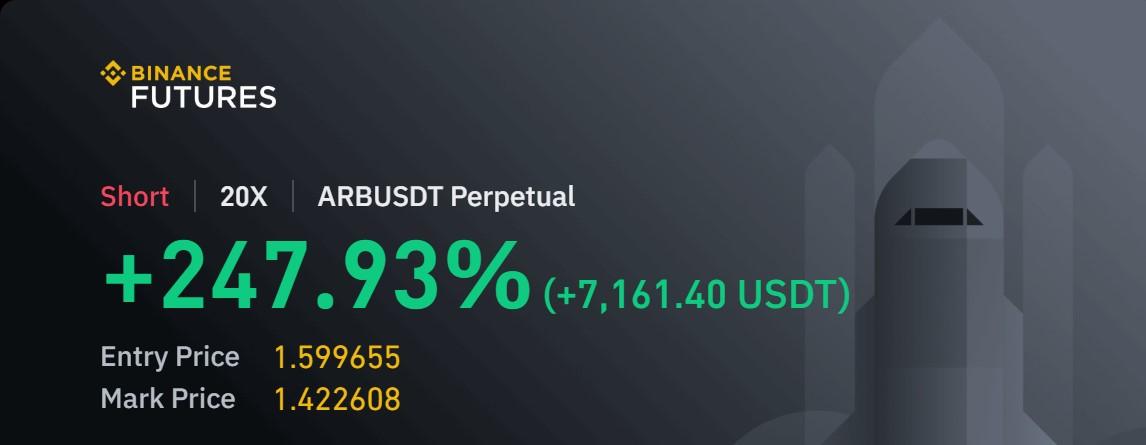
Trading is an intensely personal journey, and each individual develops their unique style and approach over time. While sentiment trading and price action analysis have been instrumental in my personal trading success, it’s important to acknowledge that finding your own style is a process of exploration and adaptation. With the right method, you can achieve results like this:  

A picture containing text, screenshot, design

Description automatically generated

Embrace the opportunity to experiment, learn from both successes and failures, and continually adapt your approach to align with evolving market conditions. It’s crucial to get burned to achieve results when trading.

Also remember that what works for someone else may not necessarily work for you. It’s crucial to remain open-minded and willing to discover your own edge and trading strategy that resonates with your strengths and preferences. If you’re interested in delving deeper into sentiment trading or seeking additional insights, I encourage you to explore reputable resources available to enhance your understanding but avoid paid resources as these are often scams or loophole references. 

Also Read: Power Perpetuals: A Better Way To “HODL”?

[Editor’s Note: This article does not represent financial advice. Please do your research before investing.]

Featured Image Credit: Chain Debrief

  •  
❌