PEXXhttps://pexx.com, the cross-border USD platform built for today’s mobile workforce, has opened its full neo-banking suite to customers in more than 50 countries. The launch delivers four connected products that let users Bank Different,
World Liberty Financial WLFI has seen its portfolio significantly decrease in value. Currently, the total value of its holdings stands at approximately $74.7 million, marking a 6.17% decline. The platform holds a range of cryptocurrencies,
On March 6, 2025, President Donald Trump signed an executive order to establish a Strategic Bitcoin Reserve and a Digital Asset Stockpile. This new approach contrasts with the past, where the U.S. government sold seized Bitcoin early, missi
On March 4, 2025, Bybit CEO Ben Zhou confirmed that $1.07 billion of the stolen assets from the recent $1.4 billion breach could still be traced. The hack occurred on February 21, 2025, when hackers managed to steal over 499,000 ETH along w
On March 7, 2025, President Trump will lead the inaugural White House Crypto Summit, gathering key figures in the industry to establish the regulatory framework for cryptocurrencies. The summit’s goal is to encourage innovation while ensuri
On February 28, 2025, Bitcoin took a sharp dive, falling to $78,197. However, it quickly reversed course, bouncing back by over 5%, rising past $82,000. This swift recovery came after the release of positive US economic data, with the PCE i
On February 26, 2025, Pump.fun’s X account was hacked. The attackers promoted a fake $PUMP token, falsely claiming it was the platform’s official governance token. The fraudsters used an image from Pump.fun’s mobile app launch video and a f
The FBI has confirmed that North Korean-backed hackers, Lazarus Group and TraderTraitor, were responsible for the $1.5 billion theft from Bybit. The attack took place on February 21, 2025, during a routine cold wallet transfer. !FBI /wp-con
Metaplanet, a Tokyo-listed investment firm, purchased 135 BTC for $12.9 million, boosting its total Bitcoin holdings to 2,235 BTC. This acquisition happened just before Bitcoin’s price dipped below $91,000. Despite the drop, Metaplanet’s st
Bybit, one of the largest crypto exchanges, was hit by a massive hack on February 21, 2024, losing $1.4 billion in $ETH. But Bybit didn’t waste any time. CEO Ben Zhou quickly announced that the exchange had already bought back $742 million
XRP is coming from behind and making a strong recovery and capturing the interest of everyone around. It has outshined Solana and Tether to become the third largest coin by market capitalization. !Market Cap/wp-content/uploads/2024/12/Scree
Pump.Fun is making waves right now, but not for the best reasons. Its livestream feature, designed to help users promote their tokens, has spiraled into controversy. !Pump.Fun, The Memepad with Controversial Livestreams/wp-content/uploads/2
Polymarket has been creating quite a buzz lately. It is a platform where you can place bets on real events like elections or the outcome of a big game. With blockchain making everything secure and transparent, it is simple and easy to dive
Hyperliquid made waves in the DeFi world with the launch of its new token, HYPE, on November 29, 2024. Starting at just $2.01, the token skyrocketed by over 250% in a few hours, reaching a peak of $7.05. This rapid rise clearly shows how mu
Japanese investment firm, Metaplanet plans to raise ¥9.5 billion $62 million to expand its Bitcoin holdings. The company will use Moving Strike Stock Acquisition Rights to raise the funds. These rights will be allocated to EVO FUND. https:/
Jeffrey Wilcke, one of Ethereum’s co-founders, drew attention after transferring 19,990 ETH worth $72.56 million to Kraken, according to Arkham data. This move sparked discussions in the crypto community. Known for co-creating Go Ethereum,
Vancouver’s mayor, Ken Sim, has come up with a bold plan to make the city more Bitcoinhttps://chaindebrief.pexx.com/cryptocurrency/bitcoin/ friendly. During a council meeting on November 26, 2024, he pitched an idea called “Preserving the c
Bitcoin’s price has been like a rollercoaster lately. It just hit an All Time High of $99,850, but then suddenly dropped all the way to $90,600, its lowest point in days. For a lot of people, it’s definitely disappointing. Bitcoin was so cl
Pump.fun is in the spotlight lately, but for all the wrong reasons. Its livestream feature, introduced as a way for creators to promote their tokens in an engaging and interactive manner, has turned into a source of major controversy. What
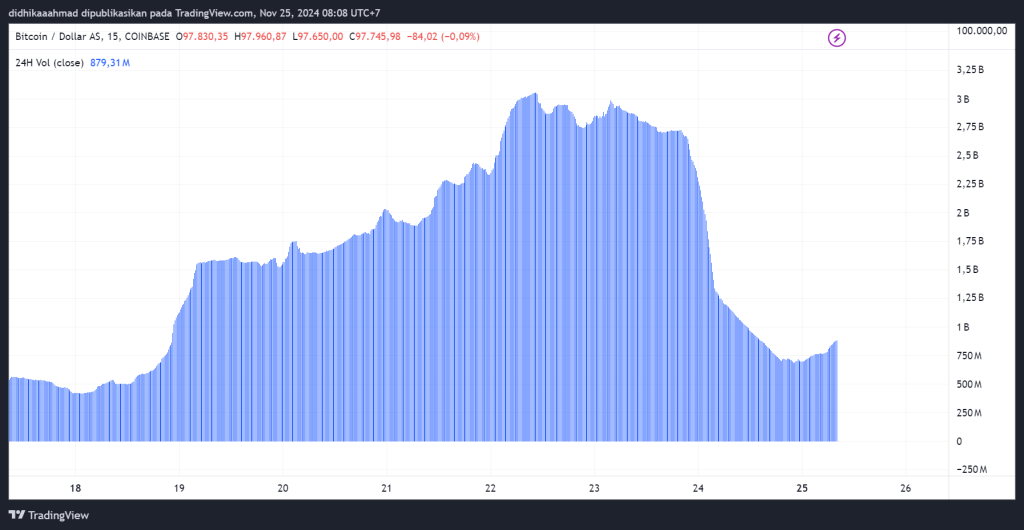
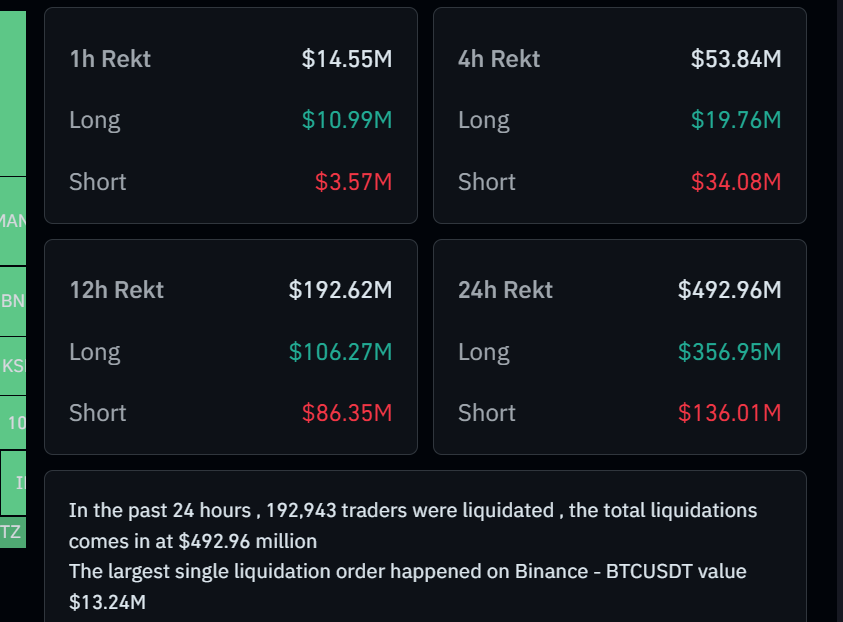
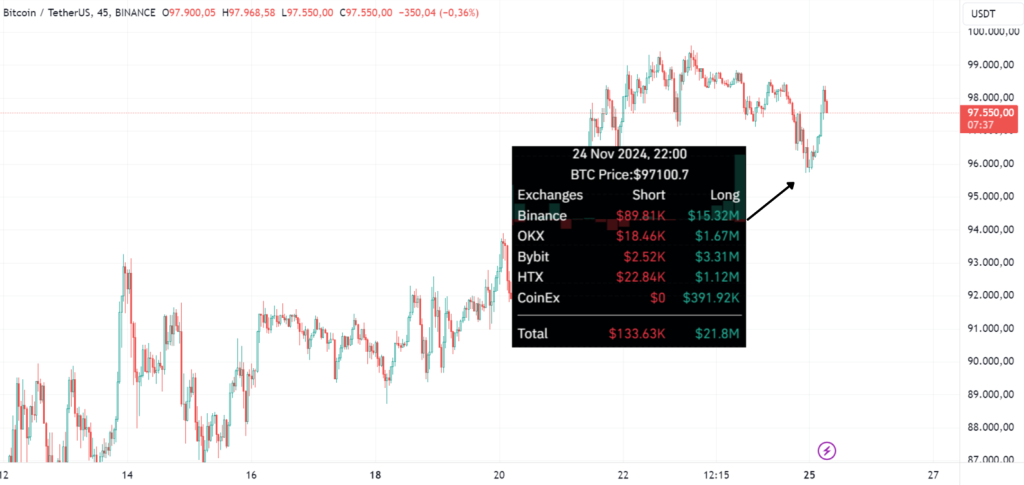
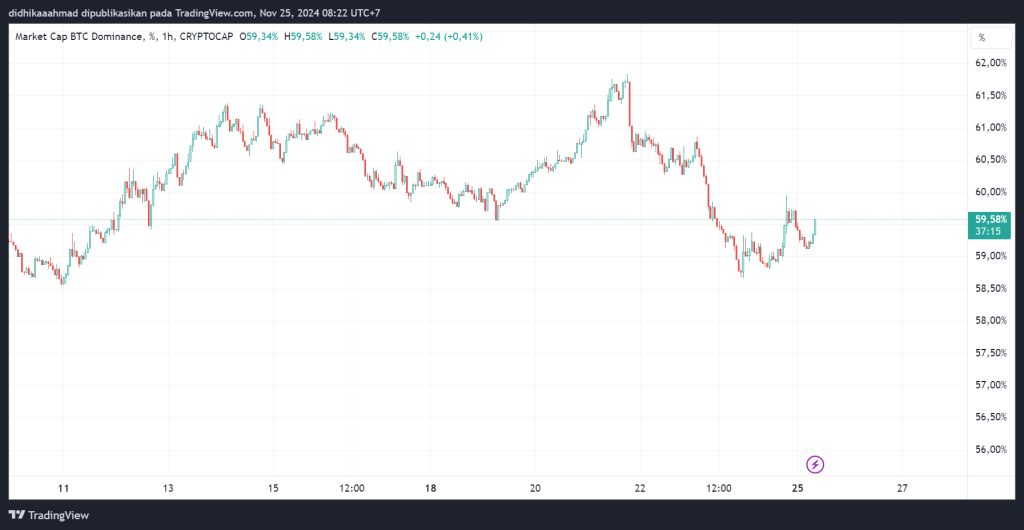
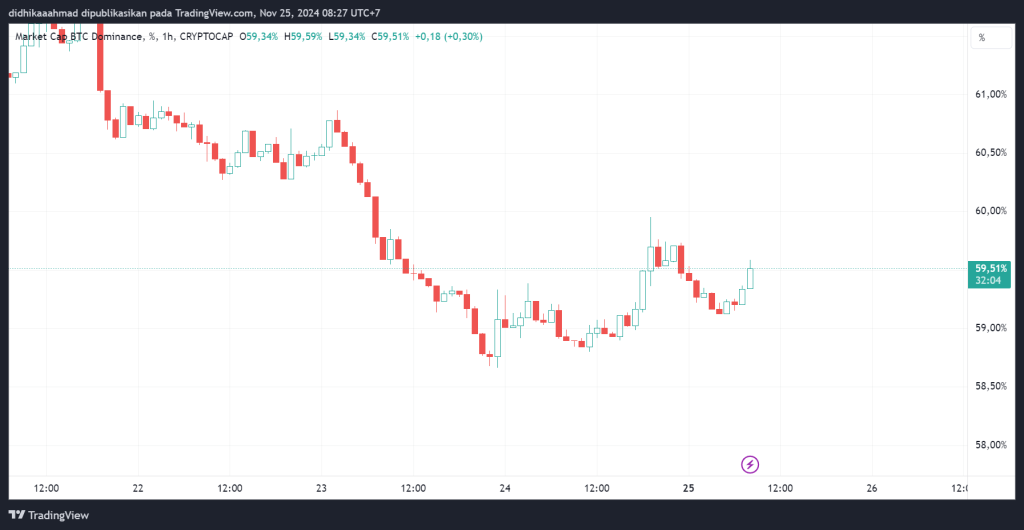
Between November 23-25, 2024, Bitcoin faced a sharp drop after failing to break the psychological $100K level. After reaching $99K on November 22, its price tumbled to $95K by November 25. This decline didn’t just halt the steady gains seen
Have you ever had the feeling that the volatility of cryptocurrency prices is too much to manage? One moment they are soaring, and the next they are plummeting rapidly. Stablecoins fill that role. Consider stablecoins as that reliable frien
Bitcoin has been setting new all-time highs ATH almost every day this week. Based on the latest data, Bitcoin recorded several significant price surges, as marked by the red arrows on the chart. Each surge highlights strong bullish momentum
Tron founder Justin Sun made headlines with his $6.2 million purchase of Maurizio Cattelan’s "Comedian," a banana duct-taped to a wall. The unconventional artwork, auctioned at Sotheby’s, has become a symbol of modern art’s ability to blur
Gary Gensler, Chair of the Securities and Exchange Commission SEC, has announced his resignation, effective January 20, 2025. The announcement coincides with the inauguration of Donald Trump as the 47th President of the United States. https
President-elect Donald Trump is advancing a groundbreaking initiative to create a dedicated White House role for cryptocurrency policy. This "Crypto Czar" position is designed to simplify blockchain regulations and establish the U.S. as a g
Wrapped Bitcoin wBTC is an ERC-20 token on the Ethereum network that represents Bitcoin with a 1:1 backing ratio. This structure allows BTC holders to use their assets within the Ethereum-based decentralized finance DeFi ecosystem engaging
MicroStrategy recently made another bold move in the crypto world. On November 18, 2024, they announced a massive purchase of 51,780 BTC at an average price of $88,627 per BTC, totaling approximately $4.6 billion. https://twitter.com/saylor
In the world of prediction betting, one well-timed decision can make all the difference. This was certainly the case for "zxgngl", a whale on Polymarket, who scored an impressive profit by betting on Donald Trump’s victory in the 2024 U.S.
Coinbase CEO Brian Armstrong has shown strong support for the DOGE initiative, describing it as a “once-in-a-lifetime opportunity” to enhance economic freedom in the United States. In his November 17 post on X, Armstrong emphasized that exc
As Trump returns to the White House, stablecoin issuers will likely brace for significant changes in the next 4 years. The Trump election could influence the crypto stablecoin market in various ways. In this article about Donald Trump's ret
PEXX, the cross-border USD platform built for today’s mobile workforce, has opened its full neo-banking suite to customers in more than 50 countries. The launch delivers four connected products that let users Bank Different, Pay Different, Send Different, and Earn Different—replacing legacy bank delays, paperwork, and hidden fees with real-time settlement and transparent pricing.
Since its initial launch in 2024, PEXX has empowered users across 50+ countries to move money faster, easier, and more affordably than traditional finance.
With its expanded platform, PEXX fills three gaps no single provider closes:
What legacy banks won’t offer: a full-feature USD account you can open from anywhere—no branch visits, no U.S. residency required.
What crypto exchanges can’t deliver: fast, global crypto-to-fiat transfers that arrive as spendable dollars, off-chain and straight into bank accounts.
What most neo-banks still lack: on-demand tokenized U.S.-Treasury yield (T-Bills) and real-time stablecoin settlement, working seamlessly and interchangeably with your dollars and Visa card.
Together, these capabilities hand the borderless, digital-first generation one modern way to hold, move, and grow dollars—wherever life goes next.
Banking Done Different USD and Stablecoins Everywhere. All at Once
PEXX gives users everything they expect from a USD bank—without the barriers. Key features include:
Borderless Virtual USD Accounts
Open a full-featured digital USD account with zero monthly fees, no minimums, and instant onboarding using just a passport and phone—no U.S. residency or SSN required.
Deposit in USDT or USDC, send and receive USD via SWIFT, ACH, and Fedwire from anywhere.
Daily Interest Wallet
Earn up to 3.5% APY automatically on idle balances, powered by tokenized U.S. Treasury Bills via regulated third-party infrastructure.
No lockups. No hidden risks. Yield is paid daily.
PEXX Card
Spend USD, USDT, or USDC at 150M+ merchants worldwide with your free global Visa debit card—from Uber Eats and Alipay to your Netflix subscription.
Free instant Visa virtual card with a flat 1.2% FX fee.
Global Off-Ramp Transfers
Send USD and stablecoins directly to bank accounts in over 50 countries, typically clearing within minutes, sometimes seconds, and always within 24 hours.
Industry-leading FX rates and real-time Google FX pricing for full transparency.
The Best Rates in the Game
In key payment corridors, PEXX has developed stablecoin payment infrastructure to outperform leading global fintech players.
Illustration of comparison below on 2 June 2025:
Corridor
Amount Sent
Recipient Gets
Value Over Other Competitors
Settlement Time
USD → INR
$1,000
₹85,887
+₹1,069 (~ USD 12.51)
30 seconds
USD → VND
$1,000
₫25,958,555
+₫161,684 (~ USD6.21)
2 minutes
USD → IDR
$1,000
Rp16,317,838
Rp132,517 (~USD8.12)
30 seconds
By pairing real-time FX with zero transfer fees, PEXX lets users keep 1–2% more on every transfer—ideal for freelancers, businesses, and global citizens.
Built for the Rest of Us
PEXX is accessible worldwide—purpose-built for:
Freelancers, remote workers, and creators earning in USD and stablecoins.
Expats, students, and digital nomads managing cross-border payments.
Startups and SMEs paying global teams or suppliers.
Everyday users who want to store—and grow—USD securely.
“Banking Without Borders”
“PEXX gives you everything you expect from a USD bank—except the borders, high fees and friction. Our mission is simple: if you’ve got a passport and a phone, you shouldhave full access to USD, just like anyone else. That’s the future we’re building.” — Marcus Lim, CEO and Founder of PEXX
Seed Funding & Growth Roadmap
PEXX recently closed over $4 million seed round led by TNB Aura, with participation from Antler and LongHash Ventures, alongside angel investors including Dexter Lo, Kenneth Low.
This strategic funding will fuel the company’s next phase—spanning global licensing, product innovation, and expansion across Asia, Latin America, and the Middle East.
PEXX also partners with Fireblocks for secure asset custody and Ripple for ultra-fast global blockchain payments. As an AUSTRAC-registered Digital Currency Exchange (DCE) and remittance dealer and Money Service Business in the US, PEXX combines cutting-edge technology with regulatory compliance to deliver a truly borderless banking experience.
About PEXX
PEXX is a next-generation USD platform and neo-banking suite built for the global generation. Founded in 2024, it delivers borderless access to U.S. dollars through interest-bearing wallets, real-time transfers, and a globally accepted Visa card—powered by stablecoins, tokenized T-Bills, and blockchain settlement. From freelancers to founders, PEXX brings Wall-Street-level financial tools to everyone, everywhere—showing there’s a smarter, truly different way to send, spend, earn, and bank your money.
World Liberty Financial (WLFI) has seen its portfolio significantly decrease in value. Currently, the total value of its holdings stands at approximately $74.7 million, marking a 6.17% decline. The platform holds a range of cryptocurrencies, including Ethereum (ETH), Wrapped Bitcoin (WBTC), and TRON (TRX), with some assets seeing substantial losses.
Portfolio WLFI | Source : Arkham
The portfolio’s largest asset, Ethereum (ETH), has experienced a sharp drop of 9.12%, with a current value of $14.11 million. Similarly, its holdings in stETH are down by 9.17%, totaling $9.27 million. The platform has also faced a loss in Wrapped Bitcoin (WBTC), which dropped by 3.78%, now valued at $12.87 million.
Despite these losses, WLFI continues to hold other assets such as USDT and MOVE, which have remained stable or shown positive growth. USDT has not changed, while MOVE has increased by 6.76%, now valued at $3.87 million.
Despite these losses, WLFI continues to bolster its portfolio. On March 6, the platform acquired $21.5 million worth of Ethereum, Wrapped Bitcoin (WBTC), and Movement Network tokens. This demonstrates WLFI’s continued confidence in its investment strategy, despite the downturn.
The platform has also formed a strategic partnership with Sui, a blockchain project founded by former Meta developers, to explore decentralized finance (DeFi) opportunities. This partnership could help WLFI diversify its investments and expand its influence in the DeFi space.
WLFI has also seen some success with its token presale, attracting retail investors. However, it remains $2 million short of its target for the second presale phase. WLFI tokens are primarily being purchased using Ethereum and USDC, indicating growing interest from smaller investors.
Looking ahead, WLFI is positioning itself for long-term growth. The platform is preparing to launch its own version of an Aave vault, allowing users to earn passive income through crypto lending. This is part of its broader strategy to enhance its DeFi offerings.
Despite the current losses, WLFI remains a significant player in the DeFi space. The platform’s aggressive expansion into Ethereum and other blockchain ecosystems, along with its partnership with Sui, may provide a solid foundation for future success.
However, WLFI’s involvement in the cryptocurrency market raises concerns about potential conflicts of interest, especially considering its leadership. Nevertheless, the platform’s ongoing presales and strategic investments suggest it is still positioning itself for potential growth in the future.
On March 6, 2025, President Donald Trump signed an executive order to establish a Strategic Bitcoin Reserve and a Digital Asset Stockpile. This new approach contrasts with the past, where the U.S. government sold seized Bitcoin early, missing out on significant profits.
JUST NOW!
President Trump signs an Executive Order establishing the Strategic Bitcoin Reserve and U.S. Digital Asset Stockpile pic.twitter.com/N9p2sQknVS
The reserve will hold around 200,000 Bitcoin obtained through federal asset forfeiture, with the goal of preserving them as a long-term store of value rather than selling them prematurely.
In addition to Bitcoin, the order sets up a U.S. Digital Asset Stockpile that will hold other cryptocurrencies seized in criminal or civil cases.
Market Reaction and Concerns
Despite initial excitement, the announcement led to disappointment among some market participants. The government’s decision not to acquire additional Bitcoin for the reserve immediately dampened investor enthusiasm.
$BTC Chart | Source : TradingView
Bitcoin’s price fell more than 5%, briefly dropping to $85,000. The absence of a clear strategy for acquiring more Bitcoin raised concerns about the reserve’s ability to fully leverage Bitcoin’s long-term growth potential.
Critics argue that not actively expanding the reserve could expose it to market volatility, limiting its effectiveness. On the other hand, supporters maintain that holding the Bitcoin without selling it could prevent the mistakes of past sales, allowing the government to avoid missing out on future gains.
Long-Term Implications for the U.S. and Global Crypto Markets
The creation of the Strategic Bitcoin Reserve signals a shift in the U.S. government’s approach to managing digital assets. By holding Bitcoin as a national reserve, the U.S. could set a global precedent for other countries looking to integrate digital assets into their financial strategies.
This move is part of Trump’s broader vision to support digital asset growth and establish the U.S. as the global leader in cryptocurrency innovation.
The long-term impact of this decision could influence how digital assets are integrated into national economies and shape the future of digital finance worldwide.
[Editor’s Note: This article does not represent financial advice. Please do your own research before investing.]
On March 4, 2025, Bybit CEO Ben Zhou confirmed that $1.07 billion of the stolen assets from the recent $1.4 billion breach could still be traced. The hack occurred on February 21, 2025, when hackers managed to steal over 499,000 ETH along with other tokens.
3.4.25 Executive Summary on Hacked Funds: Total hacked funds of USD 1.4bn around 500k ETH, 77% are still traceable, 20% has gone dark, 3% have been frozen. Breakdown: – 83% (417,348 ETH, ~$1B) have been converted into BTC with 6,954 wallets (Average 1.71 btc each) . This and…
Most of these stolen funds were quickly laundered using THORChain, a decentralized platform designed for cross-chain asset swaps. While a portion of the funds has been successfully tracked, much of it remains hidden due to the sophisticated methods the hackers used to cover their tracks.
The swift laundering process demonstrates how decentralized platforms can be exploited for criminal activities. In this case, THORChain, which allows seamless transactions between different blockchains, became a crucial tool for the hackers to move the stolen assets.
The decentralized nature of THORChain made it difficult for authorities to halt the laundering process in real time, further complicating efforts to recover the stolen funds.
THORChain played a central role in the hackers’ laundering operations. According to Bybit, the attackers converted approximately 83% of the stolen assets—around 417,348 ETH—into Bitcoin (BTC). They then spread the funds across 6,954 wallets, which made tracking and recovery significantly more difficult.
The surge in transaction volume on THORChain following the hack, which reached over $5.8 billion, raised red flags about the platform’s involvement in facilitating these illicit activities.
Volume on Thorchain | Source : Thorchain
Critics of THORChain’s system, including blockchain security expert Taylor Monahan, argue that the platform’s decentralized nature allows it to operate within a “bubble” that inadvertently enables money laundering.
This isolated ecosystem benefits insiders and criminals who find ways to exploit the system for illicit gains. The incident has sparked a wider debate about the need for tighter regulations and security measures within decentralized finance (DeFi) platforms.
Efforts to Freeze and Recover Stolen Funds
Despite the hackers’ attempts to cover their tracks, Bybit’s investigation into the breach has led to some recovery of stolen assets. Zhou reported that $42 million of the stolen funds had been successfully frozen. Additionally, 11 independent bounty hunters received a total of $2.1 million in rewards for their role in helping track down and freeze assets.
Platforms like Mantle, Paraswap, and blockchain expert ZachXBT have contributed significantly to this effort, but much of the stolen funds remain unaccounted for due to the complexity of the laundering methods.
This situation has shown that, despite improvements in blockchain analytics and tracking technology, the nature of DeFi platforms presents significant risks for asset security.
The Implications for Crypto Security and Industry Response
The Bybit hack underscores the critical need for stronger security protocols in the cryptocurrency industry, particularly within decentralized platforms. Experts suggest that solutions like off-chain transaction validation could help mitigate similar breaches in the future.
By improving security measures and fostering better collaboration between crypto firms, regulators, and cybersecurity professionals, the industry can better protect itself from increasingly sophisticated attacks.
Bybit’s quick response to freeze the stolen funds and launch recovery efforts highlights the importance of proactive security measures. However, as decentralized finance continues to grow, platforms like THORChain will need to implement more robust security features to prevent such breaches.
[Editor’s Note: This article does not represent financial advice. Please do your own research before investing.]
On March 7, 2025, President Trump will lead the inaugural White House Crypto Summit, gathering key figures in the industry to establish the regulatory framework for cryptocurrencies. The summit’s goal is to encourage innovation while ensuring the sector remains secure and well-regulated.
President Trump will host the first White House Crypto Summit on Friday March 7. Attendees will include prominent founders, CEOs, and investors from the crypto industry. Look forward to seeing everyone there! pic.twitter.com/PEynzDuAOt
This event serves as an important platform for both government representatives and crypto experts to collaborate. By working together, they aim to create policies that promote industry growth, attract investments, and ensure market stability.
With this summit, the US government demonstrates its commitment to fostering a strong and dynamic crypto ecosystem. The discussions held will lay the groundwork for future cooperation, creating a more secure and prosperous crypto market.
Trump’s Vision for a Leading Crypto Nation
Trump’s administration is taking significant steps to ensure the US remains at the forefront of the global crypto market. Plans are in place to establish a national crypto reserve and regulate stablecoins, creating a solid foundation for digital assets to thrive.
These regulatory moves are designed to increase investor confidence and solidify the US’s leadership in digital finance. With a stable regulatory environment, the crypto market is expected to attract further investment and innovation.
This new approach marks a pivotal moment for the US crypto industry, enabling rapid growth and providing businesses with the security needed for long-term success.
Government Support Provides Crypto with a Bright Future
The White House Crypto Summit highlights the increasing backing from the US government for the crypto industry. By establishing clear and balanced regulations, the government aims to protect consumers and foster an environment that nurtures innovation.
With these regulatory frameworks in place, the market can grow with more security and opportunities. The US is positioning itself as a global leader in how digital assets should be regulated, ensuring a stable and thriving ecosystem.
This government support will likely speed up the industry’s growth and bring more stability to the crypto market, allowing innovation to continue driving the future of digital finance.
On February 28, 2025, Bitcoin took a sharp dive, falling to $78,197. However, it quickly reversed course, bouncing back by over 5%, rising past $82,000. This swift recovery came after the release of positive US economic data, with the PCE index for January showing inflation concerns were easing.
Chart $BTC | Source : TradingView
The market responded positively to the recent inflation data, with the Core PCE Price Index coming in at 0.3%, as expected, signaling inflationary pressures were easing. However, Personal Spending showed a slight decline of -0.2%, below the forecast of 0.1%.
he macroeconomic data for the PCE | Source : TradingView
This contributed to a weakening of the US dollar, which further boosted optimism in the market. As a result, analysts are hopeful that Bitcoin’s recovery will continue into March, with the cryptocurrency climbing above $82,000 and possibly starting a new upward trend.
Looking at the chart, Bitcoin’s bounce from $78,197 to over $82,000 illustrates a 5% recovery in a short period. This movement has sparked optimism that Bitcoin could continue to rise, especially if broader market conditions remain favorable.
Analysts See Bitcoin’s Potential for Continued Growth
With financial conditions improving, Bitcoin’s growth outlook has become more promising. Experts, including Julien Bittel from Global Macro Investor, believe that Bitcoin has already priced in the effects of past financial tightening.
There’s a lot of noise in the market right now – conflicting narratives everywhere.
But here’s the reality – or at least my take on what’s really going on:
Everything happening in markets right now, especially in crypto, is a direct consequence of the tightening of financial… pic.twitter.com/iLPqiyw3LX
Despite the volatility, Bitcoin’s low RSI indicates it could be an excellent time for accumulation. With inflation concerns subsiding and the US dollar weakening, many analysts predict Bitcoin could break past $90,000 in the coming weeks.
At the crucial $80,000 support level, Bitcoin’s RSI of 23 signals it might be oversold, making this an attractive buying opportunity. If the market stabilizes, Bitcoin could see a solid upward move.
Despite the recent dip, Bitcoin’s bullish trend remains intact. The drop below $80,000 is seen as a typical correction in an ongoing bullish market. Technical indicators, like the Stochastic RSI, suggest Bitcoin is currently oversold, presenting a prime opportunity for accumulation.
Chart $BTC | Source : TradingView
With the Stochastic RSI at low levels, the chart indicates Bitcoin could soon rebound. As long as Bitcoin holds key support levels, analysts are optimistic it will break through resistance and possibly surpass $90,000.
Chart $BTC | Source : TradingView
Overall, Bitcoin’s outlook remains positive. The bullish sentiment is expected to carry into March, setting the stage for further growth as long as key levels are maintained.
[Editor’s Note: This article does not represent financial advice. Please do your own research before investing.]
On February 26, 2025, Pump.fun’s X account was hacked. The attackers promoted a fake $PUMP token, falsely claiming it was the platform’s official governance token. The fraudsters used an image from Pump.fun’s mobile app launch video and a fake Solana contract address.
Pump.fun’s post regarding meme coin | Source : ZachXBT
Pump.fun’s co-founder, Alon Cohen, quickly alerted users to avoid interacting with the compromised account. While the team has not regained access, they are working to restore control. The hacker continued promoting fraudulent tokens during this time.
@pumpdotfun account has just been compromised. Please don’t interact
Cohen confirmed that all security protocols were followed, but he suspected the issue was internal to X itself. Blockchain investigator ZachXBT supported this, linking the hack to similar incidents with other projects like Jupiter DAO and Dogwifhat.
This hack raises serious concerns about security in the memecoin space. Platforms like Pump.fun, which enable quick token launches, are targets for hackers.
The wallets connected to the hacker’s wallet | Source : ZachXBT
ZachXBT suggested that social engineering was likely involved in this attack. Hackers may have deceived platform employees with fraudulent documents or communications.
As interest in meme coins grows, so does the risk of attacks. The industry must strengthen its security measures to protect users and platforms from these threats. The crypto space must adapt to safeguard assets and reduce the risk of exploitation.
After the hack, Pump.fun promised to investigate the incident and restore control of their X account. They continue monitoring the situation and working on improvements.
we've regained access to this account. Based on current information, the extent of the compromise was limited to this X account.
TL:DR: the security protocols taken by the team to secure the X account were thorough, relied on industry best-practices, and focused on minimizing…
While Pump.fun followed standard security protocols, the attack shows the need for better defenses. Stronger social media security and better account protections could help prevent similar breaches in the future.
This incident serves as a reminder for users to verify any information they see. The Pump.fun hack highlights the ongoing risks in the crypto industry, calling for improved platform security and informed users.
Editor’s Note: This article does not represent financial advice. Please do your own research before investing.
The FBI has confirmed that North Korean-backed hackers, Lazarus Group and TraderTraitor, were responsible for the $1.5 billion theft from Bybit. The attack took place on February 21, 2025, during a routine cold wallet transfer.
FBI report regarding Korea behind Lazaru | Source : FBI
The stolen funds were rapidly converted into Bitcoin and distributed across numerous blockchain addresses. The FBI has warned crypto firms to block transactions linked to the flagged addresses to prevent further laundering.
So far, $43 million has been recovered, and Bybit is offering $140 million in bounties to track the stolen assets.
The Lazarus Group has been behind several major crypto thefts, and this attack is part of their ongoing efforts to fund North Korea’s state operations.
These cybercriminals have stolen billions of dollars, and the stolen funds are believed to support North Korea’s nuclear weapons program, bypassing international sanctions.
The FBI’s confirmation of Lazarus Group’s involvement highlights the growing use of cyberattacks for state operations. Authorities have issued warnings to crypto firms to block transactions from addresses tied to the hackers.
North Korea’s increasing success in crypto thefts raises concerns about the vulnerability of global exchanges. The growing threat emphasizes the need for enhanced security and collaboration between crypto firms and authorities.
Recovery and Future Implications for Crypto Security
Despite the scale of the theft, recovery efforts are making progress. Bybit has managed to recover $43 million, with blockchain firms playing a key role in tracking the stolen assets. Bybit has also offered rewards for help in retrieving the remaining funds.
The breach underscores weaknesses in crypto security, particularly with cold wallet transfers. As the cryptocurrency market expands, ensuring the safety of digital assets from sophisticated hackers becomes crucial. Bybit’s recovery efforts and the FBI’s involvement highlight the importance of securing the crypto space.
As Lazarus Group continues targeting exchanges, the crypto world must strengthen its cybersecurity measures. Bybit is focusing on enhancing security protocols to protect users and prevent future breaches.
Editor’s Note: This article does not represent financial advice. Please do your own research before investing.
Metaplanet, a Tokyo-listed investment firm, purchased 135 BTC for $12.9 million, boosting its total Bitcoin holdings to 2,235 BTC. This acquisition happened just before Bitcoin’s price dipped below $91,000. Despite the drop, Metaplanet’s strategy has proven successful, with a 12% unrealized gain since it began accumulating Bitcoin last year.
Metaplanet has acquired 135 BTC for ~$13 million at ~$96,185 per bitcoin and has achieved BTC Yield of 23.2% YTD 2025. As of 2/25/2025, we hold 2235 $BTC acquired for ~$182.9 million at ~81,834 per bitcoin. pic.twitter.com/IxCCvR0zWC
By acquiring Bitcoin at $95,961 per coin, Metaplanet stays focused on its long-term vision. The firm’s aggressive strategy aims to reach 10,000 BTC by 2025 and 21,000 BTC by 2026.
Metaplanet’s quick response to market changes continues to set it apart in the growing world of institutional crypto investment. Their strategy is a clear sign of confidence in Bitcoin’s future value.
El Salvador also took advantage of Bitcoin’s dip. On February 24, President Nayib Bukele announced the purchase of 7 BTC, bringing the country’s total holdings to 6,088 BTC. This purchase reassures critics that El Salvador remains committed to its Bitcoin strategy, despite IMF pressures to slow down Bitcoin acquisitions.
Bitcoin purchase chart. Source : nayibtracker
Since November 2022, El Salvador has consistently purchased one Bitcoin per day. This latest purchase, though a break in routine, strengthens the country’s position as a Bitcoin-driven economy.
El Salvador’s ongoing commitment to Bitcoin reflects a strategic approach that sees cryptocurrency as a valuable tool for future economic stability. Buying Bitcoin during dips aligns with their long-term financial goals.
Metaplanet’s Bitcoin Strategy Pays Off
Metaplanet’s Bitcoin strategy continues to deliver solid results. The firm reported a BTC yield of 23.2% for Q1 2025, putting it on track to meet its 35% yield goal. CEO Simon Gerovich has emphasized that maximizing Bitcoin yield is central to their strategy, which also includes a goal to reach 10,000 BTC by 2025 and 21,000 BTC by 2026.
By acquiring Bitcoin at a low average cost, Metaplanet has built a robust portfolio. The firm’s growth mirrors that of MicroStrategy, another leader in Bitcoin adoption.
Metaplanet’s strategy is focused on long-term growth, using Bitcoin as a treasury asset. Its performance highlights the potential for corporate investors in cryptocurrency to thrive during market fluctuations.
Bitcoin’s price recently fell by 5%, but it has since rebounded to $86,895.12. Despite these fluctuations, Metaplanet and El Salvador are still confident in Bitcoin’s long-term potential. Both continue to accumulate more Bitcoin, betting on its future appreciation.
Chart $BTC. Source : TradingView
Metaplanet now holds 0.01% of Bitcoin’s total supply, securing its spot as one of the top Bitcoin holders globally. Similarly, El Salvador’s increasing Bitcoin reserves demonstrate its belief in Bitcoin’s future value, even amid market dips.
For both Metaplanet and El Salvador, Bitcoin remains a core part of their financial strategies. Their continued investments reflect their unwavering confidence in Bitcoin’s long-term potential.
Metaplanet and El Salvador remain committed to their Bitcoin accumulation strategies. Metaplanet’s goal of reaching 21,000 BTC by 2026, along with El Salvador’s ongoing daily purchases, shows their dedication to Bitcoin as a long-term asset. Despite market fluctuations, both entities continue to position themselves for future growth.
These strategies align with the broader trend of institutional and governmental adoption of Bitcoin. As more entities follow their lead, Bitcoin’s role as a global financial asset continues to strengthen.
For both Metaplanet and El Salvador, Bitcoin represents more than just a market play. It’s a strategic investment that will provide long-term financial stability and growth.
Editor’s Note: This article does not represent financial advice. Please do your own research before investing.
Bybit, one of the largest crypto exchanges, was hit by a massive hack on February 21, 2024, losing $1.4 billion in $ETH. But Bybit didn’t waste any time. CEO Ben Zhou quickly announced that the exchange had already bought back $742 million worth of $ETH within two days, according to Lookonchain.
Zhou reassured users that Bybit’s assets are fully backed and promised a new proof-of-reserve audit, showing that everything is secure and 1:1. The exchange’s prompt action and transparency helped rebuild trust, especially after such a huge breach.
Latest Update: Bybit has already fully closed the ETH gap, new audited POR report will be published very soon to show that Bybit is again Back to 100% 1:1 on client assets through merkle tree, Stay tuned. https://t.co/QLa1vOujM6
This rapid response proved Bybit’s commitment to protecting its users. Despite the breach, the platform kept running smoothly, and the support from the wider crypto community demonstrated just how resilient Bybit truly is.
Bybit’s Quick Actions Restore Confidence
After the hack, Bybit’s $ETH reserves plummeted from 439,000 to just 61,000 $ETH. But in less than a week, Bybit managed to restore over 446,000 $ETH—most of it coming from OTC trades. This swift recovery proves Bybit’s ability to bounce back from even the biggest setbacks.
Since being hacked, #Bybit has received ~446,870 $ETH($1.23B) through loans, whale deposits, and ETH purchases.#Bybit has nearly closed the gap. pic.twitter.com/0oz3ytLi4X
Industry giants like Binance and Bitget also jumped in to help, sending 100,000 $ETH to Bybit in emergency liquidity. This support made it clear that the crypto world is united when it comes to protecting platforms and their users.
Binance and Bitget just deposited 50k+ ETH directly into Bybit's cold wallets. Bitget's deposits are especially interesting; its 1/4 of all of the exchange's ETH! (that I can see)
Since they skipped a deposit address, these funds were coordinated directly by Bybit themselves pic.twitter.com/yimpcYpLx7
Bybit’s fast recovery and transparency have earned them serious respect. Withdrawals quickly surged, showing users still have faith in the exchange. Thanks to its quick response, Bybit has proven that it’s ready to handle any challenge.
Lazarus Group’s Stolen $ETH: What’s Their Next Move?
Data Lazarus Gruop | Source : Arkham Intellegence
The Lazarus Group, a North Korean hacker group, is suspected of orchestrating the $1.4 billion hack. Experts think the stolen $ETH might not hit the market anytime soon. Instead, Lazarus may sit on it for a while, keeping it out of circulation to avoid causing a crash in $ETH prices.
Lazarus’ public wallet currently holds over $82 million in crypto, including $3.52 million in $ETH. However, this is just a small fraction of the $1.34 billion they’re estimated to have stolen last year. According to Chainalysis, Lazarus was responsible for over 60% of the crypto stolen in 2024.
Data of crypto stolen in 2024 | Source : TradingView
Given Lazarus’ history, it’s likely that they’ll hold onto the stolen $ETH for the long term. This strategy would prevent a flood of stolen assets from hitting the market all at once, keeping $ETH prices from dropping further.
What’s Next for $ETH and Bybit?
Although the hack caused $ETH to dip by 7%, the coin has bounced back to $2,765. Bybit’s continued $ETH purchases, including $295 million worth from OTC trades, have played a key role in this recovery.
Chart $ETH | Source : TradingView
To fully reverse its recent downtrend, $ETH needs to push past the $3,000 mark. The $2,700 to $3,000 range is the key resistance point, but growing institutional interest and a shrinking supply of $ETH on exchanges could help fuel a rally.
If $ETH manages to break through this resistance, it could spark a major price surge. The crypto world is watching closely, and the momentum is building to push $ETH even higher.
Bybit’s quick recovery and $ETH’s rising price are great signs for both. Bybit has proven it can handle tough situations and bounce back stronger, while $ETH’s solid fundamentals make it a top contender for future growth.
With the swift recovery of both Bybit and $ETH, the future is looking bright. As these two continue to grow and evolve, we can expect even more positive momentum. The road ahead is filled with promise for both.
Editor’s Note: This article does not represent financial advice. Please do your own research before investing.
XRP is coming from behind and making a strong recovery and capturing the interest of everyone around. It has outshined Solana and Tether to become the third largest coin by market capitalization.
With the market capitalization of $139. 7 billion XRP has now positioned itself in the third position after Bitcoin and Ethereum. It has surged to $2. 46 and the daily volume has surged to a staggering $31. 8 billion.
This isn’t just about big numbers or flashy headlines. It’s a story of resilience. After spending years under the weight of the SEC lawsuit, XRP is proving it’s here to stay. Investors, including the big players, are starting to see its real potential.
So, what’s driving this excitement? A big reason is the news that Gary Gensler is stepping down as SEC Chair. This announcement has sparked fresh hope for fairer regulations and a new chapter for Ripple. There’s a lot to unpack here, and we’ll dive into it in the next segment.
When the news broke on November 22, 2024, that Gary Gensler was stepping down as SEC Chair, the crypto world lit up. For XRP, this was a big moment. Its price skyrocketed from $1.12 to $2.05 in just a few days. That is a massive 123 percent jump. This was not just a coincidence.
On January 20, 2025 I will be stepping down as @SECGov Chair.
Gensler had always been tough on crypto, and Ripple Labs often found itself in the spotlight for all the wrong reasons. His resignation gave investors a fresh sense of hope. Many started to believe that a new SEC leadership could bring a friendlier approach to crypto.
So what does this mean for XRP in the market now? With its price climbing and trading activity through the roof, confidence in XRP seems stronger than ever. But the numbers always tell the real story. Let us dive into the price, market cap, and trading volume in the next segment to see just how far XRP has come.
XRP Breaking Records and Gaining Momentum
With all the excitement building around XRP, it’s time to dive deeper into what’s really happening in the market. From skyrocketing prices to growing trading volumes, XRP is making waves like never before. Let’s break down its latest performance and what it means for the future.
• Price Growth XRP’s price has jumped from $1.12 to $2.46 in just a few days. That’s an impressive 123% increase, showing how much excitement and confidence is building around it.
Price chart | Source : TradingView
• Market CapXRP XRP’s market cap has hit $139.7 billion, putting it ahead of Tether and Solana. It’s now the third-largest cryptocurrency, proving it’s back in the game in a big way.
Market cap chart | Source : TradingView
•Trading Volume XRP’s daily trading volume has reached $31.8 billion. This huge activity shows that more people, from small investors to big players, are getting in on the action.
Volume chart | Source : TradingView
•Comparison to Historical Highs XRP is climbing closer to its 2018 peak when it was the second-biggest crypto. The recent rally has everyone wondering if this token is gearing up to break new records.
Price chart from 2018 – now | Source : TradingView
XRP’s recent performance has been impressive. Its soaring price and growing market dominance show confidence in the token is stronger than ever. Ripple’s progress and regulatory optimism have put XRP back in the spotlight.
As XRP climbs higher, everyone is watching closely. Is this a new chapter or just the beginning? Time will tell, but for now, XRP is undeniably on a winning streak.
Pump.Fun is making waves right now, but not for the best reasons. Its livestream feature, designed to help users promote their tokens, has spiraled into controversy.
From shocking threats to extreme stunts going viral, the memepad has become the center of a heated debate in the crypto community. Some users have resorted to posting alarming threats, pushing harmful narratives, or orchestrating extreme stunts to gain attention.
PUMPFUN LIVE STREAMING FEATURE HAS BEEN DISABLED
In recent days, troubling events on the platform https://t.co/E7kdtQDM96 have raised serious concerns about the ethical and moral state of some in the crypto community.
Despite the drama, Pump.fun remains a big player in the game. Launched in January 2024, this Solana-based memepad has racked up an impressive $227.16 million in revenue and led the charge in the memecoin trend, with millions of tokens created monthly.
Disabling the livestream feature wasn’t an easy decision, but it shows that Pump.fun is listening and taking the criticism seriously. Turning off the livestream feature was a bold move, but it shows Pump.fun is listening and trying to make things right.
It is a critical juncture that demonstrates how success is always accompanied by challenges that cannot be ignored. However, before exploring the controversies and challenges, it is important to first understand what Pump.fun is and what has made it such a significant phenomenon!
As a platform, our mission is to best serve our users' long-term interests. To accomplish this, we must adapt to new market realities, and that begins with our brand
Thus, we're excited to announce our rebranding from pump fun to just "fun"
Pump.fun is a memepad built on the Solana blockchain. It simplifies the process of creating and launching tokens by handling all technical details. Users only need to choose a name, symbol, and image for their token. With this ease of use, this platform becomes an excellent choice for beginners eager to explore token creation.
Pump.Fun is not just a platform for creating tokens but also accelerates market access. On this platform, tokens created can be instantly traded on the Solana network. Thanks to its exceptional speed and the absence of minimum transaction fees, Pump.Fun is highly efficient and accessible for users.
In conclusion, this platform provides an intuitive platform for anyone eager to explore the growing memecoin trend. So, what exactly makes this memepad stand out? Let’s uncover its unique features in the next segment!
After understanding what Pump.fun is and why it’s gaining popularity, let’s dive into the standout features that make it such a powerful memepad. These features are the backbone of its success, offering users a seamless experience and setting it apart in the competitive crypto landscape.
User-Friendly Interface The platform simplifies token creation by handling all the technical details. Users only need to input a name, symbol, and image, making it accessible to anyone, including beginners.
Creative Freedom Pump.fun fosters creativity by allowing users to design tokens inspired by memes, culture, or personal ideas, making the platform a vibrant space for innovation.
Fair Launch Mechanism Pump.fun ensures a level playing field with no pre-allocations or presales, giving all participants an equal chance to acquire tokens right from the start.
Demand-Based Bonding Curve Prices of tokens on Pump.fun are dynamically adjusted based on demand through a bonding curve, encouraging organic growth and rewarding early adopters.
Instant Liquidity Tokens launched on Pump.fun are immediately tradable on Solana-based DEXs like Raydium, providing instant access to the market.
Low Transaction Fees Leveraging Solana’s high throughput and low costs, Pump.fun ensures token creation is affordable and efficient for all users.
These features highlight Pump.fun’s appeal, but how does it perform in the market? Let’s dive into the data in the next segment!
In the last two weeks alone, Pump.fun saw a jaw-dropping $4.2 billion in trading volume. It’s safe to say it’s become a favorite spot for memecoin action.
Since March 2024, Pump.fun has racked up $274.4 million in total fees. Talk about making an impact—it’s one of the most profitable platforms out there.
On November 28 alone, 244,000 active users joined the fun, along with 140,000 brand-new addresses. That’s proof the platform isn’t just popular—it’s growing like crazy.
These numbers highlight Pump.fun’s impressive influence in the memecoin space, but it’s not the only player in this evolving market. Let’s take a look at other memepads making waves across different networks!
Beyond Pump.Fun, there are plenty of other networks bringing their own exciting memepads to the table. Let’s dive into three standout platforms that are making waves!
• SunPump
SunPump
SunPump is TRON’s first memepad, created by the SunSwap team. It allows fair token launches with direct liquidity integration into SunSwap.
• Etherfun (Ethereum and Layer 2s)
Etherfun
Etherfun brings the excitement of memecoin creation to Ethereum and Layer 2 networks. As a leading platform, it stands out with its native token and takes full advantage of Ethereum’s scalability.
• Seipex (Sei Network)
Seipex
Seipex supports fair launches on the Sei Network. Tokens meeting thresholds gain liquidity on DragonSwap, ensuring smooth trading.
These platforms highlight the growing diversity in memecoin creation, each offering unique features tailored to their respective blockchain networks. Together, they underscore the evolving landscape of memepads across the crypto world.
Polymarket has been creating quite a buzz lately. It is a platform where you can place bets on real events like elections or the outcome of a big game. With blockchain making everything secure and transparent, it is simple and easy to dive in.
Just last month, in October 2024, Polymarket hit a huge milestone. Almost $2 billion in trades went through the platform, with over 294,000 people joining the action. Compare that to June, when it was just $110 million and 30,000 users. It is clear this platform is becoming a favorite for so many.
Right now, the 2024 US Presidential Election is one of the most popular markets. People have already bet $2.6 billion to predict the winner. It is not just about the money. It shows how much people trust Polymarket to turn their insights into real profits.
Polymarket is growing fast and this is just the beginning. Next, let us dive deeper into why this platform has everyone talking.
What is Polymarket?
Polymarket is a platform that allows users to engage in betting on real-life events such as elections, sports results, and even news outcomes. This is made possible through its integration with USDC, a stablecoin tied to the US dollar.
The use of USDC ensures stability, keeping prices constant and avoiding the volatility commonly seen in the crypto market. Polymarket also supports other tokens like USDC.e, USDT, DAI, and WETH, offering users flexibility and reliability when placing their bets.
Feature in Polymarket
This stability is one reason why Polymarket is easy to use for everyone, whether you are new to prediction markets or have experience. Polymarket also stands out with its diverse range of topics. From political debates and sports events to trending pop culture questions, there is something for everyone. So, why not join in and see what all the buzz is about?
Polymarket makes prediction markets more flexible and user-friendly. For example, one of its best features is letting you close your position before the event ends. As a result, you can take profits or cut losses based on how the market is moving, without waiting for the final result.
Bet in Polymarket | Source : Polymarket
Take the example in the chart above, where users can bet on the Fed’s December 2024 decision. Here, you can predict outcomes like interest rate changes and, in turn, adjust your bets as new information comes in. This feature not only puts you in control but also allows you to react quickly to market updates.
Furthermore, Polymarket keeps things stable by using USDC and other reliable stablecoins. Consequently, you do not need to stress over crypto price swings—your funds stay consistent. Moreover, the platform’s decentralized setup ensures you are always in charge of your money.
Whales and Big Wins on Polymarket During the 2024 Election
Polymarket was also instrumental in the 2024 US Presidential Election where it played a big part in the election process. The 2024 US Presidential Election wasn’t simply a political process; it was a massive event and a form of gambling on Polymarket. Whales or big investors led the market and bet in millions of dollars for Donald Trump to win.
The most successful bettor was a whale with 100000 dollars called “Theo4” which was a member of a group called “Trump Whale”. Along with “Fredi9999” “PrincessCaro,” and they were responsible for more than $40 million in positions. Thus, “Theo4” earned more than $20m while “Fredi9999” earned $15,6M.
While Polymarket continues to grow, it faces challenges from regulatory restrictions in several countries. Some have banned the platform, raising questions about the future of decentralized prediction markets. In the next segment, we’ll explore how Polymarket is responding to these challenges.
Polymarket’s Global Challenges: Bans, Restrictions, and the Road Ahead
Building on the excitement of the 2024 US Presidential Election, Polymarket faces global challenges, with regulatory hurdles leading to bans and restrictions in countries like the United States and France. These issues raise questions about its ability to navigate the changing legal landscape.
United States: Polymarket was fined $1.4 million by the Commodity Futures Trading Commission (CFTC) in 2022 for operating an unregistered derivatives trading platform. As a result, U.S. users are banned from accessing the platform.
France: The French National Gaming Authority (ANJ) has investigated Polymarket’s compliance with local gambling laws. This led to Polymarket blocking access for French users, especially after a French trader made significant profits from betting on the U.S. presidential election.
Other Countries: Various other countries with strict gambling regulations have raised concerns or placed restrictions on decentralized platforms like Polymarket, further complicating its global reach.
Despite facing these regulatory hurdles, Polymarket continues to thrive in regions where it remains accessible. As it adapts to changing regulations, Polymarket’s future will depend on its ability to balance user demand with legal compliance.
Hyperliquid made waves in the DeFi world with the launch of its new token, HYPE, on November 29, 2024. Starting at just $2.01, the token skyrocketed by over 250% in a few hours, reaching a peak of $7.05. This rapid rise clearly shows how much excitement the community has for this project.
In 24 hours, HYPE’s trading volume exceeded $658 million, while its market cap climbed to $2.24 billion. A big part of this success comes from their fair distribution strategy. They allocated 31 percent of the total supply, which is one billion tokens, to the community through an airdrop.
What really stands out is how HYPE avoided the usual sell-offs after a large airdrop. Instead, demand kept climbing, showing that the community believes in the long-term potential of the Hyperliquid ecosystem.
So, what makes Hyperliquid different from other projects? Let’s take a closer look at the platform and see why it is becoming such a big name in DeFi.
Hyperliquid makes decentralized finance (DeFi) simple and accessible for everyone, offering tools that suit all experience levels. You trade perpetual contracts by taking long or short positions based on your market insights. Hyperliquid using USDC as margin.
1/ Welcome to Hyperliquid, your new home to trade perps on DeFi
Hyperliquid is an order book based perpetual futures decentralized exchange. The DEX runs on the Hyperliquid chain, an L1 built on Tendermint that enables full transparency, low costs, and impeccable execution. pic.twitter.com/TXIhOK4Uu1
The platform lets you earn passive income through vaults by profiting from strategies like market making and liquidations. You use features like Take Profit, Stop Loss, leverage up to 50x, and TWAP automation to trade securely and seamlessly.
Introducing: TWAP orders
You can now split a large order into smaller suborders that are executed every 30 seconds. pic.twitter.com/yWk75Uhz1N
Hyperliquid runs on a high-performance Layer 1 (L1) that powers a fully on-chain financial ecosystem. Hyperliquid can processes every order, trade, and liquidation transparently, with block latency under 1 second. Plus, it can handle up to 100,000 orders per second, keeping everything fast and efficient.
Hyperliquid delivers cutting-edge technology and innovative tools to transform DeFi. Ready to see what sets Hyperliquid apart? Let’s explore the standout features that elevate your trading experience.
The Most Notable Feature of Hyperliquid
Features on Hyperliquid not only make the user experience smoother but also position Hyperliquid as an exciting choice in the DeFi world. Let’s take a look!
1. Impressive Transaction Speed Imagine completing transactions at a lightning-fast speed of nearly 200,000 transactions per second! That’s what Hyperliquid brings to the table. With this kind of speed, you never have to worry about transaction delays or inflated fees.
2. HyperEVM Compatible with Ethereum
The Hyperliquid L1 will support a native EVM.
The EVM will be augmented to atomically compose with native components on the Hyperliquid L1: HIP-1 assets, spot trading, perp trading, and other defi primitives.
For those familiar with Ethereum, the HyperEVM feature will feel like home. Hyperliquid uses Ethereum Virtual Machine (EVM), making it compatible with Ethereum-based applications.
The HYPE token on Hyperliquid isn’t just any regular token. It plays a dual role that keeps the network running smoothly. Not only is it used for staking (so you can help secure the network and earn rewards), but it also serves as the gas token to pay for transactions.
4. Decentralization and Top-Notch Security Security and decentralization are top priorities on Hyperliquid. With a proof-of-stake consensus mechanism, Hyperliquid relies on the community and stakers to keep transactions secure and the network running smoothly.
So, these are just a few of the awesome features that set Hyperliquid apart in the DeFi space. All of these features are designed to provide the best possible experience for users while supporting a more efficient and secure blockchain ecosystem. Pretty exciting, right?
Why Hyperliquid’s Growth Has Skyrocketed?
ONE MILLION COLD HARD UNITED STATES DOLLARS FOR 1 HYPERLIQUID AIRDROP@chameleon_jeff, @KingJulianIAm, and the rest of the Hyperliquid team changed my life FOREVER:
Hyperliquid successfully captured attention through its clever token distribution strategy. Hyperliquid allocated 38.888% of its tokens to the community, with the details provided below. This approach quickly built trust and generated significant interest in the platform.
The platform’s Total Value Locked (TVL) has already surpassed $171 million, with $146 million coming from the Hyperliquidity Provider (HLP) vault offering an APR of 17.53%. This highlights the high level of user engagement and confidence in the ecosystem.
Hyperliquid also gained traction through airdrops for early users. This approach helped build a loyal community and increased visibility. The combination of high TVL, attractive rewards, and strong community support has propelled Hyperliquid to stand out in the DeFi space.
Can Hyperliquid Become the Biggest DeFi Platform?
Given its rapid growth, it’s definitely possible. The platform has gained attention with its smart token distribution strategy and cutting-edge technology. With fast transactions and Layer 1 infrastructure that can handle hundreds of thousands of transactions per second, Hyperliquid leads in speed and efficiency.
What’s exciting is the strong, growing community. With a rising TVL and innovative trading features, the platform is well-positioned for success in DeFi. If Hyperliquid continues to innovate it could very well become the biggest DeFi platform. We’ll see how it shapes the future of decentralized finance.
Japanese investment firm, Metaplanet plans to raise ¥9.5 billion ($62 million) to expand its Bitcoin holdings. The company will use Moving Strike Stock Acquisition Rights to raise the funds. These rights will be allocated to EVO FUND.
*Metaplanet Announces Issuance of Moving Strike Stock Acquisition Rights to Raise Up to ¥9.5 billion ($62 million) for Accelerated Bitcoin Accumulation* pic.twitter.com/bL7rs6Qkk4
This strategy follows the approach of MicroStrategy, the leading corporate Bitcoin holder. Metaplanet’s CEO, Simon Gerovich explained the benefits of this method. It helps the company grow its Bitcoin holdings without heavily diluting shareholder value.
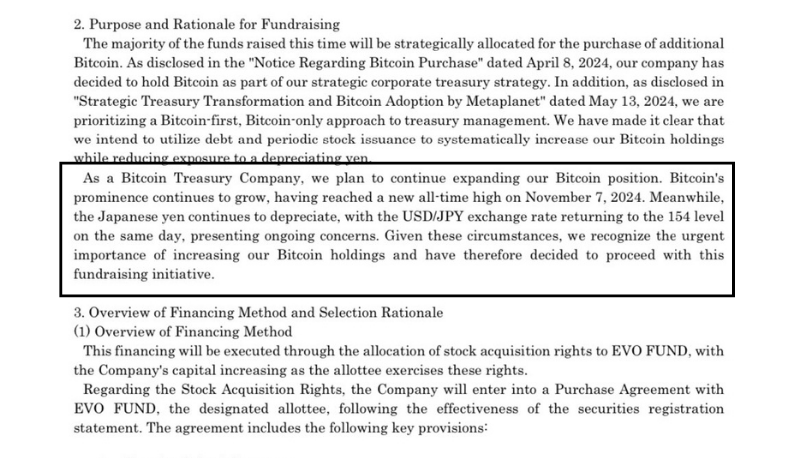
Metaplanet is setting its sights on becoming Asia’s first Bitcoin Treasury Company. This move shows how much faith they have in the future of digital assets.
Metaplanet’s statement as Asia’s first Bitcoin Treasury Company | Source : Metaplanet
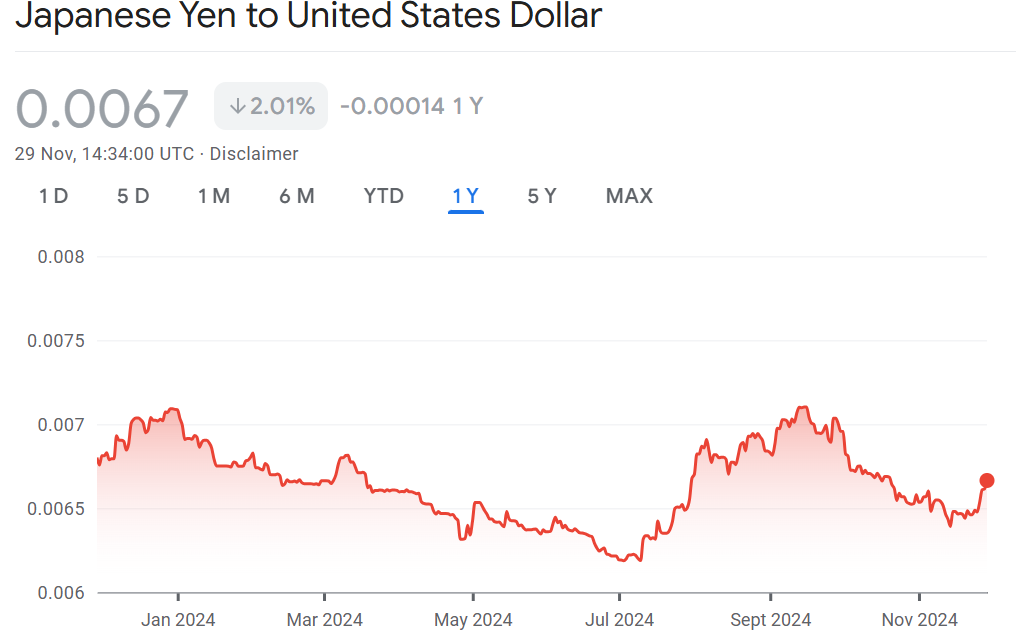
Metaplanet aims to protect its purchasing power as the yen weakens by adopting this strategy. It also seeks to capitalize on Bitcoin’s growth potential. This move secures the company’s financial stability. It further supports their vision of leading the Bitcoin economy.
Metaplanet is turning its attention to Bitcoin after it reached a record price of $99,645 on November 22, 2024. With the yen continuing to weaken against the US dollar, they see Bitcoin as a strategic way to safeguard their finances and hedge against inflation.
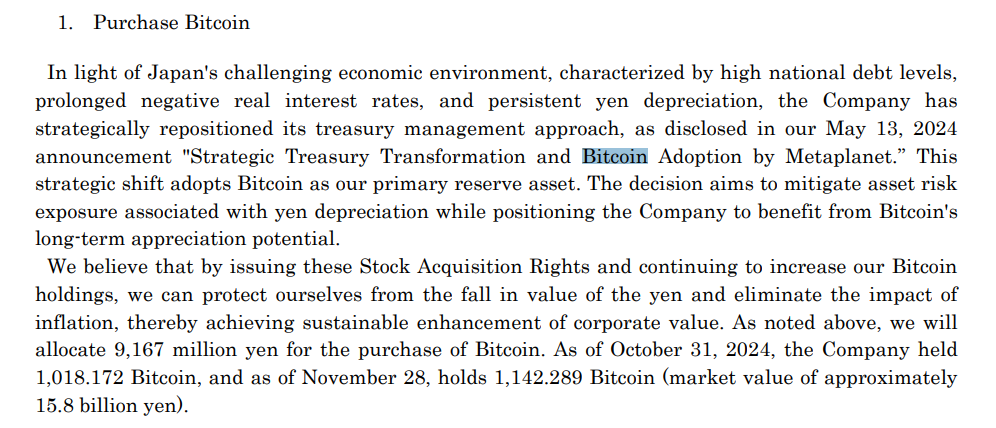
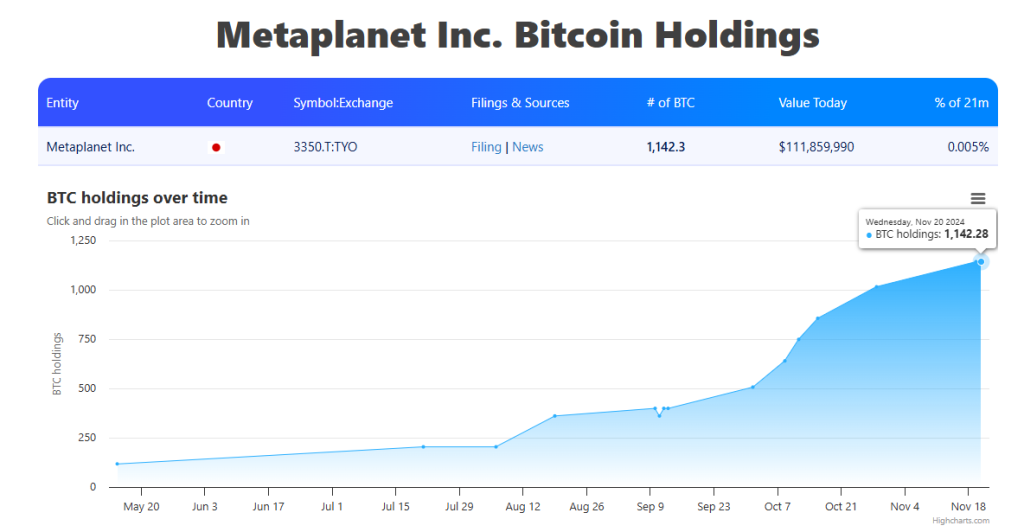
Since May 2024, Metaplanet has invested $75.3 million to purchase 1,142 BTC. The weakening of the yen against the dollar has been a key factor in this decision, as Bitcoin offers a way to hedge against inflation and secure their financial position.
For Metaplanet, Bitcoin is more than just a financial asset. It is a tool to protect against inflation and tackle the challenges of a weakening yen. Additionally, Metaplanet uses Bitcoin as preparation for the future.
This move highlights Metaplanet’s confidence in Bitcoin. They are fully committed, making it a central part of their long-term plans.
Metaplanet’s Growing Bitcoin Reserves and Fund Allocation
Metaplanet’s statement as Asia’s first Bitcoin Treasury Company | Source : Metaplanet
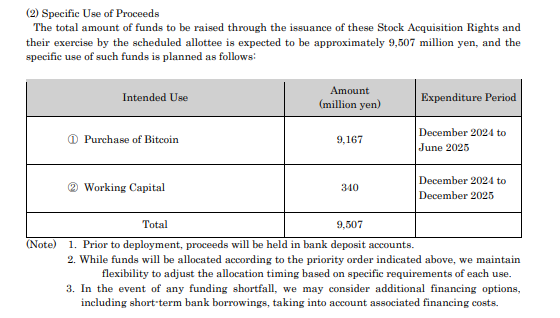
Metaplanet is focused on increasing its Bitcoin reserves, planning to raise ¥9,167 million ($62 million) to buy more Bitcoin. The purchases are set to take place between December 2024 and June 2025.
Metaplanet will raise these funds through the issuance of Stock Acquisition Rights, with a total expected amount of ¥9,507 million. The breakdown of the funds is as follows:
Purchase of $BTC ¥9,167 million (December 2024 – June 2025)
Working Capital: ¥340 million (December 2024 – December 2025)
Metaplanet will allocate ¥340 million for working capital to be used from December 2024 to December 2025. By balancing operations with a focus on growth, they are building a stronger and more innovative future.
Metaplanet Strengthens Its Presence in Asia
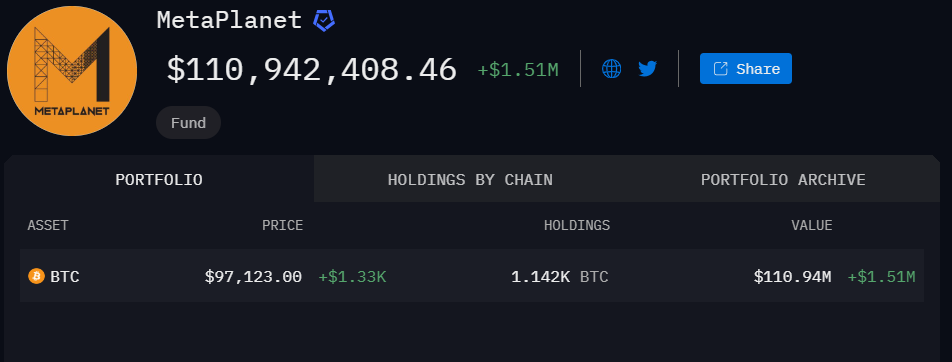
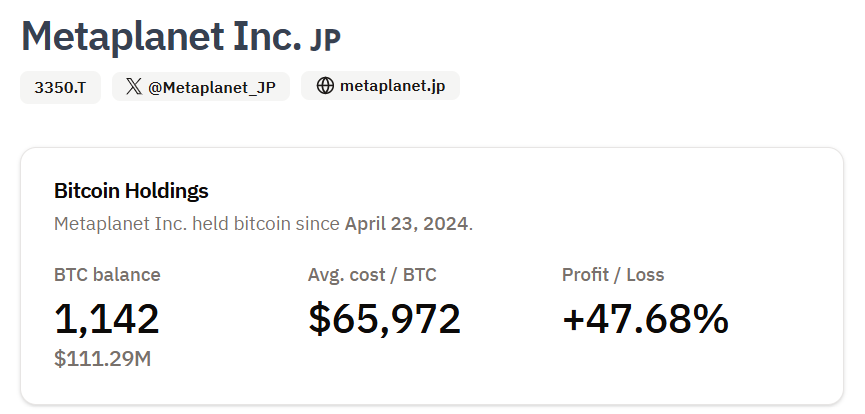
Metaplanet’s Portfolio | Source : Bitbo
Metaplanet has grown its $BTC holdings to 1,142 BTC as of November 20, 2024. This achievement highlights their dedication to digital assets and strengthens their position as one of Asia’s leading corporate Bitcoin holders.
Right now, their $BTC is worth $111.29 million, with an average purchase price of $65,972 per BTC. Thanks to this smart approach, they have made a 47.68 percent profit.
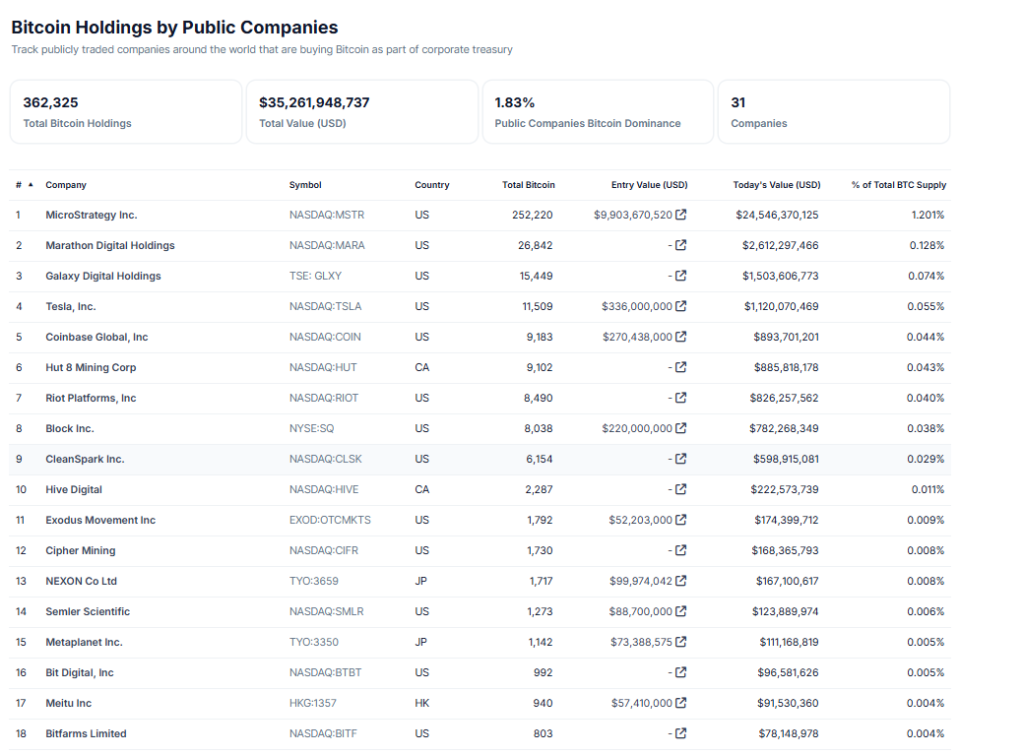
Globally, Metaplanet ranks 15th among public companies with the largest $BTC holdings. Building on this success, they have outpaced several major corporations, showing other companies in Asia how digital assets can become a valuable part of their strategies.
Jeffrey Wilcke, one of Ethereum’s co-founders, drew attention after transferring 19,990 ETH worth $72.56 million to Kraken, according to Arkham data. This move sparked discussions in the crypto community. Known for co-creating Go Ethereum, Wilcke has been less active in recent years but continues to manage his crypto portfolio carefully. However, with this recent transfer to Kraken, the big question remains: what is he planning to do?
Large transfers like this can signal selling, as sending ETH to exchanges like Kraken often suggests liquidation, impacting prices and sentiment.
This transfer got people talking about how Ethereum’s co-founders handle their wealth, especially with prices on the rise. It’s a reminder of just how much influence these early builders still have in shaping the market.
Ethereum Price Drop Following Jeffrey Wilcke’s Transfer
Ethereum’s price when Jeffrey transferred 19,990 ETH to Kraken | Source : TradingView
Ethereum saw its price drop by 4.5 % from $3.645 to $3.528 shortly after Jeffrey Wilcke, one of its co-founders, transferred 19,990 ETH to Kraken. The massive transfer, worth around 72.56 million dollars, raised concerns among traders about a potential sell-off.
This was one of the biggest transactions seen in recent weeks and immediately caught the attention of the crypto community. Many saw the 19,990 ETH transfer as a potential market-moving signal.
Some thought it might be part of a sell-off plan, while others guessed it could be Wilcke’s way of restructuring or balancing his portfolio. While the market reacted noticeably, analysts believe this kind of price drop is pretty common in the volatile crypto world.
Exploring Jeffrey Wilcke’s Portfolio
After seeing the massive transaction made by Jeffrey Wilcke, one of Ethereum’s co-founders, let’s take a closer look at his portfolio.
Arkham data shows he holds 106,006 ETH worth $380.69 million, plus 1.134 million SNT, 951 ENS tokens, and smaller amounts of XDATA, USDT, DAI, and PEN.
Jeffrey Wilcke’s portfolio grew by $73.76 million to $460.98 million on November 29, 2024, driven by a 19.04% rise in Ethereum (ETH), adding $73.73 million.
On the other hand, Vitalik Buterin, the most well-known face of Ethereum, approaches his wealth a little differently.Vitalik uses his assets to fund Ethereum projects and support social causes.
Exploring the Portfolio of Vitalik Buterin, Founder of Ethereum
Vitalik Buterin’s portfolio centers on Ethereum (ETH), holding 240.095 ETH worth $862.23 million, the bulk of his $881 million total. He holds 2.864k AETHWETH, 8.34 trillion DOG tokens, and smaller stakes in KNC, EBULL, and ESTEE.
Over the past week, Vitalik Buterin grew his portfolio by $142.73 million, reaching $899.67 million as of November 29, 2024. Ethereum (ETH) drove most of the increase, rising 19.04 percent and adding $139.88 million. Other assets, such as AETHWETH and DOG, contributed $1.65 million and $253.34k, respectively.
Vitalik Buterin’s portfolio growth mirrors Ethereum’s impressive performance throughout November 2024. Starting the month at $2,355, ETH reached a peak of $3,688, marking a substantial increase.
Ethereum saw a remarkable rise in November 2024, starting at $2,350 and reaching a peak of $3,709. The 57.8% increase showcased growing investor confidence and highlighted Ethereum’s resilience in a bullish market
Ethereum’s Price | Source : TradingView
Ethereum’s price rally was accompanied by notable trading volume spikes. Based on the chart, daily volumes exceeded 1.2 billion during key bullish moments in November. These peaks indicate heightened interest from both retail and institutional investors, reflecting the strong liquidity and appeal of ETH.
Volume’s Price | Source : TradingView
November was a big month for Ethereum, with soaring prices and record trading activity showing strong trust in its future. As its ecosystem grows and improves, Ethereum continues to lead the way, paving the path for even bigger possibilities ahead.
Vancouver’s mayor, Ken Sim, has come up with a bold plan to make the city more Bitcoin friendly. During a council meeting on November 26, 2024, he pitched an idea called “Preserving the city’s purchasing power through diversification of financial resources: Becoming a Bitcoin friendly city.” Basically, he wants to add Bitcoin to the city’s investment portfolio to help protect its finances.
The council is set to dive deeper into the proposal on December 11, 2024. This all comes as Bitcoin is breaking records, hitting over $99,000 in November 2024. He is no stranger to the crypto space either, having accepted cryptocurrency donations during his 2022 mayoral campaign.
While the proposal is still waiting for approval, it is already making waves. If it goes through, Vancouver could set an example of how cities can use Bitcoin to boost their finances.
The Vision Behind Ken Sim’s Plan
Ken Sim’s idea to bring Bitcoin into Vancouver’s finances is all about keeping the city’s future secure. He wants to use Bitcoin to help protect the city’s purchasing power and create a safety net against global inflation.
Diversifying the city’s investments is a smart way to stay ahead and Bitcoin, with its limited supply and independence from traditional systems.
This plan is not just about money though, it is about making Vancouver stand out. Sim wants the city to be seen as a leader in innovation, attracting forward thinking businesses and investors who are excited about bold ideas like this.
Bitcoin is everywhere these days, and Vancouver wants to join the trend. Mayor Ken Sim believes it could be a game changer for the city’s finances. So what’s the plan, and how could it shape Vancouver’s future? Let’s take a closer look!
Hedge Against Inflation: Bitcoin’s scarcity makes it a strong option to protect Vancouver’s finances.
Proven Growth: With Bitcoin reaching $99,000, Sim sees it as an unmissable opportunity.
Driving Innovation: Adopting Bitcoin positions Vancouver as a leader in innovation.
Managing Risks: Sim plans a careful approach to balance Bitcoin’s potential and risks.
Ken Sim’s Bitcoin plan is ambitious and full of possibilities. Up next, let’s talk about whether Vancouver could follow in El Salvador’s footsteps and what that might mean for the city.
President Nayib Bukele recently shared an exciting update about El Salvador’s Bitcoin portfolio through his Instagram Story. The portfolio has reached an impressive value of over $573 million, with profits surpassing $305 million, reflecting a 108.85 percent increase.
According to the latest data, El Salvador currently holds 6,170 BTC bought for a total investment of $139 million. The average purchase price is $44,572 per BTC, which is significantly lower than the current market price of $96,333. By using a Dollar Cost Averaging strategy, the country managed to navigate price swings and achieved a portfolio value of $547 million with a total profit of 116.02 percent.
El Salvador’s Bitcoin purchases began on September 6, 2021, with initial transactions at prices ranging between $47,249 and $52,677 per BTC. These consistent purchases, even during market dips, have resulted in substantial long-term gains. This success highlights El Salvador’s role as a global pioneer in Bitcoin adoption.
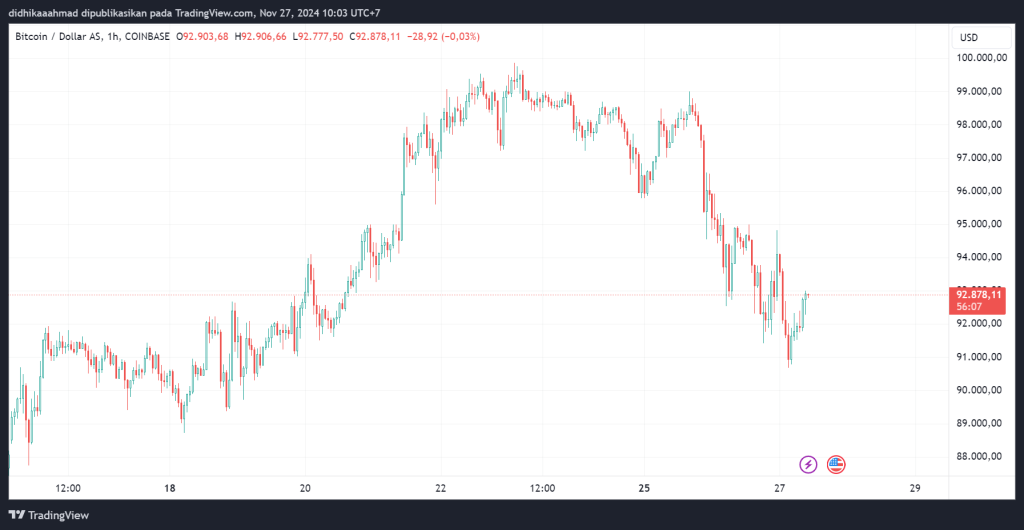
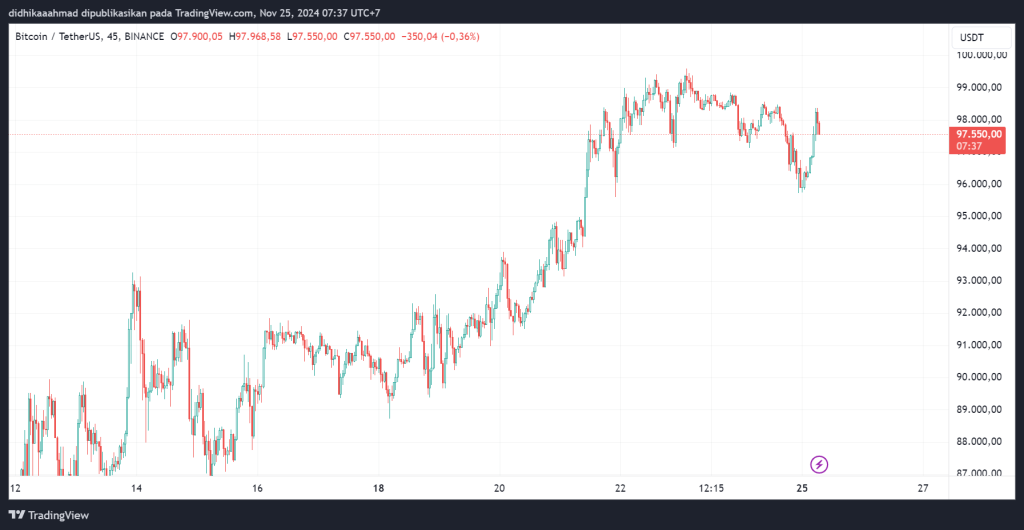
Bitcoin’s price has been like a rollercoaster lately. It just hit an All Time High of $99,850, but then suddenly dropped all the way to $90,600, its lowest point in days. For a lot of people, it’s definitely disappointing. Bitcoin was so close to hitting that dream $100,000 mark, but it just didn’t make it. Still, if you’ve been following the crypto world for a while, you know this kind of up and down movement is totally normal here.
Bitcoin chart | Source : TradingView
This drop didn’t really surprise some analysts. When prices shoot up too quickly, it’s pretty normal to see a correction, and this time it was a pretty big one. Whales, the big players in the market, seem to have cashed out at the top, which added even more pressure on the sell-off.
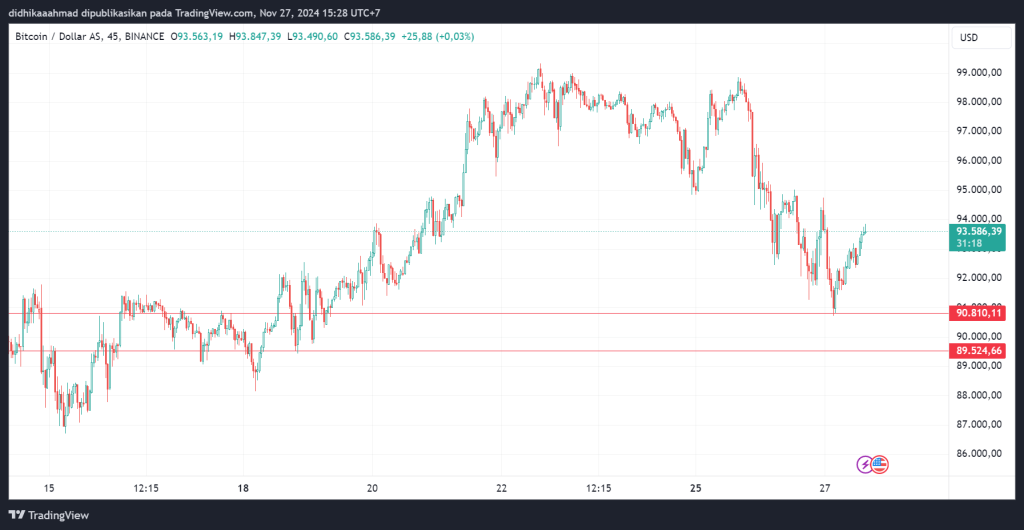
Bitcoin chart | Source : TradingView
Right now, $90,000 is a key level to watch. If Bitcoin falls below this, it might slip into a longer bearish phase. But if it can hold steady at this support, there’s still a chance for a recovery and maybe another shot at breaking that $100,000 milestone everyone’s been waiting for.
Dropping Volume and Most of the Top 20 Cryptos in the Red
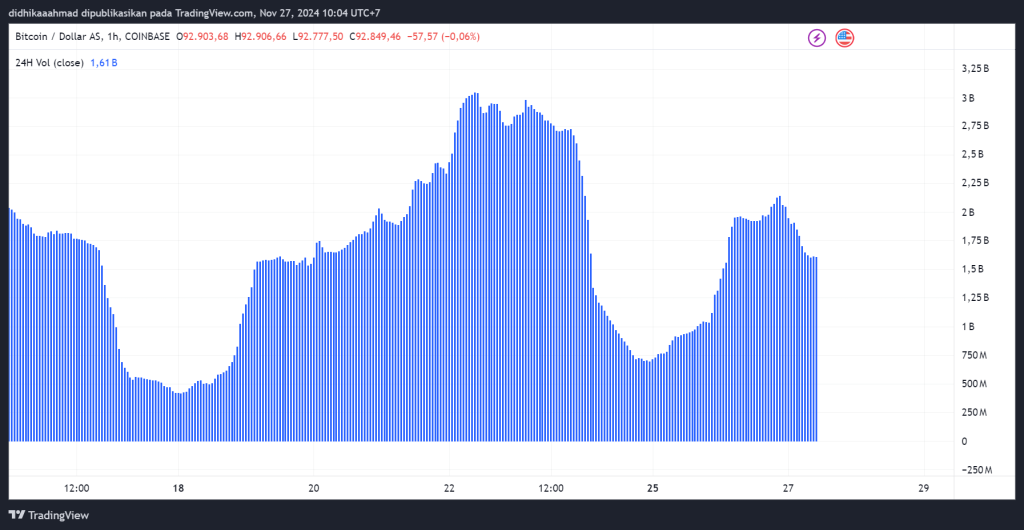
Bitcoin Volume Chart | Source : TradingView
When Bitcoin’s price dropped, trading volume shot up. This shows just how active the market was during that time. Big spikes in volume like this usually happen when the market is going through a correction phase, with big players like institutions and whales adjusting their portfolios.
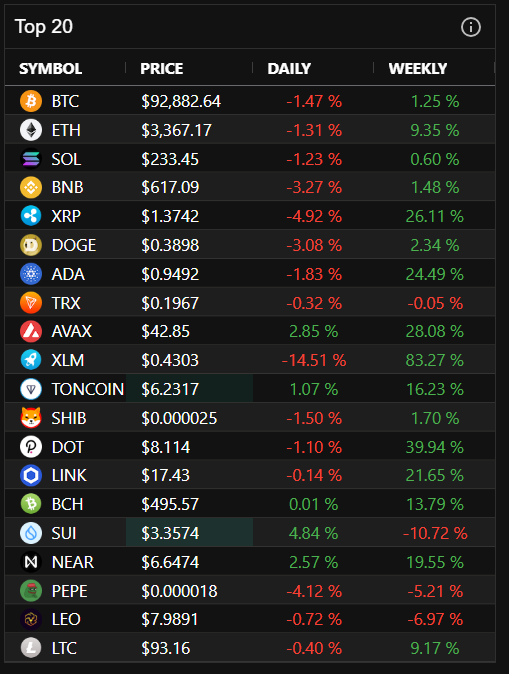
Bitcoin’s drop had a ripple effect across the entire crypto market, especially on the top 20 coins. Almost all of them ended up in the red. Ethereum (ETH) fell 1.21%, Binance Coin (BNB) dropped 3.27%, and Cardano (ADA) was down 1.83%. Even Dogecoin (DOGE), which often moves differently from others, slipped by 3.08%.
Top 20 crypto
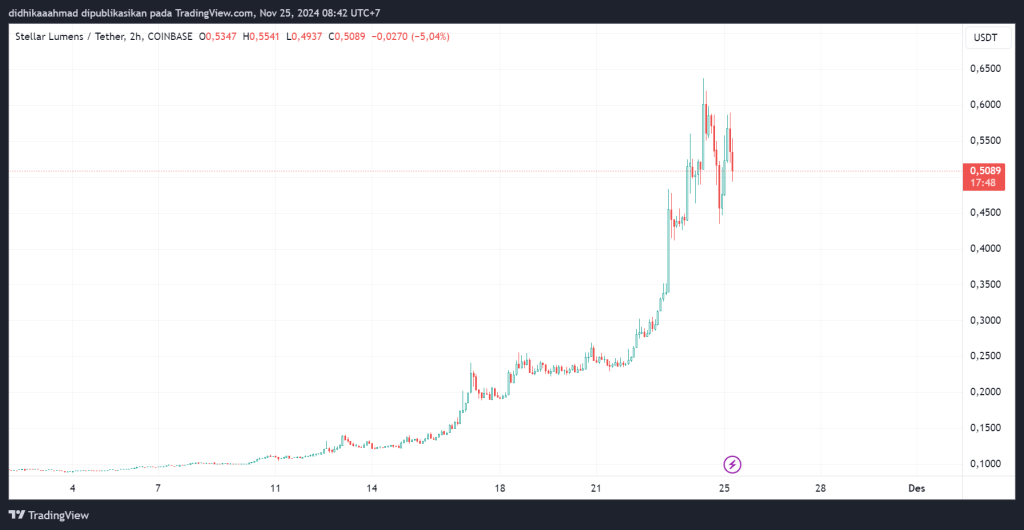
The hardest hit was Stellar (XLM), which fell a massive 14.51% in just 24 hours. Solana (SOL) and Shiba Inu (SHIB) also saw significant drops.
Bitcoin ETFs Stay Busy Amid Volatility
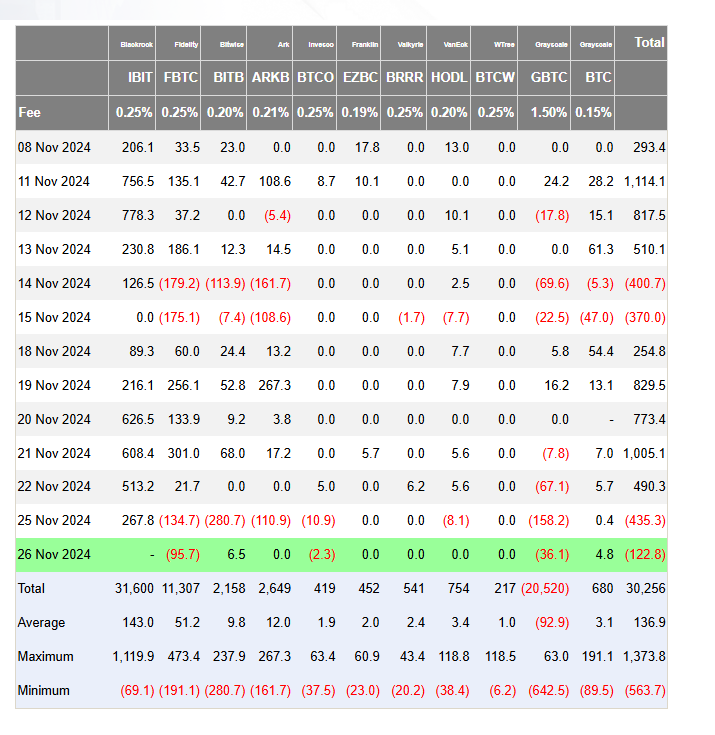
Bitcoin ETF Flow | Source: Farside
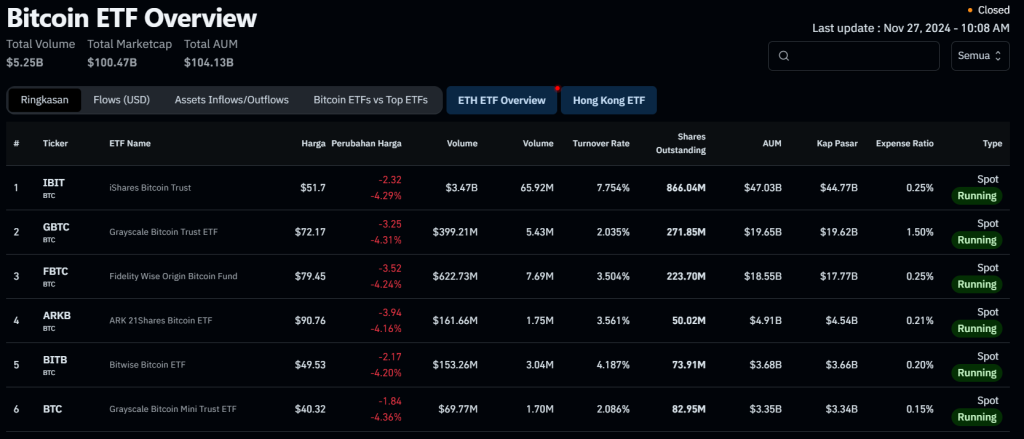
In the midst of the bearish market conditions discussed earlier, Bitcoin ETFs continue to show robust activity. The iShares Bitcoin Trust (IBIT) is leading the charge, recording a trading volume of $3.47 billion, despite experiencing a price drop of 4.29%. Similarly, the Grayscale Bitcoin Trust (GBTC) and Fidelity Wise Origin Bitcoin Fund (FBTC) also reported significant volumes at $399.21 million and $622.73 million, respectively.
Overall, the total trading volume for Bitcoin ETFs currently stands at $5.25 billion. This suggests that institutional investors remain highly engaged in the market, even as Bitcoin’s price faces downward pressure. A key highlight is the high turnover rate of ETFs like IBIT, which reached 7.75%.
However, the sell-off pressure is evident across the ETF market, with most ETFs experiencing price declines of around 4% to 5%. Despite this, the combined market capitalization of Bitcoin ETFs remains solid at $100.47 billion.
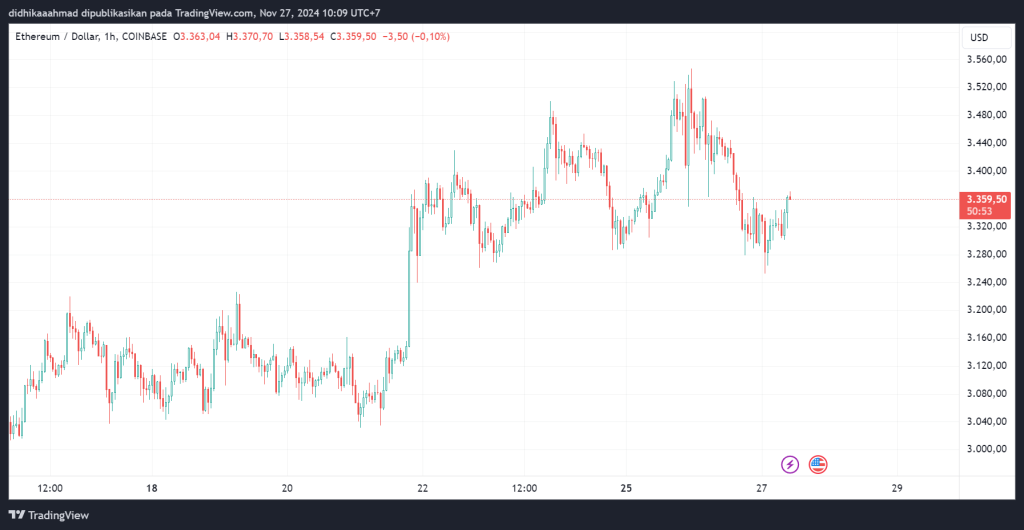
The Ethereum price chart shows some interesting movements over the past few days. It has been bouncing between $3,158 and $3,370, with the current price sitting around $3,359. The chart highlights how Ethereum is still facing a lot of pressure, but it’s managing to hold its ground near the $3,300 support level.
Ethereum Chart | Source: TradingView
Looking at the pattern, it seems like Ethereum is trying to recover after some recent dips. The slight uptick near the end of the chart could be a positive sign, suggesting that buyers are stepping in to push the price back up.
For traders, this range could offer opportunities, especially if Ethereum manages to stay above $3,300. It’s not a breakout yet, but it’s also not breaking down further, which is encouraging.
What Should Traders Do in This Market?
Let’s face it, the market’s been a bit crazy lately. Prices are all over the place, and it feels like the bears are in control. But hey, it’s not all doom and gloom. This could actually be a great time to take a step back, refocus, and make some smart moves. The trick is staying calm and not letting the chaos mess with your head.
First things first, keep an eye on those support and resistance levels. Think of them as your guideposts. If prices hold steady at key supports, it might be a sign things are stabilizing or even gearing up for a rebound. But if they fall further, you’ve got to be ready to adjust. Also, watch out for spikes in volume and what the whales are up to.
Most importantly, don’t rush. Patience is your best friend right now. If you’re in it for the long haul, this might be the perfect chance to pick up some solid assets at a discount. If you’re trading short-term, stick to your plan, set clear goals, and don’t forget to manage your risks.
Pump.fun is in the spotlight lately, but for all the wrong reasons. Its livestream feature, introduced as a way for creators to promote their tokens in an engaging and interactive manner, has turned into a source of major controversy. What was meant to foster creativity has instead been exploited for extreme actions and inappropriate content that has sparked widespread criticism.
There have been some truly shocking incidents linked to the misuse of this feature. Live threats of violence, acts of self-harm, and even cases involving vulgar content and animal abuse have surfaced, all in a bid to boost token prices. These incidents have raised serious questions within the crypto community about Pump.fun’s ability to moderate and manage its platform responsibly.
With criticism mounting, Pump.fun finds itself in a difficult position. The platform is now under pressure to overhaul its moderation system and introduce clearer guidelines to take meaningful steps that create a safer space for its users.
Before diving deeper, let’s take a closer look at Pump.fun and what it offers. Pump.fun is a blockchain-based platform built on Solana, designed to make it easy for anyone to create their own memecoins. With its “fair launch” concept, users can launch tokens without the need for presales, team allocations, or advanced technical skills.
This straightforward process has made Pump.fun a top choice, with over 3.8 million tokens launched on the platform to date. Many believe that Pump.fun contributes to an oversaturated market filled with low-value tokens, and the platform has also faced challenges with content moderation.
Despite these issues, Pump.fun remains a favorite among creators thanks to its flexibility and ease of use. To maintain its credibility, the platform will need to continue innovating and addressing these concerns to retain the trust of the crypto community.
Pump.fun’s livestream feature was initially introduced to help creators connect directly with their audience and promote their tokens. However, it quickly became a focal point of controversy due to widespread misuse. Instead of fostering creativity and engagement, the feature has been exploited for inappropriate and harmful content, drawing sharp criticism from the crypto community.
Pumpfun needs to shut down. These are literally crazy people, willing to do any crazy shit, like school shooting, torturing, exposing body…
Some of the most shocking incidents include livestreams involving threats of violence and self-harm. One creator threatened to harm themselves if their token didn’t reach a specific market cap.
In addition to these cases, there have been other disturbing examples of content misusing the livestream feature:
Burning the Israeli Flag – A livestream featured a user provocatively burning a flag.
Guy streams himself burning Israel's flag and doing the nazi salute
4. PumpFans – This livestream featured explicit content to lure viewers into buying tokens.
PUMPFUN LIVE STREAMING FEATURE HAS BEEN DISABLED
In recent days, troubling events on the platform https://t.co/E7kdtQDM96 have raised serious concerns about the ethical and moral state of some in the crypto community.
Pump.fun gained significant attention not only for its innovative features but also due to the controversial Quant token incident. A Gen Z creator used the livestream feature to attract investors, only to rug pull and pocket tens of thousands of dollars, leaving buyers at a loss.
Shockingly, the same creator repeated the scheme with two more tokens, exposing Pump.fun’s vulnerability to misuse. The scandal harmed investors and tarnished the platform’s reputation, raising questions about its ability to prevent unethical behavior.
A kid created a coin $Quant while live-streaming and sold all of it for 128 $SOL($30K), making a profit of $29.6K!
Despite the backlash, the incident brought more attention to Pump.fun. While some saw it as a cautionary tale, others were drawn to the platform’s potential for quick profits, creating both challenges and opportunities for its future.
In response to the backlash, Pump.fun has now officially shut down its livestream feature. The team stated that this decision was made to address safety concerns and give them time to improve their moderation systems.
While some see this as a step in the right direction, others believe it might be too late to repair the damage. Pump.fun is now under significant pressure to prove that it can create a safer environment and regain the trust of the crypto community.
Between November 23-25, 2024, Bitcoin faced a sharp drop after failing to break the psychological $100K level. After reaching $99K on November 22, its price tumbled to $95K by November 25. This decline didn’t just halt the steady gains seen since November 19 but also reinforced $100K as a major resistance point, making it clear that the bullish trend dominating the market was losing momentum.
Bitcoin price chart | Source : TradingView
Bitcoin’s climb started on November 19, steadily rising from $87K and hitting new all-time highs (ATHs) every day until November 22. Charts showed a clear ascending channel, which reflected strong optimism across the market. Traders were betting heavily on Bitcoin breaking $100K, but on November 23, things began to shift. Many traders started locking in profits around $99K, leading to a wave of profit-taking that weakened Bitcoin’s upward momentum.
Bitcoin volume chart | Source : TradingView
However, the trend shifted on November 23 as profit-taking by large traders began to dominate the market, particularly around the $99K level. Alongside the profit-taking, trading volume experienced a sharp decline. From its peak of over $3.25 billion on November 22, the volume dropped dramatically to below $750 million by November 25.
This steep decline in volume reflected waning momentum and reduced participation in the market, which left Bitcoin more vulnerable to selling pressure. The combination of heavy profit-taking and the significant drop in trading volume underscores the market’s sensitivity to psychological levels like $100K.
Massive Liquidations and Sharp Volume Decline
Over the past 24 hours, the Bitcoin market recorded a total liquidation of $492.96 million, involving 192,943 traders. This wave of liquidations was dominated by long positions, which accounted for $356.95 million, while short positions made up $136.01 million.
The largest wave of liquidations occurred over a 12-hour period, totaling $192.62 million. Of this, $106.27 million came from long positions, while $86.35 million came from short positions. Much of this pressure arose as Bitcoin’s price dropped from its peak of $99K on November 22 to $97K on November 23.
Breaking down the data by exchange, Binance saw the largest liquidation volumes, with $15.32 million in long positions and $89.81 thousand in short positions wiped out. Bybit followed with $3.31 million in long liquidations, while OKX and HTX recorded $1.67 million and $1.12 million, respectively. Even smaller platforms like CoinEx were not spared, with $391.92 thousand in long positions liquidated.
This price drop was further exacerbated by a dramatic decline in Bitcoin’s trading volume. From its peak of $3.25 billion on November 22, trading volume plunged below $750 million by November 25. The combination of massive liquidations and the steep decline in trading volume accelerated Bitcoin’s downward trajectory, showing how a lack of volume can leave the market more vulnerable during significant pressure points, especially at critical levels like $100K.
Bitcoin or Altcoins? The Tug of War in Market Dominance
Between November 23-25, 2024, Bitcoin Dominance (BTC.D) went on a rollercoaster ride amidst a major sell-off in the cryptocurrency market. Starting at 60.5% on November 22, BTC.D dropped to 59.34% on November 24, signaling a shift as traders poured their funds into altcoins during Bitcoin’s price dip. However, by November 25, BTC.D climbed back up to 59.58%, suggesting that Bitcoin wasn’t ready to give up its lead just yet.
BTC Dominance | Source : TradingView
So, what exactly is BTC.D? Bitcoin Dominance measures Bitcoin’s share of the total cryptocurrency market capitalization. When BTC.D rises, it shows that investors are leaning more towards Bitcoin, often as a “safe bet” during market uncertainty. On the other hand, a dip in BTC.D signals growing interest in altcoins, which, although riskier, can offer higher potential returns during bullish periods.
BTC Dominance | Source : TradingView
The dip in BTC.D to 59.34% on November 24 suggests that altcoins gained traction as Bitcoin faced selling pressure near the $100K mark. Yet, the subsequent rise to 59.58% on November 25 shows that Bitcoin still holds its ground as the go-to asset, especially when the market starts to calm down.
BTC.D isn’t just a number! it’s a key indicator of how traders and investors are shifting their capital. Its fluctuations can hint at big market movements, whether Bitcoin is reclaiming its throne or altcoins are stealing the spotlight.
Bitcoin Dominance Declines as Stellar Shines, But Focus Returns to Bitcoin
The drop in Bitcoin Dominance (BTC.D) from 60.5% on November 22 to 59.34% on November 24 signaled a shift in capital from Bitcoin to altcoins during the market correction. When BTC.D decreases, investors tend to explore opportunities in altcoins with higher potential returns, albeit with greater risks.
Stellar $XLM price chart | Source : TradingView
One altcoin that stood out during this period was Stellar (XLM). Its price surged from $0.1 on November 12 to $0.6 on November 24, marking a 500% increase in less than two weeks. This remarkable rise highlights the strong interest from investors in altcoins perceived as undervalued and offering significant growth potential, particularly when Bitcoin faced selling pressure near the psychological $100K level.
The sharp increase in XLM’s price demonstrates how altcoins can shine during times of uncertainty in the broader crypto market. However, as BTC.D rebounded to 59.58% on November 25, the trend indicated that the market was refocusing on Bitcoin. This reflects investors’ confidence in Bitcoin as the primary and more stable asset amidst market volatility.

 Login

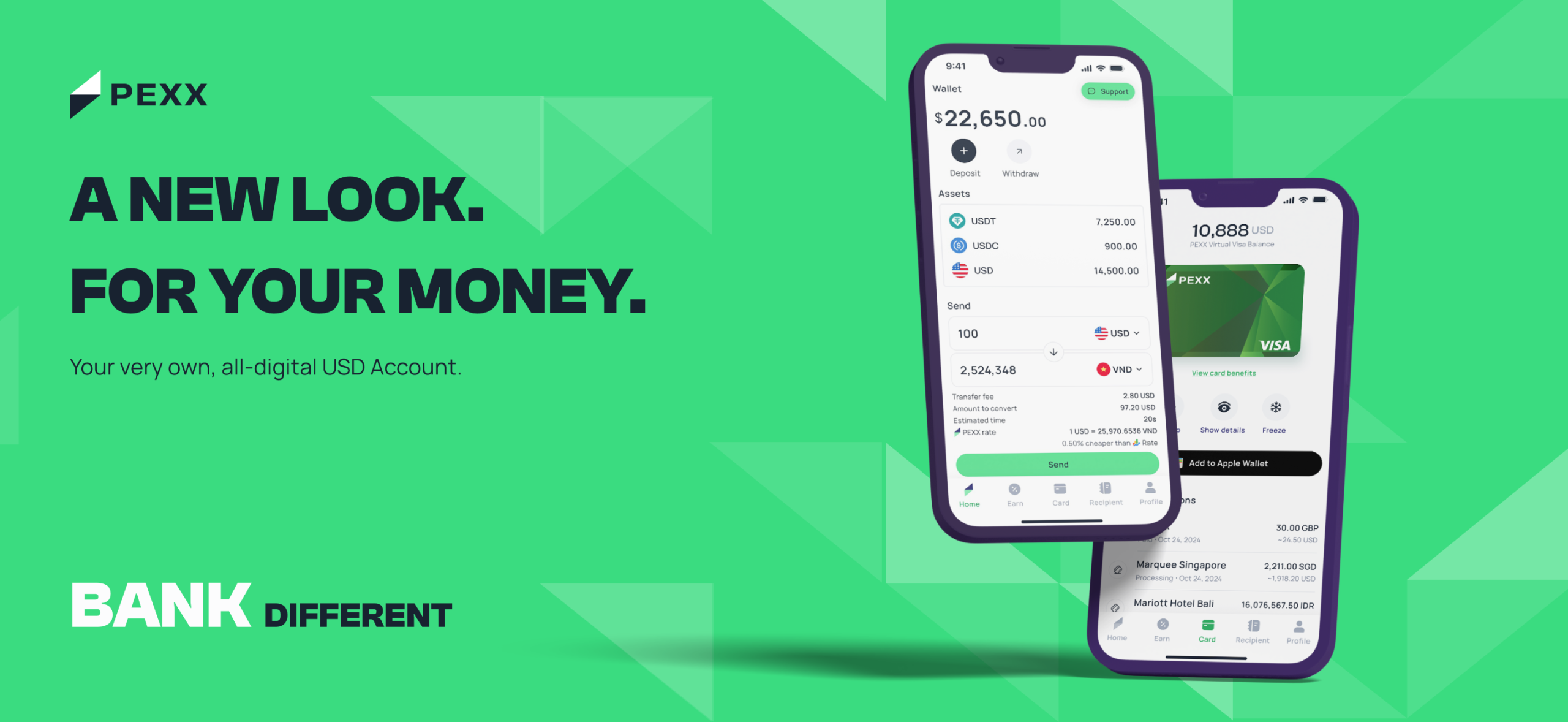

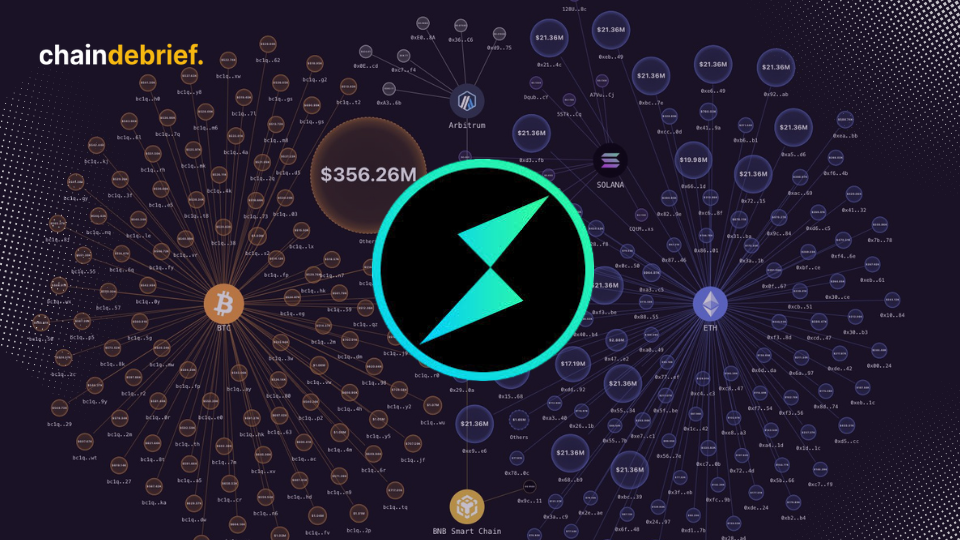
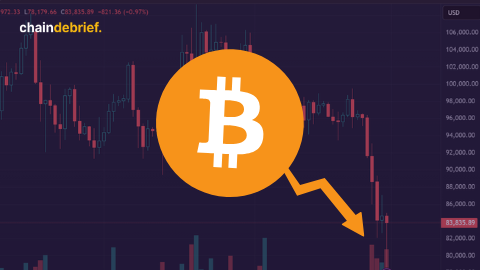






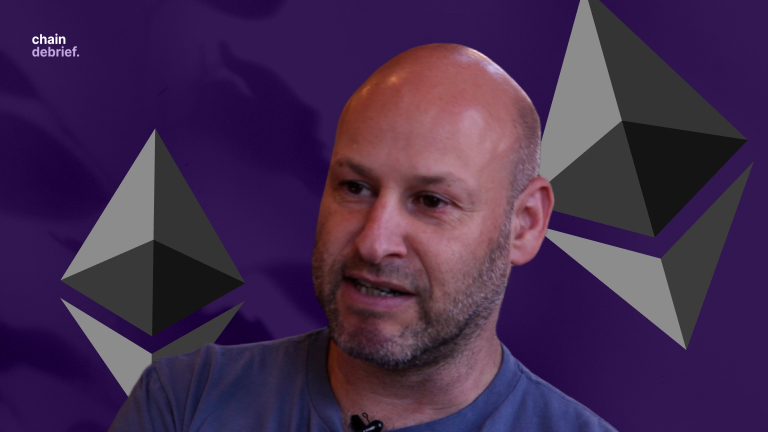


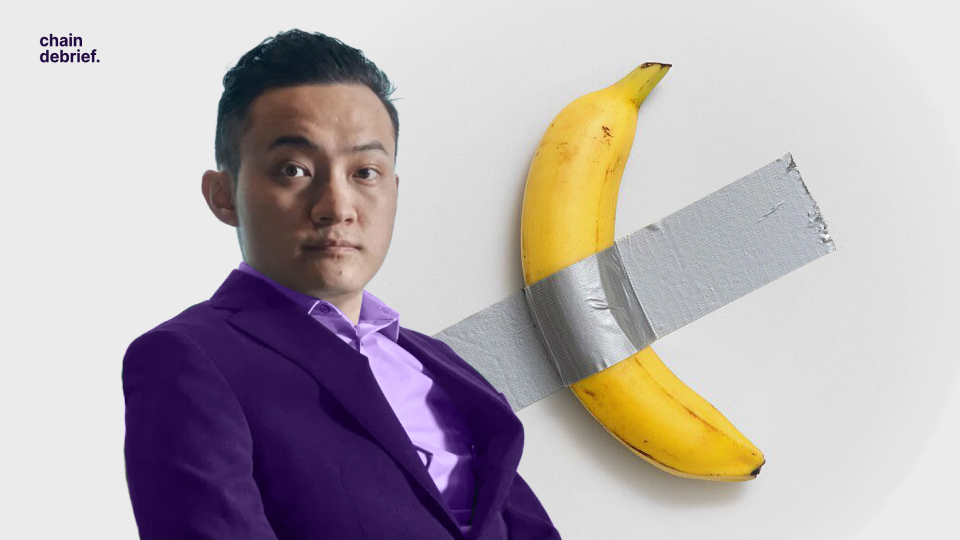






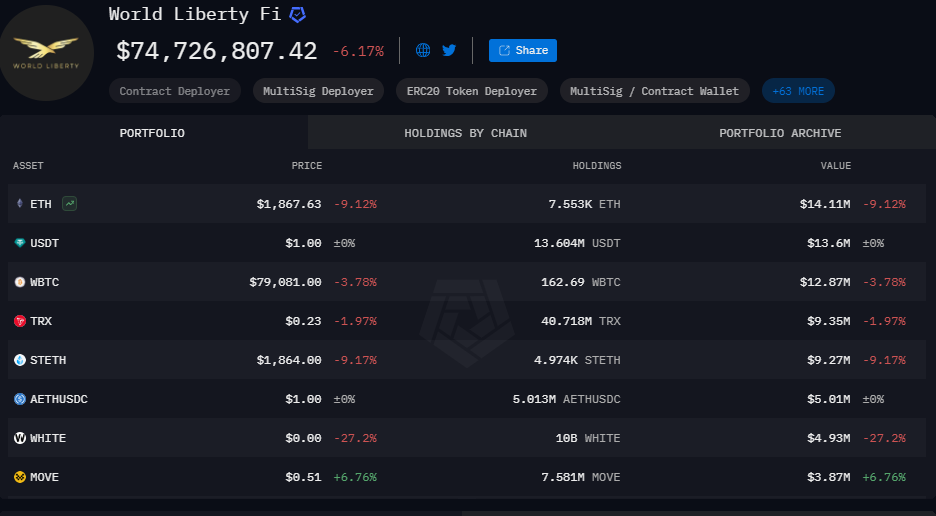

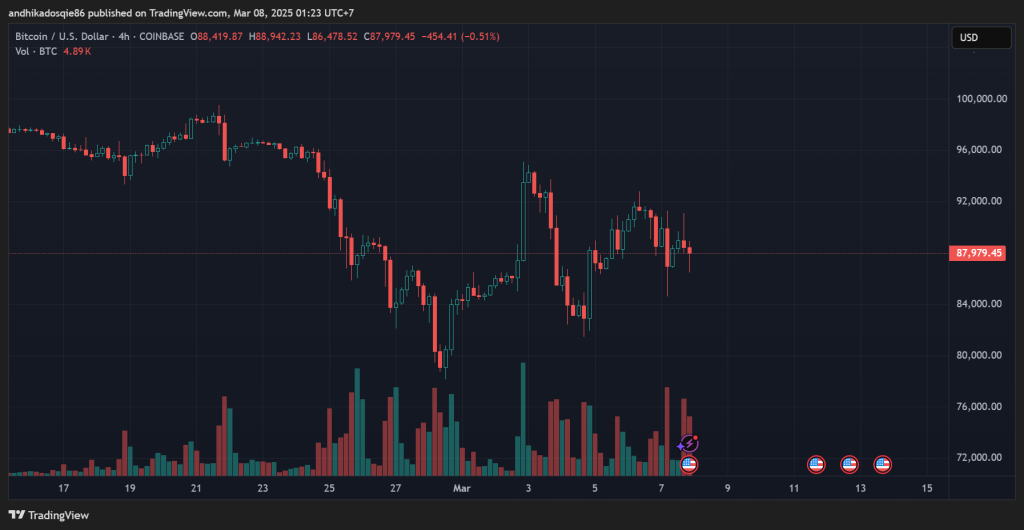
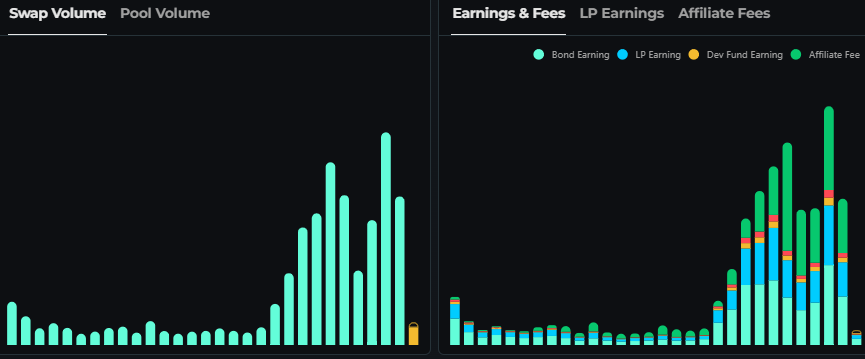
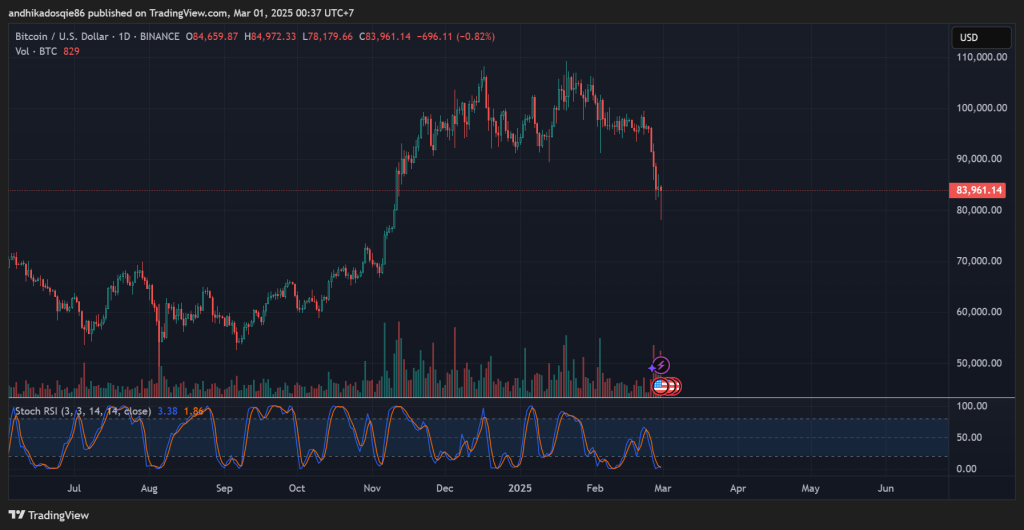
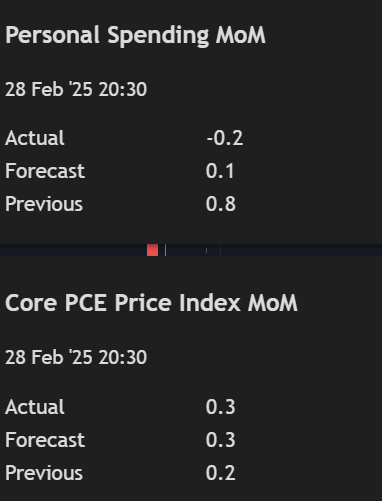
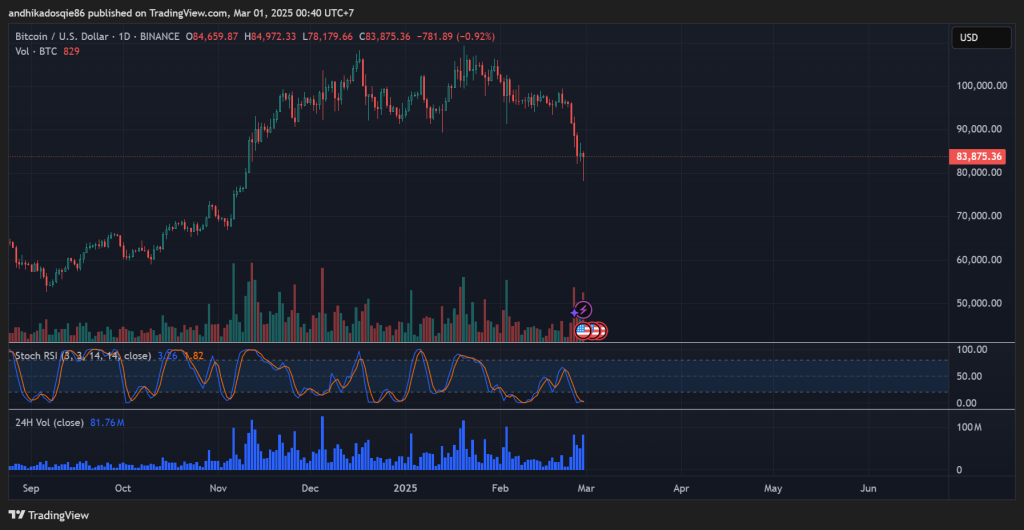
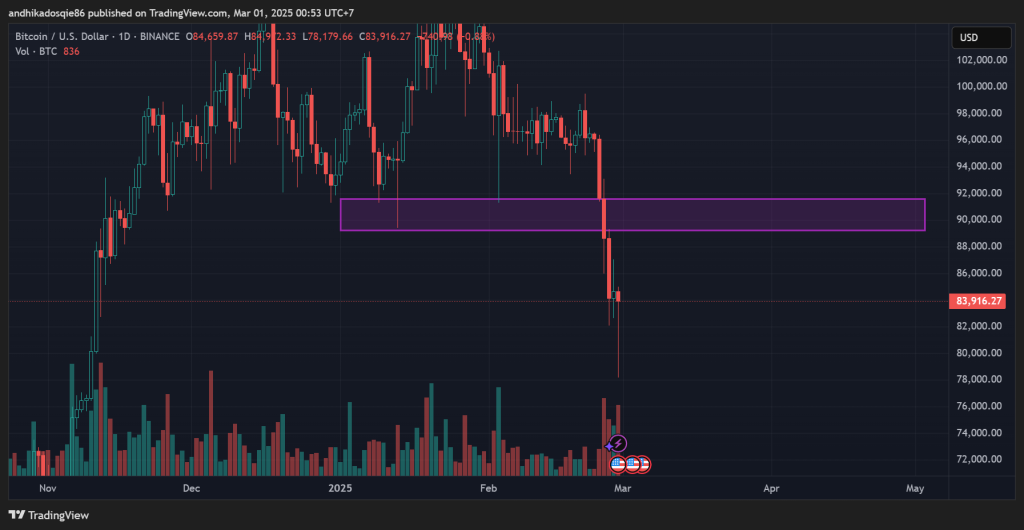



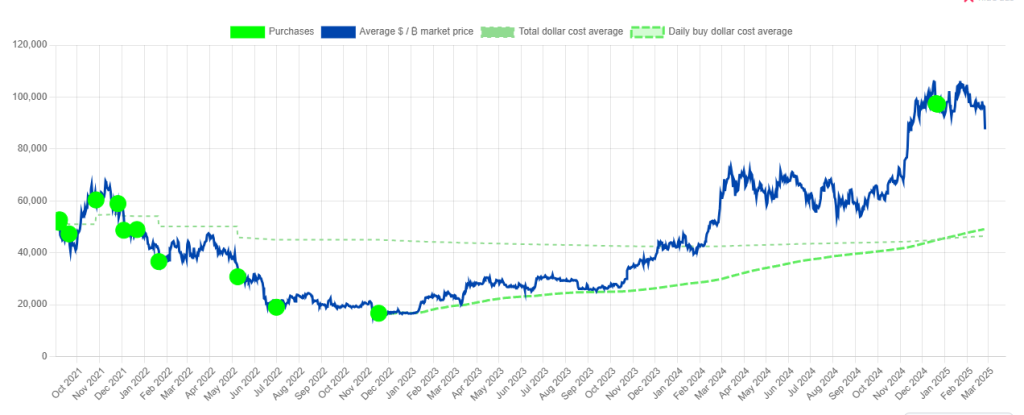
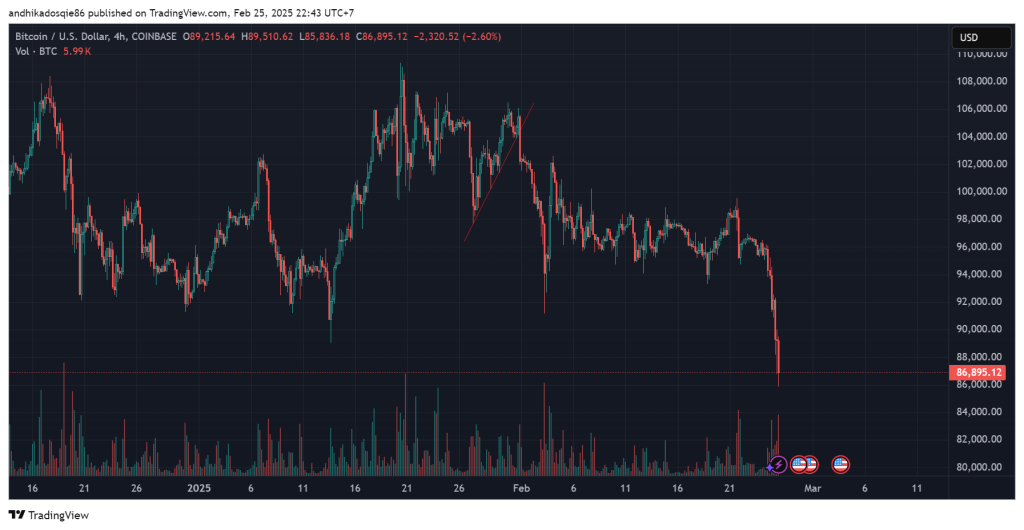
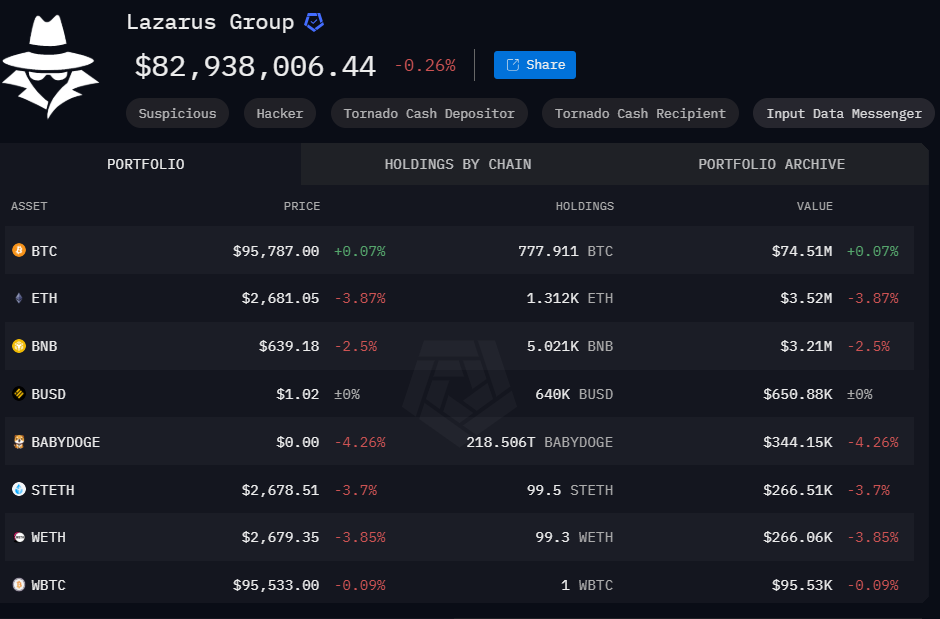
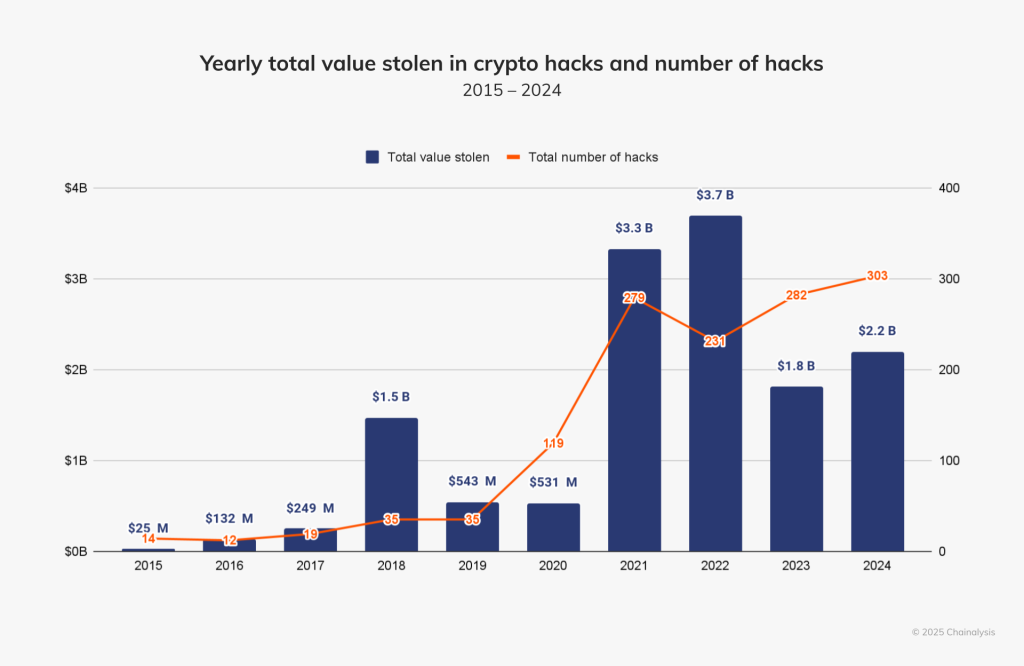
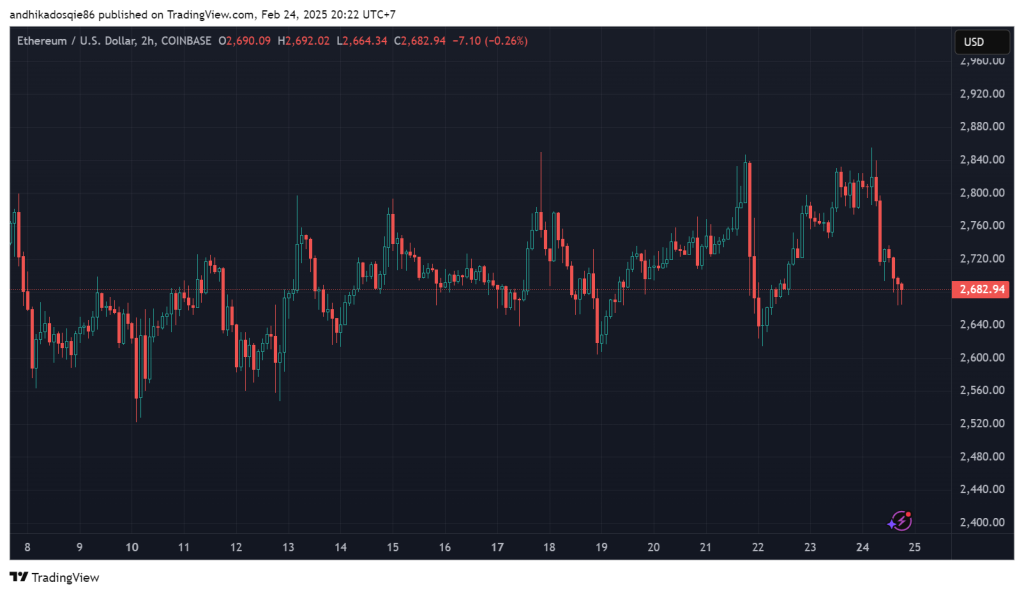



 PUMPFUN LIVE STREAMING FEATURE HAS BEEN DISABLED