❌

Normal view

SkeyDrone Releases New Drone Detection Report

4 September 2024 at 09:47

Steenokkerzeel, 4 September 2024 – SkeyDrone is proud to announce the release of a new public Drone Detection Report. The report offers a high-level analysis of the drone flights detected at the Belgian coast during the months of July and August 2024, based on SkeyDrone’s Drone Detection network.

The report provides crucial insights into various aspects of drone activity, including the types of drones used, frequency and timing of flights, duration, altitude, distance between drones and pilots, compliance with regulations as well as drone hotspots. It serves as a valuable resource for understanding the evolving drone landscape at the Belgian coast, highlighting both opportunities and challenges for public and private stakeholders.

Key Findings:

  • Daily Flights: An average of 18 drone flights per day were detected.
  • Peak Times: Most drone flights were detected on Sundays, and between 19h and 21h.
  • Duration: The average drone flight lasted 3 minutes and 55 seconds.
  • Drone Model: The majority of detected flights were carried out with a DJI Mini.
  • Maximum Altitude: The highest recorded flight reached 1647 feet (500 meters) above ground level.
  • Pilot Distance: The furthest distance observed between a drone and its pilot was 21.031 meters.

This is SkeyDrone’s second public drone detection report, after the publication of the Brussels’ drone detection report in June 2024.

Hendrik-Jan Van Der Gucht, Managing Director at SkeyDrone, comments: “Our initial drone detection report generated significant interest. For our next report, we chose to focus on the Belgian coast due to its scenic beauty which may attract drone pilots wanting to capture stunning aerial footage. Additionally, the area presents numerous opportunities for drones for surveillance, monitoring and rescue operations. As we anticipate an exponential increase in drone traffic along the Belgian coast, it is crucial to be able to quantify and locate it effectively, especially given the presence of the Koksijde Air Base, the International Airport of Oostende and the helicopter training areas.”

The report is available for download here. For further inquiries about this report, or to request a customized report for a specific period or region, contact communication@skeydrone.aero.


About SkeyDrone

SkeyDrone is a joint venture between the Belgian Air Navigation Service Provider skeyes and Brussels Airport Company. The company’s mission is to provide end-to-end solutions for business needs related to the use of uncrewed aircraft (drones). SkeyDrone offers solutions for lower airspace monitoring, management of and protection against drones for authorities and geo-zone managers, UTM/U-space & consultancy services for drone operators and business integration services for companies. Playing a pivotal role in the implementation of U-space in Belgium, SkeyDrone is on track to make history by becoming one of the first U-space service providers in Europe.

The post SkeyDrone Releases New Drone Detection Report first appeared on SkeyDrone.

Successful BVLOS Drone Flight Between Residential Care Center and General Hospital: A Milestone for Medical Transport

14 August 2024 at 12:18

Kortrijk, August 14, 2024 – In a groundbreaking test flight, a drone successfully completed a 4 km journey between Residential Care Center De Zon in Bellegem, managed by Zorg Kortrijk, and General Hospital Groeninge in Kortrijk. This flight, conducted beyond the visual line of sight (BVLOS) of the pilot, marks a significant milestone in the TETRA project ‘Medical Drone Supplies’ (MEDROS), led by VIVES University of Applied Sciences.

The MEDROS project aims not only to explore but also to implement the possibilities of drone technology for transporting medical goods within the Flemish healthcare sector as well as to integrate it into the entire healthcare logistics chain. This flight provided concrete evidence that the rapid and efficient exchange of medical samples is possible through drones. Additionally, project partner KU Leuven is conducting a comparison between the quality of blood samples transported by drone and those transported by road.

The drone flight partially took place within the geozone of Kortrijk-Wevelgem Airport, where strict safety regulations apply to drone flights. This test is unique: it is the first time that a drone has flown beyond the pilot’s line of sight in this geozone without the need to interrupt other air traffic.

The safety of the operation was ensured by using SkeyDrone’s BVLOS framework, which is based on a range of advanced digital services, guaranteeing the safety of everyone in the air and on the ground. The flight was conducted by ADLC, a Belgian start-up experienced in the transport of petrochemical samples within the Port of Antwerp. The drone was operated fully automatically throughout the flight, with real-time remote monitoring from ADLC’s operations control room.

The flight was closely monitored by a team of experts, and the collected data will be analysed to formulate further recommendations.

“We are very pleased with the results of this test flight,” says Joke Van Vooren, Lecturer and Project Staff Member Aviation at VIVES. “It demonstrates that drones can be a valuable addition to our current transport methods, especially in emergencies where speed is crucial. This is an important step toward more efficient and faster transport of medical goods within the healthcare sector.”

“At AZ Groeninge, we are open to innovation in the healthcare sector. The MEDROS project gave us the opportunity to contribute to the technical and economic aspects of drone transportation in healthcare. Although it had already been demonstrated that this is possible, we also find it important to know that this can be done safely and that the quality of the goods can be guaranteed,” states Brian Desplinter, Innovation Project Leader at AZ Groeninge.

“The successful completion of this medical transport flight is a testament to the versatility and potential of drone delivery services. We are proud to use our experience to contribute to the healthcare sector by offering an efficient, convenient and sustainable alternative to current means of transportation,” adds Rayan Quintaes, Co-founder & Managing Director at ADLC.

“This test flight perfectly illustrates how our BVLOS framework can ensure the safety and efficiency of drone operations, even in complex airspace. It is a significant step toward the integration of drone technology in critical sectors such as healthcare,” comments Didier Decaestecker, Head of Sales at SkeyDrone.

About VIVES

VIVES University of Applied Sciences offers contemporary, competency-based higher education, innovative practice-oriented research, and community service, providing creative solutions to the challenges of today and tomorrow. With 17,500 students and 1,500 staff members across the study areas of biotechnology, healthcare, business and management, technology, education, and social work, VIVES is one of the largest universities of applied sciences in Flanders, with campuses in Bruges, Kortrijk, Ostend, Roeselare, and Torhout. 

About AZ Groeninge

AZ Groeninge from Kortrijk has 1,000 beds and is one of the large Flemish hospitals. 3,200 employees, 250 doctors and 200 volunteers provide safe and high-quality care every day. In the annual ranking “Best hospitals of the world” by Newsweek, AZ Groeninge ranks 6th for Belgium. It is the first non-university hospital in the Belgian Top 20. AZ Groeninge was named Healthcare Employer of the Year in 2023. 

About ADLC

ADLC is a start-up specialised in drone delivery services, specifically targeting the B2B industrial sector. Their commitment is to transform operational efficiency by enabling ultra-fast delivery of goods in industries where time, cost and emissions are critical.

About SkeyDrone

SkeyDrone is a joint venture between the Belgian Air Navigation Service Provider skeyes and Brussels Airport Company. The company’s mission is to provide end-to-end solutions for business needs related to the use of uncrewed aircraft (drones). SkeyDrone offers solutions for lower airspace monitoring, management of and protection against drones for authorities and geo-zone managers, UTM/U-space & consultancy services for drone operators and business integration services for companies. Playing a pivotal role in the implementation of U-space in Belgium, SkeyDrone is on track to make history by becoming one of the first U-space service providers in Europe.


The post Successful BVLOS Drone Flight Between Residential Care Center and General Hospital: A Milestone for Medical Transport first appeared on SkeyDrone.

Employee in the spotlight: Benoît

5 August 2024 at 18:12

From Developer to Drone Enthusiast

Meet Benoît Salpéteur, our talented application engineer who is a skilled drone pilot in his free time.

Early Days at SkeyDrone

Benoît joined SkeyDrone in January 2021 as a back-end developer. His passion for flying drones sparked his interest in the company’s work. Within just three months, he was already involved in a critical project at a major airport, laying the foundations for what would become SkeyDrone’s flagship drone detection solution. Benoît and his colleagues were tasked with demonstrating the ability to detect drones and track them on a computer screen, using radar technology and the remote ID. “It was very exciting to be part of such an innovative project”, recalls Benoît. “We worked from an impressive meeting room at the airport during the COVID period. It was quite surreal as the airport was closed, and with no airplanes some days, drones were allowed to fly over the airport for us to test the application.”

Becoming a Certified Drone Pilot

In 2022, Benoît became a certified drone pilot, which immediately led to new responsibilities at SkeyDrone. “I had to fly lots of different drones at DronePort Sint-Truiden to test and debug the first drone detection antennas. That was really fun”, he remembers. “I also operated drones during our first drone detection demo for the Police of Rupel as they were looking for a solution to secure the airspace above Tomorrowland.”

Outside of work, Benoît loves travelling with his wife and their twin daughters. He bought his first drone in 2016, using it during a trip to Lisbon to capture stunning aerial shots of the cityscape – a practice he has continued on subsequent vacations. His photographic interests lean towards capturing scenic landscapes. Benoît has kindly shared some of his holiday pictures from Lisbon, La Réunion, Madeira, Corsica and Sicily.

Navigating Drone Regulations

As a certified drone pilot and SkeyDrone employee, Benoît is fully aware of the obligation to check geozones and request flight authorisation before piloting his drone. He recalls that the first time he requested authorisation to fly his drone above Lisbon, it was still in paper form, whereas now the process has been digitized. According to Benoît, the Portuguese application is quite similar to skeyes’ Drone and Aerial Activities application, which his team built. However, he points out one major difference: “While it’s relatively easy to get flight authorisation in Lisbon, you need special permission from the higher authorities to take aerial pictures above the city. My permit was signed by the Major General of the Army of Lisbon from his desk.”

Through his hobby, Benoît has had the chance to compare many drone authorisation tools: “It’s really interesting to see how strict different countries are and the various procedures they use. In some countries, you don’t even need a flight authorisation, but while you’re flying, you might get checked by the police on the ground.”

The Future of Drone Operations

Flying drones both as an amateur and a professional has highlighted a significant difference for Benoît: “From a legal perspective, professional drone pilots need to pass a lot of hurdles to conduct drone operations. Meanwhile, amateurs also have strict guidelines, but they often don’t follow them and don’t face consequences. I hope that SkeyDrone’s solutions can help ensure that all drone pilots comply with the rules. I see a lot of opportunities for drones in the future, and I think we are at the verge of a new era”, he concludes.

We share your optimism, Benoît, and wish you continued success at SkeyDrone and many more beautiful photographs! Interested in more employee stories? Read the interview with SkeyDrone’s founding team here.


The post Employee in the spotlight: Benoît first appeared on SkeyDrone.

Successful Drone Detection at Tomorrowland 2024

31 July 2024 at 15:35

Steenokkerzeel/Boom, 31 July 2024 – Tomorrowland, one of the world’s premier music festivals, celebrated its 20th edition in Boom, Belgium, over the last two weekends of July. The event attracted 400,000 attendees from over 200 countries, making safety a top priority for all festival-goers, staff, and volunteers.

To enhance security measures, a temporary GeoZone zone was established around the festival site, requiring drone operators to obtain flight authorisation. Only drones operated by the police and festival organisers were permitted to fly within this area. Possession of drone equipment was also prohibited in the vicinity of the festival.

To enforce these regulations, the Police District of Rupel, responsible for security at Tomorrowland, collaborated with SkeyDrone. SkeyDrone’s drone detection solution enabled the police to monitor air traffic in real-time, ensuring compliance with the GeoZone rules.

SkeyDrone installed a drone detection antenna next to the festival terrain.

The system detected more than 1000 flights over the two weekends, executed by only 50 different drones. The majority of these flights were performed by drones from the organisation and the police. Hence more than 90% of all detected drone flights were authorised. On top of being unauthorised, some drones exceeded the maximum height for drones in the Open Category of 400 feet (120 meters) above ground level or the distance limit of 500 meters between pilot and drone. The highest drone was recorded at 1642 feet (500 meters) above ground level and the maximum observed distance between a pilot and his drone was 1813 meters. As a result of these detections, the police confiscated 11 drones and several violations were reported to the Belgian Civil Aviation Authority.

Peter Muyshondt, Chief of Police for the Police District of Rupel stated: “While most drone pilots followed the rules, it is crucial to address any infractions. Our priority is the safety of everyone at Tomorrowland, and we cannot tolerate reckless behavior in the skies.”

Hendrik-Jan Van Der Gucht, Managing Director of SkeyDrone added: “We’re proud to have assisted the police for the second year in a row, securing such a renowned festival. It shows that our drone detection solution is effective in contributing to the law enforcement tasks of the police. The collaboration with PZ Rupel and other police zones allows us to further evolve our products and make them even more responsive to real customer needs.”

About SkeyDrone

SkeyDrone is a joint venture between the Belgian Air Navigation Service Provider skeyes and Brussels Airport Company. The company’s mission is to provide end-to-end solutions for business needs related to the use of uncrewed aircraft (drones). SkeyDrone offers solutions for lower airspace monitoring, management of and protection against drones for authorities and geo-zone managers, UTM/U-space & consultancy services for drone operators and business integration services for companies. Playing a pivotal role in the implementation of U-space in Belgium, SkeyDrone is on track to make history by becoming one of the first U-space service providers in Europe.

The post Successful Drone Detection at Tomorrowland 2024 first appeared on SkeyDrone.

Safety first: how to prevent drone-related accidents

17 July 2024 at 11:50

The European Aviation Safety Agency (EASA) recently published its Annual Safety Review, detailing the safety performance of civil aviation in the European Union for 2023. For the first time, this review covers the domain of uncrewed aircraft systems (UAS) and their operations.

Incident Report Insights

In 2023, there were 12 accidents and serious incidents involving UAS. Two accidents resulted in one fatal and one serious injury to persons on the ground. Additionally, there were two occurrences involving UAS and crewed aviation. The crewed aircraft affected were large aircraft (Bombardier BD500 and Airbus A320) that encountered UAS during approach and departure from a Member State aerodrome.

The actual number of UAS-related incidents involving drones is likely to be higher. This is due to limitations in mandatory reporting of UAS incidents on the one hand, and to the fact that statistics of incidents between UAS and crewed aircraft are solely based on visual observations and reporting by pilots or air traffic controllers on the other hand.

Additionally, the current reporting doesn’t provide any insight about the type of UAS operation (Open, Specific or Certified). These limitations make it difficult to draw complete conclusions about the actual risk UAS are posing to crewed aircraft.

Enhancing Safety with Geo-Zones and UTM Systems

To keep aircraft and people on the ground safe, drone geographical zones, or geo-zones, have been established across Europe by the different States. Geo-zones are portions of airspace where drone operations are facilitated, restricted or excluded to minimise safety risks, protect the privacy of others, address security issues and deal with environmental concerns. All geo-zones in Belgium can be consulted via Droneguide.

While geo-zones provide the spatial and regulatory boundaries within which drones must operate, technology is needed to manage and enforce these boundaries. Enter the Uncrewed Traffic Management (UTM) system. When a drone flight plan is submitted, the UTM system checks the planned route against the geo-zones to ensure it is authorised and to avoid conflicts with other planned air traffic.

Geo-zones and UTM systems are important components for risk mitigation, but unfortunately, they’re not sufficient. Not all drone operators submit a flight authorisation request before operating in a geo-zone. Therefore, a third component is needed: drone detection.

The Essential Role of Drone Detection

Drone detection solutions provide a documented overview of the presence of drones and the potential risk they’re posing to crewed air traffic, as opposed to purely visual observations from pilots or air traffic controllers. This is why SkeyDrone, in collaboration with skeyes, the Belgian Air Navigation Service Provider, is investing in a drone detection solution for the Belgian airports. A number of antennas have been placed at strategically interesting locations to detect drones by capturing the radio frequency (RF) signals they emit. The detected drones are visualized in SkeyDrone’s Drone Radar application together with the crewed aircraft, offering real-time visualization of drone positions, automatic address translation of the pilot’s location, height indication, classification of authorised versus unauthorised drone traffic, intrusion alarms and whitelisting options. A comprehensive historical analysis about the uncrewed air traffic can be accomplished via the Drone Analytics application that includes reporting functionalities including filter and search capabilities, a heatmap view, a replay flight feature and different export formats.

By combining geozones, UTM systems, and drone detection solutions, we can create a robust framework to enhance the safety of both crewed and uncrewed aircraft operations. Ensuring that all drone operations are monitored, managed, and compliant with regulations is crucial in preventing accidents and maintaining the integrity of our airspace.

Learn more about SkeyDrone’s drone detection solution here.

The post Safety first: how to prevent drone-related accidents first appeared on SkeyDrone.

SkeyDrone collaborates with Belgian police to secure airspace during summer festival season

1 July 2024 at 09:27

Steenokkerzeel, 1 July 2024 – SkeyDrone is proud to announce its collaboration with several Belgian police districts, responsible for security at major music festivals. The Police Districts of Rupel, Lokeren and Limburg Capital Region will benefit from SkeyDrone’s state-of-the-art drone detection solution to keep the airspace above the festivals in their districts safe.

Belgium is known for its many music festivals and busy event summer. In recent years, the use of drones has increased significantly, posing potential risks to large public gatherings. This summer, festival-goers can enjoy an unprecedented level of safety and security thanks to SkeyDrone’s drone detection solution.

Key highlights of the drone detection solution include:

  • Real-Time Monitoring: SkeyDrone’s advanced technology provides continuous, real-time monitoring of the airspace around the festival sites, detecting drones and automatically distinguishing between authorised and unauthorised flights.
  • Comprehensive Coverage: The system ensures extensive coverage, safeguarding all critical areas of the festivals, from stages and camping sites to parking and entrance zones.
  • Immediate Response: Upon detection of any unauthorised drone activity, SkeyDrone’s system can instantly send alerts, enabling quick and effective response actions.
  • Pilot Location: With the automatic address translation function, the drone pilot can easily be located, enabling the immediate confiscation of illegal drones by the police.

“Safety is our top priority, and SkeyDrone’s expertise in drone detection significantly boosts our security measures,” stated Police District Lokeren’s Chief of Police, Dirk De Paepe. “With their support, we can provide a safe environment where music lovers can fully immerse themselves in the festival experience of the Lokerse Feesten.”

“We are committed to leveraging the latest technology to protect all attendees, staff and artists at Pukkelpop,” added Limburg Capital Region Chief of Police, Philip Pirard. “The integration of SkeyDrone’s drone detection solution ensures that we can address any unauthorised drone activity, maintaining the safety of everyone at the festival.”

“We are thrilled to contribute to such iconic music festivals,” said Hendrik-Jan Van Der Gucht, Managing Director at SkeyDrone. “Our drone detection solutions are designed to ensure that the focus remains on enjoying the music and festivities, without worrying about drone-related safety concerns. These partnerships underscore our commitment to leveraging technology for public safety.”


About SkeyDrone

SkeyDrone is a joint venture between the Belgian Air Navigation Service Provider skeyes and Brussels Airport Company. The company’s mission is to provide end-to-end solutions for business needs related to the use of uncrewed aircraft (drones). SkeyDrone offers solutions for lower airspace monitoring, management of and protection against drones for authorities and geo-zone managers, UTM/U-space & consultancy services for drone operators and business integration services for companies. Playing a pivotal role in the implementation of U-space in Belgium, SkeyDrone is on track to make history by becoming one of the first U-space service providers in Europe.


The post SkeyDrone collaborates with Belgian police to secure airspace during summer festival season first appeared on SkeyDrone.

Exciting Updates to the SkeyDrone Hub

26 June 2024 at 11:17

We are excited to announce several major updates to the SkeyDrone Hub, making it even more user-friendly and functional. As the central cloud platform for all SkeyDrone applications, including Drone Analytics and Drone Radar for drone detection, Drone Monitor for Traffic Information Service and Fly and Planner for flight authorisation, the SkeyDrone Hub plays a crucial role in empowering drone operators.

Key Updates

Open platform registration

The SkeyDrone Hub is now accessible to all users who wish to register. This open platform approach ensures greater accessibility and user engagement.

Enhanced organisation management

Organisation owners can now effortlessly manage member access. This streamlines service utilisation within contractual limits, promoting efficiency.


Streamlined onboarding process

Our latest release introduces an intuitive invitation flow. Users can register, create organisations, and invite members seamlessly. With just a few clicks, organisations can set up and start using Hub Apps immediately.


Flight planning capabilities

Users can now plan flights directly from the platform. Initially, we provide support for DronePort Sint-Truiden, with additional locations coming in future updates.

Improved notification system

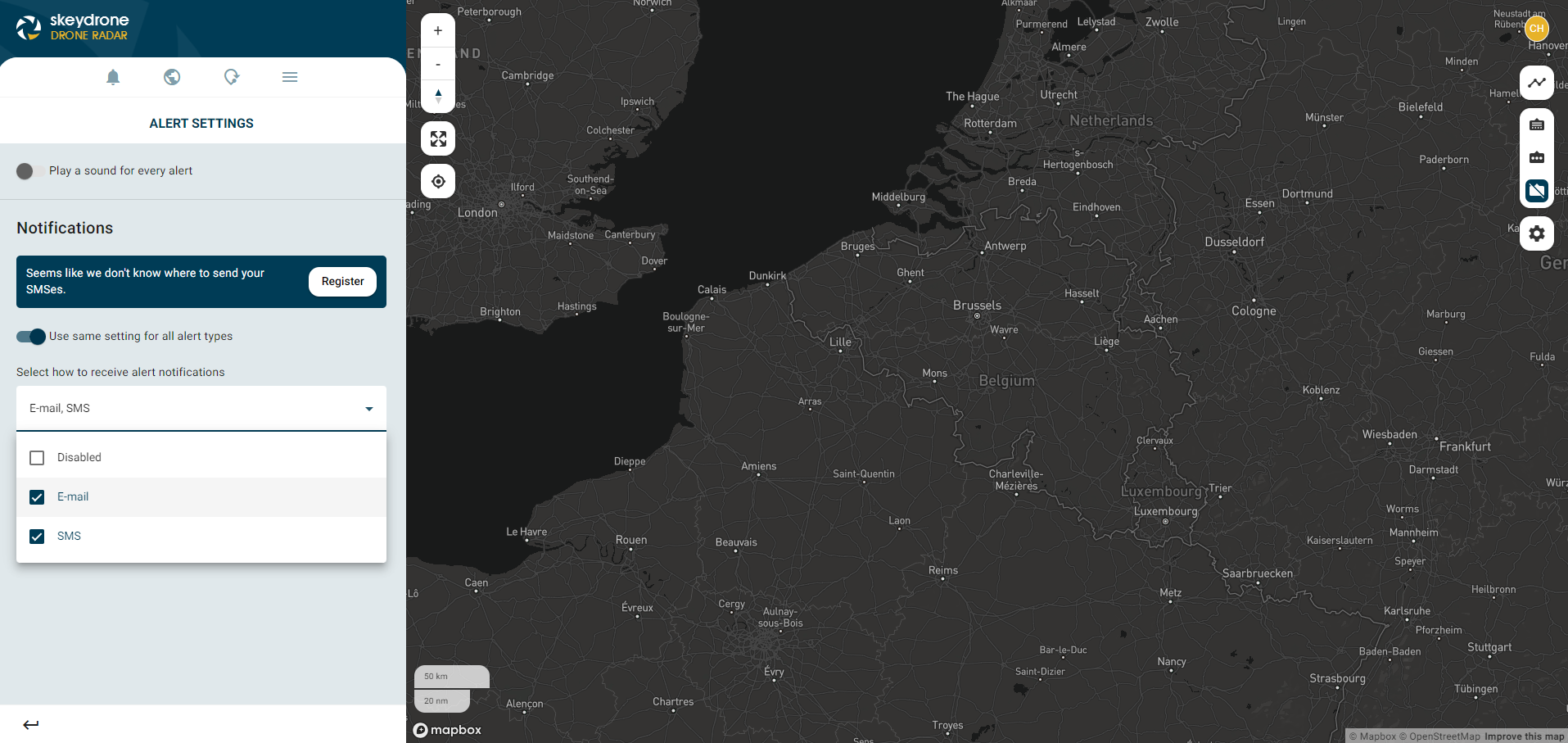
To ensure timely and effective communication, we have added SMS notification alerts in addition to email notifications. Users will be prompted to provide their mobile numbers to avoid the need for SMS verification during the setup of UTM or drone detection services.

These updates are designed to provide a seamless and efficient experience, empowering users to make the most of the SkeyDrone Hub. Visit the SkeyDrone Hub to explore these exciting features!

The post Exciting Updates to the SkeyDrone Hub first appeared on SkeyDrone.

Revolutionising Petrochemical Sample Transport with Drones

24 June 2024 at 09:33

About ADLC

ADLC is a start-up specialised in drone delivery services, specifically targeting the B2B industrial sector. Their commitment is to transform operational efficiency by enabling ultra-fast delivery of goods in industries where time, cost and emissions are critical.

Safely transporting petrochemical samples by drone

Transporting petrochemical samples from a plant in the north of the Port of Antwerp to a laboratory 14 km south was a cumbersome process. Road-based vans encountered daily challenges such as traffic congestion, bridge openings, and natural barriers. ADLC now offers a faster, more efficient solution with the introduction of a heavy-duty VTOL Fixed Wing drone. By switching to drone transport, ADLC has achieved remarkable improvements:

5 times

faster than road transport

80%

reduction of CO2 emissions


ADLC’s drone transporting a petrochemical sample from the plant to the laboratory

Beyond Visual Line Of Sight Operations

Given the 14 km trajectory, the drone flights are conducted Beyond Visual Line Of Sight (BVLOS), meaning the drone pilot operates the drone from a remote control room. According to the European drone legislation, BVLOS operations fall under the ‘specific’ category, requiring an operational authorisation and a comprehensive risk assessment (‘SORA’) to demonstrate adequate mitigation of ground and air risks.

The flight path traverses the airspace of the Port of Antwerp, one of Europe’s busiest airspaces for drone traffic, and partially enters the controlled airspace of Antwerp Airport. Thus, mitigating air risk is crucial.

BVLOS flights are conducted from the ADLC control room

Enhancing safety with SkeyDrone’s Traffic Information Service

To support safe BVLOS operations, ADLC turned to SkeyDrone’s Traffic Information Service (TIS). This service aids operators in evaluating air risk situations in-flight and making informed decisions. SkeyDrone’s TIS combines multiple data sources, including Mode S radars, ADS-B receivers and SkeyDrone’s drone detection network, to provide unparalleled situational awareness.

Through the SkeyDrone Monitor application, the operator receives a comprehensive air traffic picture, displaying both crewed and uncrewed traffic. This empowers the operator to navigate the drone with confidence, ensuring the highest levels of safety.

Rayan Quintaes

Managing Director
ADLC

ADLC is the first company in Europe approved for transporting petrochemical samples by drone and the first company worldwide to do so within a port in a non-segregated controlled airspace. During our BVLOS flights, SkeyDrone’s TIS is indispensable to achieve real-time awareness of surrounding air traffic.

Conclusion

ADLC’s innovative use of drone technology for transporting petrochemical samples not only enhances speed and efficiency but also significantly reduces environmental impact. By leveraging advanced services like SkeyDrone’s TIS, ADLC ensures the highest safety standards, setting a new benchmark for the industry.

Lean more about SkeyDrone’s Traffic Information Service here.

The post Revolutionising Petrochemical Sample Transport with Drones first appeared on SkeyDrone.

Drone Detection at Tomorrowland

29 March 2024 at 12:12

Tomorrowland, one of the world’s largest electronic dance music festivals, attracts thousands of attendees each year. Ensuring the safety and security of such a massive event poses significant challenges, including the unauthorised use of drones. To address this, the Police District of Rupel, responsible for security at Tomorrowland, partnered with SkeyDrone.

About Tomorrowland

Tomorrowland, held in Boom (Belgium), is one of the world’s most iconic music festivals. First organised in 2005, it has grown into a globally recognised event, hosting 400,000 attendees from over 200 countries each July. The festival spans two weekends and features hundreds of renowned electronic dance music artists performing across more than 16 stages. Tomorrowland is known for its enchanting decor, magical stages, fascinating acts and spectacular fireworks, creating a true fairy tale atmosphere.

Ensuring safety and security

The risk analysis conducted by the Police District of Rupel ahead of Tomorrowland 2023 identified drones as a significant threat. Initial tests during the 2022 festival had already shown an increasing presence of drones above and around the event. Additionally, the international context underscored the need for heightened attention to drone activity.

According to Chief of Police, Peter Muyshondt, the risks of drones at a festival are substantial.

Peter Muyshondt

Chief of Police
Police District Rupel

Even without considering the threat of drones carrying weapons or explosives, a small drone crashing into the crowd can trigger widespread panic and lead to many injuries. Monitoring drone traffic is a new and challenging task for the police. Since we lack the necessary resources and expertise, we partnered with SkeyDrone as drone detection is a part of their core business.

During the festival, a temporary no-fly zone was established to prevent unauthorised crewed and uncrewed aviation. This measure was taken to protect festival-goers, staff or volunteers from getting hurt by a drone, and to ensure that the emergency services could at all times access the site quickly, safely and unhindered for an intervention. Only drones belonging to emergency services and the organization were allowed to fly in the area. Possession of drone equipment was also prohibited in the area around the festival site,.

A temporary no-fly zone was installed above the festival terrain and its surroundings

The solution

SkeyDrone deployed two passive SENID+ sensors to detect Radio Frequency and Direct Remote ID signals from drones. To also monitor crewed aviation, a radar feed was integrated to detect aircraft using Mode-S transponders, which are required in the Belgian controlled airspace. The Tomorrowland site falls in the control zone (CTR) of Antwerp airport, where drone operators need a flight authorization from Air Navigation Service Provider skeyes.

On the software side, SkeyDrone provided its Drone Radar cloud application, offering real-time visualization of drone positions, automatic address translation of the pilot’s location, height indication, classification of authorised versus unauthorised drone traffic, multiple security volume definitions, intrusion alarms, whitelisting options, and the ability to create screenshots and recordings for analysis and reporting.

During Tomorrowland 2023, the police monitored air traffic in real time with SkeyDrone’s Drone Radar application.

SkeyDrone’s Drone Radar application configured for Tomorrowland

Outcomes

The results were remarkable. A total of 104 drone flights were detected within the festival’s safety perimeter. Besides the festival organisation’s media drones and security drones, 23 unauthorised drones were observed, one of which even reached a height of 500 meter. As the Drone Radar application indicates the location of the drone pilot, the police were able to confiscate 12 illegal drones. Violations of the air traffic regulations were documented through screenshots and reports, and reported to the Belgian Civil Aviation Authority, resulting in fines up to €8,000.

104

Drone flights
detected

23

Unauthorised drones observed

12

Illegal drones confiscated

Chief of Police Peter Muyshondt expressed his amazement at the results:


There was far more activity in the air than we anticipated. It’s alarming to realise how much is happening above our heads that we can’t see. I highly recommend that anyone responsible for the security of a large event invest in a drone detection solution.

Conclusion

The partnership with SkeyDrone demonstrates how advanced drone detection solutions enhance event security and protect attendees. As drone technology continues to evolve, effective detection systems will become increasingly vital in securing our skies.

So, the next time you’re dancing to your favorite beats at a music festival, remember there might be a vigilant drone detection system silently keeping you safe!

Lean more about SkeyDrone’s drone detection solution here.

The post Drone Detection at Tomorrowland first appeared on SkeyDrone.

SkeyDrone Releases First Drone Detection Report

5 June 2024 at 12:25

Steenokkerzeel, 5 June 2024 – SkeyDrone is proud to announce the release of its first public Drone Detection Report. The report offers a high-level analysis of the drone flights detected within the center of Brussels during the month of May 2024, based on SkeyDrone’s Drone Detection network.

The report provides crucial insights into various aspects of drone activity, including the types of drones used, frequency and timing of flights, duration, altitude, distance between drones and pilots, compliance with regulations as well as drone hotspots. It serves as a valuable resource for understanding the evolving drone landscape in the Brussels region, highlighting both opportunities and challenges for public and private stakeholders.

Key Findings:

  • Daily Flights: An average of 12 drone flights per day were detected.
  • Maximum Altitude: The highest recorded flight reached 1640 feet (500 meters) above ground level.
  • Pilot Distance: The furthest distance observed between a drone and its pilot was 997 meters.
  • Authorisation: Only a fraction of the detected drone flights had obtained the mandatory geozone flight authorisation.
  • Conformity: 74% of authorised flights at least partially conformed to their submitted flight plans.

SkeyDrone plans to release similar reports for other regions in Belgium, providing continuous monitoring and insights into drone activities nationwide.

Hendrik-Jan Van Der Gucht, Managing Director at SkeyDrone, comments: “This report provides undeniable evidence of the growing presence of drones in the Brussels region. Our findings underscore the need for continued investments in advanced detection systems, collaboration with public authorities, and public awareness campaigns on drone legislation.”

The report is available for download here. For further inquiries about this report, or to request a customized report for a specific period or region, contact communication@skeydrone.aero.


About SkeyDrone

SkeyDrone is a joint venture between the Belgian Air Navigation Service Provider skeyes and Brussels Airport Company. The company’s mission is to provide end-to-end solutions for business needs related to the use of uncrewed aircraft (drones). SkeyDrone offers solutions for lower airspace monitoring, management of and protection against drones for authorities and geo-zone managers, UTM/U-space & consultancy services for drone operators and business integration services for companies. Playing a pivotal role in the implementation of U-space in Belgium, SkeyDrone is on track to make history by becoming one of the first U-space service providers in Europe.

The post SkeyDrone Releases First Drone Detection Report first appeared on SkeyDrone.
SkeyDrone supports Kortrijk-Wevelgem Airport’s ambitions to become a drone hub

22 May 2024 at 13:30

Wevelgem, 22 May 2024 – International Airport Kortrijk-Wevelgem is paving the way for a sustainable future by fully committing to drone technology. The first step involves installing a new drone detection system to ensure air traffic safety in and around the airport. To test this system, the airport temporarily suspended crewed air traffic today for several drone demonstration tests.

West Flanders, a Top Region for the Drone Sector

Over the past years, POM West-Vlaanderen has aimed to make West Flanders a leader in drone innovation. “Together with VIVES, we opened Drone Dock, the innovation and demonstration center for drones in September 2023, next to Ostend-Bruges Airport. In November 2023, we signed an agreement with the national Air Navigation Service Provider skeyes to enable drone flights over the North Sea and between the regional airports of Ostend-Bruges and Kortrijk-Wevelgem,” says Jean de Bethune, chairman of POM West-Vlaanderen.

Seeing is believing

The next step in developing West Flanders into a top drone region is activating the regional airports as future drone hubs. “To coordinate uncrewed and crewed air traffic, we first need to map all authorised and unauthorised flights in and around the West Flanders airport area. Safety is paramount,” says Jean de Bethune. “That’s why we commissioned SkeyDrone to equip Kortrijk-Wevelgem Airport with drone detection technology. Visualising all air traffic is essential if we want to integrate drones. The Ostend-Bruges Airport is also being equipped with this technology.”

Numerous Drone Applications

Drones have many applications. “We can deploy drones for the inspection and surveillance of runways and other infrastructure,” says Jean de Bethune. “Furthermore, we see significant opportunities at Kortrijk-Wevelgem for larger cargo drones. Using these drones can greatly increase efficiency, safety, and operational processes, such as distributing urgent spare parts.”

Surveillance and Safety

Drone operators who wish to fly near a controlled airport must request their flight in advance to skeyes via the Drone Service Application, a tool developed by SkeyDrone. “Our drone detection solution monitors, compares, and processes data from drone detections and flight authorisations,” says Hendrik-Jan Van Der Gucht, Managing Director of SkeyDrone. “This allows us to distinguish between authorised and unauthorised drone flights, which helps to further improve safety in the lower airspace.”

Real-Time Drone Demonstrations

Today, Kortrijk-Wevelgem Airport temporarily suspended crewed air traffic for a series of drone tests. Drone company Droprise flew a drone over and around the airport from an automatic loading and launching platform. VIVES operated the camera of this drone from Drone Dock in Ostend. Simultaneously, a drone commissioned by skeyes took to the air. Afterwards, a cargo drone carrying a package up to 40 kg flew over the airport. All activities were monitored in real time from the control room, with SkeyDrone’s detection equipment recording and coordinating all flights.

Sustainable Future

In a few years, air traffic control for the Flemish regional airports will be managed from a single digital control tower. In this tower, air traffic controllers will receive airport images via cameras on masts in an external control room. The drone flight commissioned by skeyes identified the location to place a mast with cameras to send images to this digital tower. “Since 2016, Kortrijk-Wevelgem Airport and skeyes have joined forces for the further development of the airport. Several steps have been taken since then. With the integration of the drone detection system and the identification of the mast location for the digital tower, Kortrijk-Wevelgem Airport has made significant progress,” says Johan Decuyper, CEO of skeyes. “This demonstrates that the airport is ready to face the challenges of a modern regional airport with a clear vision.”

 
About the International Airport Kortrijk-Wevelgem

Kortrijk-Wevelgem International Airport has an enviable reputation as a fast, flexible and remarkably accessible business airport. Its compact size makes it extraordinarily flexible and efficient when it comes to satisfying travellers’ needs especially when you consider its central location in Europe and the international reach of the region.

About POM West-Vlaanderen

Pom West-Vlaanderen is an independent agency that implements the socio-economic policy of the province. It strengthens entrepreneurship by encouraging collaboration between businesses and their organizations, knowledge institutions, regional policy bodies, and social partners to create a sustainable, innovative, and internationally oriented economic fabric.

About skeyes

skeyes ensures the safety and efficiency of air traffic in Belgium 24/7. The skeyes air traffic controllers manage over 3,000 aircraft every day, which makes up over a million flight movements per year. The autonomous public company is active at the heart of Europe, in one of the busiest and most complex sections of airspace of the continent. skeyes is active at Brussels Airport and at the airports of Antwerp, Charleroi, Kortrijk, Liège and Ostend. The company relies on its nearly 900 experienced staff members who are at the service of their customers: airline companies, airports, the aviation sector and the authorities.

About SkeyDrone

SkeyDrone is a joint venture between the Belgian Air Navigation Service Provider skeyes and Brussels Airport Company. The company’s mission is to provide end-to-end solutions for business needs related to the use of uncrewed aircraft (drones). SkeyDrone offers solutions for lower airspace monitoring, management of and protection against drones for authorities and geo-zone managers, UTM/U-space & consultancy services for drone operators and business integration services for companies. Playing a pivotal role in the implementation of U-space in Belgium, SkeyDrone is on track to make history by becoming one of the first U-space service providers in Europe.


The post SkeyDrone supports Kortrijk-Wevelgem Airport’s ambitions to become a drone hub first appeared on SkeyDrone.

How will U-space affect drone detection?

30 April 2024 at 18:50

One of SkeyDrone’s main activities is to provide drone detection solutions to organisations wanting to safeguard the airspace against unauthorised drones, whether it’s for securing events, protecting critical assets, or addressing concerns related to safety, security, privacy, or environmental preservation. With the designation of U-space airspaces around the corner, we recently received the question how U-space will affect drone detection.

U-space is a concept, consisting of a special geo-zone, also referred to as U-space airspace, and a set of risk mitigating services, also referred to as U-space services. This framework aims to safely integrate drones with crewed aviation in complex airspaces or areas where there is a high demand for more complex beyond visual line of sight drone operations.

Before a drone operator can start flying in U-space airspace, (s)he will first need to obtain a flight authorisation from a certified U-space service provider (USSP). Through the obligatory Network Identification Service, the drone operator will be sharing its UAS position data in real time with the USSP. Therefore, every USSP will know where all of its customer airborne drones are flying at any point in time. In turn, all USSPs will need to share those data with the Common Information Service Provider (CISP – in Belgium this will be the ANSP skeyes , red.) so everyone can have access to the real time location data of all airborne drones in that U-space airspace.

In short, U-space sounds like the ultimate solution to get to know who’s flying where in that U-space airspace. However, this assumes that all drone operators comply with the U-space regulation when flying in U-space airspace. This brings us back to the exact same problem we’re facing today: for those pilots who do not comply (clueless/careless/criminal – see image below) and operate their drone in a non-cooperative manner, a non-cooperative drone detection system is still needed.

So does U-space not change anything with regards to detecting unauthorised drones?

Especially for organisations who are not managing a geo-zone, it definitely does. Once a U-space airspace will be designated above their area of interest, they will no longer need to establish their very own geo-zone with associated flight authorisation system as they will be able to receive the data of all authorised flights through the CISP. Thanks to the data that the CISP will provide, any organisation located within a U-space airspace with a drone detection system will be able to separate the bad ones from the good ones, when comparing the data from the CISP with the detected drones.

In summary, U-space represents a significant step forward toward safe drone integration, but it doesn’t eliminate the need for non-cooperative detection. Organisations with a legitimate concern should still invest in a robust detection system to protect their airspace effectively. Learn more about SkeyDrone’s drone detection solution here.

The post How will U-space affect drone detection? first appeared on SkeyDrone.

Enhancing Drone Detection with SkeyBox: Empowering Secure Skies

23 April 2024 at 17:03

As the skies become increasingly populated with drones, many organisations, including industrial plants, (air)ports, prisons and event organisers turn to SkeyDrone to protect the airspace above their facility or event from unauthorised drones.

Installation of a SkeyBox for drone detection on a high mast

Our holistic drone detection solution is built upon three pillars: robust hardware, intelligent software and seamless integration with Uncrewed Traffic Management (UTM) systems. The cornerstone of our hardware component lies in the SENID+ sensors, renowned for their unparalleled detection capabilities leveraging RF and Direct Remote ID signals emitted by drones.

While the SENID+ sensors excel in detection accuracy, we recognized that installation and maintenance could sometimes be cumbersome. To address this, we’ve introduced an additional component: the SkeyBox. Now being added to all our drone detection installations, the SkeyBox simplifies deployment. All that’s required from the customer, is to provide a power cable up to the location of the box.

The SkeyBox comes with a number of benefits. Firstly, it streamlines connectivity management by eliminating the need for customers to integrate sensors into their networks or grapple with third-party modems and SIM cards. Equipped with dual SIM slots and E-SIM capability, the SkeyBox ensures secure, managed connectivity with VPN-secured remote access and integrated firewall protection.

Furthermore, SkeyDrone gains remote oversight capabilities, monitoring power usage, event and firewall logs, connectivity quality, and other critical indicators. Its robust design can withstand harsh weather conditions, including protection against overheating, overpower, overvoltage, and flame retardancy.

Jan and Bjorn installing SkeyBox for drone detection

However, the main advantage of the SkeyBox lies in its ability to trigger a hard reset remotely, avoiding logistical hurdles and permits to access sensors installed in high, inaccessible locations. By enabling SkeyDrone to initiate a hard reset, downtime for customers is minimized, eliminating the need for complicated software resets.

Empowering organisations with an agile, responsive solution, the SkeyBox represents a leap forward in drone detection technology. Learn more about our drone detection solution here.

The post Enhancing Drone Detection with SkeyBox: Empowering Secure Skies first appeared on SkeyDrone.

SkeyDrone operates first automated BVLOS drone flight at DronePort for remote perimeter inspection

15 April 2024 at 10:13

On Wednesday, April 10, SkeyDrone operated the first fully automated drone flight at DronePort in Sint-Truiden with the drone being out of the pilot’s line of sight. The objective of this flight was to conduct a remote perimeter inspection from the SkeyDrone operations center in Steenokkerzeel. This test was a collaboration between Brussels Airport, Airport Intelligence, SkeyDrone, and DronePort, organized as part of the ‘U-space in Practice’ event in light of Belgium’s presidency of the European Union.

Drone technology offers a wide range of possibilities and is an integral part of the future of aviation and airspace. U-space, in simple terms, refers to the set of agreements and rules enabling fully automated drone flights on a large scale. The EU launched the U-space project in 2018 to facilitate a safe low airspace for long-distance drone flights, and the U-space regulation became effective in 2023. Given Belgium’s leadership in the concrete implementation of a U-space airspace, the Federal Government organised the ‘U-space in Practice’ event to celebrate the first anniversary of this regulation. A drone operation was set up at DronePort in Sint-Truiden as part of this event.

Drone as a tool for remote perimeter inspections

The use case involved an automated perimeter inspection at the active airport premises at DronePort, using a ‘drone in a box’ (DiaB) platform to conduct what is called a ‘beyond visual line of sight’ (BVLOS) flight. This means that the drone is not always within the pilot’s line of sight, and in this case, the drone’s camera was operated approximately 60 kilometers away, at SkeyDrone in Steenokkerzeel. Such BVLOS flights can provide a solution for inspections in various sectors and for difficult-to-reach locations or areas with large surfaces.

The uniqueness of this test case lies in the fact that, in the lead-up to U-space, the flight was supported by a range of digital services established by DronePort in collaboration with SkeyDrone, ensuring safety and allowing the airport to remain fully operational. Reliable detection of all air traffic near the airport – both drones and crewed aircraft – and the use of a flight management system were crucial in this regard.

The advantage of such a “flying camera”, generating live images and controllable remotely, is that it is not limited to specific angles. It makes inspections more dynamic and provides an interesting alternative to fixed cameras, serving as a useful tool for inspection services. DronePort provides an ideal testing ground for this purpose as a former airport. This use case was successful, and similar ones will follow to align the capabilities of drones with market needs and further develop and implement drone solutions in the form of a living lab.

Learn more about SkeyDrone’s U-space services here.

The post SkeyDrone operates first automated BVLOS drone flight at DronePort for remote perimeter inspection first appeared on SkeyDrone.

Why do we need U-space right now?

11 April 2024 at 15:45

Many stakeholders including Civil Aviation Authorities (CAAs) and drone operators often ask us the question why we really need U-space, and why we already need it now. According to a survey that was conducted by EASA in January 2024, at least one third of the EU member states is not adequately considering U-space implementation, 15 months after the EU U-space regulation became applicable. This was confirmed to us by the many Air Navigation Service Providers (ANSPs) and CAAs we spoke at the latest edition of the Airspace World conference. The complexity of this new legislative framework and a lack of internal resources often play a role. By the way, several national CAAs are still in the process of implementing the 2019 (!) EU drone regulations and are trying to get rid of a backlog of operational authorisation requests. Other member states have reservations about the timing of U-space implementation. They question why we already need U-space in 2024. So, what’s the urgency?

Within the Belgian emerging drone eco-system we are well positioned to answer this particular question and explain the “why now” of U-space. Our more than 5 years of experience with implementing geo-zones, operating UTM systems (digital drone flight authorisation systems) and more recently also drone detection networks in several of those geo-zones have resulted in facts and figures that cannot and should not be ignored.

The exponential rise in drone flights

First of all, we have found that the number of drone flights has increased exponentially in recent years. You wouldn’t expect it if you stare at the sky on a typical weekday, but it’s true. The picture below shows a heatmap of the number of drone flights detected with our Drone Detection solution near Brussels Airport over a period of only 2 weeks.

It is difficult to ascertain the exact number of drone flights in the entire lower Belgian airspace, but a conservative extrapolation based on flight authorisations issued in skeyes’ geo-zones and the number of detected drones around one public airport results in a number of more than 100.000 flights on an annual basis. In comparison, skeyes manages around 400.000 crewed flights on an annual basis in the lower controlled airspace around the five public airports. Merely a factor 4 difference! This order of magnitude should – in our opinion – more than justify the urgent need for U-space and the emergence of certified service providers taking care of the safety of drone traffic. Additionally, the operational coordination with the relevant Air Traffic Service units, contributing to the safety of crewed traffic operating in the controlled lower airspace, is key.

The cumbersome authorisation process

At the same time, we note that the promising drone service industry faces difficulties growing outside of the Open Category of operations. More than 98% of all drone flights today takes place in this low risk category. The promising potential of operations (and related business cases) in the Specific Category remains unrealised. The main reason being that both drone operators and CAAs are struggling because the SORA-based operational authorisation process is labor-intensive and lacks standardised building blocks. Operators are struggling to get their SORAs right while CAAs are having issues to process those SORAs and deliver operational authorisations in a timely manner. And here too, U-space will offer a solution… in the form of a certified safety framework, a structural and standardized air risk reduction framework that will allow to significantly shorten the lead times for requesting and obtaining operational authorisations.

Collaboration is key

Having said that, you won’t hear us say that the U-space implementation path will be an easy one, neither for candidate U-space service providers who are very often start-up/scale-up companies, nor for ANSPs. These are in many cases as Air Traffic Service Providers confronted with a significant change in ‘their’ airspace while at the same time they aspire the role of Common Information Service Provider. It also won’t be a walk in the park for national administrations who are responsible for the implementation of U-space airspace and the certification of service providers.

According to the survey that was conducted by EASA, the improper allocation of roles and responsibilities among the U-space actors is a recurring issue that prevents member states to comply with the U-space regulatory framework.

Nevertheless, the complexity should not prevent us from initiating the implementation process. The benefits that U-space will bring in terms of safety and scalability will by far outweigh the implementation costs in the long run. What we need at this stage is effective collaboration across borders. Only then we will be able to roll out U-space throughout Europe in a defragmented and harmonised way.

Learn more about SkeyDrone’s U-space services here.

The post Why do we need U-space right now? first appeared on SkeyDrone.

SkeyDrone Honored at Air Traffic Management Awards 2023 for Drone Detection Solution

20 March 2024 at 13:25


Geneva, 20 March 2024 – At Airspace World 2024 in Geneva, SkeyDrone has been honored with the runner-up award in the category “Integration of drones/AAM” with our Drone Detection as-a-Service solution. This recognition, presented by Air Traffic Management Magazine in collaboration with CANSO, highlights SkeyDrone’s commitment to advancing drone technology in aviation.

The Air Traffic Management Awards aim to encourage pioneering concepts and acknowledge significant achievements by leaders, initiatives, and organisations in the aviation industry. This year, the “Integration of Drones/AAM” category saw a record number of entries, making the competition tougher than ever.

SkeyDrone’s award-winning Drone Detection as-a-Service solution boasts an exceptionally high detection rate and effectively distinguishes authorised drone operations from unauthorised drone activities. Since its successful deployment at events like Tomorrowland in 2023, where it helped confiscate 12 illegal drones, the solution has been adopted by many organisations safeguarding critical infrastructure.

Expressing pride in SkeyDrone’s achievement, Hendrik-Jan Van Der Gucht, Managing Director at SkeyDrone, emphasized the company’s unique position as the only startup recognized at the awards. “Winning this award among tough competition is a testament to the dedication of the SkeyDrone team. We’re proud to be the only startup honored, showing our commitment to innovation in aviation.”

About SkeyDrone

SkeyDrone is a joint venture between the Belgian Air Navigation Service Provider skeyes and Brussels Airport Company. The company’s mission is to provide end-to-end solutions for business needs related to the use of uncrewed aircraft (drones). SkeyDrone offers solutions for lower airspace monitoring, management of and protection against drones for authorities and geo-zone managers, UTM/U-space & consultancy services for drone operators and business integration services for companies. Playing a pivotal role in the implementation of U-space in Belgium, SkeyDrone is on track to make history by becoming one of the first U-space service providers in Europe.

The post SkeyDrone Honored at Air Traffic Management Awards 2023 for Drone Detection Solution first appeared on SkeyDrone.

Protect your facility or event against unauthorised drones – insights from our webinar

15 March 2024 at 10:46

As the skies become increasingly populated with drones, ensuring safety and security has become a critical concern. From industrial facilities, (air)ports and prisons to outdoor events, the need for robust drone detection capabilities cannot be overstated. Unfortunately, traditional security measures often fall short in detecting and mitigating the risks posed by unauthorised drones.

In our recent webinar, we explained how SkeyDrone’s Drone Detection as-a-Service offering can protect the airspace above facilities with critical infrastructure or outdoor events from unauthorised drones.

X
Please enable JavaScript in your browser to complete this form.
Name
Loading

Q&A overview

While the webinar recording doesn’t include the Q&A segment, fear not! We’ve meticulously curated the most burning questions and their insightful answers right here.

Q: Can all kinds of drones be detected? I’m still flying with my old Phantom 4 drone which doesn’t have Direct Remote ID. I guess that means you guys cannot detect me?

A: All drones that operate through an RF-based command and control link, i.e. that have a radio link between the drone and the ground control station operated by the pilot, can be detected. Our system is able to detect both cooperative (= Remote ID equipped) drones and non-cooperative drones.

Q: Is there a minimum height necessary for the UAS to be detected? What about the distance to the sensor and detection?

A: The laws of physics do unfortunately also apply to our drone detection system. We detect drones through a growing network of distributed receivers (please get in touch with us to learn in which regions we already provide permanent coverage). Only drones that are in direct view (i.e. RF line-of-sight) of one or more receivers are successfully detected. We therefore pay great attention to the optimal placement of our receivers. The terrain (profile) and obstacles surrounding a receiver determine the minimum drone detection height, currently ranging from 0 to 50 m above ground level.

Q: Basically, every drone will be detected and need to be labelled manually?

A: The system automatically labels all drones being detected. Labelling includes adding relevant classification and identification characteristics such as drone make & type, serial number, operator registration ID (if available) and so on.

Q: Can you detect drones that are programmed upfront to follow a GPS path without an active connection with an operator?

A: It’s not because a drone is executing an pre-programmed flight path, that it doesn’t have a control link. Even if the drone is flying in an automated mode, it’s still not autonomous. The drone  will still have an active radio link with a ground station, whether it’s a portable or a fixed ground station. That radio link (aka command and control link) is being detected and decoded by our system.  

Q: Any plans for BVLOS detection and how to locate the pilot in this case? Do you work on detecting 5G drones?

A: Today, most BVLOS flights are still operated via a direct RF link. In these conditions, the pilot’s position can be located, even if it’s far away from the drone. We’re currently working on a passive radar solution to also detect drones operated through a 4G or 5G connection. By the way, most 4G/5G drones are operated by professionals who already supply their telemetry data to SkeyDrone. Such telemetry data exchanges (over the internet) will become one of the standard modes of operation (aka Network Remote ID) in U-space, with SkeyDrone acting as U-space service provider in Belgium and abroad.

Q: Operators in the CRIMINAL category are of highest interest for law enforcement authorities and some are flying self-made drones, part of the 5% of non-commercial drones not detected by your system. How are you tackling this to convince customers?

A: Even when  flying a self-made drone, most of them still need some control during the flight by means of an active RF link (for command and control purposes). However, there are definitely some drones that are hard to detect through RF. Depending on the specific risk context (of the area requiring protection) and the outcome of a risk assessment (which should always precede the investment in a drone detection solution), additional risk mitigation measures such as adding other, complementary drone detection technologies (radar, optical) might be recommended.

Q: You were talking about “interception” commands at a certain point in the presentation, but as far as I know, right now regular commercial entities are not allowed to intercept or take over a drone. Also it raises a touchy subject of responsibility.

A: You are probably referring to the use of jammers. The use of such devices is strictly regulated by law (ref.: Article 15 of the Belgian law on Electronic communication dated 13 June 2005, latest update from December 2023) and is reserved for certain categories of public stakeholders (including Defence and police).  Criminal drone flights targeting one’s critical infrastructure could be countered by other types of ‘interception’, ranging from a soft interception (i.e. the real-time localisation and capturing of the drone pilot, requiring a close collaboration with the concerned local police force), to some types of hard interception such as using oneself a drone to counter the criminal drone.  

Want to learn more about our Drone Detection as-a-Service solution? Take a look at our product page.

The post Protect your facility or event against unauthorised drones – insights from our webinar first appeared on SkeyDrone.

SkeyDrone implements Drone & Aerial Activities Platform at skeyes

13 March 2024 at 13:08


Steenokkerzeel, 13 March 2024 – Belgian Air Navigation Service Provider skeyes and Belgian Defence will be launching the Drone & Aerial Activities platform in the coming weeks. This state-of-the art new digital platform, developed by SkeyDrone, will revolutionize the approval process for special air activities including survey flights, parachutes, fireworks and more taking place within controlled airspace.

Building upon the success of the Drone Service Application implemented in 2021, the Drone & Aerial Activities platform now complements Belgium’s lower airspace and traffic management strategy, ensuring the safe integration of both drones and special air activities. Through strategic deconfliction, collisions between uncrewed traffic and special activities within controlled airspace will be mitigated, guaranteeing the safety of all airspace users.

Annually, skeyes and Defence receive approximately 1,000 requests for special air activities, managed by a team of four civil and military experts in the Special Activities Coordination Cell. With the introduction of the Drone & Aerial Activities platform, this process will undergo a significant transformation, now featuring streamlined and semi-automated approval processes. The platform offers a digital workflow, integrated rule engine, automatic altitude conversion, and multi-stakeholder authorization capabilities.

Peggy Devestel, Chief Operating Officer at skeyes, remarked, “The implementation of the Drone & Aerial Activities platform marks a significant milestone in simplifying the special air activity approval process, benefiting both requesters and approvers by enhancing efficiency.”

LtKol Nancy Lesire, Base Commander of the Air Traffic Control Center (ATCC), underlines, “The implementation of the Drone & Aerial Activities platform is a considerable achievement for all stakeholders. It will ensure a more efficient and transparent coordination, facilitating a smoother handling of both military and civilian special activity requests.”

Hendrik-Jan Van Der Gucht, Managing Director at SkeyDrone, emphasized, “As the volume of drones in the airspace continues to rise, the implementation of the Drone & Aerial Activities platform will contribute to the safety of all lower airspace users. This implementation reaffirms our position as a comprehensive Lower Airspace Authorization Platform provider.”

 
About skeyes

skeyes ensures the safety and efficiency of air traffic in Belgium 24/7. The skeyes air traffic controllers manage over 3,000 aircraft every day, which makes up over a million flight movements per year. The autonomous public company is active at the heart of Europe, in one of the busiest and most complex sections of airspace of the continent. skeyes is active at Brussels Airport and at the airports of Antwerp, Charleroi, Kortrijk, Liège and Ostend. The company relies on its nearly 900 experienced staff members who are at the service of their customers: airline companies, airports, the aviation sector and the authorities.

About SkeyDrone

SkeyDrone is a joint venture between the Belgian Air Navigation Service Provider skeyes and Brussels Airport Company. The company’s mission is to provide end-to-end solutions for business needs related to the use of uncrewed aircraft (drones). SkeyDrone offers solutions for lower airspace monitoring, management of and protection against drones for authorities and geo-zone managers, UTM/U-space & consultancy services for drone operators and business integration services for companies. Playing a pivotal role in the implementation of U-space in Belgium, SkeyDrone is on track to make history by becoming one of the first U-space service providers in Europe.

About ATCC

The ATCC (Air Traffic Control Center) is a military unit, located at the premises of skeyes. The unit supports the operations of the Air Component by delivering air traffic services, managing the Belgian airspace in a flexible and dynamic way, disseminating aeronautical information and providing specific courses and training in the domain of air traffic management. In close cooperation with the national and international civil partners, ATCC guarantees daily the flight safety of the military flights in Belgium.


The post SkeyDrone implements Drone & Aerial Activities Platform at skeyes first appeared on SkeyDrone.

Welcome to the new SkeyDrone website: A haven of inclusivity and innovation

8 March 2024 at 08:51

Did you notice that SkeyDrone’s website got a makeover? Our new website now boasts a sleek design, with concise text and captivating visuals, promising a more immersive browsing experience. But that’s just the beginning – stay tuned as we unveil a dedicated page featuring inspiring customer stories in the weeks to come!

Aviation is no longer a man’s world

The careful reader will have noticed another change. We no longer talk about “unmanned” but we now use “uncrewed” instead. With this change we’re following the example of leading aviation organisations such as EASA, AUVSI and FAA who have all adopted the term “uncrewed” to describe autonomous or remotely operated vehicles.

The term unmanned has been rightly identified as gender-based and failing to reflect the diversity of individuals contributing to the aviation industry. By embracing gender-neutral language, we show our commitment towards a more inclusive future, acknowledging that everyone is vital in the aviation industry. By changing the everyday language used within this sector, young women and children may be encouraged to pursue a career in the aviation industry.

Inclusivity accelerates innovation

Historically the aviation industry has struggled with gender disparity, with female representation lagging behind. According to Dronegirl, female drone pilots represent approximately 8% of all drone pilots in the United States. However, this number has been steadily increasing over the years, doubling since 2016.

Research from HBR confirms that gender-loaded language reinforces inaccurate assumptions about the roles that men and women should occupy — and can successfully reach — in the workplace. Additionally, nonbinary colleagues struggle to be accepted in workplaces that haven’t adopted pronouns and other vocabulary that affirms their identities.

Through this change, we aim to empower and inspire women to explore careers in uncrewed aviation. Join us in embracing inclusivity and innovation as you navigate through our new website!

The post Welcome to the new SkeyDrone website: A haven of inclusivity and innovation first appeared on SkeyDrone.

❌